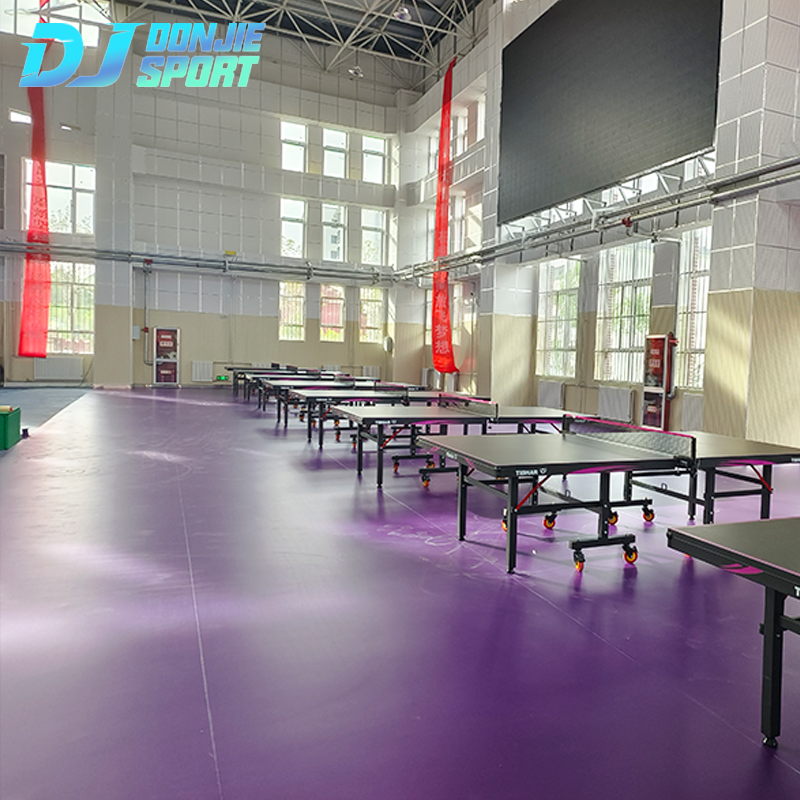
Table Tennis Flooring plays a critical role in shaping a player’s performance, comfort, and overall experience on the court. While many enthusiasts focus primarily on equipment like paddles and balls, the surface beneath their feet directly affects speed, stability, and agility. High-quality flooring ensures consistent ball bounce, enhances footwork, and reduces fatigue, making every movement on the court more precise and controlled. For professional players, the right flooring can be the difference between winning and losing, while recreational players benefit from increased comfort and safety.
Understanding Table Tennis Flooring
Table Tennis Flooring is designed to meet the specific demands of fast-paced indoor play. Unlike generic sports flooring, it balances grip, shock absorption, and energy return. High-quality floors are often constructed using multi-layer materials such as PVC, wood, or hybrid composites. Key characteristics of superior flooring include excellent shock absorption to reduce strain on joints, consistent surface friction to support quick directional changes, and uniform ball bounce to ensure fair and predictable gameplay. Professional facilities often invest in flooring that meets international standards, while recreational setups may focus more on durability and ease of maintenance.
How Flooring Affects Player Performance
Footwork and agility are central to table tennis, and flooring directly influences a player’s ability to move quickly and efficiently. A well-designed floor provides enough grip to prevent slipping while allowing smooth lateral movements. This minimizes the risk of injuries such as ankle twists or knee strains. Additionally, quality flooring ensures consistent ball rebound, which helps players anticipate shots and improves reaction times. The psychological impact should not be underestimated either; players feel more confident and controlled on a floor that responds predictably to their movements.
Types of Table Tennis Flooring
Several flooring options are commonly used in table tennis facilities, each with distinct advantages.
-
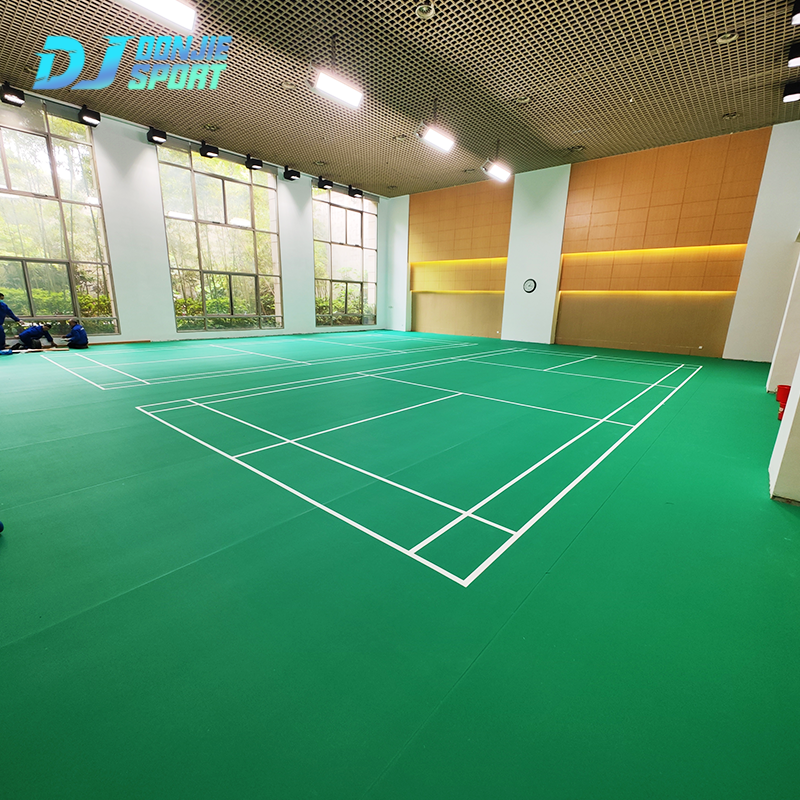
PVC Sports Flooring: PVC floors are popular for their durability, ease of installation, and maintenance. They offer excellent shock absorption and uniform surface friction, making them suitable for both professional and recreational players. Their lightweight yet resilient construction allows for consistent ball bounce across the entire court.
-
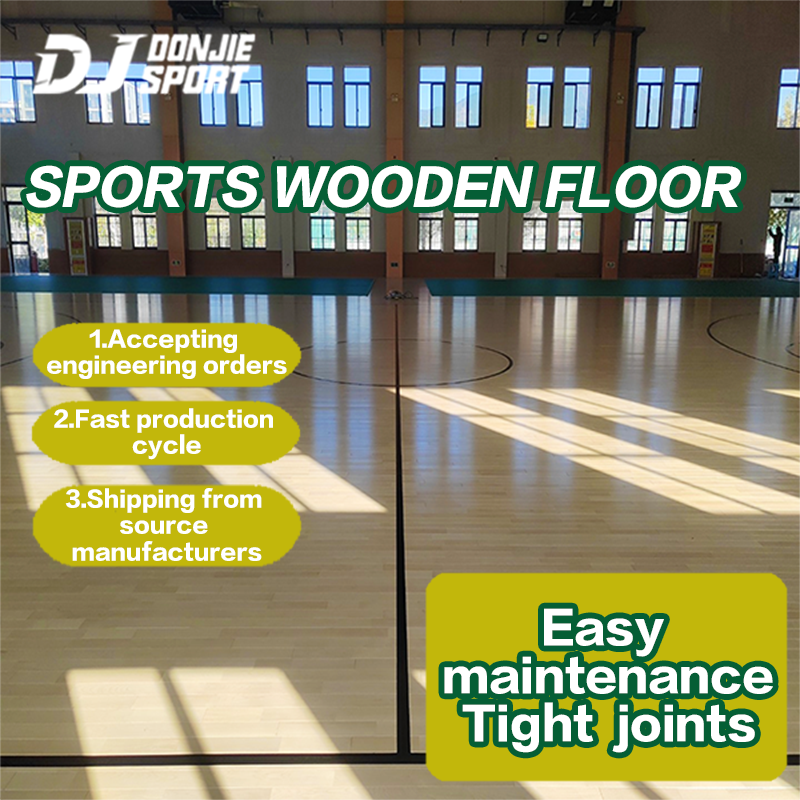
Wooden Flooring: Traditional hardwood floors are favored in many professional arenas for their natural feel and performance benefits. They provide excellent energy return, which enhances agility and reduces player fatigue. However, they require proper maintenance and environmental control to prevent warping and surface damage.
-
Hybrid Options: Some modern facilities combine layers of PVC and wood or other composites to achieve the ideal balance of comfort, bounce, and durability. Hybrid flooring is particularly useful for multi-use halls that host table tennis along with other sports.
Factors to Consider When Choosing Table Tennis Flooring
Selecting the right flooring involves several critical factors:
-
Thickness and Cushioning: Adequate cushioning reduces joint stress and improves comfort during prolonged play.
-
Surface Texture and Anti-Slip Properties: A slightly textured surface ensures players maintain control without excessive friction.
-
Maintenance and Longevity: Durable materials reduce replacement costs and downtime for repairs.
-
Cost vs Performance: High-performance flooring is an investment but pays off in terms of player safety, performance consistency, and facility reputation.
Installation and Maintenance Impact
Proper installation is as crucial as the material itself. Flooring must be leveled, securely fixed, and free from gaps to ensure uniform ball bounce and safe play. Regular cleaning and maintenance, including dust removal and surface inspections, preserve the flooring’s performance characteristics. Neglecting these aspects can lead to uneven surfaces, reduced grip, and increased injury risk, ultimately compromising player performance.
Case Studies and Real-Life Examples
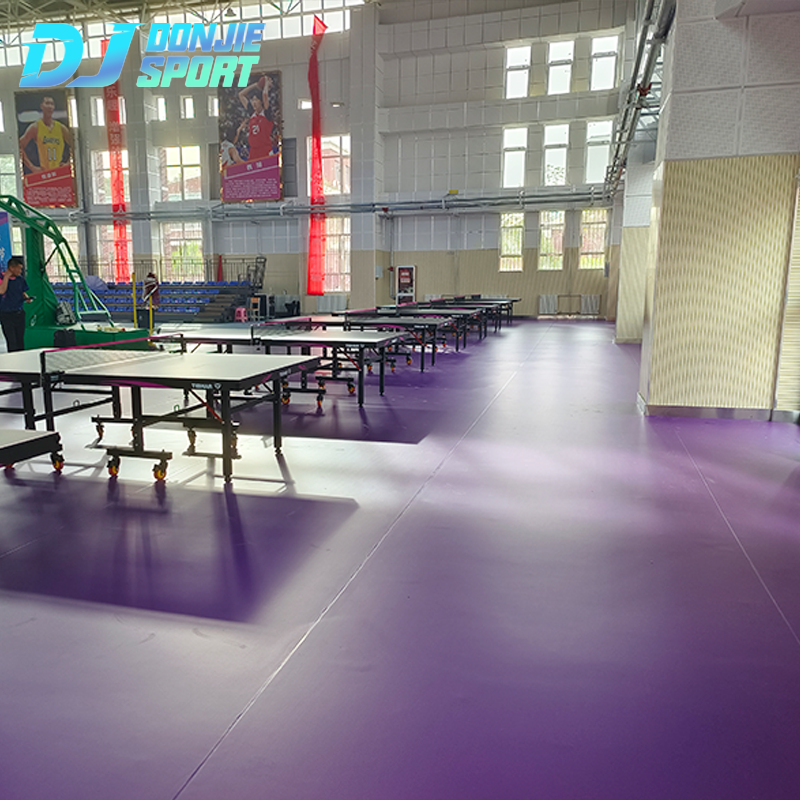
Top table tennis facilities around the world prioritize high-quality flooring to enhance player experience. Professional players often highlight the difference in reaction speed and comfort when playing on certified floors compared to substandard surfaces. Recreational clubs investing in quality PVC or hybrid flooring report increased player satisfaction, longer practice sessions, and fewer injury-related interruptions. These real-life examples reinforce the direct connection between flooring quality and performance outcomes.
Conclusion
Investing in high-quality Table Tennis Flooring is essential for maximizing player performance, safety, and overall enjoyment. From enhancing agility and footwork to reducing injury risk and improving ball bounce consistency, the right floor creates an environment where players can perform at their best. Facility managers, coaches, and players should prioritize flooring selection, installation, and maintenance as core components of their training and competition strategy. By doing so, they not only support player development but also ensure a long-lasting, professional-quality playing surface for years to come.