Volleyball, as a fast-paced and high-intensity sport, requires not just skilled athletes but also an optimal playing environment. One of the most crucial elements of any volleyball court is the flooring. The type of volleyball flooring chosen can significantly impact both player comfort and game outcomes, influencing everything from injury prevention to the speed of the game. As such, selecting the right flooring material is more than just an aesthetic decision—it’s an investment in player performance, safety, and the long-term durability of the court.
In this article, we’ll delve into how volleyball flooring affects various aspects of the game, from player comfort and injury prevention to the overall pace and strategy. Understanding these impacts can help players, coaches, and facility managers make informed decisions about the best flooring for their volleyball courts. Whether you’re outfitting a school gym, a recreational facility, or a professional arena, the right choice of flooring can elevate the quality of the game and ensure the safety and well-being of all involved.
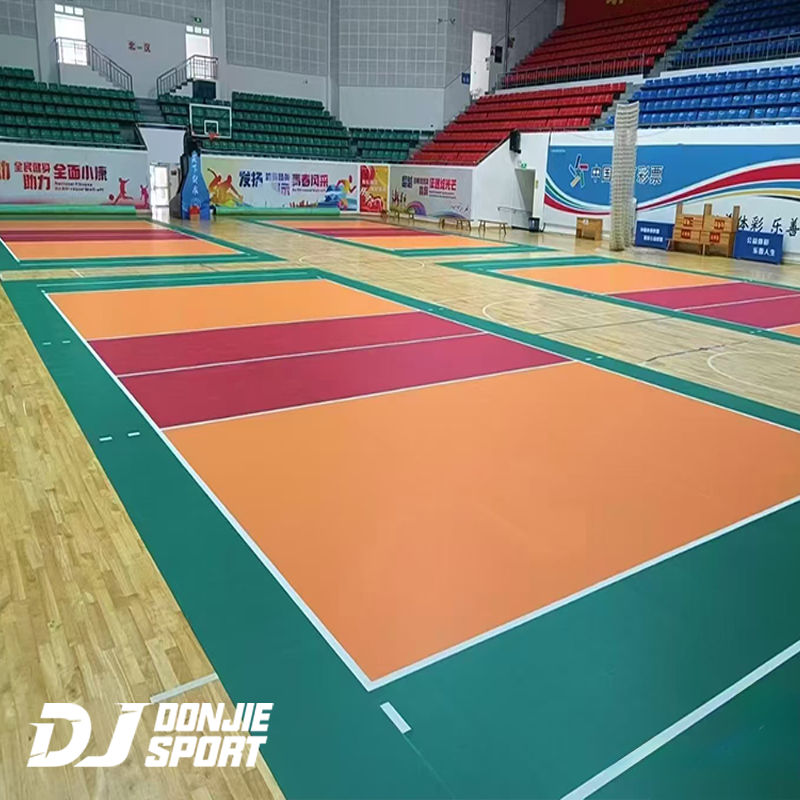
The Role of Volleyball Flooring in Player Comfort
Volleyball is a sport that demands high agility, quick movements, and the ability to jump and land safely. The comfort of players on the court is heavily influenced by the flooring material, which plays a vital role in cushioning the body and protecting joints from the repeated stress of the game. Let’s break down how different flooring types can impact player comfort:
How Flooring Impacts Joint Protection
When players jump, land, or pivot on the court, the flooring absorbs a significant portion of the impact. High-quality volleyball flooring, particularly those designed for shock absorption, reduces the stress on players’ knees, ankles, and lower back. This is especially important for preventing long-term injuries like tendinitis or stress fractures, which can develop over time due to repetitive strain. Flooring with excellent shock-absorbing properties can mitigate the risk of joint injuries, allowing players to perform at their best without worrying about unnecessary discomfort.
Cushioning and Shock Absorption for Reduced Fatigue
Flooring materials with built-in cushioning properties help to disperse the force of a player’s movements, reducing muscle fatigue. As players spend hours on the court, a well-cushioned surface can make a substantial difference in their stamina and endurance. The right type of flooring can also improve a player’s ability to recover quickly between plays by minimizing the overall physical toll of the game.
The Effect of Floor Texture on Grip and Movement
A good volleyball court floor provides optimal traction, allowing players to move quickly without slipping. Flooring that offers the right balance between grip and smoothness ensures that players can change direction rapidly and make quick, sharp movements without fear of losing their footing. However, flooring that is too slick can lead to unnecessary slips, while flooring with excessive grip can hinder players’ mobility and lead to strain. The texture of the floor, whether it’s made of wood, rubber, or synthetic material, can directly impact how comfortable a player feels when making quick transitions during the game.
Comfort vs. Performance Balance in Flooring Materials
While comfort is important, it’s equally vital that flooring doesn’t compromise performance. Some softer flooring materials may offer exceptional comfort but can affect how the ball bounces or how quickly players can pivot. Ideally, volleyball flooring should strike a balance between providing sufficient cushioning and supporting fast-paced movements required for optimal game performance. Understanding this balance ensures that players don’t feel either too stiff or too sluggish during matches.
How Different Types of Volleyball Flooring Influence Game Outcomes
The type of volleyball flooring chosen can significantly affect the way a game is played, influencing everything from ball bounce to player agility. Let’s take a closer look at how different types of volleyball court flooring materials impact game outcomes:
Hardwood Flooring: Advantages and Limitations
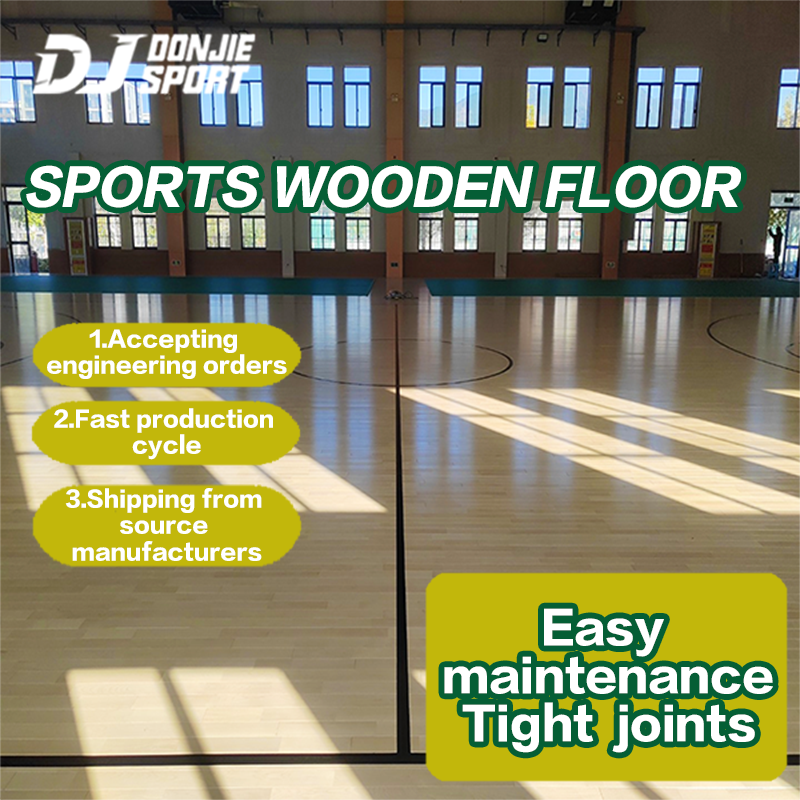
Hardwood flooring is a traditional choice for indoor volleyball courts, offering a classic and professional look. It provides a smooth surface that allows for predictable ball bounce, which is essential for accurate passing and serving. However, hardwood surfaces can be unforgiving when it comes to shock absorption. This can lead to increased stress on players’ joints and muscles, especially with prolonged play or repeated high-impact landings.
While hardwood floors are durable and can withstand heavy usage, they often require regular maintenance to keep them in good condition. As a result, the comfort and performance of players may diminish over time unless the flooring is properly maintained.
Synthetic Materials (e.g., PVC, Rubber, Polyurethane): Pros and Cons
Synthetic materials such as PVC, rubber, and polyurethane have become popular choices for volleyball courts due to their high level of shock absorption and durability. These materials are designed to cushion the impact of jumps and reduce the risk of injury. For instance, polyurethane floors provide excellent elasticity and rebound, making them a great option for players who rely on quick movements and jumps.
One of the primary advantages of synthetic flooring is its ability to absorb shock while maintaining performance. These materials are also low-maintenance, as they are resistant to wear and tear, unlike wood floors that need to be refinished regularly. However, some synthetic materials can be slippery, especially when wet, which may affect player safety and confidence during fast-paced plays.
How Flooring Type Impacts Ball Bounce and Player Mobility
The type of flooring can also influence the bounce of the volleyball, which can affect the outcome of the game. For example, a harder surface like hardwood or certain synthetic materials may result in a higher, more unpredictable ball bounce, while softer flooring will lead to a lower and more controlled bounce.
Player mobility is another crucial factor. Floors that offer less traction can slow players down, while floors that are too sticky can restrict fast movement, leading to awkward landings or muscle strain. The ideal flooring material offers a good balance of traction and smoothness, allowing players to move freely without sacrificing speed or control over the ball.
Flooring and Its Effect on the Speed of the Game
The speed at which the game is played can be impacted by the type of flooring. Softer flooring materials, such as rubber or high-quality vinyl, can help players perform fast lateral movements without the risk of injury. In contrast, harder flooring may cause players to move more cautiously to avoid injury, slowing down the game’s pace. The flooring choice directly influences the flow of the game, with more responsive flooring promoting a faster, more dynamic match.
Injury Prevention and Player Safety
Player safety is one of the most significant factors in selecting volleyball court flooring. With the high-impact nature of the sport, the risk of injuries—such as sprains, strains, and fractures—can be reduced through proper flooring choices.
The Role of Proper Flooring in Reducing Injuries
Volleyball is a sport that requires frequent jumping, quick direction changes, and sudden stops, all of which can strain muscles and joints. High-quality flooring with proper shock absorption properties helps reduce the stress placed on players’ bodies during these movements. The risk of common injuries such as knee pain, ankle sprains, and shin splints can be minimized by using flooring that offers adequate cushioning.
How Shock-Absorbent Flooring Contributes to Safety
Shock-absorbent flooring materials, such as rubber or polyurethane, help to distribute the impact from players’ jumps and landings. This cushioning effect not only protects players from immediate injury but also reduces the long-term wear and tear on their joints, contributing to a safer playing environment over time.
Research on Flooring and Long-Term Player Health
Studies have shown that proper flooring can have a significant impact on a player’s long-term health. Players who train and compete on poorly cushioned surfaces are at a higher risk for chronic injuries, such as stress fractures or joint degeneration. By investing in high-quality flooring with shock-absorbing qualities, athletic programs can protect players from injuries that could end their careers prematurely.
Case Studies of Injury Reduction with Specific Flooring Types
Facilities that have switched to high-performance flooring materials, such as polyurethane or rubber, report fewer player injuries compared to those using traditional hardwood surfaces. These floors are specifically designed to offer better shock absorption, which directly impacts injury rates, especially among younger players or those who play frequently.
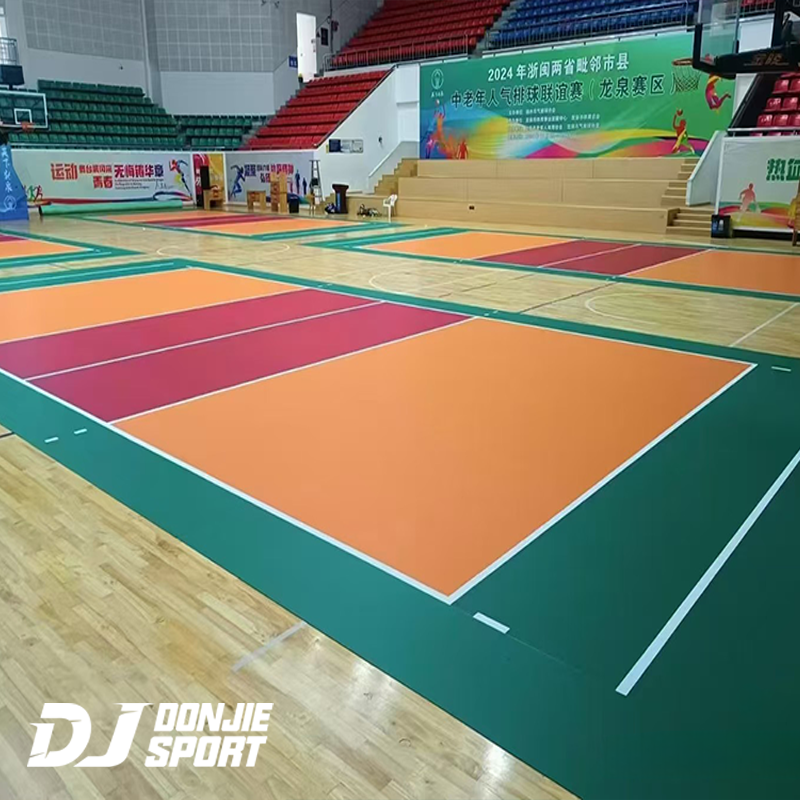
The Psychological Impact of Flooring on Player Confidence
While physical comfort and safety are essential, the psychological impact of flooring should not be overlooked. Players’ mental states are often influenced by the court surface they’re playing on, as the right flooring can provide confidence in their movements.
Mental Aspects: Comfort and Safety Affecting Player Confidence
A floor that feels secure underfoot allows players to focus on their game rather than worrying about slipping or injuring themselves. This sense of security can lead to better performance, as players feel more confident in their ability to make fast, precise movements without the risk of losing traction.
How Flooring Stability Influences Game Strategy
Flooring stability can also affect players’ approach to strategy. For example, when players know they can rely on the surface for consistent bounce and grip, they can focus on executing more complex strategies and techniques. This reliability enhances their confidence, leading to more dynamic and successful plays.
Players’ Preferences for Different Court Surfaces
Many professional volleyball players have specific preferences when it comes to court surfaces. They often feel more at ease on certain materials, whether it’s the smoothness of wood or the shock-absorbing properties of synthetic flooring. Understanding these preferences helps coaches and facility managers create an environment where players can perform at their best.
The Economic and Long-Term Benefits of Investing in Quality Volleyball Flooring
Investing in high-quality volleyball flooring may initially seem costly, but the long-term benefits often outweigh the upfront investment.
Durability of Different Types of Flooring
Quality flooring materials like polyurethane and rubber are designed to withstand heavy use and environmental factors. These materials resist wear and tear much better than traditional hardwood floors, meaning that they require less frequent replacement or repair. This durability translates into a more cost-effective solution in the long run.
Cost vs. Benefit: The ROI of High-Quality Flooring Materials
While high-quality volleyball flooring materials may come with a higher price tag, they offer significant returns in terms of reduced injury rates, increased player performance, and fewer maintenance requirements. In schools or recreational facilities, the benefits of investing in durable, safe, and comfortable flooring become evident as the flooring retains its functionality for many years.
How the Right Flooring Can Lead to Reduced Maintenance Costs
Quality flooring reduces the need for constant maintenance, such as refinishing or repairing damaged surfaces. Materials that are resistant to wear can save facilities a considerable amount of money in the long run, as they don’t need to be replaced as often. Additionally, these floors often require less cleaning and upkeep, contributing to lower operational costs.
How to Choose the Right Volleyball Flooring for Your Needs
Choosing the right volleyball flooring requires careful consideration of several factors, from the court’s primary use to the environment in which it is located.
Factors to Consider When Selecting Volleyball Court Flooring
When selecting the best flooring for a volleyball court, it’s important to consider the intended use (recreational, competitive, or professional), player demographics, and facility budget. The flooring should align with the level of competition and frequency of use, as well as the physical needs of the players.
Recommendations for Different Settings
For high-traffic environments like school gyms or recreational facilities, synthetic materials like rubber or polyurethane offer a great balance of durability, comfort, and performance. For professional volleyball arenas, hardwood or advanced synthetic materials that offer exceptional ball control and player comfort may be more appropriate.
Flooring Selection Based on Climate and Usage
The local climate and environmental factors should also be taken into account. For outdoor volleyball courts, weather-resistant materials like PVC or rubber are often preferred, as they can handle exposure to the elements without deteriorating quickly.
Conclusion
The impact of volleyball flooring on player comfort and game outcomes is profound, influencing everything from injury prevention to overall performance. The right flooring material can provide players with the stability and support they need to excel while reducing the risk of long-term injuries. Whether you’re designing a new volleyball court or upgrading an existing one, choosing the right flooring material is an investment that will pay off in improved player comfort, safety, and game dynamics.