Badminton is a high-intensity sport that requires quick reflexes, fast footwork, and exceptional agility. The right badminton court flooring plays a significant role in shaping these essential skills and enhancing player performance. While many players focus on technique, fitness, and equipment, the surface they play on is often overlooked, yet it directly affects their movement, safety, and overall game experience.
The court’s flooring is more than just a backdrop for a match. It provides the foundation for every step, jump, and slide a player makes during a game. A suitable flooring surface will support these movements, prevent injuries, and improve overall gameplay. Conversely, an inappropriate or worn-out surface can hinder performance and even lead to long-term health issues.

The Different Types of Badminton Court Flooring
When it comes to badminton court flooring, there is no one-size-fits-all solution. The ideal surface will vary depending on factors such as the type of play (professional or recreational), budget, and desired level of durability. Here, we’ll explore some of the most common types of flooring used in badminton courts, along with their benefits and drawbacks.
Wooden Flooring: Traditional Choice with Pros and Cons
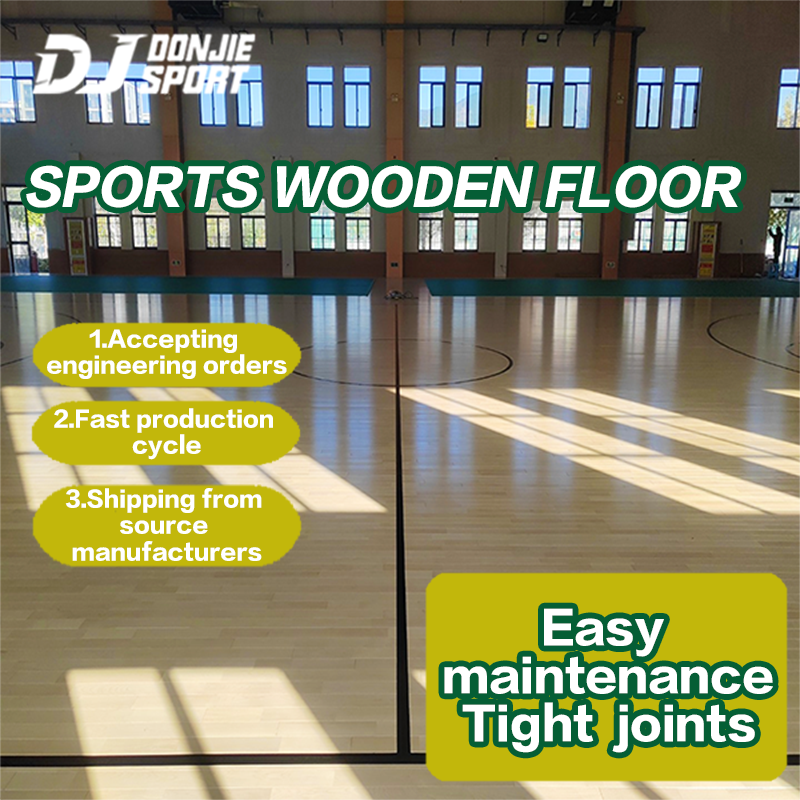
Wooden flooring is the traditional surface for indoor badminton courts, often seen in professional and competitive settings. This type of flooring offers a smooth and even surface, providing excellent traction and allowing for swift, precise movements.
Pros:
-
High performance and aesthetic appeal
-
Consistent, even bounce of the shuttlecock
-
Natural shock absorption, reducing joint strain
Cons:
-
Expensive installation and maintenance
-
Susceptible to damage from moisture and temperature changes
-
Requires regular refinishing and upkeep to maintain quality
While wooden courts are a classic choice for professional play, they come with higher upfront costs and maintenance demands.
Synthetic Flooring: Durability and Comfort for Players
Synthetic flooring options such as rubber and polyurethane have become increasingly popular in badminton courts. These materials are known for their durability and ability to withstand high foot traffic without deteriorating over time.
Pros:
-
Highly durable, long-lasting, and low-maintenance
-
Soft and cushioned surface, which helps reduce impact on joints
-
Provides good traction, preventing slips and falls
Cons:
-
Can feel less responsive compared to wood, leading to slower movement
-
Can be slippery when wet
-
Often requires professional installation
Synthetic flooring is ideal for gyms, recreational centers, and non-professional venues due to its cost-effectiveness and resilience.
PVC Flooring: Cost-Effective and High-Performance Options
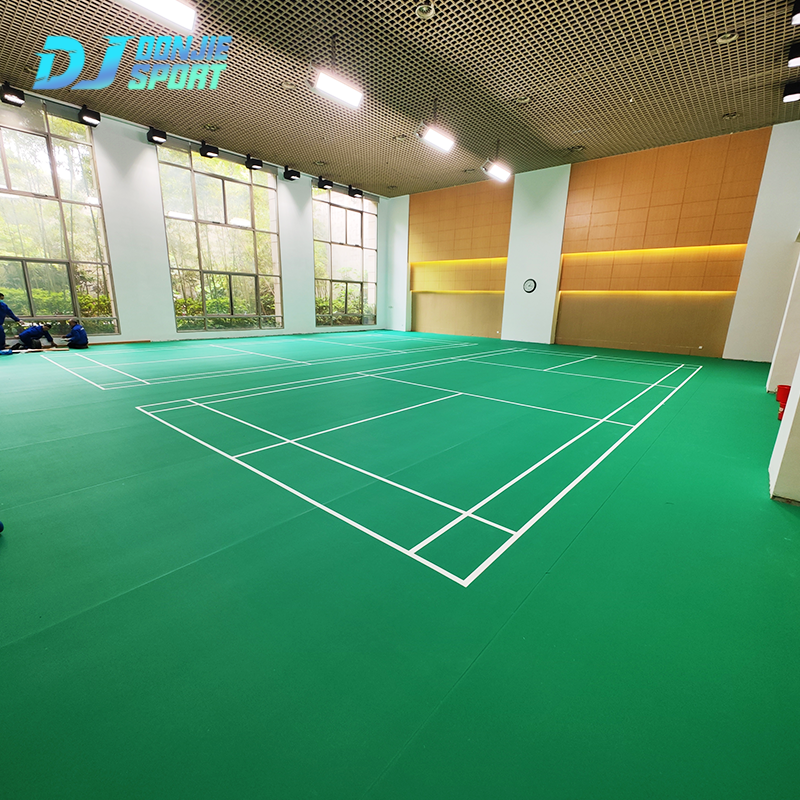
PVC (polyvinyl chloride) flooring is one of the most affordable and versatile choices for badminton courts. It’s commonly used in both indoor and outdoor settings and offers a good balance between performance and cost.
Pros:
-
Affordable compared to wood and synthetic options
-
Non-slip surface with high traction, reducing injury risk
-
Shock-absorbent, providing comfort during long matches
Cons:
-
Not as long-lasting as wood or synthetic flooring
-
Surface can degrade over time, especially with heavy use
-
Requires regular cleaning to maintain optimal performance
For those looking for a budget-friendly yet reliable flooring option, PVC flooring provides excellent value while ensuring safe and comfortable play.
Comparison of Flooring Materials and Their Impact on Performance
While each flooring type has its own advantages, the choice largely depends on the desired balance between durability, cost, and performance. Professional players tend to favor wooden flooring for its responsiveness and smoothness, while recreational players and gyms often opt for synthetic or PVC flooring due to their lower costs and durability.
When selecting badminton court flooring, it’s important to prioritize the surface that best complements the level of play and the specific needs of the players.
How Court Surface Affects Player Movement and Agility
The flooring on a badminton court is directly linked to how well players can move. In a sport that demands quick lateral movements, rapid direction changes, and sudden stops, the court’s surface plays a vital role in supporting these actions.
The Role of Traction in Enhancing Footwork and Stability
One of the most crucial aspects of badminton court flooring is its grip. The surface must provide enough traction to allow players to push off quickly without slipping. Whether it’s a wooden floor, synthetic surface, or PVC, the flooring must support fast pivots, sprints, and slides, which are essential for executing proper footwork.
The wrong amount of traction can lead to instability, making it harder for players to control their movements. Too much grip, on the other hand, can cause strain on the muscles, leading to fatigue and possible injury.
How Surface Texture and Grip Influence Speed and Direction Changes
Badminton players rely on their ability to change direction in an instant. The texture of the court surface significantly influences how effectively they can do this. For example, a smooth wooden court provides consistent friction, enabling players to make quick changes in direction. Similarly, synthetic and PVC courts are designed to optimize grip, ensuring that players can make those same quick turns without compromising safety.
The Influence of Badminton Court Flooring on Player Safety
In a fast-paced sport like badminton, player safety is a top priority. The wrong surface can increase the risk of injuries such as sprains, strains, and even more serious long-term issues. The type of badminton court flooring chosen can either mitigate or exacerbate these risks.
Injury Prevention: The Importance of Cushioning and Shock Absorption
Courts that offer adequate shock absorption, like high-quality synthetic or PVC flooring, help reduce the impact on players’ joints. This cushioning effect is particularly important during lunges, jumps, and quick movements, which are frequent in badminton.
A court with proper shock absorption minimizes the strain on players’ knees, hips, and ankles, reducing the likelihood of overuse injuries and stress fractures.
The Effect of Surface Hardness on Joint Strain and Muscle Fatigue
The hardness of a court surface can influence the amount of pressure placed on a player’s joints. Wooden surfaces, while providing a decent amount of shock absorption, tend to be harder compared to synthetic or PVC options. This difference in hardness can lead to increased strain, particularly in professional players who spend long hours on the court.
Preventing Slips and Falls: How Flooring Type Reduces Accidents
Slips and falls are common risks on courts that have inadequate grip. For badminton players, flooring with the right amount of traction is essential for reducing these accidents. Whether it’s wood, rubber, or PVC, ensuring that the flooring prevents sliding during high-speed movements helps minimize injury risks.
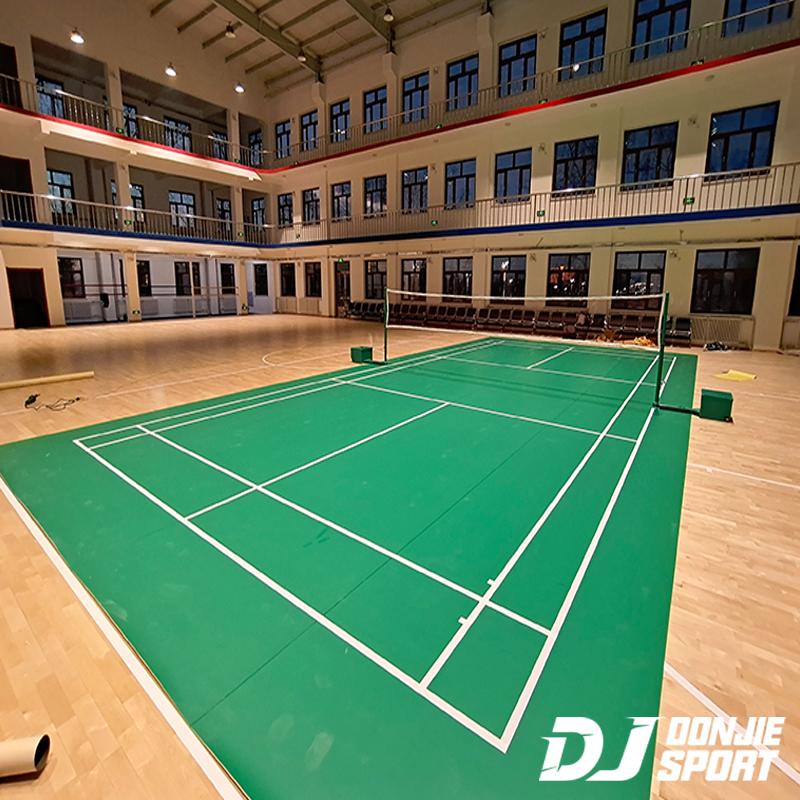
Choosing the Right Badminton Court Flooring for Professional Play
When selecting badminton court flooring for professional sports venues, several factors need to be considered. The flooring should not only provide comfort and safety but also ensure durability for high-level competition.
Factors to Consider When Selecting Flooring for Professional Sports Venues
Key considerations include:
-
Durability: Professional courts experience high foot traffic, so the flooring must withstand intense use.
-
Traction: It must offer optimal grip to prevent slips and falls, ensuring safety during competitive matches.
-
Maintenance: Flooring should be easy to maintain and clean, ensuring consistent performance over time.
The Balance Between Durability, Maintenance, and Player Comfort
For competitive play, the flooring needs to provide the right balance between durability and comfort. While wooden floors are often the gold standard for professional badminton, synthetic and PVC options can also deliver excellent performance with lower maintenance requirements.
Maintaining the Quality of Badminton Court Flooring
To ensure that the badminton court flooring remains in top condition, regular maintenance is necessary. Proper care not only enhances the longevity of the surface but also ensures a consistent playing experience.
Tips for Cleaning and Maintaining Different Types of Court Surfaces
-
For wooden floors, regular sweeping and occasional refinishing are necessary to maintain smoothness.
-
Synthetic and PVC floors should be cleaned with non-abrasive solutions to preserve their grip and appearance.
How Regular Maintenance Enhances Performance and Longevity
A well-maintained court ensures that the surface remains safe and functional for longer. Regular inspections help identify wear and tear, allowing for timely repairs or replacements.
Investing in the Right Badminton Court Flooring for Optimal Performance
Choosing the right badminton court flooring is essential for optimizing player performance and ensuring safety. From reducing injury risks to enhancing agility, the court surface plays a critical role in every match. Whether you’re outfitting a professional venue or a recreational gym, understanding the unique benefits of different flooring options will help you make the best decision for your needs.