Sports halls are versatile spaces designed to accommodate a variety of athletic activities. From basketball and volleyball to badminton and indoor soccer, multi-sport venues serve as the heart of community recreation and competitive sports. However, one often overlooked aspect of these facilities is the floor covering. The flooring in a sports hall is more than just a surface—it plays a critical role in the safety, performance, and durability of the venue.
Choosing the right sports hall floor is crucial, not only for maintaining the integrity of the building but also for ensuring the athletes’ safety and optimizing their performance. With the increasing demand for multi-functional spaces, sports hall floor coverings must be able to withstand high-impact activities, accommodate various sports, and still maintain a professional appearance.
In this article, we will explore why the selection of floor coverings is so important for multi-sport venues. We’ll delve into the different types of flooring available, the factors to consider when choosing the best option, and how the right floor can improve both safety and performance for athletes.

Why Floor Coverings Matter in Multi-Sport Venues
Safety First
The safety of athletes is the foremost priority in any sports facility. Multi-sport venues host a variety of activities, each with unique requirements when it comes to flooring. For example, basketball requires a surface that provides traction for quick stops and starts, while volleyball demands a floor that cushions impacts during jumps and dives. In contrast, badminton requires a smooth, even surface to allow for quick lateral movements without the risk of slipping.
The right flooring material is designed to absorb shock, reduce the risk of joint injuries, and provide enough grip to prevent accidents. Without an appropriate floor covering, athletes may experience more frequent injuries, which could lead to reduced performance and costly downtime. Whether it’s cushioning against impact, providing stability, or reducing slip hazards, the correct floor is vital for athlete safety.
Durability and Longevity
Multi-sport venues are subjected to heavy traffic, from training sessions to competitive events. This high level of activity places significant wear and tear on the flooring. For a facility to remain functional and aesthetically appealing over time, the flooring needs to be durable enough to endure constant use without significant damage.
Durability is not only about resisting physical impact but also maintaining its appearance and functionality. Sports hall floors that easily crack, stain, or lose their grip after a few years of use can significantly affect the quality of the venue. Investing in a high-quality floor covering can extend the life of the facility, reducing the need for costly repairs or replacements down the line.
Impact on Performance
The type of flooring used in a multi-sport venue can also influence the performance of athletes. For example, wooden floors are known to provide a consistent, even surface for sports like basketball and volleyball, allowing athletes to pivot and move with confidence. On the other hand, PVC or rubber flooring options are excellent at providing extra cushioning, which is essential for sports that involve frequent jumps and landings.
When athletes are able to perform on the right kind of surface, they experience less fatigue and are less prone to injury. This translates to better overall performance, higher energy levels, and an improved training environment. The right flooring enhances athletes’ ability to make sharp movements, maintain balance, and reduce stress on their muscles and joints.
Types of Sports Hall Floor Coverings for Multi-Sport Venues
Wooden Sports Hall Floors
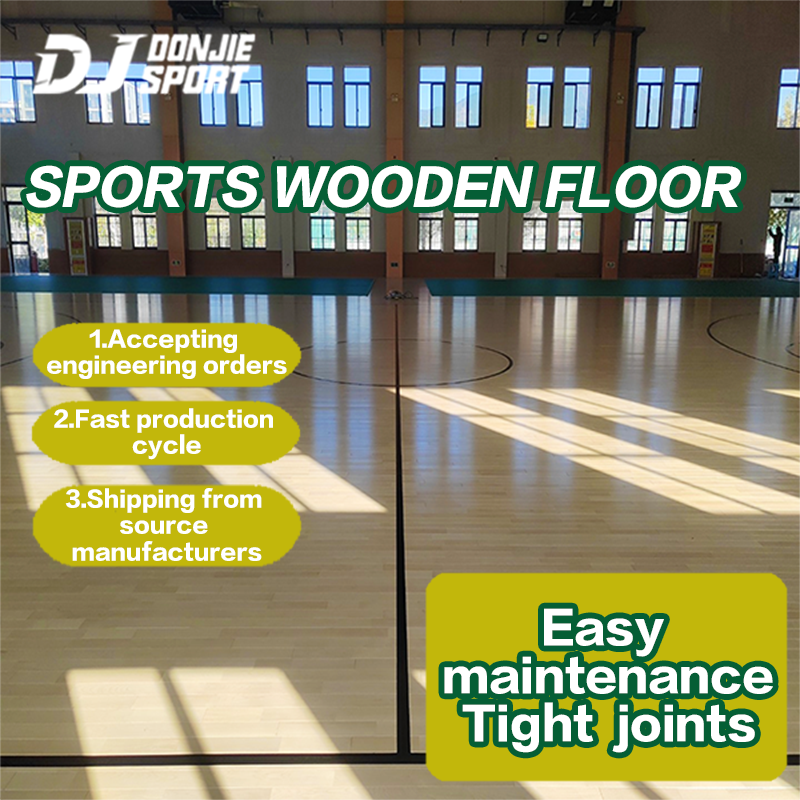
Wooden flooring has long been a favorite for sports halls, especially for basketball, volleyball, and other indoor games that require a sturdy yet slightly flexible surface. Wooden floors are known for their ability to absorb impact, providing cushioning without being too soft. Additionally, they offer a smooth, consistent surface that promotes quick movements and agile gameplay. However, wooden floors can require more maintenance than other flooring types, including regular sanding, refinishing, and cleaning to maintain their appearance and performance.
PVC Sports Flooring
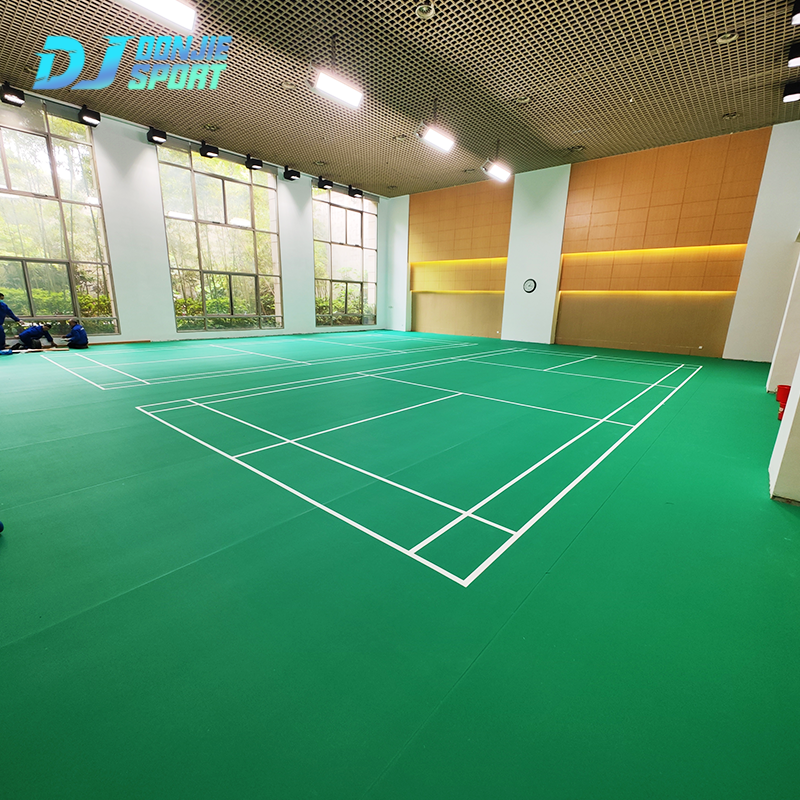
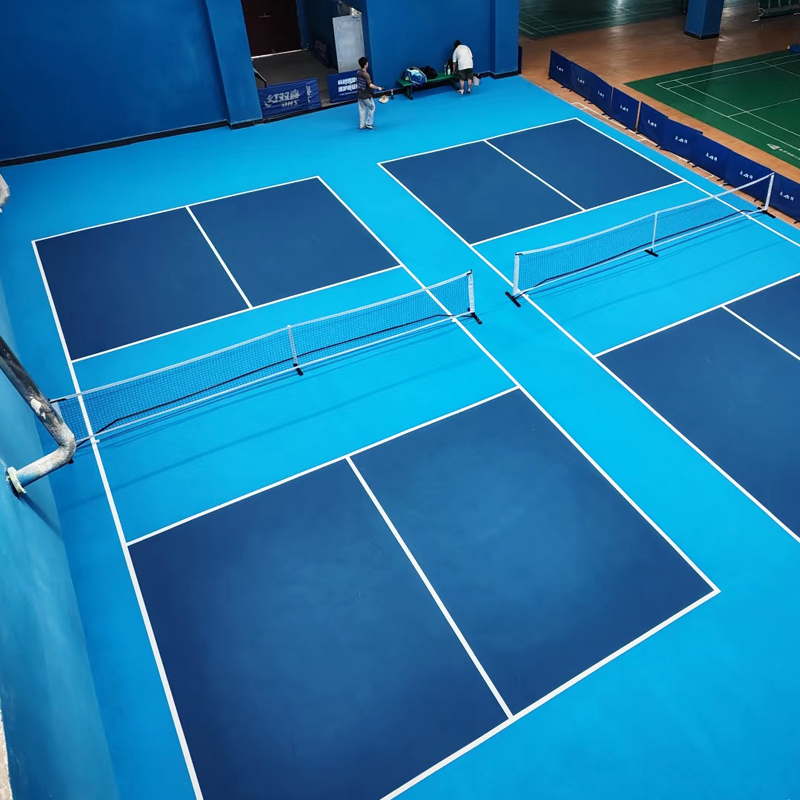
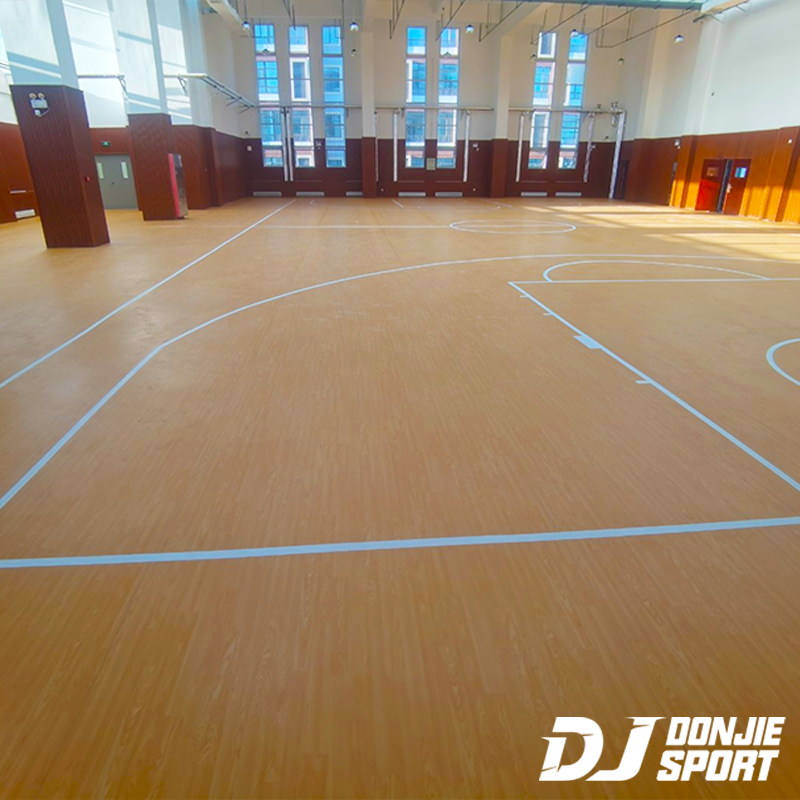
PVC (Polyvinyl Chloride) flooring has gained popularity due to its versatility and cost-effectiveness. It is often used in multi-sport venues because it provides excellent durability, shock absorption, and resistance to wear and tear. PVC flooring is also relatively easy to maintain and clean, making it an ideal choice for high-traffic areas. Additionally, PVC floors are available in various designs and textures, allowing for customization to suit the needs of different sports.
One of the main advantages of PVC flooring is its affordability, especially when compared to more expensive materials like wood. This makes it a popular option for facilities with budget constraints but still needing a high-performance flooring solution.
Rubber Sports Flooring
Rubber flooring is another excellent option for multi-sport venues due to its high shock absorption properties. It is ideal for sports such as gymnastics, indoor soccer, and fitness training, where protection against joint injuries is a key concern. Rubber floors also offer noise reduction, making them a good choice for environments that host events with large crowds. However, rubber flooring may not be as suitable for sports like basketball, where players need more grip and traction.
Interlocking Sports Tiles
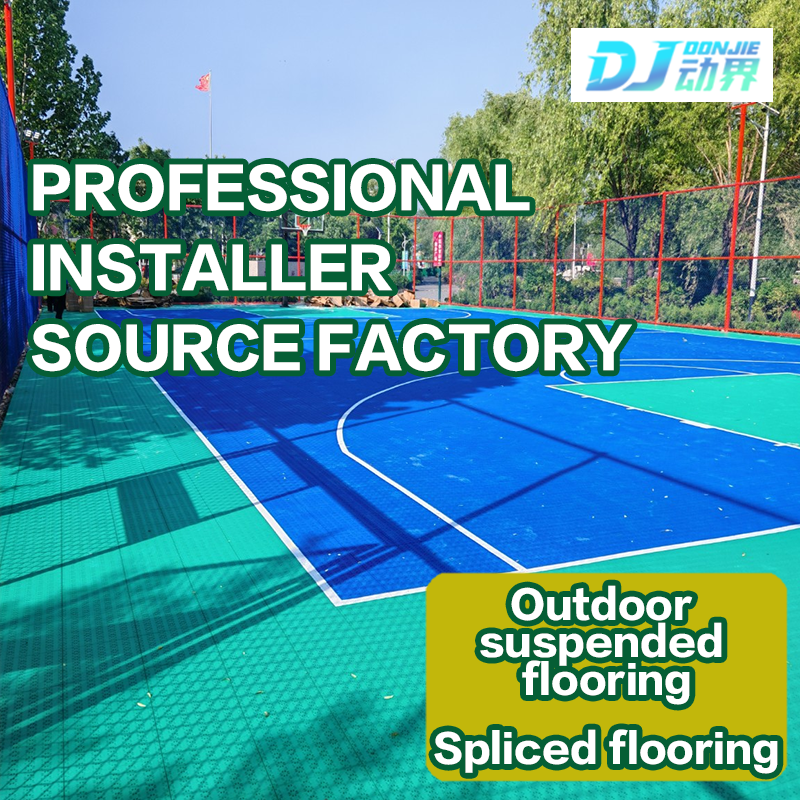
Interlocking sports tiles are another option that has become increasingly popular due to their ease of installation and versatility. These tiles can be arranged in a variety of patterns and configurations to accommodate different sports activities. They are highly durable, require minimal maintenance, and can be replaced individually if damaged, making them an affordable long-term solution. Additionally, interlocking tiles are modular, allowing for easy customization of the venue layout.
Key Considerations When Choosing Flooring for Multi-Sport Venues
Sport-Specific Requirements
Each sport has unique demands on flooring, so it’s essential to consider these factors when choosing the best flooring solution. For example, basketball floors require high traction to prevent slipping during fast movements, while badminton requires a smooth and firm surface for swift lateral motions. A multi-sport venue needs to offer a floor that caters to all these demands, ensuring safety and optimal performance across all activities.
Maintenance and Care
High-traffic venues can quickly accumulate dirt, dust, and moisture, which can damage flooring over time. Choosing a flooring material that is easy to maintain is crucial. Rubber and PVC floors, for example, are low-maintenance options that require only regular cleaning to keep them in top condition. On the other hand, wooden floors may require more attention and periodic refinishing to preserve their appearance and performance.
Aesthetic Appeal
While performance and safety are the primary concerns, the aesthetic appeal of the flooring should also be considered. A visually appealing sports hall can elevate the experience for both athletes and spectators. Many flooring materials, including PVC and rubber, come in a variety of colors and designs, allowing for customization that aligns with the venue’s branding and atmosphere.
How Sports Hall Flooring Affects Facility Management
Cost-Efficiency
Choosing the right sports hall flooring can have significant long-term financial benefits. While high-quality flooring may have a higher initial cost, it can reduce the need for frequent repairs or replacements. Additionally, floors that are easier to clean and maintain will save on operational costs, making them a more cost-effective solution over time.
Ease of Installation and Renovation
The installation process for sports hall flooring should be efficient, especially for venues that cannot afford significant downtime. Modular systems like interlocking tiles or PVC flooring can be installed relatively quickly with minimal disruption to the facility’s schedule. Renovations are also easier when dealing with these types of floors, as damaged sections can often be replaced without replacing the entire floor.
Sustainability
As more facilities prioritize sustainability, choosing eco-friendly flooring options is becoming increasingly important. PVC and rubber flooring can often be recycled, reducing the environmental impact of renovations. Additionally, some manufacturers offer green certifications for their flooring products, ensuring they meet strict environmental standards.
Conclusion
In conclusion, the importance of choosing the right sports hall floor covering cannot be overstated. A high-quality, durable, and safe floor is essential for the performance and well-being of athletes, as well as the long-term cost-efficiency of a facility. Whether you opt for wood, PVC, rubber, or interlocking tiles, it’s important to select a flooring solution that meets the specific needs of a multi-sport venue.
By investing in the right sports hall floor covering, you not only enhance the experience for athletes but also ensure the facility’s longevity, reducing maintenance costs and improving overall functionality. With the right flooring, your multi-sport venue can thrive, providing a safe and optimal environment for a variety of sports for years to come.