When it comes to designing or refurbishing a sports hall, one of the most important decisions you’ll make is choosing the right flooring. Whether you’re setting up a venue for professional competitions or a recreational facility for local leagues, selecting the perfect sports hall flooring option can greatly affect player performance, safety, and maintenance costs. The variety of options available—such as PVC, rubber, wooden, and polyurethane flooring—each have distinct advantages and drawbacks depending on the type of sports played, including pickleball. Understanding the pros and cons of each option will help you make a well-informed choice that balances durability, comfort, and budget.
Types of Sports Hall Flooring Options
When deciding on the ideal flooring for your sports hall, it’s essential to explore the various types of flooring materials available. Each type offers distinct benefits tailored to specific sports, including pickleball. Below is a breakdown of the most commonly used flooring options:
PVC Flooring
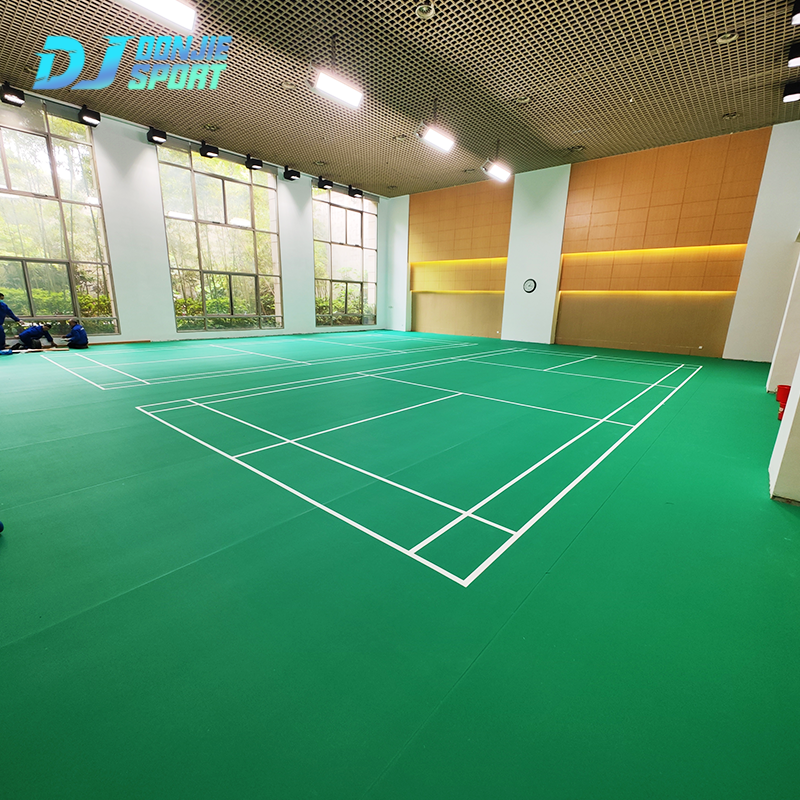
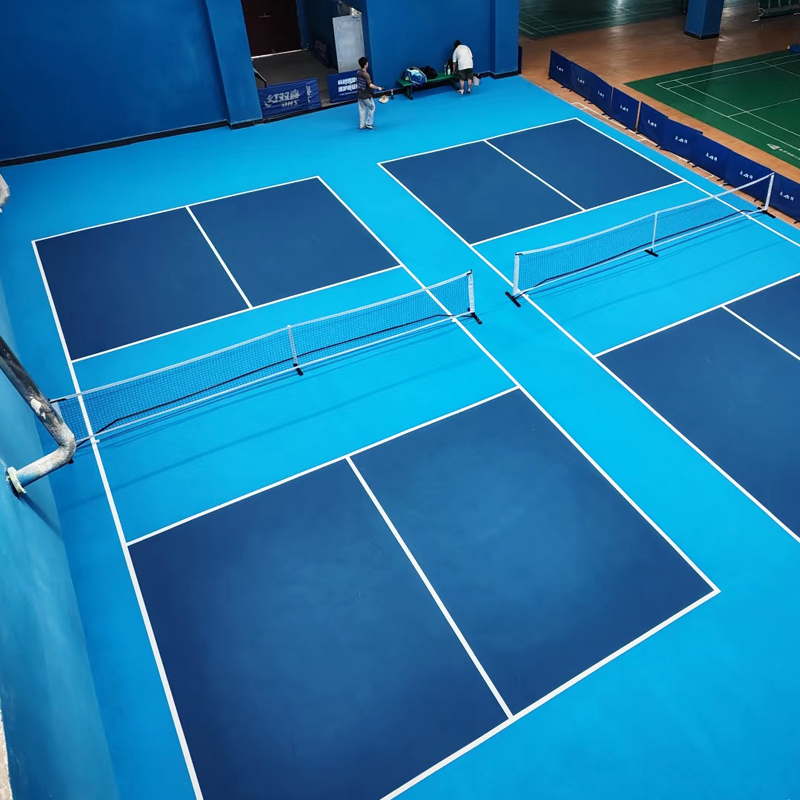
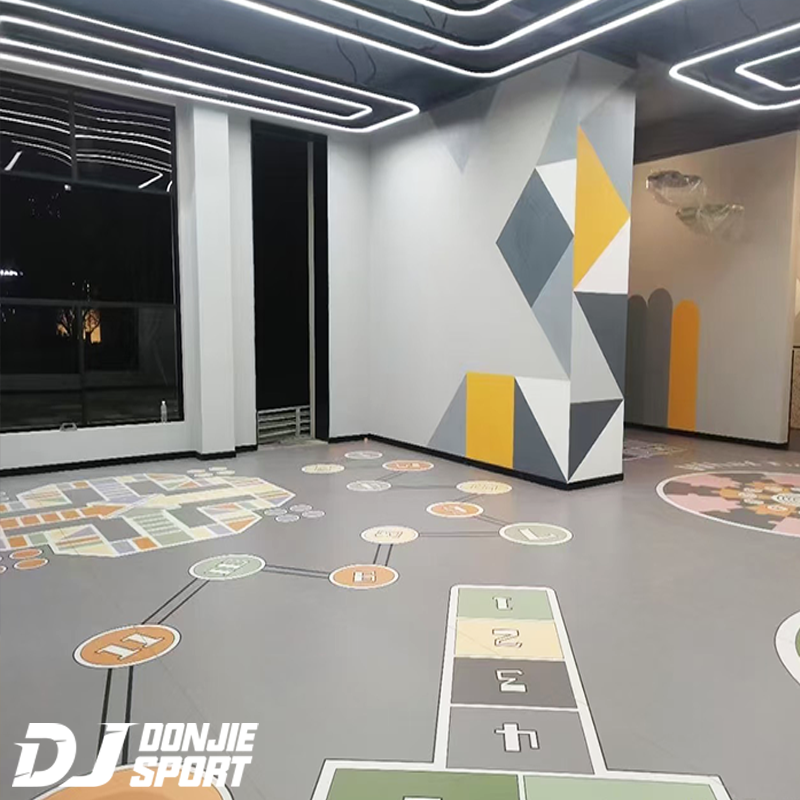
PVC sports flooring is a popular choice for indoor sports halls due to its versatility and affordability. It is widely used for multi-purpose venues, including pickleball courts, thanks to its durability and comfort.
-
Benefits: PVC flooring provides excellent shock absorption and helps reduce the impact on players’ joints. It is also moisture-resistant, making it suitable for sports halls with high humidity or moisture levels.
-
Common Uses: PVC flooring is commonly used for sports like pickleball, badminton, and volleyball. Its smooth surface is ideal for facilitating quick movement and foot traction.
Rubber Flooring
Rubber flooring offers a level of durability and shock absorption that is highly beneficial for intense sports like pickleball. It’s well-suited for high-traffic environments and sports halls with frequent use.
-
Benefits: Rubber floors excel in cushioning and impact absorption, making them an excellent choice for protecting players’ joints. Additionally, they help reduce noise and provide a comfortable surface for players.
-
Common Uses: Typically found in fitness centers, gyms, and multi-purpose sports halls, rubber flooring works well for activities that require high shock absorption, like pickleball.
Wooden Flooring
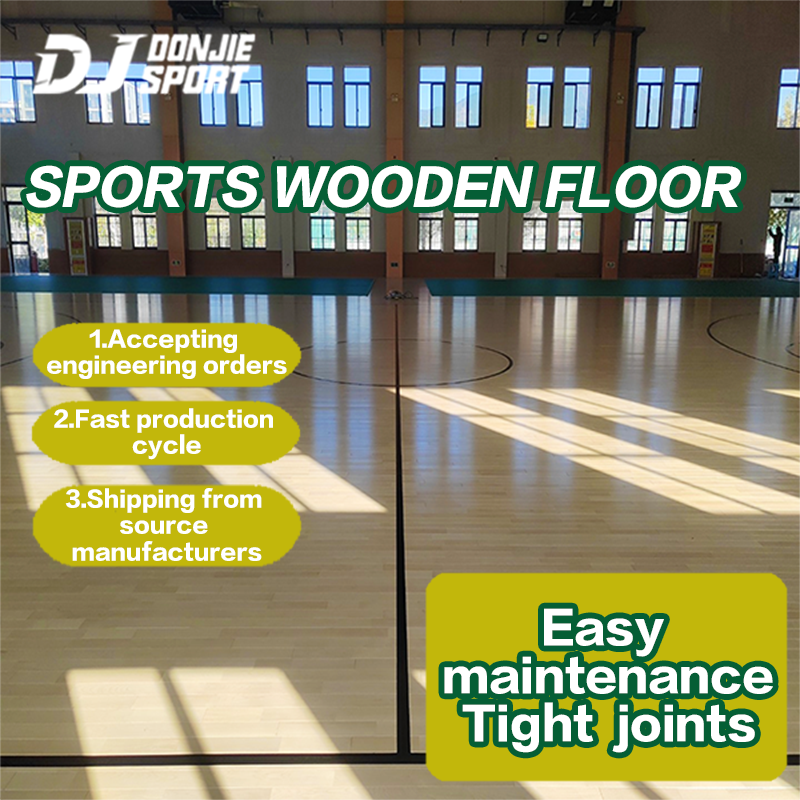
Wooden floors are a traditional choice for sports halls, offering a natural aesthetic and performance characteristics that athletes appreciate.
-
Benefits: Wooden floors provide an excellent ball bounce, which is important for pickleball. They also offer a classic look and feel that many players prefer. The smooth and natural texture of wood provides players with good grip and traction.
-
Common Uses: Wooden flooring is often used in more traditional sports venues such as basketball and badminton courts. Its elegant appearance makes it a favored choice for high-end facilities.
Polyurethane Flooring
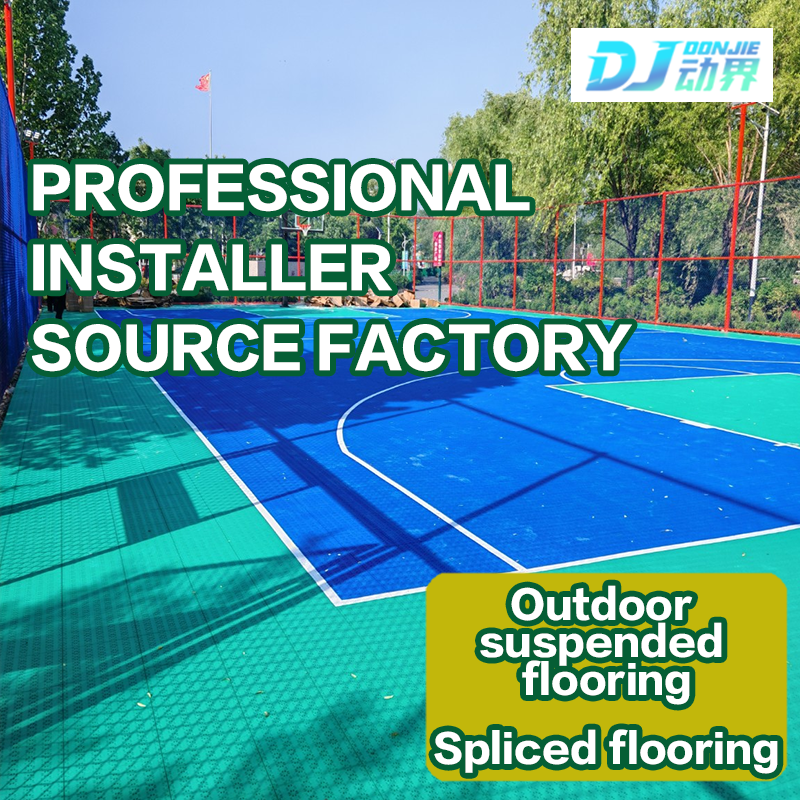
Polyurethane flooring is a more specialized option that provides excellent durability and flexibility.
-
Benefits: Polyurethane floors are highly durable, offering excellent resistance to wear and tear. They are ideal for sports halls that need to withstand heavy use, and their shock-absorbing properties make them suitable for high-impact sports like pickleball.
-
Common Uses: Polyurethane is commonly used in professional sports venues, including multi-purpose halls where various sports like pickleball, basketball, and indoor soccer are played.
Pros and Cons of PVC Flooring
Pros:
-
Affordable and Versatile: PVC flooring is one of the most cost-effective flooring options available. It is versatile and can be used for a wide range of sports, including pickleball.
-
Easy Maintenance: PVC floors are easy to clean and maintain. A simple wipe down is often enough to keep them looking pristine.
-
Comfortable: With excellent shock absorption, PVC flooring reduces the strain on players’ joints, making it a great choice for pickleball, where quick movements and high-impact motions are frequent.
Cons:
-
Limited Lifespan: While PVC floors are durable, they may not last as long as rubber or polyurethane options, especially in high-traffic areas.
-
Slippery When Wet: PVC can become slippery if moisture accumulates on the surface. This could pose a safety risk, particularly for fast-paced sports like pickleball.
Pros and Cons of Rubber Flooring
Pros:
-
Excellent Shock Absorption: Rubber flooring provides superior cushioning, which protects athletes’ joints, especially during high-impact activities such as pickleball.
-
Noise Reduction: The dense material helps reduce noise, which is particularly beneficial in multi-purpose sports halls where different activities take place simultaneously.
-
Durability: Rubber flooring is extremely durable and can withstand the wear and tear associated with frequent use.
Cons:
-
Harder Surface: Some players may find rubber floors too firm for certain sports. While they are excellent for shock absorption, they might not provide the same level of comfort as PVC or wood.
-
Difficult Repairs: Once damaged, rubber flooring can be challenging to repair. Patches may not blend seamlessly with the rest of the floor, affecting both aesthetics and performance.
Pros and Cons of Wooden Flooring
Pros:
-
Aesthetic Appeal: Wooden flooring is often seen as the gold standard in sports flooring due to its natural beauty. It creates a welcoming, traditional atmosphere in sports halls.
-
Ball Bounce: The natural resilience of wood provides an excellent ball bounce, making it a preferred choice for pickleball, where precision and speed are key.
-
Classic Appeal: Wooden floors are often associated with premium sports venues and are highly regarded by athletes for their authentic feel.
Cons:
-
High Maintenance: Wooden floors require more upkeep compared to other materials. They need regular polishing and are more susceptible to scratches, scuffs, and moisture damage.
-
Cost: High-quality wood flooring is often expensive to install, and the cost of maintenance can add up over time.
Pros and Cons of Polyurethane Flooring
Pros:
-
Superior Durability: Polyurethane flooring is highly resistant to wear and tear. It is designed for heavy use, making it a great option for sports halls that host a variety of sports, including pickleball.
-
Shock Absorption: Polyurethane floors are designed to absorb shocks, making them comfortable for players during intense, high-impact games like pickleball.
-
Easy to Maintain: Polyurethane floors are simple to clean and maintain, requiring only occasional sweeping or mopping.
Cons:
-
Higher Upfront Cost: The initial cost of installing polyurethane flooring can be higher compared to PVC or rubber options, which may make it less appealing for budget-conscious facilities.
-
Harder Surface: While polyurethane offers excellent durability, it can sometimes feel harder underfoot, which may not appeal to all athletes, especially during extended play.
Conclusion
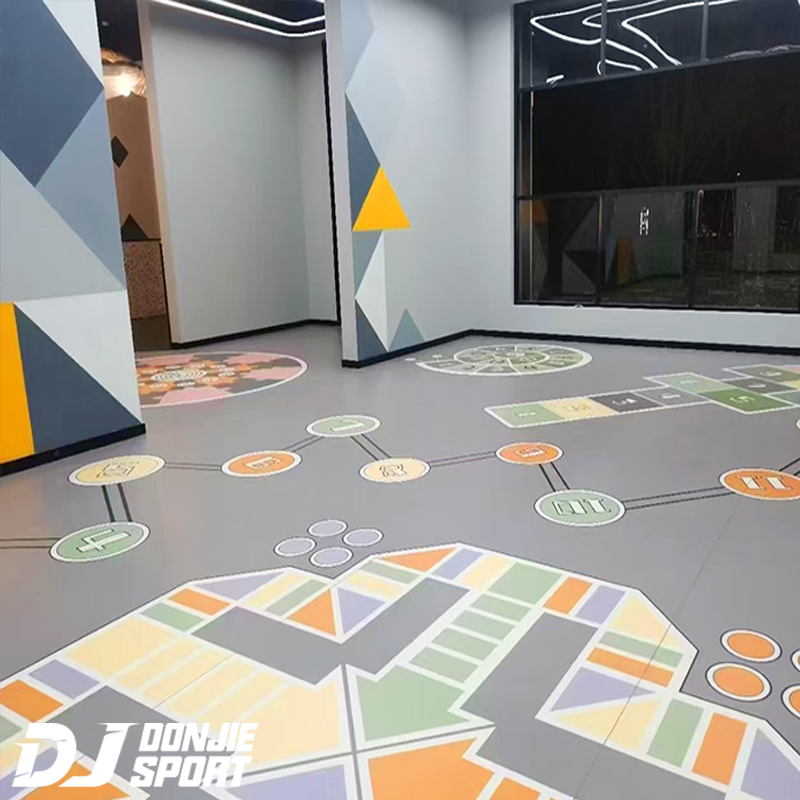
Choosing the right flooring for your sports hall is crucial to ensuring player safety, comfort, and performance. Each type of flooring—PVC, rubber, wooden, and polyurethane—offers distinct advantages and challenges, depending on the sports played and the specific needs of your facility. For pickleball courts, PVC flooring may be an excellent option due to its affordability, comfort, and ease of maintenance, while rubber offers additional durability and joint protection. Wooden flooring, though aesthetically pleasing, may require more maintenance and can be less suitable for high-traffic areas. Polyurethane, while durable and shock-absorbing, comes with a higher initial cost.