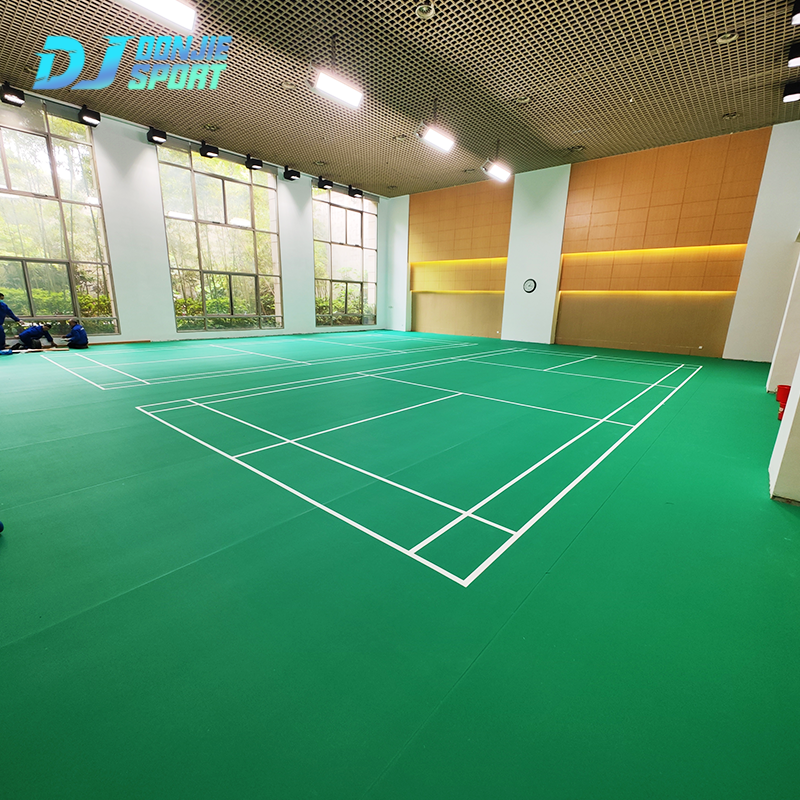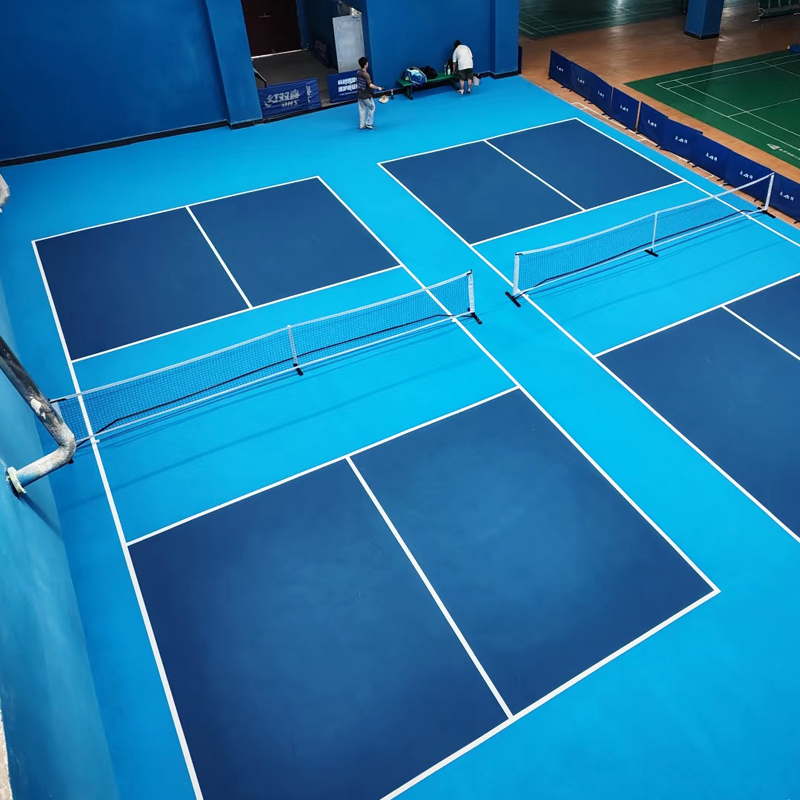
When it comes to outfitting a sports hall with flooring that combines durability, safety, and ease of maintenance, rubber sports hall flooring is often one of the top choices. Whether for gyms, indoor courts, or multi-purpose spaces, this versatile flooring material offers numerous advantages, making it a popular option in fitness and sports venues. However, like any flooring material, it also comes with some challenges that need to be considered. In this guide, we’ll take a closer look at both the pros and cons of rubber sports hall flooring, so you can determine whether it’s the best fit for your facility.
Rubber flooring is especially recognized for its ability to absorb shock and reduce the risk of injuries, which is why it’s commonly used in high-traffic areas where people engage in intense physical activities. The material can withstand the wear and tear of frequent use, providing a long-lasting solution that requires minimal maintenance. However, rubber flooring is not without its drawbacks—higher initial installation costs, limited design options, and potential odor concerns are a few factors to weigh when deciding whether this material is right for your sports hall.
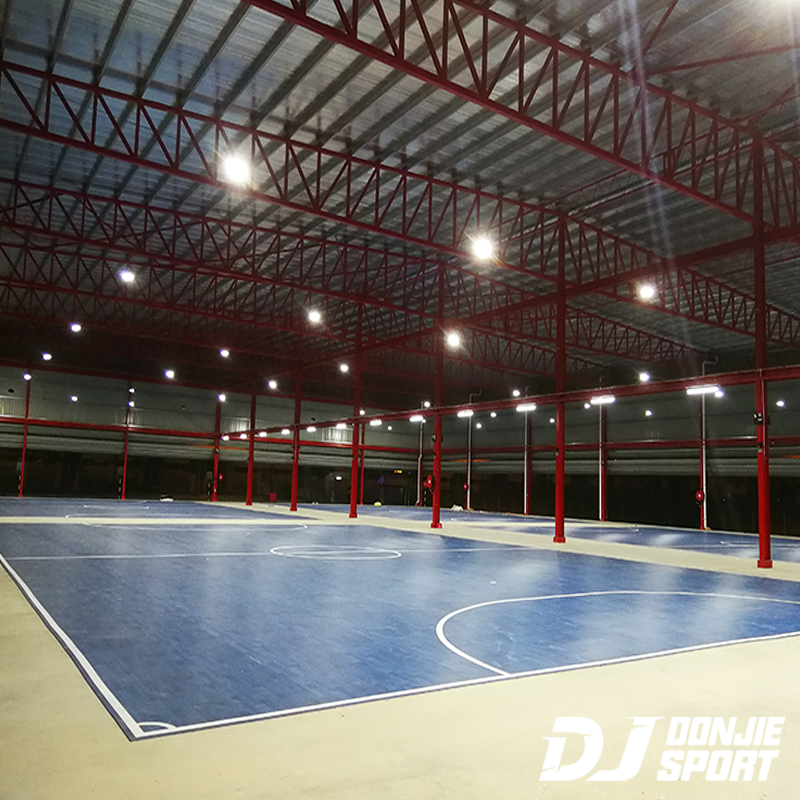
What is Rubber Sports Hall Flooring?
Rubber sports hall flooring refers to a type of floor surface designed specifically for sports and physical activities, made from various rubber materials. The most common types are recycled rubber and virgin rubber, with some facilities opting for a mix of both. Recycled rubber is a more eco-friendly option, often sourced from discarded tires, whereas virgin rubber provides a more uniform, high-quality finish.
Rubber flooring can be manufactured in tiles or rolled sheets, depending on the specific needs of the sports hall. The tiles are often interlocking, making them easy to install, replace, or repair. Rubber flooring is used in a variety of settings, including gymnasiums, fitness centers, and multi-purpose sports courts. Its primary appeal lies in its combination of shock absorption, durability, and safety—qualities that are essential in high-impact sports like basketball, volleyball, and gymnastics.
Pros of Rubber Sports Hall Flooring
Durability and Longevity
One of the most significant advantages of rubber sports hall flooring is its exceptional durability. Rubber can withstand high levels of traffic, making it ideal for sports halls that are frequently used. Unlike wooden floors, which can wear down over time, rubber flooring can last for many years with minimal degradation. This makes it a great long-term investment, especially in facilities that host multiple sports and events.
Additionally, rubber floors are resistant to scratches, stains, and dents. They can handle heavy equipment, furniture, and foot traffic without showing signs of wear. This is crucial in high-impact sports settings where floors must endure constant movement and pressure.
Shock Absorption and Safety
Rubber flooring offers excellent shock absorption, which is essential for reducing the impact on athletes’ joints during high-intensity workouts or sports. The cushioning effect helps to prevent injuries related to sudden movements or falls, such as sprains, fractures, and strains. This is why rubber floors are often chosen for indoor courts, gymnastics areas, and fitness centers.
By providing a soft yet supportive surface, rubber flooring minimizes the risk of injury, particularly during activities that involve jumps or quick direction changes.
Slip Resistance and Traction
Slip resistance is another key benefit of rubber sports hall flooring. In active environments where athletes are running, jumping, or changing direction rapidly, traction becomes crucial. Rubber surfaces naturally offer excellent grip, which helps to prevent slips and falls. This makes them especially suitable for fast-paced sports like basketball, badminton, and indoor soccer.
Rubber floors can also be manufactured with specific textures, such as a patterned or embossed surface, to enhance traction further, providing extra security for athletes.
Easy to Maintain and Clean
Maintaining rubber sports hall flooring is straightforward. It requires minimal care and is easy to clean, making it an excellent choice for busy sports facilities. A simple sweep or mop is usually sufficient to remove dust, dirt, and debris. Rubber flooring is stain-resistant, which means spills—whether from drinks, food, or sweat—can typically be wiped up without leaving any permanent marks.
Additionally, rubber is resistant to dust accumulation, making it a healthier option for indoor sports facilities. This helps to maintain air quality, especially in large gyms or arenas.
Cost-Effective Option
While the initial installation cost of rubber flooring may be higher than some alternatives, the long-term savings make it a cost-effective choice. The durability and low maintenance requirements of rubber flooring mean fewer repairs and replacements, reducing overall costs over time. For facilities that are in operation for extended hours or hosting multiple events daily, the value offered by rubber flooring outweighs the initial expense.
Eco-Friendly Options
In today’s environmentally conscious world, many rubber floors are made from recycled rubber, often sourced from used tires. This makes them an excellent eco-friendly flooring solution, contributing to sustainability efforts. By opting for recycled rubber, sports halls can reduce their carbon footprint while still benefiting from all the advantages of rubber flooring.
Recycled rubber floors also help divert waste from landfills, making them a positive choice for those looking to implement greener solutions in their facilities.
Cons of Rubber Sports Hall Flooring
Initial Installation Costs
While rubber flooring is cost-effective in the long run, the initial installation costs can be relatively high. High-quality rubber, especially virgin rubber, can be more expensive compared to other flooring options like vinyl or wood. The cost can also increase depending on the complexity of the installation and the size of the facility. Custom designs and specialized installations can add to the overall price.
However, considering the durability and low maintenance of rubber, many sports facilities find that the investment pays off over time.
Limited Aesthetic Appeal
One downside of rubber sports hall flooring is its aesthetic limitations. Unlike wood or luxury vinyl, rubber may not offer the same range of visual appeal. While it is available in various colors and finishes, it often has a more utilitarian look, which may not suit certain venues that are looking for a more refined or elegant design. This can be a concern for facilities that also host non-sporting events or those looking to create a particular ambiance.
Odor Concerns
Rubber flooring—especially low-quality versions—may emit an unpleasant rubber odor, particularly when first installed. This odor can be more noticeable in poorly ventilated areas. High-quality rubber floors generally have fewer issues with odors, but this is still something to consider when choosing materials. Ventilation systems or proper airing out of the area can help alleviate this problem.
Weight and Complexity of Installation
Rubber floors are heavy and may require specialized labor for installation, which can increase the overall cost. The weight of rubber tiles or rolls may also make it difficult to handle during installation. If the flooring needs to be cut to fit a specific layout, it can require specialized equipment or skills, further complicating the installation process.
Potential for Surface Damage
Although rubber floors are durable, they can still be prone to surface damage from heavy equipment, sharp objects, or hard impacts. For example, heavy weightlifting equipment, if not used carefully, could potentially leave marks or gouges in the surface. Over time, the rubber may wear down, especially in high-traffic areas.
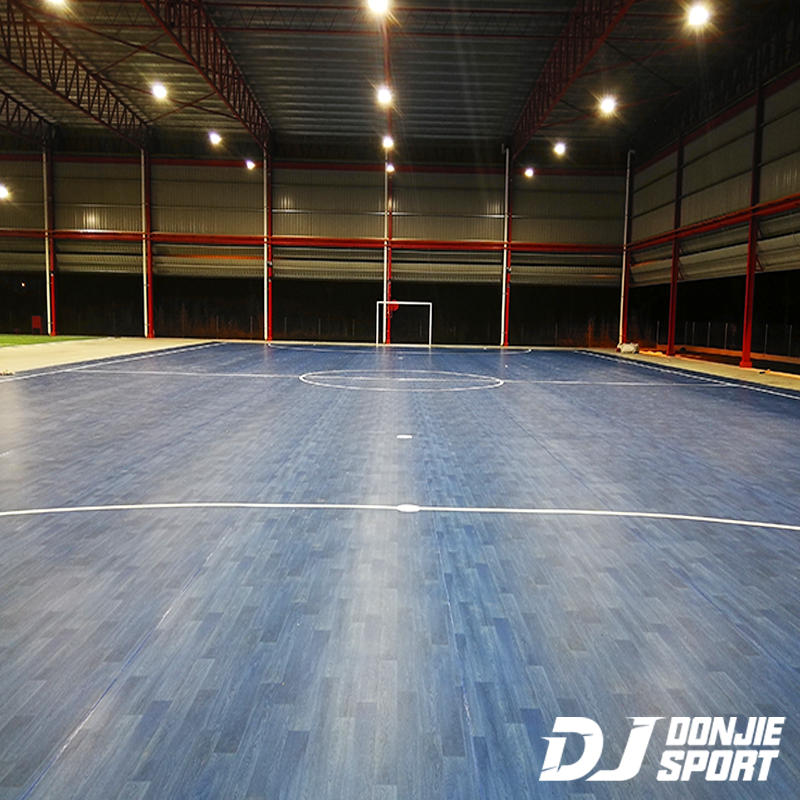
How to Choose the Right Rubber Sports Hall Flooring
When selecting rubber sports hall flooring, several factors should be considered:
-
Budget: Determine if the initial cost aligns with your budget and long-term plans.
-
Foot Traffic: Assess how much traffic the flooring will receive, as high-traffic areas may require a more durable option.
-
Performance Needs: If safety, shock absorption, or traction is a priority, rubber flooring is an excellent choice.
-
Aesthetic Preferences: Consider the visual requirements of the space. If aesthetics are a concern, you may need to compromise on design flexibility.
Conclusion
Rubber sports hall flooring offers a range of benefits, from its durability and safety features to its ease of maintenance and eco-friendly options. While there are some drawbacks, such as higher initial installation costs and limited design choices, the long-term value it provides makes it an attractive option for many sports facilities.
Ultimately, whether or not rubber flooring is the right choice for your sports hall depends on your specific needs. If you prioritize safety, durability, and low-maintenance upkeep, rubber flooring could be the perfect solution for your facility.