When it comes to setting up a volleyball court, the flooring is one of the most critical components for both performance and safety. A high-quality volleyball court floor ensures that players can move swiftly without the risk of injury, while also providing durability to withstand constant wear. Among the various flooring options, modular volleyball court flooring tiles have gained popularity in recent years due to their versatility and ease of installation. This article will explore the pros and cons of using modular volleyball court flooring tiles, offering insights into why they might be a good fit for certain facilities and situations, while also considering potential limitations to help you make an informed decision.
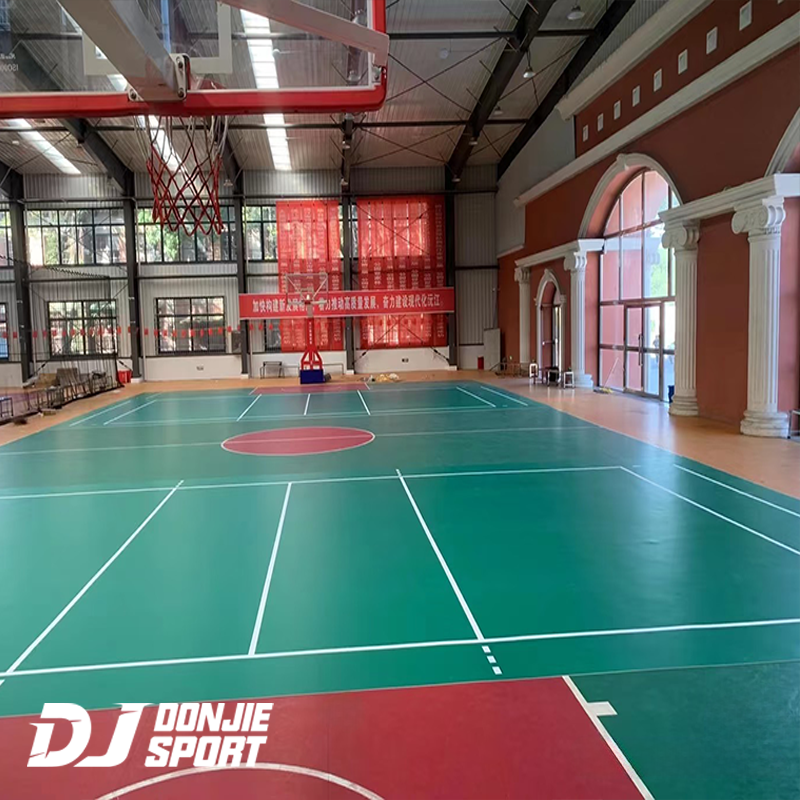
Understanding Modular Volleyball Court Flooring Tiles
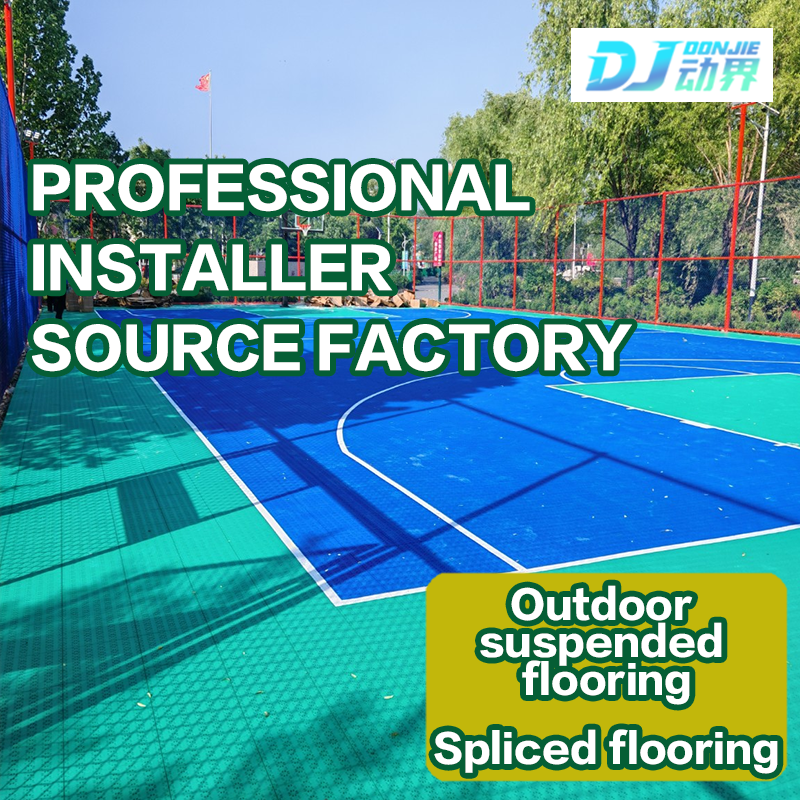
Modular volleyball court flooring tiles are interlocking, portable floor systems that are specifically designed to accommodate the high-impact nature of volleyball. These tiles are made from durable materials like PVC, rubber, or polypropylene, which are engineered to withstand heavy use in sports arenas. The modular system means that each tile is an individual piece, usually square or rectangular in shape, that can easily connect to others, creating a complete court surface. This makes them a popular choice for both permanent and temporary installations, offering flexibility and practicality for a variety of settings.
One of the unique features of modular tiles is their ability to adapt to various court sizes, allowing them to be customized for different venue layouts. Whether it’s a full-size professional volleyball court or a smaller recreational setup, modular flooring provides a tailored solution that can meet specific needs.
Pros of Modular Volleyball Court Flooring Tiles
Easy Installation and Removal
One of the most significant advantages of modular volleyball court flooring tiles is the ease with which they can be installed and removed. Unlike traditional flooring options that require glue, nails, or adhesives, modular tiles simply interlock to form a solid surface. This DIY-friendly installation process can be completed by a small team, which reduces both time and labor costs. If the flooring needs to be taken down, such as for temporary events or when changing court sizes, the tiles can be easily removed and stored for future use.
Portability
Modular volleyball court flooring tiles are also highly portable. Because each tile is lightweight and easy to handle, the flooring can be transported to different locations without difficulty. This makes modular tiles an excellent option for gyms, community centers, and event venues that require a flexible solution for both indoor and outdoor courts. Whether you’re hosting a tournament or setting up a recreational court in a multipurpose space, these tiles can be quickly relocated and reassembled as needed.
Customization and Flexibility
The modular design offers extensive customization options. Users can mix and match tiles in different colors, designs, and patterns to create a visually appealing court. Additionally, the ability to rearrange and replace individual tiles means that the court can be customized for different sports or user preferences. Whether you need a high-contrast color scheme for visibility or a specific texture for better grip, modular flooring gives you the flexibility to tailor the court to your specific needs.
Durability and Longevity
Modular tiles are designed to last for many years, even in high-traffic sports environments. Materials like polypropylene or rubber are known for their toughness and ability to absorb shock, providing a smooth and consistent playing surface. These tiles are resistant to scratches, moisture, and even UV rays, making them durable enough for both indoor and outdoor use. The wear and tear from frequent volleyball games and events won’t easily compromise the integrity of the flooring, ensuring long-term reliability.
Maintenance and Repairs
Maintaining a modular volleyball court is relatively simple. If a tile becomes damaged, it can be easily replaced without needing to replace the entire court surface. This saves both time and money in the long run. Regular cleaning of modular tiles is also easy, as most tiles are designed to be low-maintenance. A quick sweep or mop is often all that’s required to keep the court in top condition.
Cons of Modular Volleyball Court Flooring Tiles
Initial Cost
While modular volleyball court flooring tiles offer long-term benefits, they may come with a higher initial cost than traditional flooring options like hardwood or vinyl. The price per tile can add up quickly, especially for larger courts, making the upfront investment significant. However, the cost can be offset over time by the durability and ease of maintenance that modular tiles provide, particularly in high-usage environments.
Limited Aesthetics
Another downside of modular tiles is their aesthetic limitations. While there are many color and design options available, modular tiles may not provide the same polished, professional look as traditional hardwood or specialized sports flooring. For professional volleyball courts or facilities where appearance is a top priority, this could be a drawback. Some venues may prefer the sleek and uniform finish of permanent flooring over the interlocking design of modular tiles.
Noise and Vibration
Although modular flooring provides shock absorption, some users report that it may generate noise or vibrations during play, especially in large venues with lots of foot traffic. The gaps between tiles can sometimes create an echo effect or contribute to noise reverberation. Additionally, while modular tiles are designed for stability, they might not offer the same level of shock absorption as more permanent options, potentially affecting player comfort during high-intensity games.
Compatibility Issues
Over time, modular tiles may experience some wear and tear that leads to misalignment or issues with tile compatibility. As tiles expand and contract due to temperature changes, they may not fit together as perfectly as they did when initially installed. This issue can be particularly problematic in large courts where consistent alignment is essential. Users may also face challenges if they need to replace tiles from different production batches, as slight variations in size or design may lead to inconsistencies in the court’s surface.
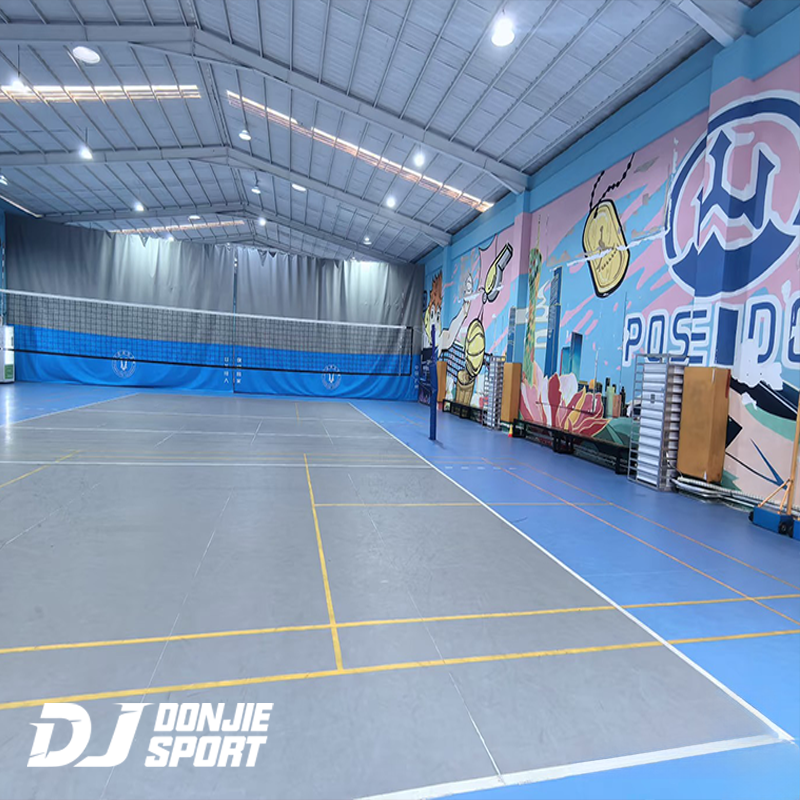
Applications of Modular Volleyball Court Flooring Tiles
Indoor vs Outdoor Usage
Modular volleyball court flooring tiles are highly versatile and can be used in both indoor and outdoor settings. For indoor volleyball courts, the tiles provide a solid surface that ensures good traction and safety during gameplay. Outdoor courts, however, present additional challenges like exposure to moisture and temperature changes. Some modular tiles are specifically designed for outdoor use, with added features to resist UV damage, moisture, and extreme weather conditions, ensuring that the flooring performs well in all environments.
Recreational vs Professional Settings
Modular tiles are ideal for recreational volleyball courts and multi-purpose spaces, offering a cost-effective and adaptable solution for community centers, schools, or recreational clubs. However, for professional-grade venues, more permanent flooring options like hardwood or specialized sports flooring might still be the preferred choice. These traditional floors offer superior performance and aesthetics for top-tier competitions.
Temporary Courts for Tournaments
For temporary courts used in tournaments or events, modular volleyball flooring is a game-changer. Its portability makes it easy to set up and tear down courts as needed, providing a quick solution for sports events hosted in various locations. The ability to assemble and disassemble modular flooring with ease means that organizers can set up multiple courts in a short amount of time, making it ideal for large-scale volleyball tournaments.
Conclusion
In conclusion, modular volleyball court flooring tiles offer numerous benefits, including easy installation, portability, customization, and long-lasting durability. They are an excellent choice for recreational courts, temporary setups, and venues that require a flexible and cost-effective flooring solution. However, they also come with some limitations, such as higher initial costs, aesthetic concerns, and potential compatibility issues over time. For those looking to create a practical and adaptable volleyball court, modular tiles are an appealing option that strikes a balance between performance and convenience.