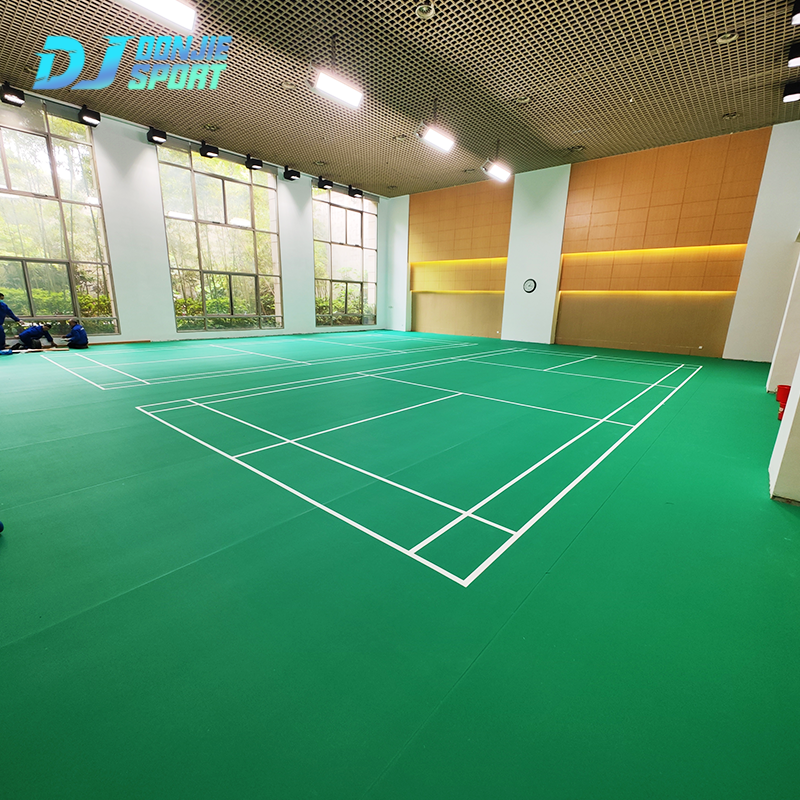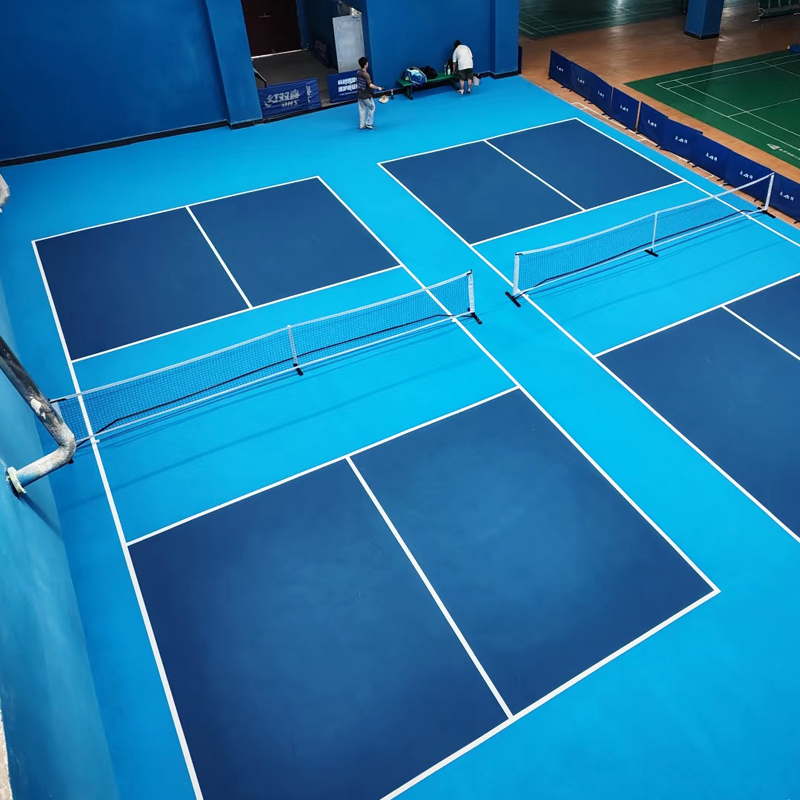
In any sports gym, the flooring serves as the foundation of safety and performance. While many gym-goers focus on equipment and training routines, few realize the critical role that the gym flooring plays in injury prevention. The right flooring can make all the difference, from cushioning impacts to preventing slips and falls. It’s not just about aesthetics; it’s about creating a safe environment that minimizes the risk of injuries for athletes of all levels. This article delves into how different types of sports gym flooring help protect athletes and enhance their performance, ensuring every workout and game is both effective and safe.
Understanding the Risks: How Improper Flooring Leads to Injuries
Injuries in sports and fitness environments are unfortunately common, and many are the direct result of improper flooring choices. While it’s easy to overlook the impact of flooring, it directly affects athletes’ performance and safety. Hard floors that lack shock absorption can put undue stress on joints, leading to overuse injuries, sprains, and strains. Slippery surfaces increase the likelihood of slips and falls, particularly during high-intensity workouts or sports like basketball and volleyball. Additionally, uneven floors may cause imbalance or trip hazards, which can result in falls and ankle injuries.
For instance, an athlete who performs frequent sprints or jumps on hard, unforgiving surfaces might experience joint pain or stress fractures over time. The absence of proper traction can lead to slips, especially in sports that require sudden movements, such as tennis, futsal, or aerobics. These injuries not only hinder performance but may also lead to long-term physical damage, making the importance of appropriate gym flooring even more evident.
Key Flooring Features that Help Prevent Injuries
To protect athletes from these risks, sports gym flooring must incorporate certain features that promote safety and comfort.
-
Shock Absorption: The ability of flooring to absorb impact is essential in reducing the strain placed on joints and muscles. Flooring that offers adequate cushioning helps reduce the risk of stress fractures, joint pain, and other impact-related injuries.
-
Traction and Grip: Floors with the right level of friction are essential to prevent slips and falls during dynamic movements. For high-movement sports like basketball, football, and indoor track, ensuring the surface offers sufficient grip is critical for safety. Too much traction can hinder movement, while too little can result in dangerous slides and falls.
-
Surface Consistency: Even and level surfaces are a must to avoid trip hazards. Floors that have bumps, gaps, or uneven sections can lead to athletes stumbling or twisting an ankle during movement, putting them at risk for injuries.
-
Elasticity and Comfort: Some materials offer elasticity, giving athletes a more comfortable workout surface that reduces muscle fatigue. Gym floors designed with ergonomic properties support long periods of activity without causing excessive strain or discomfort.
-
Non-toxic and Hypoallergenic Materials: A gym environment should also be safe in terms of air quality. Using non-toxic and hypoallergenic materials in gym flooring ensures a healthier space for athletes, minimizing the risk of allergies, skin irritation, or respiratory problems due to chemical exposure.
Types of Sports Gym Flooring for Injury Prevention
When choosing the right flooring for your gym, different types of materials offer specific benefits for injury prevention.
-
Rubber Flooring: Known for its superior shock-absorbing properties, rubber flooring is one of the most common choices for gyms. It helps reduce impact on joints, making it ideal for weightlifting areas, CrossFit spaces, and other high-impact activities. Rubber flooring is also durable, slip-resistant, and relatively easy to maintain.
-
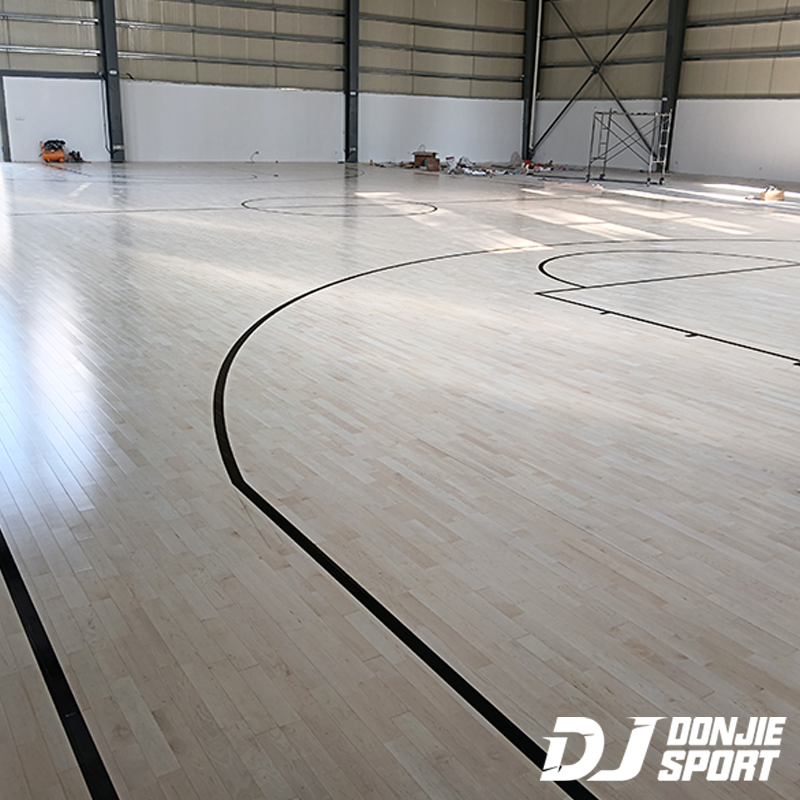
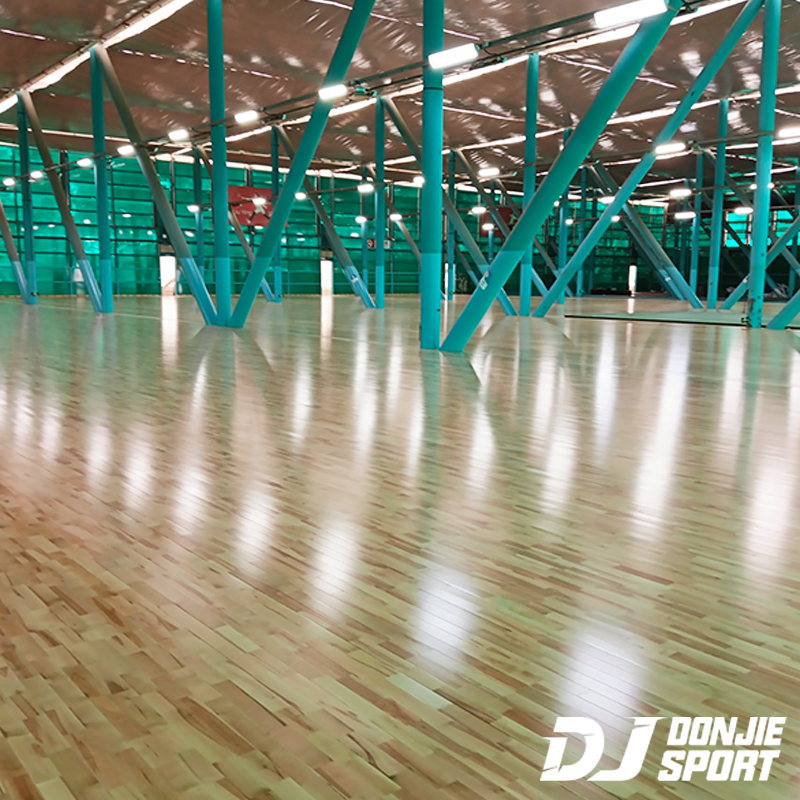
Wood Flooring: Often used in gyms that host basketball, volleyball, and other indoor court sports, wood flooring provides a balanced mix of comfort and resilience. It’s known for its ability to offer a slight give, which is crucial in reducing strain from jumping and landing. Additionally, its smooth surface provides excellent traction and control for fast-paced sports.
-
PVC Flooring: Versatile and cost-effective, PVC flooring is popular for multi-purpose gym spaces. It provides a durable, cushioned surface that’s resistant to wear and tear. PVC flooring is also easy to clean and maintain, making it ideal for gyms with high traffic and various activities. Its slip-resistant nature ensures safety during intense workouts.
-
Foam Flooring: Soft and cushioning, foam flooring is often used in areas dedicated to light exercise, yoga, or stretching. It reduces impact and provides a comfortable surface for floor exercises. While not as durable for high-impact sports, foam is a great option for lighter activities or as a supplementary floor layer.
Choosing the Right Flooring for Your Gym: Considerations for Injury Prevention
Selecting the appropriate flooring for your gym depends on several factors. The type of sports or exercises being performed, the frequency of use, and the level of intensity will all influence the best flooring choice.
For example, a basketball court requires a different type of flooring than a general fitness area or a yoga studio. For high-impact sports, it’s essential to choose flooring that provides adequate shock absorption and traction. On the other hand, for light exercises or yoga, a softer surface that supports comfort and flexibility may be more suitable.
It’s always wise to consult with professionals who can help determine the best flooring for your specific needs. They can assess the type of sports, facility usage, and budget to recommend a flooring solution that maximizes safety without compromising on performance.
Maintenance and Care for Injury-Preventing Flooring
Even the highest-quality flooring can lose its injury-preventing qualities if not properly maintained. Regular cleaning and upkeep are vital to ensuring that the flooring remains safe and durable. For example, rubber flooring may accumulate dirt and debris that can lead to slippage, while wood floors may suffer from wear and tear, reducing their shock-absorbing capacity.
It’s important to regularly inspect the flooring for signs of damage, such as cracks, dents, or surface wear. Worn-out flooring, especially if it’s no longer providing the necessary shock absorption, can increase the risk of injury. It’s equally important to perform routine cleaning, as dirt or moisture can compromise the flooring’s grip, leading to slipping hazards.
Investing in Quality Sports Gym Flooring for Athlete Safety
Ultimately, investing in quality sports gym flooring is an essential step in protecting athletes and preventing injuries. From shock absorption to traction, the right flooring choice can greatly reduce the risk of harm during intense workouts and sports activities. Gym owners, trainers, and facility managers must consider the needs of their athletes and choose a flooring solution that promotes safety, comfort, and performance.
By focusing on durability, traction, and overall comfort, the right flooring ensures that athletes can push their limits safely. Choosing high-quality flooring designed for injury prevention isn’t just an investment in the gym—it’s an investment in the well-being of the people who use it.