When it comes to sports venues, the importance of high-quality flooring often goes unnoticed. However, the type of flooring in a sports hall can have a profound effect on both athlete performance and safety. Whether it’s a basketball court, a volleyball arena, or a multi-purpose gym, the flooring plays a crucial role in enhancing the playing experience. The right sports hall flooring can help athletes perform at their peak, reduce the risk of injuries, and ensure that the court remains in top condition for years to come.
Understanding Sports Hall Flooring
Sports hall flooring is specially designed to meet the needs of various sports while providing comfort and safety for athletes. There are several types of flooring materials commonly used in sports halls, each with its unique advantages and applications. Let’s take a look at the most popular options:
-
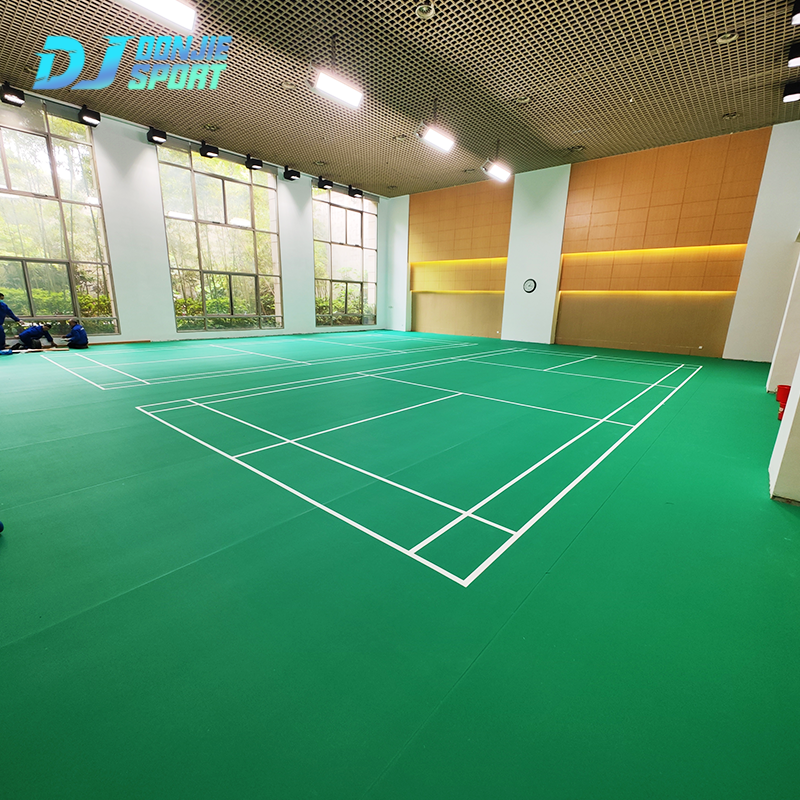
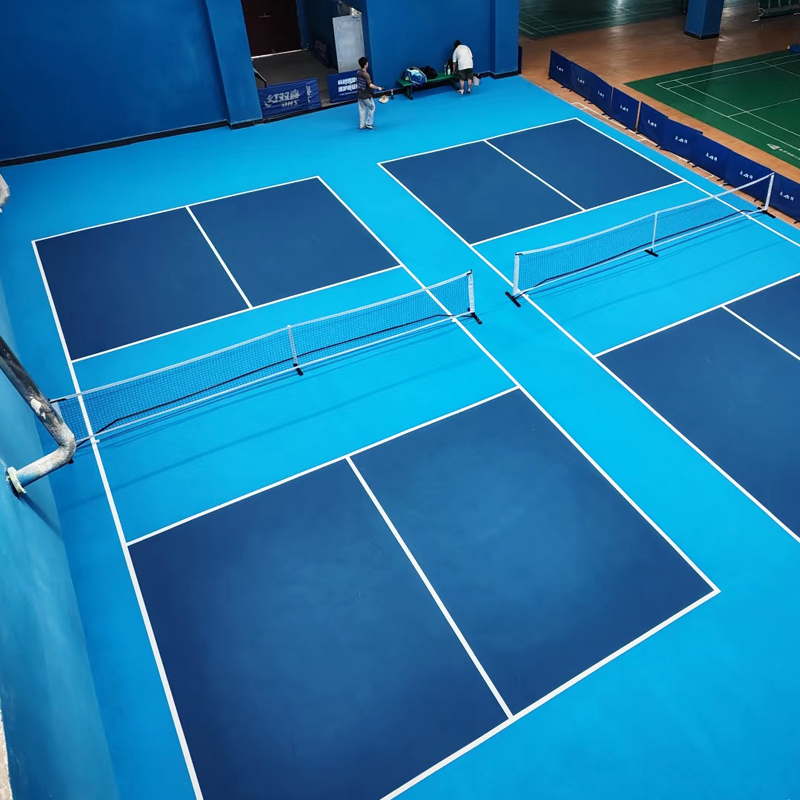
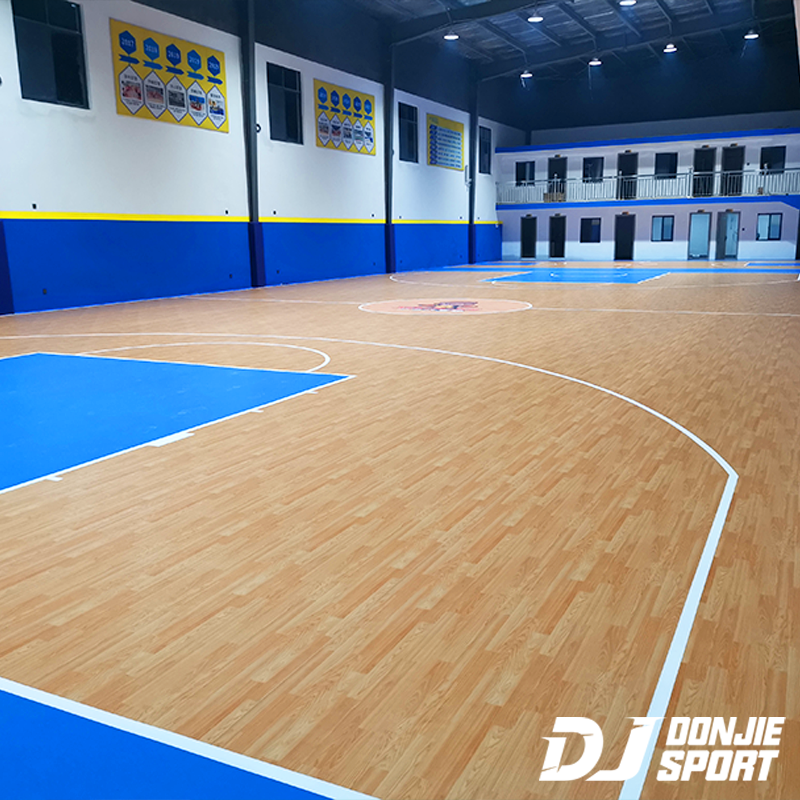
PVC Flooring: Known for its durability and cost-effectiveness, PVC flooring is often used in multi-purpose courts. It provides good shock absorption, helping reduce stress on the joints and providing a smooth surface for fast-paced sports.
-
Rubber Flooring: Rubber is another popular choice, particularly for its superior resilience and ability to reduce vibrations. This type of flooring is ideal for spaces where heavy impact sports, such as basketball or gymnastics, are played.
-
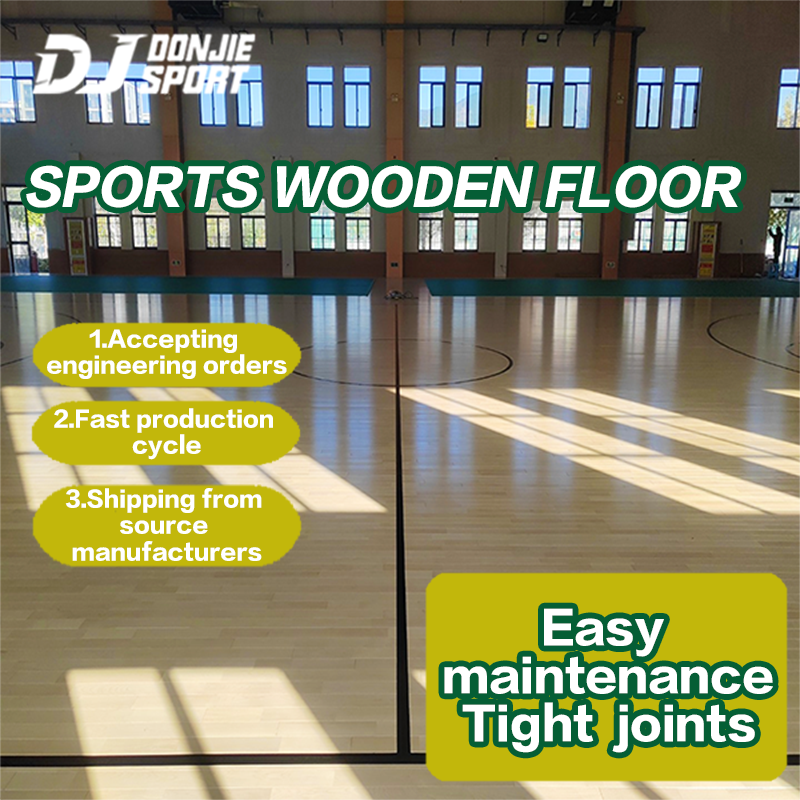
Wooden Flooring: Often found in basketball, volleyball, and indoor tennis courts, wooden flooring is beloved for its classic aesthetic and its excellent traction. It provides a natural feel underfoot and is the preferred choice for professional sports venues.
Each of these materials is designed to enhance the overall experience for athletes, offering them a safe, durable, and performance-optimized surface to play on.
The Impact of Sports Hall Flooring on Athlete Performance
The performance of athletes on a court is directly influenced by the flooring they play on. Various aspects of sports hall flooring—such as grip, cushioning, and ball bounce—are essential for improving court performance:
-
Grip and Traction: The right amount of grip is critical for athletes to maintain control during movements like pivoting, sliding, and jumping. Flooring with too much grip can cause friction, while flooring with too little can lead to slippage. Sports hall flooring designed with optimal traction allows athletes to move confidently and quickly, reducing the likelihood of accidents.
-
Cushioning: Flooring materials with built-in cushioning systems can reduce the shock that athletes experience when landing from jumps or sprints. This cushioning helps prevent fatigue and overuse injuries by absorbing impact and dispersing it evenly across the surface. Athletes are able to perform at higher intensity without the same level of strain on their bodies.
-
Ball Bounce and Control: The quality of flooring also impacts the way the ball interacts with the surface. A smooth, even surface ensures consistent bounce and control, which is particularly important in sports like basketball and volleyball, where precision is key.
Enhancing Safety Through Proper Flooring
Safety is always a priority when it comes to designing sports facilities. The right sports hall flooring not only enhances performance but also plays a critical role in injury prevention:
-
Anti-Slip Features: Sports flooring is engineered to prevent athletes from slipping or losing their balance during high-speed movements. Many sports flooring systems feature anti-slip coatings or textures, which provide excellent grip, even in high-contact sports like basketball and volleyball.
-
Joint and Muscle Protection: Flooring with shock-absorbing capabilities helps reduce the strain on athletes’ joints and muscles. This is especially important in high-impact sports where repeated jumps, sprints, and falls can lead to long-term injuries such as tendonitis or stress fractures.
-
Safety Standards: Top-quality sports hall flooring adheres to strict international safety standards and certifications. These standards ensure that the flooring material is free from defects, and meets specific requirements for performance, durability, and safety.
Flooring and Court Playability: A Key Performance Factor
Every sport has its unique requirements when it comes to flooring, and the right choice of flooring can greatly enhance the playability of the court:
-
Basketball Courts: Wooden sports flooring, specifically maple wood, is often used in basketball courts due to its resilience and ability to absorb impact while offering a consistent bounce for the ball. A high-quality wooden surface allows players to jump, run, and pivot without compromising performance.
-
Volleyball Courts: Volleyball requires a flooring system that offers both cushion and stability, which is why a rubber or synthetic sports flooring is often chosen. These materials provide good shock absorption while still allowing for quick movements and proper traction.
-
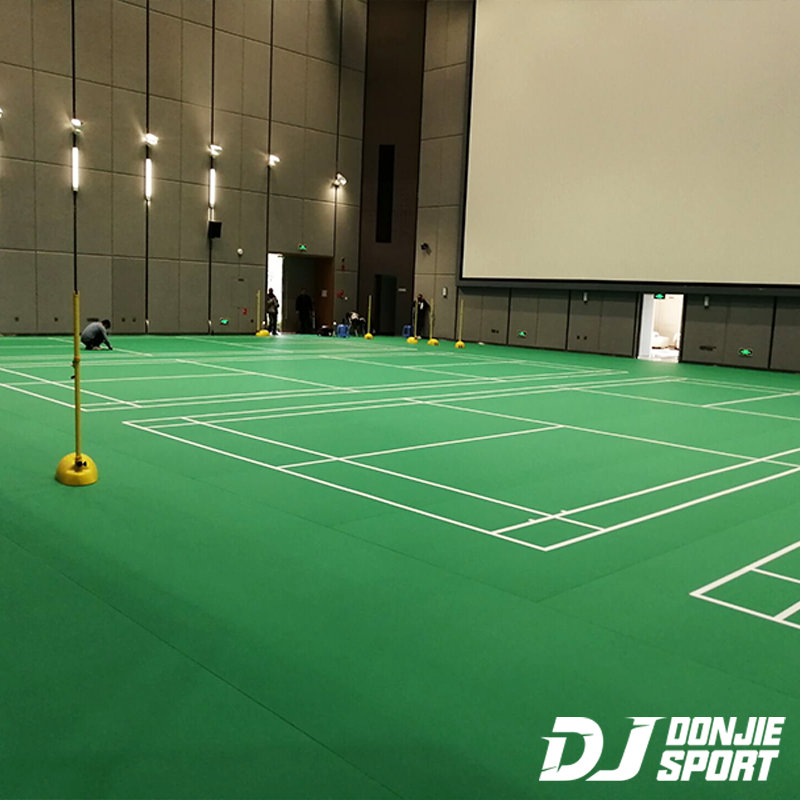
Multi-Purpose Courts: For sports halls that cater to various sports, such as badminton, futsal, or table tennis, a PVC or interlocking rubber flooring is ideal. These materials are versatile, durable, and can support the performance needs of multiple sports.
Each flooring material is carefully selected based on the sport being played and how it affects both performance and safety.
Maintenance and Durability: Long-Term Benefits for Performance
Sports hall flooring needs to withstand heavy usage while maintaining its performance quality over time. Proper maintenance is essential to ensure long-term functionality and durability:
-
Low Maintenance Flooring: PVC and rubber sports flooring are known for being easy to clean and maintain. Regular sweeping, mopping, and occasional deep cleaning are enough to keep these floors in top condition, ensuring that the court remains safe and functional for a long period of time.
-
Durability: Investing in high-quality flooring that is built to last can save you money in the long run. Flooring that can handle high traffic, heavy footfall, and constant wear and tear ensures that the court remains in excellent condition, providing a consistent playing surface for athletes.
-
Wear-Resistant Materials: Advanced sports flooring materials are designed to resist damage from scuffs, scratches, and other physical wear. This enhances the flooring’s durability and ensures that the performance of the court does not degrade over time.
Technological Advancements in Sports Hall Flooring
With advances in flooring materials and design, sports hall flooring has seen significant improvements in both performance and functionality:
-
Smart Flooring Solutions: Some modern flooring systems now feature embedded sensors that track athlete movement, performance metrics, and even surface wear. These systems can help facility managers monitor and maintain the flooring’s condition more efficiently.
-
Innovative Materials: The latest sports flooring materials are designed to offer even better cushioning, durability, and performance. For example, hybrid flooring systems combine the benefits of multiple materials, offering superior shock absorption and strength, while still being environmentally friendly.
Conclusion
In conclusion, sports hall flooring is far more than just an aesthetic choice—it’s a critical element that directly affects athlete performance, safety, and the long-term success of a sports facility. By choosing the right flooring, you can ensure that athletes perform at their best, while reducing the risk of injuries and maintaining the court’s condition for years. Whether you’re designing a new sports venue or refurbishing an existing one, investing in high-quality sports hall flooring is a decision that will pay off in terms of both performance and durability.