When it comes to designing a high-performance athletic facility, one of the most important considerations is the type of flooring. Wood sport floors, renowned for their versatility, aesthetic appeal, and performance benefits, have become a top choice for many gyms, sports halls, and arenas. These floors are not just about appearance—they directly influence the safety, comfort, and performance of athletes.
Wood sport floors provide a unique combination of durability, shock absorption, and a natural surface that enhances player movement. Whether it’s a basketball court, volleyball court, or dance studio, the quality of the floor plays a crucial role in optimizing performance. Understanding the science behind these floors helps facility managers, coaches, and athletes make informed decisions when selecting the right surface for their needs.
The Composition of Wood Sport Floors
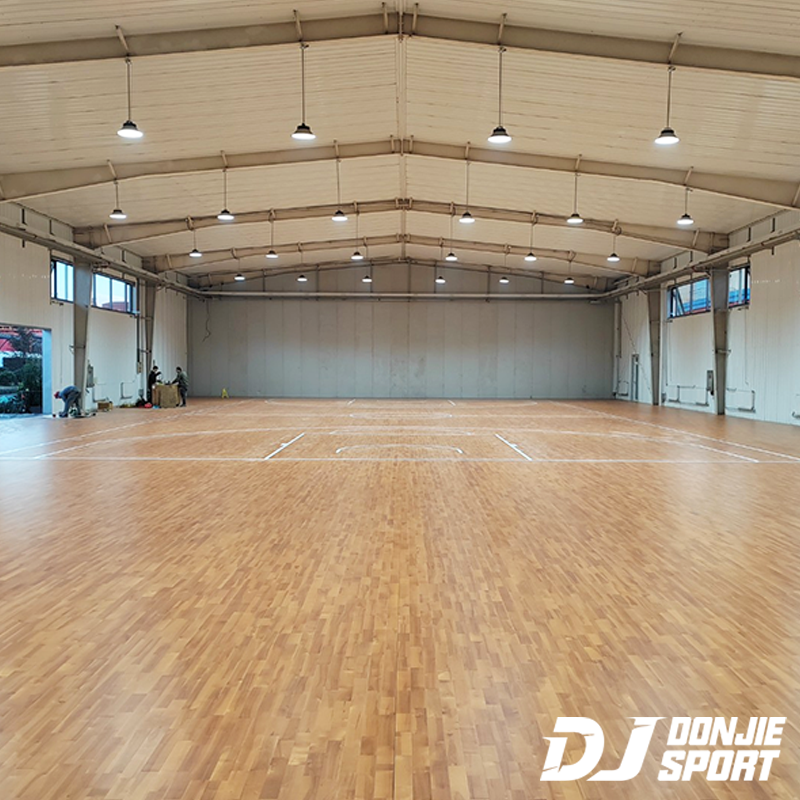
Wood sport floors are engineered with several layers of carefully selected materials to provide a perfect balance of durability, performance, and comfort. Typically, the composition of a wood sport floor includes hardwood planks, engineered wood layers, and shock-absorbing components. Here’s a closer look at the materials that make up these floors and how each contributes to the performance of athletes.
-
Hardwood: The surface layer of wood sport floors is often made from hardwoods like maple, oak, or beech, which are prized for their strength, resilience, and smooth finish. Hardwood provides a firm yet forgiving surface that allows athletes to move quickly and safely.
-
Engineered Wood: Below the hardwood, engineered wood layers add structural stability and support. This helps prevent warping, cracking, or shifting over time, ensuring the floor remains level and consistent, even under heavy use.
-
Shock Absorption Layer: Beneath the wood layers, sport floors typically feature a shock-absorbing layer made of high-density foam or rubber. This layer helps to reduce the impact on joints during intense athletic movements, protecting athletes from the risk of injury caused by repetitive stress.
-
Vapor Barrier: To protect the integrity of the floor, a vapor barrier is often used to prevent moisture from penetrating the wood. This layer helps to maintain the floor’s stability and longevity, even in humid environments.
Each layer in a wood sport floor is carefully crafted to ensure optimal performance, from reducing the risk of injury to enhancing the overall playing experience.
The Science of Shock Absorption and Player Comfort
One of the key factors that set wood sport floors apart from other flooring materials is their ability to absorb shock. During athletic movements like jumping, landing, or pivoting, the body experiences significant impact forces that can strain the joints, especially over time.
Wood sport floors are designed to minimize these forces by providing a cushioned, responsive surface. The shock absorption layer, typically made of foam or rubber, works in tandem with the wood surface to absorb impact and reduce the pressure on the body. This not only helps to reduce the risk of joint injuries but also enhances player comfort, making these floors ideal for high-intensity sports and activities.
When compared to harder surfaces like concrete or synthetic flooring, wood floors are much more forgiving. This is why wood sport floors are often used in sports like basketball, volleyball, and gymnastics, where repetitive jumping and quick directional changes are common.
Stability and Traction: Key Factors in Performance
The stability and traction of a sports floor are crucial to ensuring optimal performance. A floor that is too slippery or too sticky can hinder an athlete’s movement, leading to performance issues or even injury.
Wood sport floors are carefully treated to provide the right amount of friction. The natural texture of hardwood offers excellent traction, allowing athletes to pivot, sprint, and change direction with confidence. The finish of the wood also plays a role in providing the perfect balance between grip and slide. Typically, a smooth, satin finish is applied to the floor to reduce friction without making it too slippery, which can result in falls.
The traction provided by wood floors is especially important in fast-paced sports like basketball or badminton, where quick cuts and changes of direction are frequent. A stable surface allows athletes to maintain their speed and agility, resulting in improved overall performance.
The Impact of Wood Sport Floors on Player Speed and Agility
In sports, speed and agility are essential. A player’s ability to change direction quickly or accelerate without losing control can be the difference between winning and losing. Wood sport floors contribute significantly to these aspects of performance by providing a smooth, stable surface that facilitates quick movement.
The flexibility and rigidity of wood floors are carefully balanced to provide the right level of responsiveness. While they remain firm enough to support heavy impacts, they also give slightly under pressure, providing a springy effect that enhances player acceleration and deceleration. This responsiveness allows athletes to move more efficiently, making it easier to maintain speed and agility during competitive play.
Studies have shown that athletes perform better on wood floors compared to other surfaces, such as synthetic materials or concrete. The smoothness and consistency of wood surfaces allow players to push off with greater power, resulting in faster sprints and quicker changes in direction.
Durability and Maintenance: Ensuring Long-Term Performance
Wood sport floors are known for their long-lasting durability when properly maintained. Unlike synthetic flooring, which can wear out or become damaged more quickly, wood floors retain their performance qualities over time with the right care.
Regular maintenance is essential to ensure that the floor remains in optimal condition. Cleaning and polishing the surface removes dirt and debris, which can cause the floor to lose its grip. Additionally, refinishing the floor periodically ensures the wood stays smooth and even, while maintaining its shock-absorbing qualities.
Wood floors are also more resistant to damage from heavy impacts than many people realize. While they may show some wear over time, they are designed to withstand the constant activity of athletes, making them a wise investment for sports facilities.

Environmental and Aesthetic Benefits of Wood Sport Floors
In addition to their functional benefits, wood sport floors offer significant environmental and aesthetic advantages. Wood is a renewable resource, and when sourced from sustainable forests, it can help reduce the environmental impact of flooring materials. Many manufacturers use wood certified by environmental organizations like the Forest Stewardship Council (FSC), ensuring that the wood comes from responsibly managed forests.
Aesthetically, wood floors create a warm, welcoming atmosphere in any sports facility. The natural grain and color of wood lend an elegant and timeless look to the space, enhancing the overall experience for players and spectators alike. The visual appeal of wood also contributes to a positive psychological effect, as studies show that playing on natural surfaces can improve an athlete’s mood and performance.
Why Wood Sport Floors Are an Investment in Athlete Performance
Wood sport floors provide a combination of benefits that enhance athletic performance, from shock absorption and traction to durability and aesthetics. These floors are carefully engineered to meet the demands of high-intensity sports, offering a stable and responsive surface that maximizes player comfort and reduces the risk of injury.
As the demand for high-performance sports facilities continues to grow, wood sport floors remain a top choice for those looking to optimize both the safety and performance of athletes. Whether you’re outfitting a new gym or renovating an existing facility, investing in high-quality wood sport floors will help ensure that players perform at their best, while also adding lasting value to your facility.