In the world of indoor sports, every movement, jump, and landing depends on the flooring beneath the athlete. The right surface doesn’t just support performance—it protects players from injury and enhances the overall experience. Among the many options available, PVC sports flooring stands out as a proven, high-performance solution for modern sports facilities. But what exactly makes it so reliable? The answer lies in the science behind its material design, engineering, and manufacturing process.
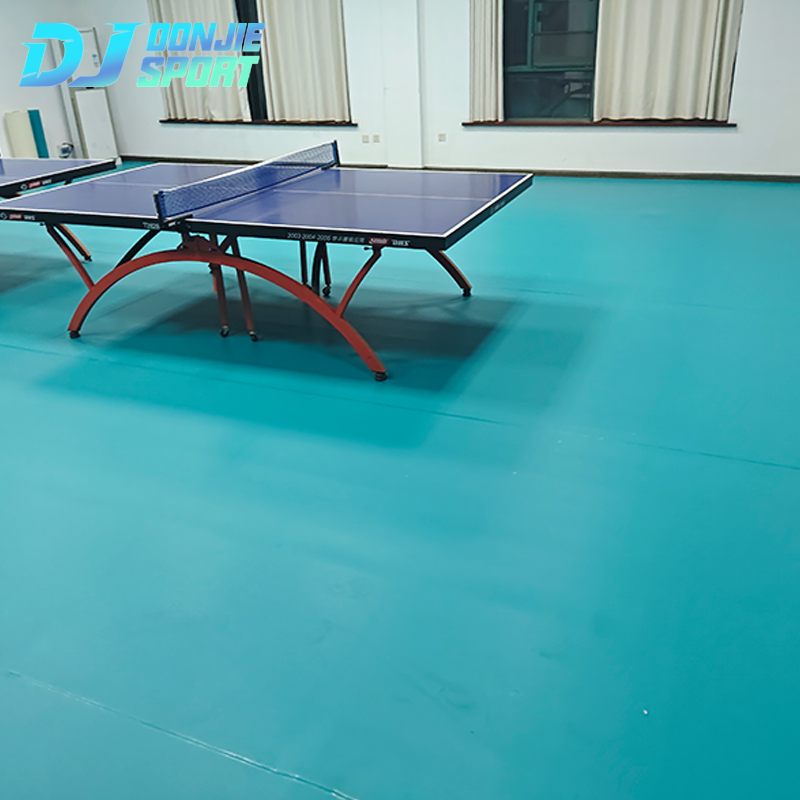
Understanding PVC Sports Flooring Composition
At its core, PVC sports flooring is a multi-layered system designed for performance and longevity. Each layer plays a distinct role in ensuring safety and comfort.
-
The top wear layer provides surface durability, protecting against scratches and friction.
-
Beneath it, the fiberglass reinforcement layer prevents deformation and ensures dimensional stability.
-
The cushion foam backing delivers elasticity and shock absorption, minimizing stress on athletes’ joints.
Together, these layers form a resilient and balanced surface capable of supporting various indoor sports such as basketball, badminton, and pickleball.
The Engineering Principles Behind PVC Sports Flooring
The science of sports flooring revolves around physics—absorbing impact while providing stability. PVC sports flooring is engineered to deliver both.
Its elastic surface reduces injury risks by cushioning landings, while the micro-textured finish provides the right amount of friction to prevent slips without hindering movement. The reinforced core resists expansion and contraction caused by temperature changes, keeping the surface flat and reliable even after years of use.
This balance between flexibility and rigidity is what makes PVC sports flooring ideal for multipurpose indoor facilities and professional sports halls.
Material Science: Why PVC Outperforms Other Flooring Materials
Unlike wood or rubber surfaces, PVC sports flooring offers superior consistency and resilience. The polyvinyl chloride compound is naturally resistant to water and temperature fluctuations, which prevents warping and surface cracking. Its closed-cell foam backing maintains shock absorption over time, even under constant foot traffic.
From a molecular standpoint, PVC’s polymer structure allows it to withstand high compression loads, making it perfect for sports venues that demand durability without sacrificing comfort.
Acoustic and Thermal Properties of PVC Sports Flooring
Beyond its mechanical strength, PVC sports flooring contributes to a better indoor environment. Its layered construction helps absorb sound, reducing noise in large gyms or multi-sport halls. Meanwhile, its thermal properties help maintain a comfortable surface temperature—especially beneficial in indoor basketball courts or dance studios where barefoot movement is common. These qualities make PVC not just an athletic surface but also an architectural solution for comfort and acoustics.
Precision Manufacturing: From Raw PVC to Sports-Grade Rolls
The reliability of PVC sports flooring begins in the factory. Advanced calendaring and lamination processes ensure uniform thickness and density, while embossing technology creates precise surface textures for enhanced grip. Each roll undergoes strict testing for elasticity, abrasion resistance, and deformation control.
Moreover, many manufacturers adopt eco-friendly techniques, reusing production waste and incorporating recyclable PVC to meet global sustainability standards.
Applications: Where PVC Sports Flooring Performs Best
PVC sports flooring adapts seamlessly to various indoor environments.
-
Basketball and volleyball courts benefit from its consistent ball bounce and stable footing.
-
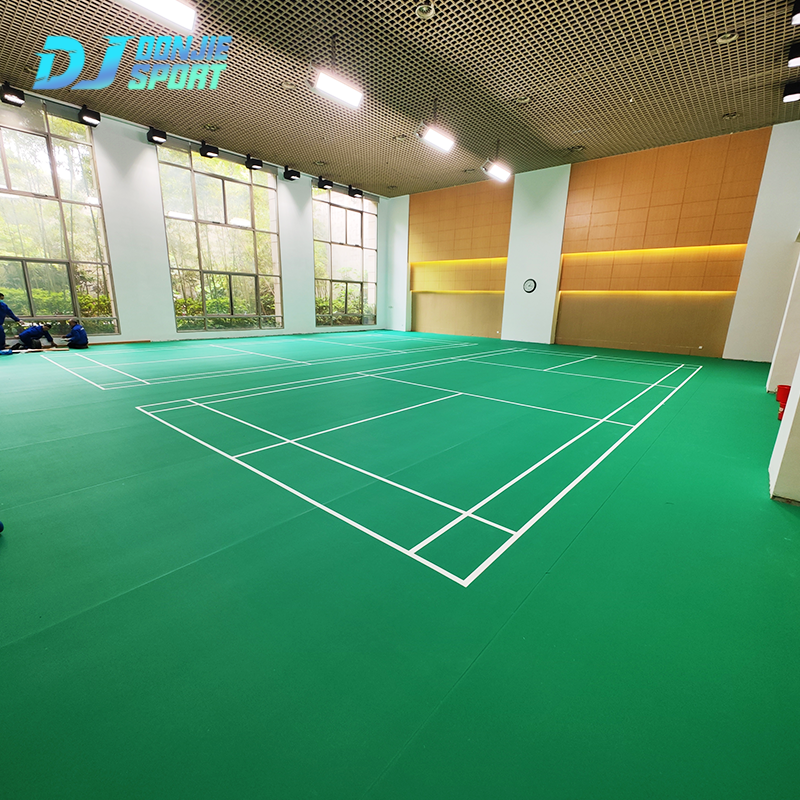
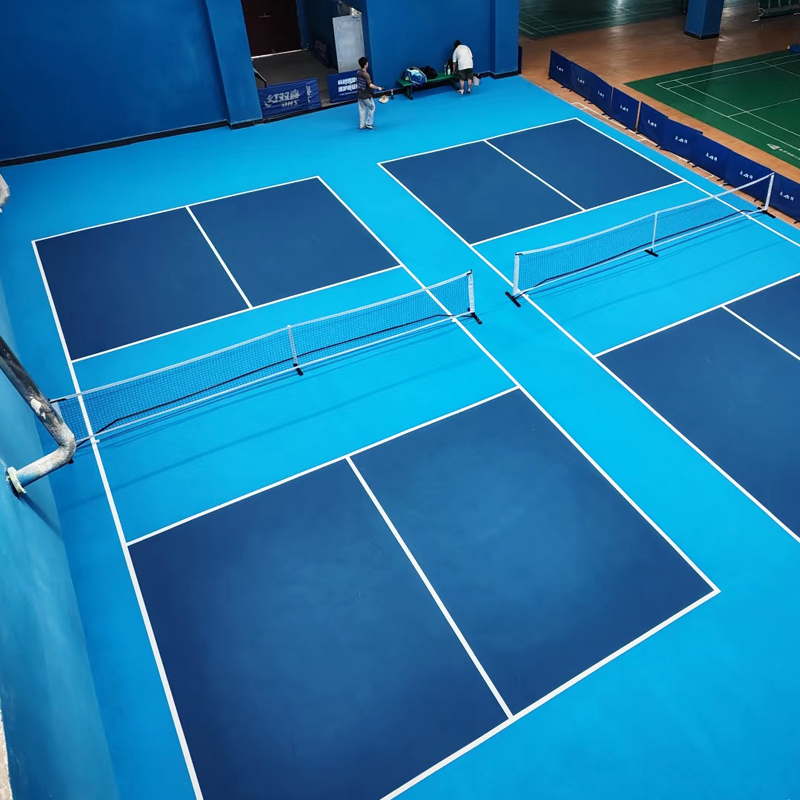
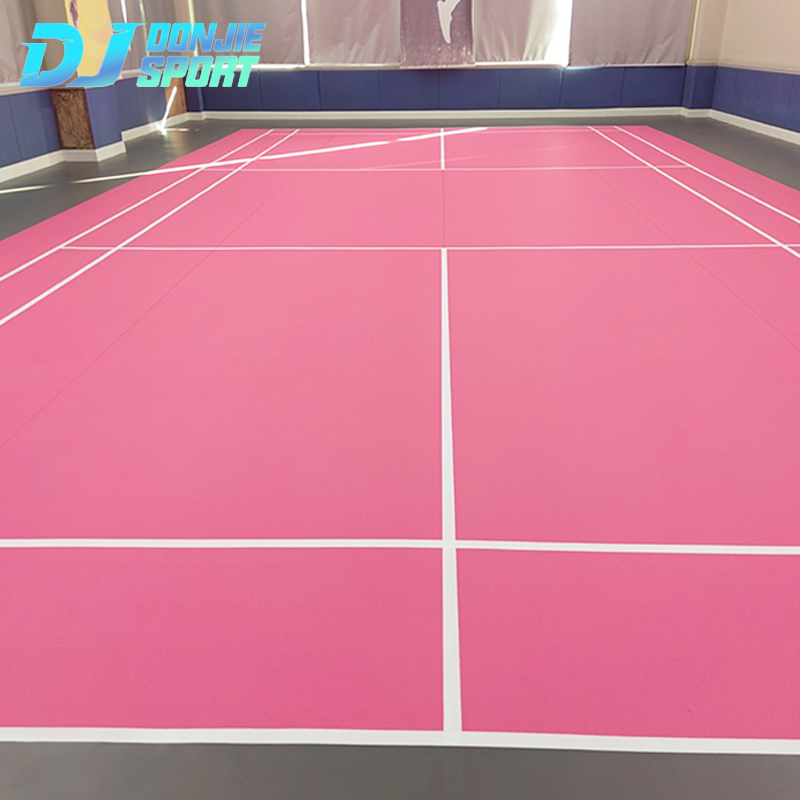
Badminton and pickleball facilities appreciate its precise traction and light cushioning for quick movements.
-
Dance and aerobics studios favor its smooth surface and excellent shock absorption that minimizes fatigue.
Its versatility also extends to school sports halls and training centers, where safety and long-term value are essential.
Long-Term Reliability and Maintenance Science
Reliability is not only built into the structure but also maintained over time. The UV-resistant wear layer protects against fading and surface damage. Regular cleaning with neutral detergents preserves its appearance without harming the coating. Because PVC is non-porous, it resists moisture and bacteria buildup—making it a hygienic choice for indoor athletic spaces. With minimal maintenance, PVC sports flooring can perform consistently for more than a decade.
The Future of PVC Sports Flooring Technology
As innovation continues, PVC sports flooring is evolving with new technologies.
Manufacturers are developing anti-bacterial and anti-static coatings, ensuring cleaner and safer environments. Some are exploring smart flooring systems capable of tracking athlete performance through embedded sensors. In addition, green manufacturing and recycled PVC materials are setting new standards for sustainable sports flooring solutions.
Conclusion
From its engineered multi-layer design to its precise manufacturing process, every element of PVC sports flooring is built on scientific principles. It delivers a reliable, safe, and high-performance surface for athletes of all levels. Whether it’s used in an indoor basketball court, a multi-purpose gym, or a professional training hall, PVC sports flooring continues to prove that true performance begins beneath your feet.