Ballet is a precise and demanding art form that requires not only skill and strength but also the right environment. One of the most important elements in creating a safe and comfortable studio is the ballet flooring. The quality of your ballet floor can significantly impact both the dancer’s performance and safety. It’s essential to choose flooring that provides the proper balance between shock absorption, grip, and comfort, while also being durable enough to withstand years of rigorous use. This article will guide you through everything you need to know to select the best ballet flooring for your studio.
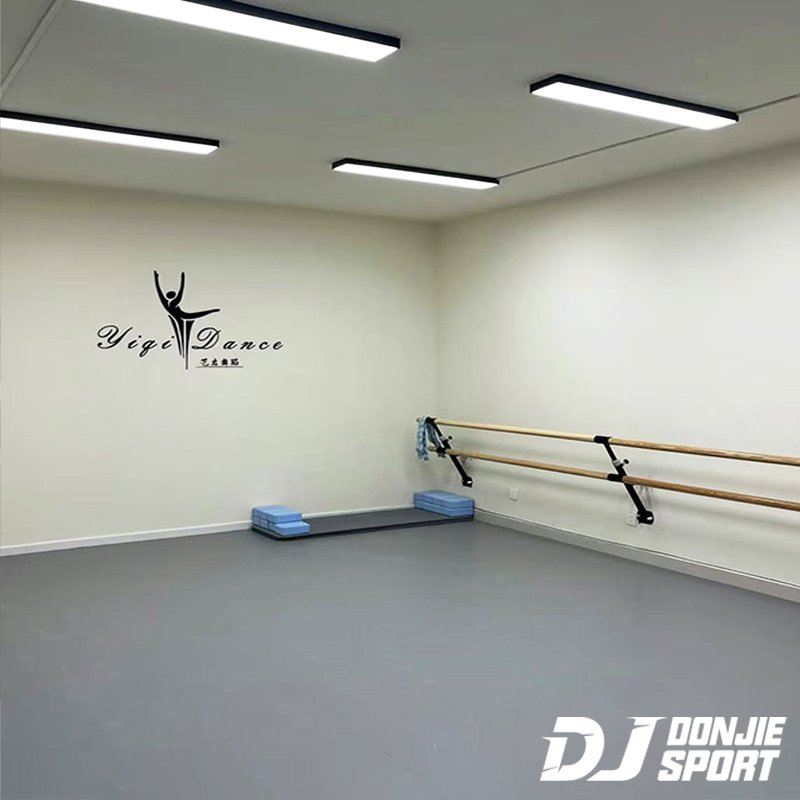
Choosing the Right Material for Ballet Flooring
When it comes to ballet flooring, material choice is paramount. Two of the most popular materials for dance floors are wood and vinyl, each offering distinct benefits.
-
Wood vs. Vinyl:
-
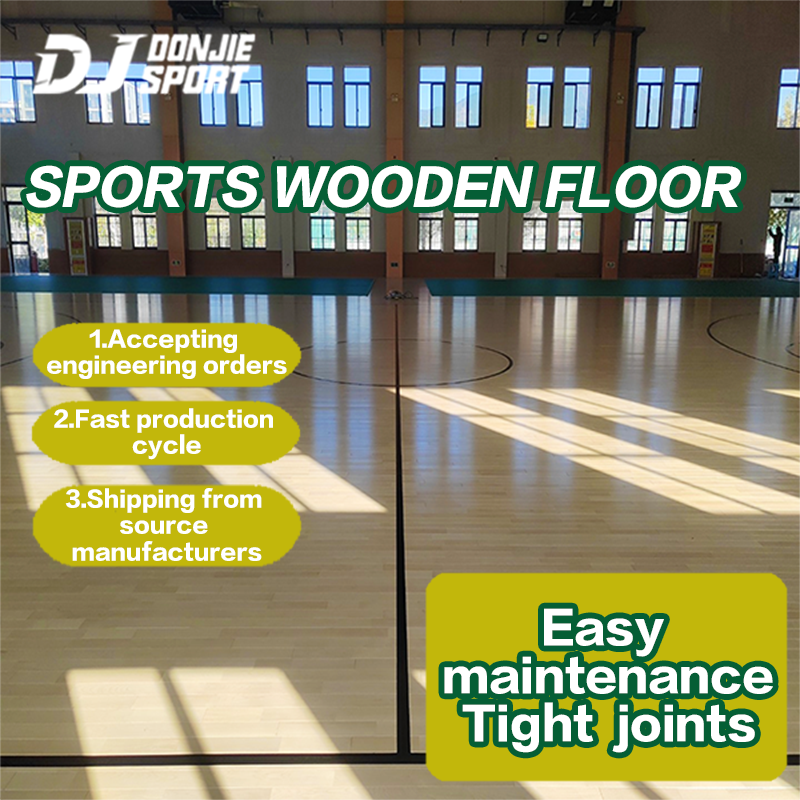
Wooden floors are often the go-to for traditional studios. They offer a natural look and feel that many dancers prefer, as well as excellent sound quality for their performances. However, wood floors can be more susceptible to damage and require regular maintenance.
-
Vinyl flooring, on the other hand, is more affordable and often comes with a sprung backing, providing enhanced shock absorption. It is easier to maintain and more resistant to wear and tear, making it a good option for high-traffic studios.
-
-
Advantages of Sprung Floors:
-
Sprung floors are designed to absorb shock and reduce the impact on joints, which is crucial for ballet dancers who frequently perform jumps and rapid movements. These floors consist of a layer of foam or padding under the surface, allowing for shock absorption that mimics the feel of dancing on a softer surface while still offering the support needed for technique.
-
-
Durability and Longevity:
-
The material you choose for your ballet flooring should also be durable enough to stand up to the demands of constant use. Whether you choose wood or vinyl, look for floors that are engineered to handle years of foot traffic without losing their integrity. High-quality materials will ensure your investment lasts longer and minimizes the need for costly replacements.
-
The Importance of Shock Absorption in Ballet Flooring
-
What is Shock Absorption?
-
Shock absorption refers to the ability of the flooring to absorb the impact of a dancer’s movements, which helps to reduce stress on the joints and muscles. Ballet, with its high-impact leaps and jumps, puts significant strain on a dancer’s body. Without proper shock absorption, dancers are at risk of suffering from injuries, including stress fractures, shin splints, and joint problems.
-
-
How Shock-Absorbing Floors Enhance Performance:
-
When a dancer performs on a floor that absorbs impact, they experience less strain on their legs and feet. This not only helps reduce fatigue but also allows for better control during complex movements, leading to a more graceful and precise performance.
-
-
Best Flooring Options for Shock Absorption:
-
Sprung floors and vinyl floors with built-in cushioning layers are some of the best choices when it comes to shock absorption. These floors are engineered to protect dancers and enhance their ability to perform with precision, while simultaneously reducing the risk of injury.
-
Surface Texture and Grip for Ballet Flooring
-
Grip vs. Slide:
-
The texture of ballet flooring plays a crucial role in both safety and performance. A floor that is too slippery can cause a dancer to lose their footing, while a surface that provides too much grip can restrict movement. It’s all about finding the perfect balance.
-
-
How Flooring Texture Affects Ballet Technique:
-
A floor with the right amount of friction helps dancers execute precise turns and pirouettes while still allowing for smooth gliding during jumps and leaps. Too much grip can hinder movement, while too little can lead to slips and falls. Ideally, the texture should allow the dancer to feel secure without compromising the fluidity of their technique.
-
-
Choosing Flooring with Optimal Grip:
-
Vinyl floors often provide an excellent balance of grip and slide, and many high-quality options are specifically designed for ballet. It’s important to choose a flooring option that has been tested for its slip resistance, especially in spaces where dancers will sweat during practice.
-
Maintenance of Ballet Flooring for Safety and Comfort
To ensure that your ballet flooring remains safe and comfortable over time, regular maintenance is essential. Proper care not only keeps your studio looking professional but also extends the life of your flooring.
-
Regular Cleaning and Care:
-
Dust and dirt can build up on the surface, making it slippery and dangerous. Regular cleaning with a mild, non-abrasive cleaner is key. For wooden floors, you may need to polish or re-varnish the surface to maintain its smoothness and finish.
-
-
Refinishing and Repairs:
-
Even the most durable floors can suffer from wear and tear. Regular refinishing or repairs will help you maintain the quality of the floor. Wood floors may need refinishing every few years, while vinyl floors may require patching up in areas of heavy use.
-
-
How to Maintain Consistent Performance:
-
The condition of the flooring directly impacts the safety of the dancers and the quality of their movements. Regular maintenance ensures that the floor remains in optimal condition and that your dancers can perform without fear of injury due to uneven or damaged surfaces.
-
Installation Considerations for Ballet Flooring
The installation process is just as important as the flooring material itself. An improperly installed floor can lead to issues with shock absorption and uneven surfaces, both of which can hinder a dancer’s performance.
-
Professional Installation vs. DIY:
-
While it may be tempting to cut costs and install the flooring yourself, professional installation is often the best choice. Experienced installers ensure that the floors are properly laid down, with the right amount of cushioning and support for safe dancing. They also ensure that the sprung system (if applicable) is functioning correctly.
-
-
Correctly Installing Sprung Floors:
-
Sprung floors require specialized installation to ensure that they provide the maximum shock absorption and comfort. Professional installation guarantees that the floor will work as designed, preventing issues like squeaking or shifting, which can disrupt performances.
-
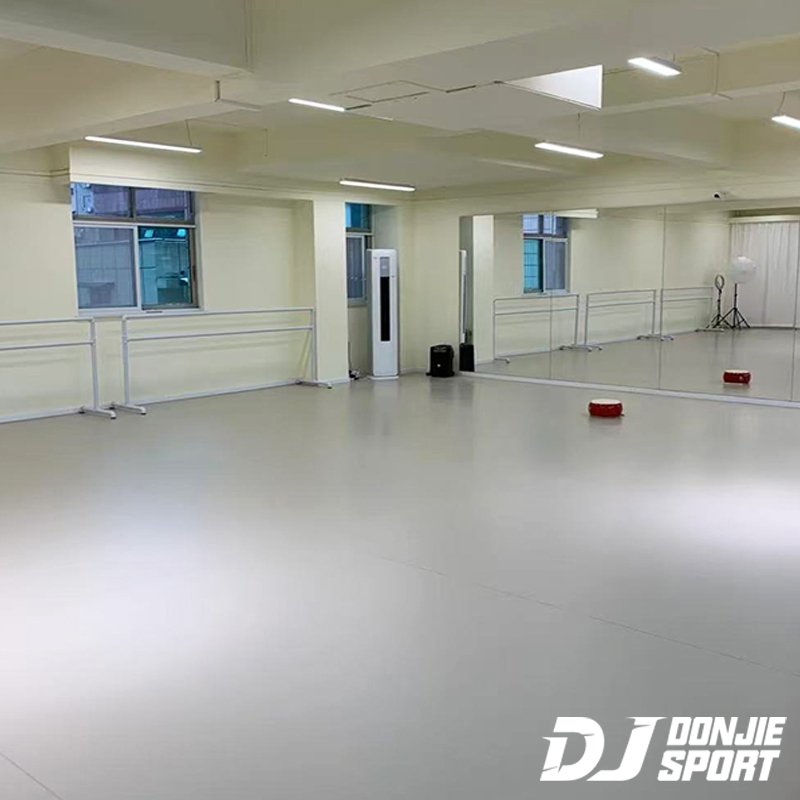
Budgeting for High-Quality Ballet Flooring
When investing in ballet flooring, it’s essential to consider both the upfront cost and the long-term benefits.
-
Initial Investment vs. Long-Term Benefits:
-
While high-quality ballet flooring may come with a higher initial cost, the benefits far outweigh the investment. Proper flooring ensures the safety and comfort of your dancers, reduces the risk of injury, and enhances performance. It also helps maintain the integrity of your studio space for years to come.
-
-
Affordable Alternatives without Compromising Safety:
-
If you’re on a budget, there are still options available that provide excellent safety features. Consider vinyl options or hybrid floors that combine affordability with performance. These can provide many of the same benefits as high-end sprung floors but at a lower price point.
-
-
Cost of Maintenance and Longevity:
-
The true cost of ballet flooring is not just in its installation but also in its ongoing maintenance. Ensure that you budget for regular cleaning, refinishing, and repairs to extend the lifespan of your flooring and keep it in excellent condition.
-
Conclusion
Choosing the right ballet flooring for your studio is an investment in both the safety and performance of your dancers. Whether you opt for wood, vinyl, or a sprung floor system, the key is to select flooring that provides the proper shock absorption, grip, and comfort. Regular maintenance, proper installation, and budgeting for high-quality materials will ensure your studio remains a safe and effective environment for your dancers. With the right flooring in place, your studio will become a space where dancers can truly shine, without the risk of injury or discomfort.