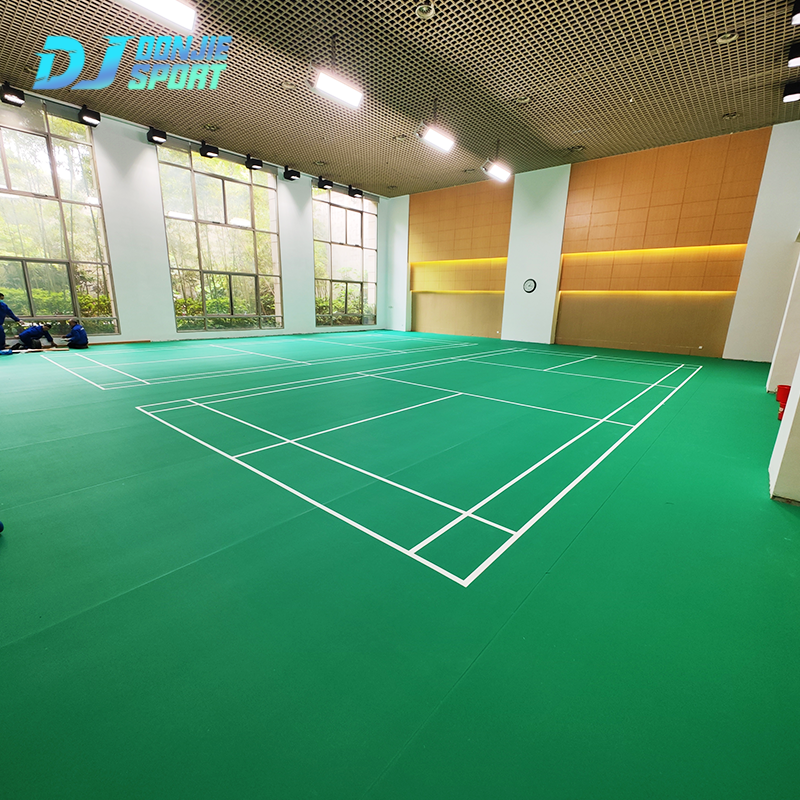
When it comes to creating the perfect basketball court for schools and universities, selecting the right flooring is crucial. Not only does the flooring impact the performance of athletes, but it also plays a significant role in safety, maintenance, and the long-term durability of the court. Whether you’re upgrading an existing court or designing a new one, the flooring choice will determine the quality of play and the overall lifespan of the facility. In this article, we’ll explore the top 10 basketball court flooring solutions that are ideal for educational institutions, covering a variety of materials and their unique advantages.
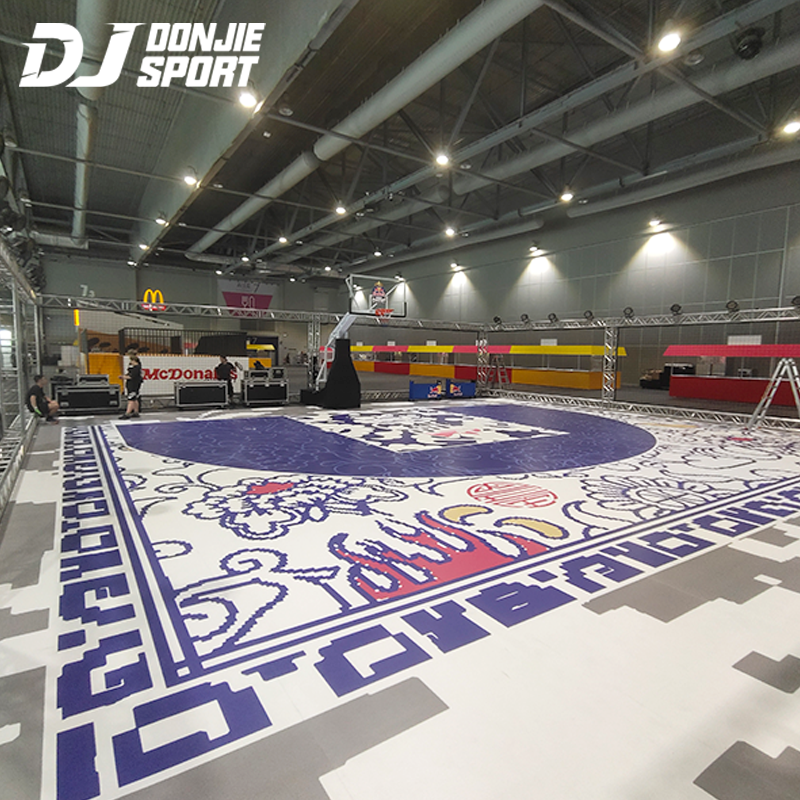
Hardwood Basketball Court Flooring
Hardwood basketball court flooring is the classic choice that has been favored by professional courts, schools, and universities for decades. Known for its durability and sleek aesthetic, it’s the go-to flooring for top-tier athletic facilities worldwide.
Advantages of Hardwood Flooring
-
Durability: When installed and maintained properly, hardwood floors can last for decades, making them a long-term investment for schools and universities.
-
Aesthetic Appeal: Hardwood offers a natural, polished look that elevates the entire sports facility. It creates a professional environment, inspiring athletes and drawing spectators.
-
Performance: Hardwood flooring provides the perfect balance between cushioning and stability, allowing athletes to perform at their best while minimizing injury risks.
-
Maintenance: Though hardwood requires regular cleaning and refinishing to preserve its integrity, its maintenance is relatively straightforward.
Considerations
-
Cost: Hardwood flooring is typically more expensive than other options, both in terms of initial installation and ongoing maintenance.
-
Installation: Professional installation is necessary to ensure the floor is level and safe for athletic use.
Rubber Basketball Court Flooring
Rubber basketball court flooring is increasingly becoming popular, especially in gyms where versatility and safety are paramount. This flooring type is often used in multi-purpose spaces, making it ideal for schools that host various sports activities.
Advantages of Rubber Flooring
-
Slip-Resistance: Rubber offers superior grip, reducing the risk of slips and falls, which is particularly beneficial for younger athletes or high-traffic areas.
-
Shock Absorption: Rubber flooring excels in shock absorption, helping to reduce stress on joints and minimizing injury risk.
-
Low Maintenance: Easy to clean and maintain, rubber flooring is resistant to moisture and requires less upkeep compared to hardwood.
-
Cost-Effective: It is generally more affordable than hardwood, making it a great option for schools and universities with a tighter budget.
Considerations
-
Aesthetics: While practical, rubber flooring may not offer the same polished appearance as hardwood. However, it is available in various colors and textures, allowing for customization.
Synthetic Basketball Court Flooring
Synthetic basketball court flooring is designed to mimic the performance of hardwood while offering enhanced durability and ease of installation. It is becoming an increasingly popular choice for schools that need a budget-friendly alternative to traditional flooring.
Advantages of Synthetic Flooring
-
Affordability: Synthetic floors are typically less expensive than hardwood, making them an excellent choice for institutions with limited budgets.
-
Variety of Options: These floors come in a range of styles and can be customized to fit the specific needs of the court.
-
Durability: Synthetic floors are designed to withstand heavy use and are highly resistant to scratches, stains, and wear.
Considerations
-
Performance: While synthetic floors are designed to replicate hardwood, some athletes may prefer the feel and performance of real wood.
-
Maintenance: While generally low maintenance, synthetic floors can require occasional cleaning and periodic resurfacing.
Parquet Basketball Court Flooring
Parquet flooring is a style of hardwood that involves arranging wooden pieces in geometric patterns. This type of flooring is gaining popularity in basketball courts due to its unique design and durability.
Advantages of Parquet Flooring
-
Aesthetic Appeal: The intricate patterns of parquet flooring provide a distinctive look that can set a gym apart. It adds a touch of elegance and sophistication to school and university courts.
-
Cost-Effectiveness: Parquet is often less expensive than solid hardwood, making it a good choice for schools looking for a balance of aesthetics and affordability.
-
Easy Repairs: If one tile or section becomes damaged, it can be easily replaced without having to redo the entire floor.
Considerations
-
Maintenance: Like hardwood, parquet floors require regular upkeep to maintain their appearance and durability.
Vinyl Basketball Court Flooring
Vinyl flooring is a versatile and practical choice for schools seeking a low-cost, low-maintenance flooring option. It is available in many designs, including options that mimic the appearance of wood or other materials.
Advantages of Vinyl Flooring
-
Durability: Vinyl is known for its strength and resistance to wear and tear. It can handle heavy foot traffic and is highly resistant to stains, spills, and scratches.
-
Customization: Vinyl flooring comes in various colors, patterns, and designs, allowing schools to personalize their courts to fit their branding or aesthetic preferences.
-
Low Maintenance: Vinyl is easy to clean, and it doesn’t require extensive upkeep like hardwood or synthetic options.
Considerations
-
Performance: While vinyl offers many advantages in terms of maintenance and cost, it may not provide the same level of performance as hardwood for high-level athletes.
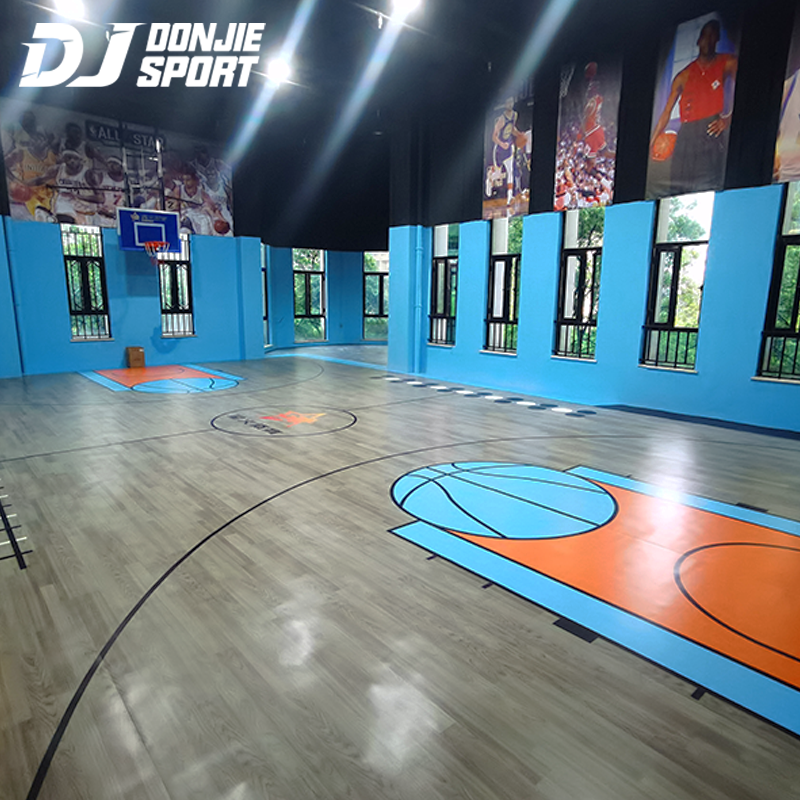
Foam-Based Basketball Court Flooring
Foam-based basketball court flooring is becoming more common in schools that emphasize safety and injury prevention. This type of flooring features a cushioned base layer designed to absorb shock and reduce the risk of injury.
Advantages of Foam-Based Flooring
-
Shock Absorption: Foam-based floors offer excellent cushioning, which is beneficial for schools with younger athletes who need extra protection for their joints and bones.
-
Durability: Foam flooring is resistant to wear, and the surface holds up well against constant impact from running, jumping, and other athletic movements.
-
Comfort: The added cushioning makes the floor more comfortable for athletes during extended practice sessions or games.
Considerations
-
Cost: Foam-based floors are typically more expensive than traditional rubber or vinyl options, though they may be worth the investment in terms of injury prevention.
Polyurethane Basketball Court Flooring
Polyurethane flooring is known for its exceptional durability and high-performance characteristics. This type of flooring is often used in professional and educational athletic settings.
Advantages of Polyurethane Flooring
-
High Performance: Polyurethane flooring provides excellent grip and durability, making it ideal for serious basketball players.
-
Low Maintenance: It requires less upkeep compared to wood floors while still offering a high level of performance.
-
Longevity: Polyurethane floors are highly resistant to scratches, dents, and scuff marks, providing long-lasting value.
Considerations
-
Cost: Polyurethane flooring can be more expensive than vinyl or rubber options, but its durability and performance make it a good investment for competitive athletic programs.
Hybrid Basketball Court Flooring
Hybrid basketball court flooring combines multiple materials to provide optimal performance. Typically, these systems integrate the durability of synthetic flooring with the comfort of foam or rubber.
Advantages of Hybrid Flooring
-
Customization: Hybrid floors can be tailored to suit specific needs, offering a combination of performance and cushioning that suits athletes of all levels.
-
Durability: These floors are built to last, with multiple layers designed to handle heavy use and tough conditions.
-
Cost Efficiency: While hybrid systems may initially cost more than simple vinyl or rubber floors, their long-term durability and low maintenance make them cost-effective.
Considerations
-
Complexity of Installation: Hybrid systems may require specialized installation, which can add to the upfront cost.
Court Tiles for Basketball Flooring
Modular court tiles are another popular flooring solution, offering ease of installation and repair. These interlocking tiles are perfect for schools that need a quick setup or want to easily replace sections of their court.
Advantages of Court Tiles
-
Easy Installation: Court tiles are simple to install and can be replaced individually, which makes maintenance easier.
-
Durability: These tiles are highly durable and resistant to damage, making them ideal for busy school gyms.
-
Customization: Available in a variety of colors and patterns, court tiles allow schools to create customized designs.
Considerations
-
Performance: While court tiles are great for durability and ease of maintenance, they may not provide the same high-end performance as hardwood or polyurethane for serious athletes.
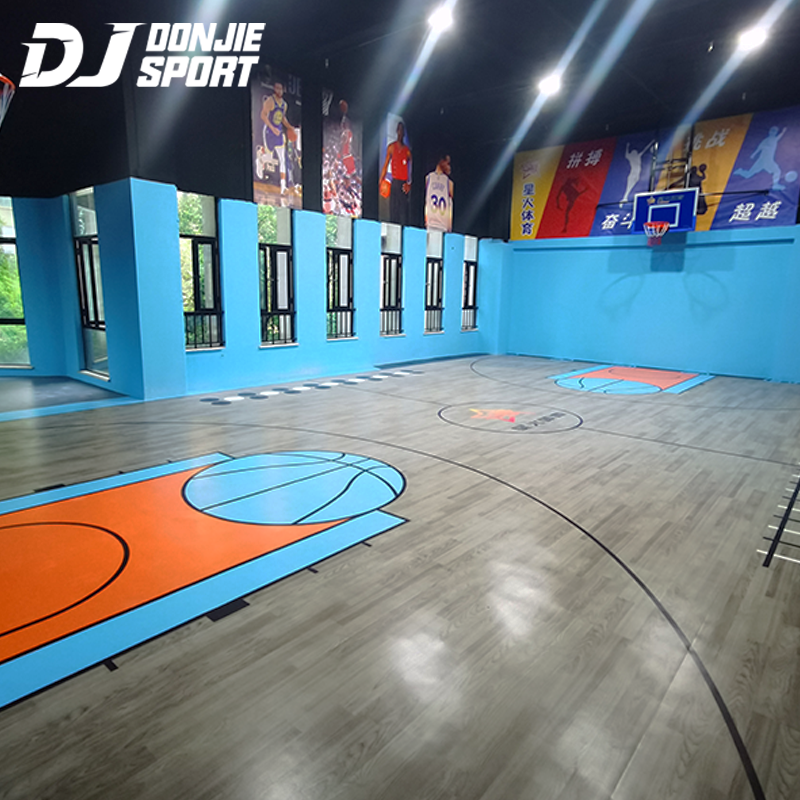
Sport Court Flooring
Sport Court flooring is a high-performance option designed for use in both indoor and outdoor basketball courts. This multi-purpose flooring is versatile, offering benefits for various sports, not just basketball.
Advantages of Sport Court Flooring
-
Versatility: Sport Court flooring can be used for multiple sports, making it an excellent option for schools with various athletic programs.
-
Comfort: Designed with athletes in mind, Sport Court flooring offers a cushioned surface that reduces impact during play.
-
Durability: Known for its toughness, Sport Court flooring holds up well against heavy use and the elements, especially in outdoor environments.
Considerations
- Cost: While Sport Court floors are built to last, they are generally more expensive than other flooring options, making them better suited for larger institutions with higher budgets.
Conclusion
Choosing the right basketball court flooring for your school or university is a decision that impacts not only the appearance of the facility but also the performance and safety of athletes. Whether you opt for the classic appeal of hardwood, the shock-absorbing benefits of rubber, or the versatility of synthetic and hybrid options, the right flooring solution will meet the specific needs of your institution and provide long-term value. Always consider factors like cost, durability, maintenance, and performance to find the best option for your basketball court.