When designing an outdoor pickleball court, one of the most crucial decisions you’ll face is selecting the right flooring. The surface you choose can directly impact not only the durability and safety of your court but also the overall game experience. The right flooring can enhance player performance, reduce the risk of injury, and provide a surface that holds up against the elements year-round.
In this article, we’ll dive into the top 5 flooring options for outdoor pickleball courts, exploring their unique benefits, how they perform in various weather conditions, and which ones provide the best value for your investment. Whether you’re a facility manager looking to upgrade your outdoor courts or a homeowner planning to build your own pickleball court, understanding the nuances of each flooring type will help you make an informed decision.
Why Flooring Matters for Outdoor Pickleball Courts
Choosing the right flooring for your outdoor pickleball court is about more than just aesthetics. The flooring plays a vital role in the performance of the game, the safety of the players, and the longevity of the court.
Durability and Longevity of Pickleball Flooring:
Outdoor courts are exposed to the elements—sun, rain, wind, and varying temperatures—so the flooring must be durable enough to withstand these conditions. The right flooring will endure over time, resisting wear and tear without losing its functionality.
How Flooring Affects Game Play and Player Safety:
Different surfaces offer varying levels of traction, bounce, and shock absorption, all of which influence gameplay. A surface that provides too much friction may increase the risk of joint strain, while one that’s too slippery could cause players to slip and fall. Choosing a flooring type that provides the right balance between grip and smoothness enhances both the game and player safety.
Weather Resistance and Maintenance Needs:
Outdoor courts are subjected to different weather conditions depending on your location. Some flooring types are more resistant to UV rays, rain, and extreme temperatures, requiring less maintenance and repair. Understanding the performance of each flooring option in various climates is essential to ensure the longevity of your court.
Rubber Flooring for Outdoor Pickleball Courts
Rubber flooring is a popular choice for many outdoor pickleball courts, offering a combination of durability, comfort, and performance. It’s often used in high-traffic areas because of its ability to withstand heavy use while providing a soft landing for players.
Benefits of Rubber Flooring for Pickleball Courts:
Rubber flooring is incredibly resilient and can handle the constant impact from the fast-paced nature of pickleball. It’s slip-resistant, providing excellent traction, even in wet conditions. Rubber floors also help to reduce vibrations, which minimizes stress on joints and helps prevent injury over time.
Ideal Conditions and Durability for Outdoor Courts:
Rubber flooring performs well in both hot and cold climates. It’s UV-resistant, making it ideal for outdoor pickleball courts where prolonged sun exposure is a factor. The material also resists moisture, which makes it a good option for regions that experience frequent rain or high humidity.
How Rubber Flooring Enhances Player Comfort:
Rubber offers natural shock absorption, which contributes to player comfort, especially during longer games. This shock-absorbing feature reduces the risk of impact injuries, such as ankle sprains, and supports knee health, which is important for players of all ages.
Maintenance and Cost-Effectiveness of Rubber Flooring:
Maintaining rubber flooring is relatively simple. Periodic cleaning with a mild detergent and water is usually enough to keep it looking good. Over the long term, rubber flooring proves to be cost-effective as it doesn’t require frequent replacement or significant maintenance.
Interlocking Tile Flooring
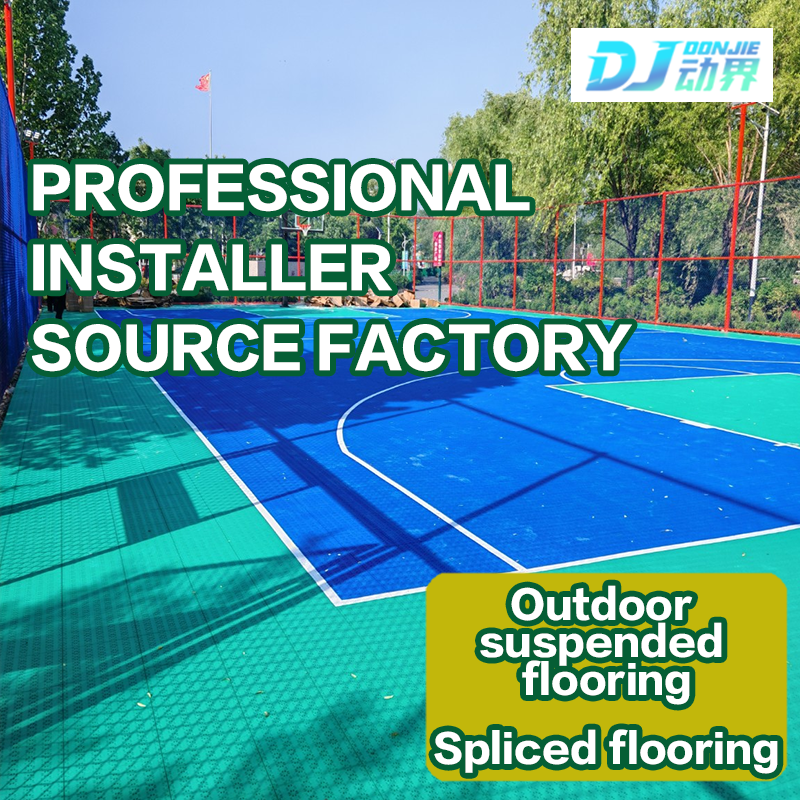
Interlocking tiles are another great flooring option for outdoor pickleball courts. These modular flooring systems are designed for easy installation and customization, making them a preferred choice for DIY court builders or facilities looking for an easy upgrade.
What Are Interlocking Tiles for Outdoor Pickleball Courts?
Interlocking tiles are designed to fit together seamlessly, creating a continuous surface for pickleball play. These tiles are often made from high-quality PVC or other durable materials that are resistant to weather damage.
Advantages of Interlocking Tiles in Outdoor Environments:
One of the main advantages of interlocking tile flooring is its portability and versatility. Since the tiles lock together without the need for adhesives, they are easy to install, remove, or reconfigure. This makes them perfect for outdoor courts where the layout may need to be adjusted or moved.
Ease of Installation and Customization:
Interlocking tile systems are known for their straightforward installation process. No glue or nails are required, and the tiles can be laid over an existing surface like asphalt or concrete. Customization options allow you to create courts in different sizes or add markings as needed.
Durability and Performance Under Weather Extremes:
Interlocking tiles are designed to endure both the sun and rain, with UV-resistant properties that prevent fading. They also have excellent drainage systems built in, ensuring that water doesn’t pool on the court and cause slippery conditions. This makes them highly durable and weather-resistant for outdoor use.
PVC Flooring Options for Outdoor Pickleball Courts
PVC flooring is a versatile and popular choice for pickleball courts due to its durability, affordability, and ease of maintenance. PVC courts are engineered to withstand outdoor elements while maintaining optimal playability.
Why PVC Flooring is a Great Option for Outdoor Pickleball:
PVC flooring is known for its high resilience and ability to retain its appearance and functionality over time. The surface offers good traction and a consistent bounce, which is critical for a fast-paced game like pickleball. Additionally, PVC is slip-resistant and durable enough to handle the wear and tear of frequent use.
UV Resistance and Long-Lasting Performance:
One of the biggest advantages of PVC flooring for outdoor courts is its UV resistance. Exposure to direct sunlight can cause many flooring materials to fade or degrade, but PVC flooring remains strong and vibrant for years, even under the harshest sun conditions.
Affordable and Easy to Maintain:
PVC is a cost-effective flooring option for those on a budget but still looking for high-quality performance. The maintenance requirements are minimal—simply clean with water and mild detergent—and there’s no need for resurfacing, making it an affordable long-term solution.
Enhancing Player Performance with PVC Flooring:
PVC flooring provides a consistent and predictable bounce, helping players make accurate shots. It also reduces foot fatigue due to its shock-absorbing properties, enhancing player comfort during prolonged games.
Composite Flooring Systems
Composite flooring systems combine multiple materials, such as wood, rubber, and synthetic resins, to create a durable, multifunctional surface ideal for outdoor pickleball courts. These flooring systems are designed to handle heavy traffic and harsh weather conditions while providing excellent performance.
What Makes Composite Flooring Unique?
Composite flooring is designed to provide the perfect balance of strength, durability, and flexibility. It’s engineered to be resistant to weather extremes, making it suitable for regions with fluctuating temperatures and precipitation.
Durability, Aesthetic Appeal, and Functionality:
Composite flooring systems are highly durable, often outlasting other types of outdoor flooring. They also come in a variety of styles and finishes, allowing you to choose a surface that not only performs well but looks great too.
Ideal for Areas With Varied Weather Conditions:
Composite materials are resistant to moisture, UV rays, and temperature fluctuations. This makes composite flooring a great choice for areas with diverse climates, as it won’t crack, warp, or fade under environmental stress.
How Composite Flooring Improves Safety and Playability:
Composite flooring is designed with player safety in mind, offering excellent shock absorption to reduce the impact on joints. It’s also slip-resistant, ensuring a firm grip during intense games, which helps to prevent injuries.
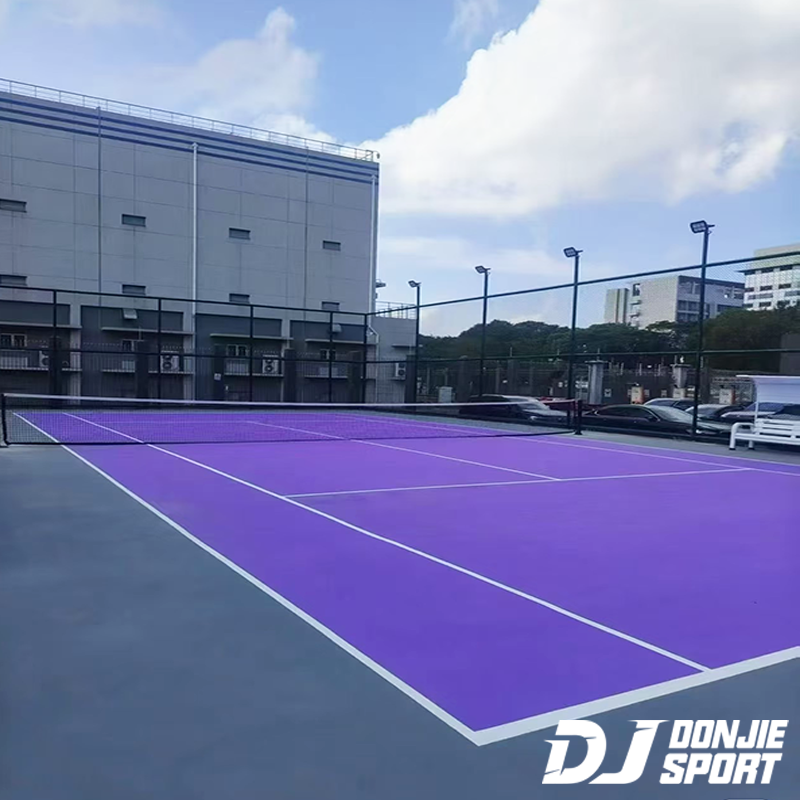
Asphalt or Concrete Coatings for Pickleball Courts
While asphalt and concrete are often used as the base for outdoor pickleball courts, adding surface coatings can significantly enhance the playability and lifespan of the court.
Cost-Effectiveness of Asphalt and Concrete for Outdoor Pickleball Courts:
Asphalt and concrete are budget-friendly options for building the base of an outdoor court. These materials are durable and provide a solid foundation for pickleball play. However, to improve traction and comfort, surface coatings are often added.
Considerations for Adding Surface Coatings for Improved Play:
Surface coatings can be applied to asphalt and concrete courts to improve traction, reduce moisture accumulation, and provide a consistent bounce. Options like acrylic coatings can also enhance the aesthetic appeal of the court, providing vibrant colors and clear lines for gameplay.
Potential Risks and How to Mitigate Them:
While asphalt and concrete are sturdy, they can crack and become uneven over time due to environmental wear. Proper sealing and maintenance of the surface coatings are essential to prevent these issues and ensure that the court remains safe and functional.
Conclusion
When selecting the best flooring for your outdoor pickleball court, it’s important to weigh factors such as durability, comfort, safety, and maintenance. Whether you choose rubber flooring for its shock absorption, interlocking tiles for easy installation, PVC for its affordability, composite systems for weather resistance, or asphalt coatings for their cost-effectiveness, each option has unique benefits that can enhance the playing experience.