When it comes to indoor pickleball, selecting the right flooring is crucial. The quality of the court surface directly affects gameplay, player safety, and maintenance requirements. Whether you’re setting up a court at a community center, sports facility, or private venue, choosing the proper indoor pickleball court flooring will ensure a smooth, safe, and enjoyable experience for players. In this article, we’ll explore the best flooring options available, highlighting their features, performance, and overall value for indoor pickleball courts.
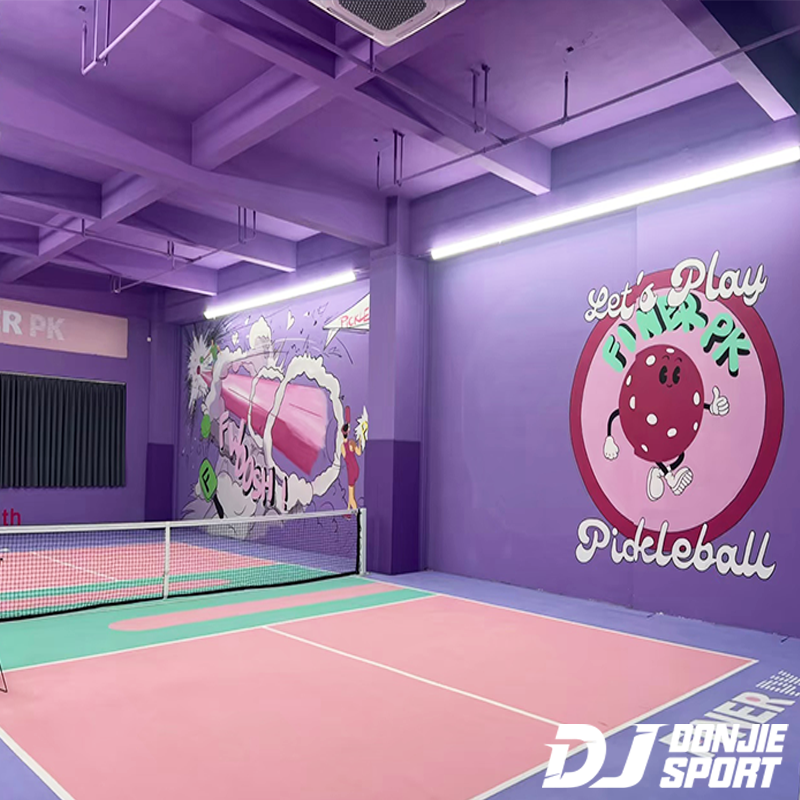
Understanding the Basics of Indoor Pickleball Court Flooring
Indoor pickleball court flooring is not just about aesthetics—it’s about creating an environment that supports high-quality gameplay. The ideal flooring should offer a balance of durability, grip, shock absorption, and ease of maintenance.
Key factors to consider when choosing flooring for pickleball courts include:
-
Durability: Floors need to withstand constant foot traffic and repetitive movements from pickleball players.
-
Traction: A surface with optimal grip is necessary to avoid slips while allowing for smooth, controlled movements.
-
Shock Absorption: Floors with proper cushioning reduce the impact on players’ joints, preventing injuries over time.
-
Cost: Budget considerations often play a role in the flooring decision, as some materials are more expensive than others.
The ideal indoor pickleball court flooring strikes the perfect balance between these elements, providing an optimal playing surface for athletes of all levels.
Best Materials for Indoor Pickleball Court Flooring
There are a variety of flooring materials that are well-suited for indoor pickleball courts. Let’s take a closer look at the most popular choices:
-
PVC Flooring: Benefits and Features
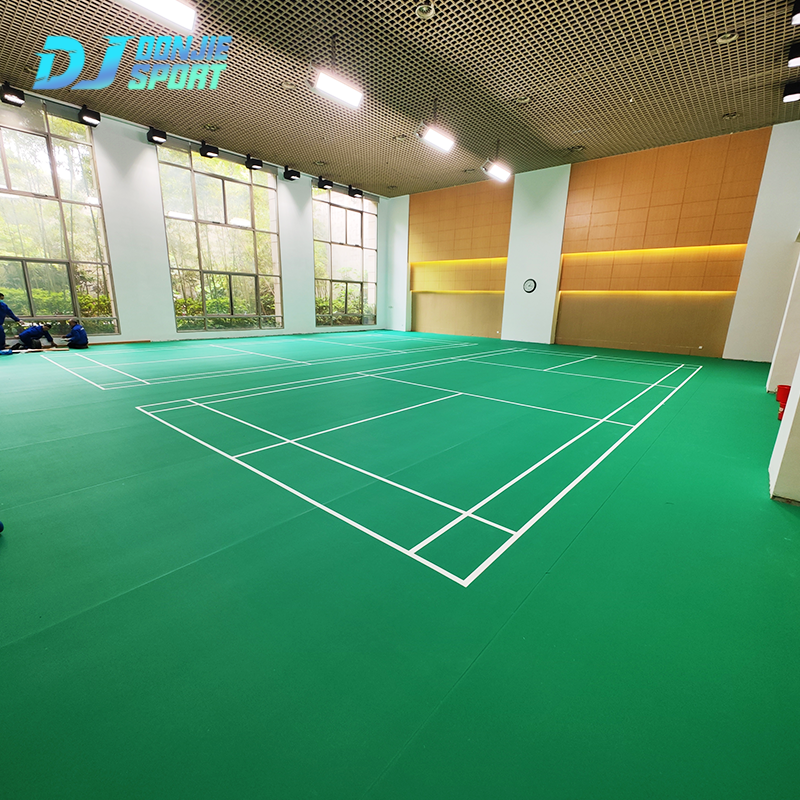
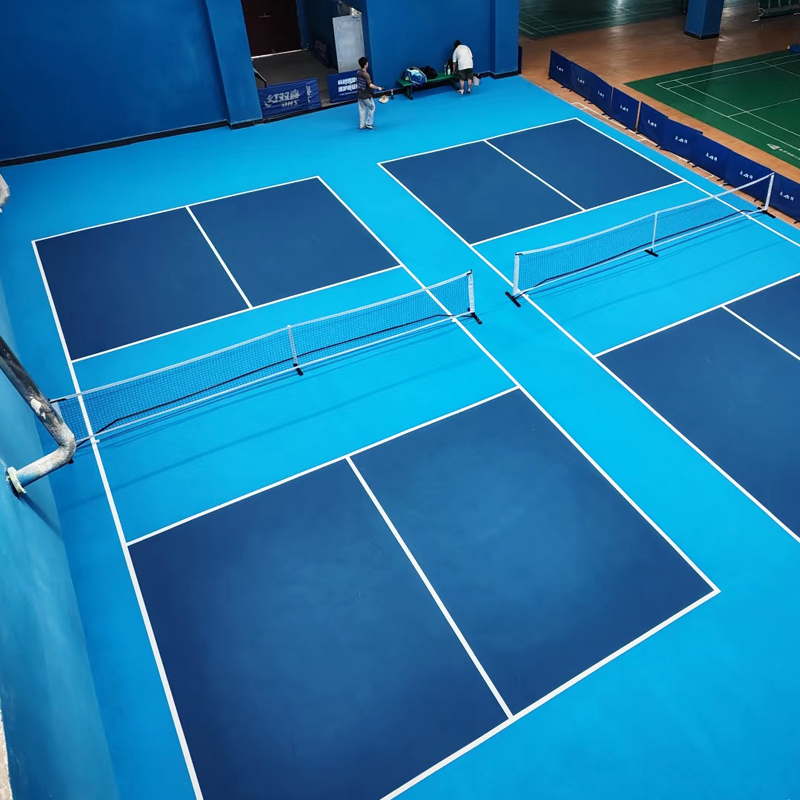
PVC flooring is a versatile and durable option that offers excellent performance on indoor pickleball courts. It provides a good balance of traction, shock absorption, and durability. It’s also relatively easy to maintain, making it a cost-effective choice for both commercial and private pickleball courts. The surface is smooth yet provides enough grip to prevent slips, and its longevity means it can withstand intense play. -
Rubber Flooring: Why It’s a Popular Choice
Rubber flooring is another great option for pickleball courts due to its shock-absorbing qualities. This type of flooring is excellent for reducing impact on players’ joints while offering a durable, long-lasting surface. Rubber floors are also resilient to wear and tear, making them suitable for high-traffic areas. Additionally, they provide great grip, helping to minimize the risk of slipping during intense matches. -
Wood Flooring: A Traditional and Aesthetic Option
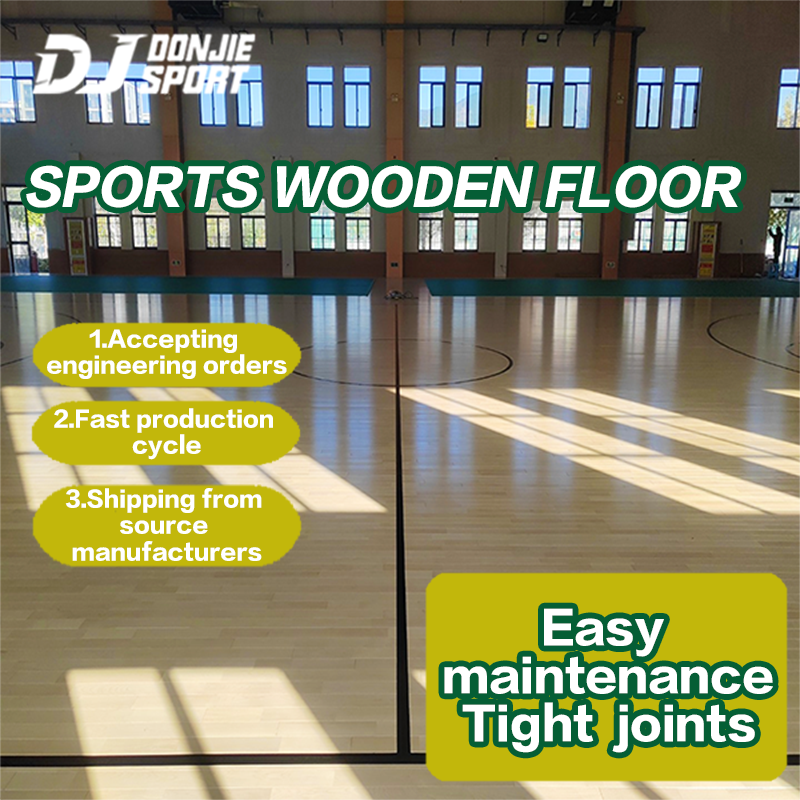
Wood flooring is often the go-to choice for many indoor courts, especially in high-end venues. It offers a sleek, classic look that enhances the aesthetic appeal of the court. Wood floors provide excellent ball bounce and a smooth, controlled playing surface. While they do require regular maintenance and refinishing to maintain their performance, wood floors are preferred by many for their timeless style and natural feel. -
Composite Flooring: Durability Meets Performance
Composite flooring is a combination of various materials designed to optimize performance. It typically features a blend of PVC, rubber, or other durable materials that provide superior grip and shock absorption. Composite floors are designed to mimic the feel of wood, making them a good choice for players who want a high-performance surface with lower maintenance requirements. They are known for their resistance to wear and their ability to maintain consistent performance over time.
Performance Features to Look for in Indoor Pickleball Flooring
When evaluating indoor pickleball court flooring, there are several performance features that should be prioritized:
-
Traction and Grip
One of the most critical factors in indoor pickleball court flooring is traction. Players rely on their footing for quick, agile movements during games. A floor with the right amount of grip helps reduce the chances of slipping, ensuring safer gameplay. -
Shock Absorption
Pickleball players make frequent lateral movements and sudden stops, which can put strain on the joints. Flooring that offers shock absorption can reduce this impact, preventing injuries and making the court more comfortable for extended play sessions. -
Ball Bounce Consistency
A high-quality court surface should maintain a consistent ball bounce. Surfaces that are too hard or too soft can alter the ball’s trajectory, affecting gameplay. Look for flooring materials that provide uniform bounce throughout the entire court to ensure competitive play. -
Durability and Ease of Maintenance
Pickleball courts experience a lot of foot traffic, and the surface must be able to withstand the wear and tear of constant use. Choose flooring materials that are durable and easy to clean, as this will reduce maintenance costs and keep the court in good condition for years.
How to Choose the Right Flooring Based on Your Facility’s Needs
Choosing the right indoor pickleball court flooring ultimately depends on your facility’s specific requirements. Here are some key considerations:
-
Budget Considerations
If you’re working with a tight budget, PVC flooring may be the best option. It provides excellent value for the price, offering durability, traction, and ease of maintenance without breaking the bank. -
Facility Size and Usage
For larger facilities with high player traffic, rubber or composite flooring may be ideal. These materials are durable enough to withstand heavy usage and offer superior comfort, which is crucial when the court is in constant use. -
Player Needs
If you’re catering to professional players, wood or composite flooring may provide the high-end performance they’re looking for, offering both aesthetic appeal and superior ball bounce. For recreational players, PVC or rubber flooring offers great functionality at a lower price point.
Comparing the Top Indoor Pickleball Court Flooring Options
Now that we’ve explored the individual flooring types, let’s compare them side by side:
-
PVC Flooring
Pros: Affordable, easy to maintain, durable
Cons: May not offer as high-end a look as wood
Best for: Budget-conscious facilities, high-traffic areas -
Rubber Flooring
Pros: Excellent shock absorption, great for joint protection
Cons: Can be expensive, may require more maintenance than PVC
Best for: High-traffic areas where player comfort is a priority -
Wood Flooring
Pros: Timeless aesthetic, consistent ball bounce
Cons: Expensive, requires regular maintenance
Best for: High-end, aesthetic-driven venues -
Composite Flooring
Pros: Durable, low maintenance, mimics wood performance
Cons: Can be more costly than PVC
Best for: Facilities seeking a high-performance surface with low upkeep
Installation and Maintenance Tips for Indoor Pickleball Court Flooring
Proper installation and maintenance are key to maximizing the lifespan and performance of your indoor pickleball court flooring. Here are some tips:
-
Installation Tips
Make sure the floor is installed on a smooth, even surface to prevent issues with uneven play. For PVC and rubber flooring, a professional installer will ensure a secure fit. For wood and composite flooring, ensure proper sealing to protect the material from moisture. -
Maintenance Tips
Regular cleaning is essential for all flooring types. Use non-abrasive cleaning solutions to avoid damaging the surface. For wood floors, periodic refinishing will maintain their performance, while rubber and PVC floors may need occasional deep cleaning and spot repairs.
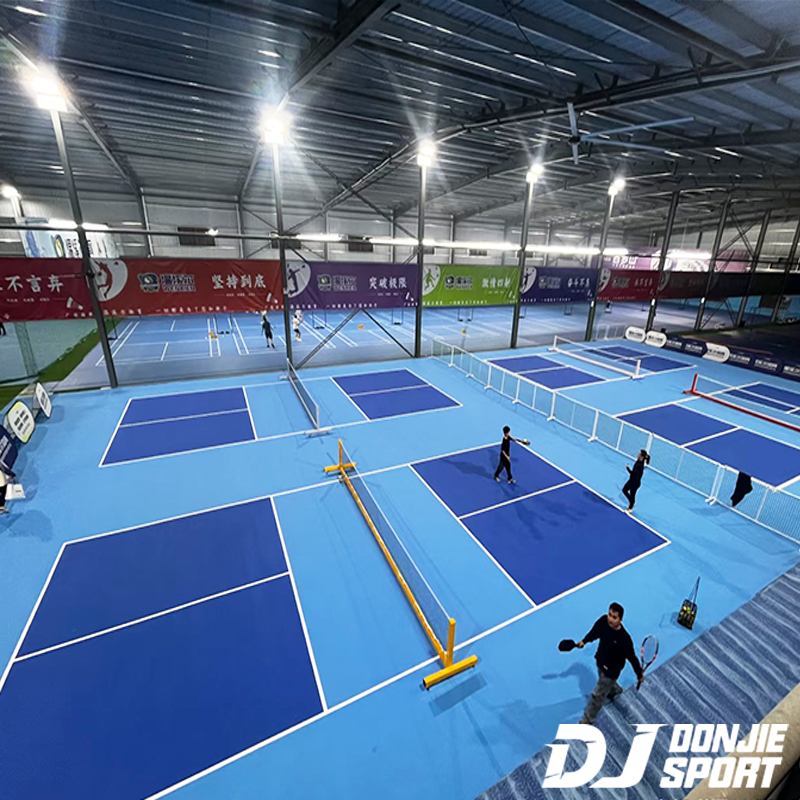
The Best Indoor Pickleball Court Flooring for Optimal Performance
Choosing the right flooring for your indoor pickleball court is essential to provide an optimal playing experience. Whether you opt for the durability of PVC, the comfort of rubber, the aesthetics of wood, or the high performance of composite flooring, each material offers unique advantages. By considering your facility’s needs, player preferences, and budget, you can make an informed decision that will enhance your pickleball court’s performance for years to come.