When it comes to ballet, every detail counts—especially the flooring. Ballet dancers rely on the right surface to perform their best, prevent injuries, and enhance their technique. But what exactly makes for the ideal ballet dance flooring? In this comprehensive guide, we’ll explore the key features, costs, and materials involved in choosing the best flooring for your studio. Whether you’re setting up a new ballet studio or upgrading your current space, this guide has you covered.
What Is Ballet Dance Flooring?
Ballet dance flooring is designed specifically to support the precise and demanding movements of ballet. Unlike typical flooring, which may not offer the right balance of shock absorption, flexibility, and slip resistance, ballet flooring is engineered to provide a supportive, safe, and stable surface for dancers.
The primary purpose of ballet dance flooring is to create an environment that reduces injury risk while maximizing performance. It needs to be firm enough to support rapid foot movements, yet flexible enough to absorb the shock from jumps and landings. Proper ballet flooring helps dancers maintain their technique, perform their best, and avoid unnecessary stress on their bodies.

Key Features of Ballet Dance Flooring
When selecting ballet dance flooring, several critical features need to be considered to ensure the surface suits the needs of dancers and the studio environment.
-
Surface Type: The most common materials used for ballet flooring are wood, vinyl, and Marley floors. Each has its unique benefits, but they all need to offer the right balance of grip and flexibility.
-
Shock Absorption: A good ballet floor should offer some level of shock absorption. This reduces the impact on dancers’ joints, particularly when performing jumps or other high-impact movements.
-
Slip Resistance and Stability: Ballet floors must have just the right amount of slip resistance to allow for controlled movements, whether dancers are executing pirouettes or leaps. A floor that is too slippery or too sticky can lead to injuries.
-
Aesthetic Appeal: The visual element of ballet flooring is often overlooked, but the right color and finish can complement a studio’s overall look. Many ballet floors come in wood finishes, but vinyl or Marley floors can be designed to fit various studio aesthetics.
Materials Used in Ballet Dance Flooring
The material of your ballet flooring plays a significant role in the overall dance experience. Here’s a breakdown of the most common materials used in ballet studios:
-
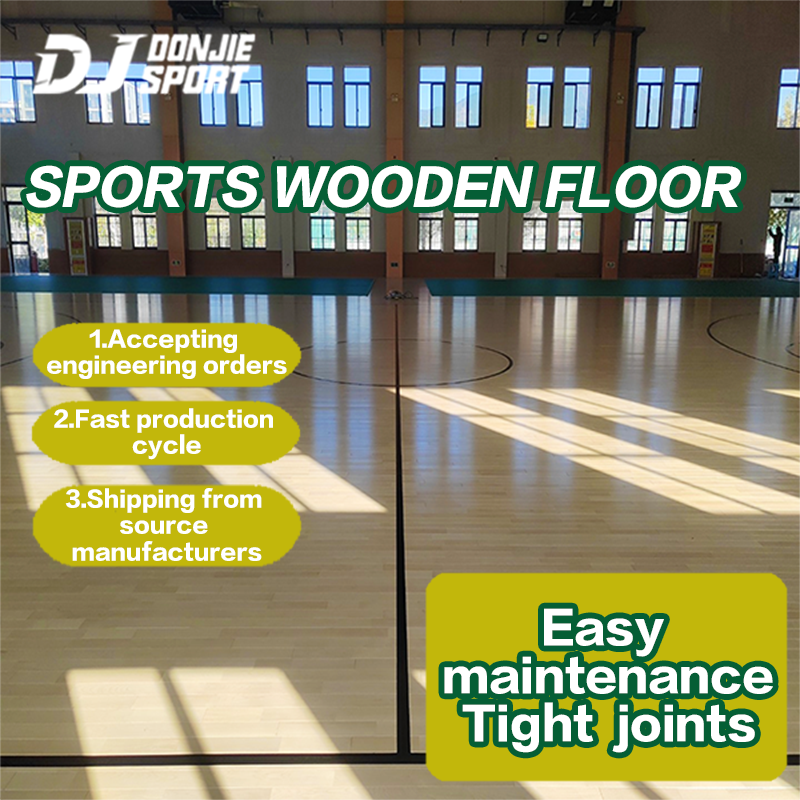
Hardwood Floors: Traditional and highly regarded, hardwood floors are a classic choice. They are known for their durability, aesthetic appeal, and natural beauty. However, hardwood floors can be expensive, and they require ongoing maintenance to keep them in top condition.
-
Vinyl Flooring for Ballet: Vinyl floors are more affordable and highly durable. They are a popular choice for many studios as they offer a good balance of comfort, resilience, and affordability. Vinyl floors are also easier to maintain compared to hardwood.
-
Marley Floors: Marley flooring is widely considered the industry standard for ballet and other dance styles. Made from vinyl, Marley floors provide the perfect balance of flexibility and stability, making them ideal for performance environments. Their non-slip surface helps dancers perform their best, even during fast, intricate routines.
-
Other Flooring Options: Some ballet studios opt for cork, rubber, or hybrid flooring. Cork floors provide a natural, environmentally friendly option that also offers shock absorption. Rubber floors are durable and easy to maintain, though they are less common in professional ballet settings.
The Cost of Ballet Dance Flooring
The cost of ballet flooring varies depending on the material, quality, and the size of the space. Here’s a breakdown of the factors that influence the overall cost:
-
Material Type: Hardwood floors are the most expensive, with prices typically ranging from $4 to $10 per square foot, not including installation. Vinyl flooring, on the other hand, can be more affordable, typically costing between $1 to $5 per square foot. Marley flooring prices generally range from $3 to $7 per square foot.
-
Installation Costs: The complexity of installation can also impact the cost. Professional installation may range from $1 to $3 per square foot, depending on the material and the layout of your studio. DIY installations can save money but may result in less professional results.
-
Maintenance and Longevity: While upfront costs are an important factor, consider the long-term maintenance costs. Hardwood floors, for example, need refinishing every few years, while vinyl and Marley floors require less maintenance.
Choosing the Right Ballet Flooring for Your Studio
Selecting the right ballet flooring requires consideration of several factors to ensure it meets your needs:
-
Room Size: The larger the studio, the more material you’ll need. Measure your space carefully to calculate how much flooring you’ll need.
-
Dance Style and Intensity: Different styles of ballet and other forms of dance may require specific flooring characteristics. For example, a studio specializing in classical ballet may benefit from a high-quality hardwood or Marley floor, while a modern dance studio may lean toward vinyl.
-
Budget: Budget is often a deciding factor. While hardwood floors are the most luxurious option, vinyl or Marley floors can provide a more cost-effective solution without compromising on performance.
Installation of Ballet Dance Flooring
Installing ballet dance flooring requires careful preparation and precision. Here’s what to expect:
-
Professional Installation vs. DIY: Professional installers have experience with the unique requirements of dance flooring, ensuring the floor is properly laid and aligned. While DIY installation is possible, it’s important to ensure the floor is securely and correctly installed to prevent any issues during use.
-
The Installation Process: Depending on the flooring material, the installation process may involve laying adhesive, rolling out sheets of vinyl, or installing hardwood planks. The installation can take a few days, depending on the size of the studio.
-
Maintenance Tips: Proper installation ensures the floor remains in good condition for years. Avoid using harsh chemicals, and keep the floor clean by regularly sweeping and mopping.
Maintenance and Care of Ballet Dance Flooring
Maintaining your ballet floor is essential for ensuring it lasts and remains safe for dancers. Here are some maintenance tips:
-
Daily and Weekly Care: Sweep the floor daily to remove dust and debris. Use a soft mop and a mild cleaner to keep the surface clean and shiny. Avoid harsh chemicals, as they can damage the floor’s finish.
-
Preventing Wear and Tear: To protect the floor from wear, encourage dancers to wear appropriate footwear. Install floor protectors on furniture to avoid scratching.

Benefits of High-Quality Ballet Dance Flooring
Investing in high-quality ballet flooring offers a variety of benefits:
-
Enhanced Performance: The right flooring allows dancers to perform their best, supporting movement precision and control.
-
Injury Prevention: Proper shock absorption helps prevent injuries, ensuring that dancers can perform with confidence.
-
Durability: Investing in durable flooring ensures longevity, helping your studio avoid costly repairs and replacements in the future.
Common Mistakes to Avoid When Choosing Ballet Flooring
When choosing ballet flooring, avoid these common mistakes:
-
Choosing the Cheapest Option: While cheaper floors may seem like a good deal, they may not offer the necessary support or durability, leading to higher long-term costs.
-
Overlooking Installation and Maintenance: Installation and upkeep costs can add up, so ensure you factor these into your budget.
-
Ignoring Studio-Specific Needs: What works for one studio may not be ideal for another. Tailor your flooring choice to your specific needs, whether that’s for a small teaching space or a large performance studio.
Conclusion
Choosing the right ballet dance flooring is a crucial decision for any dance studio. By considering the material, cost, installation, and maintenance needs, you can ensure your floor meets the demands of ballet practice and performance. Whether you opt for hardwood, vinyl, or Marley flooring, investing in quality flooring will enhance both dancer safety and performance. With this guide, you’re now equipped to make an informed decision that will support your studio for years to come.