Choosing the right flooring for a basketball court is critical to ensuring optimal performance and safety for players, regardless of whether it’s an amateur or professional court. Flooring types not only affect the game’s pace but also influence the court’s longevity and maintenance requirements. In this guide, we’ll explore the different flooring options, compare their pros and cons, and discuss how to choose the best type for your needs, whether you’re building a court for a community center, school, or professional sports arena.
When considering basketball court flooring, it’s essential to think about several key factors such as player performance, durability, comfort, and the overall aesthetics of the court. While professional courts often opt for hardwood due to its longevity and player preference, amateur courts may lean toward synthetic or vinyl materials for their cost-effectiveness and low maintenance. Let’s dive into the various flooring options available and how to choose the best one for your needs.
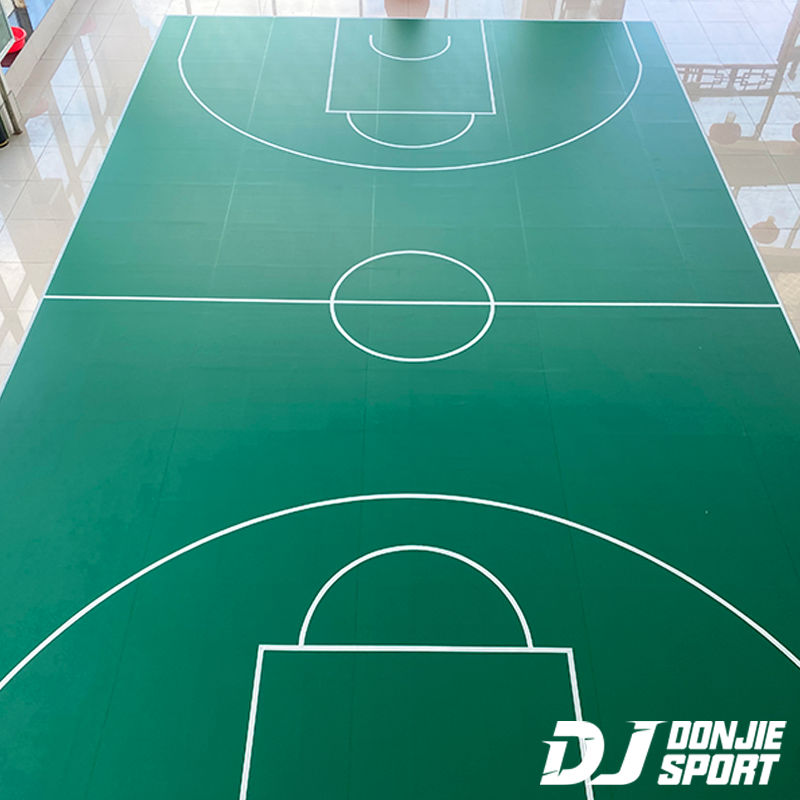
Types of Basketball Court Flooring
Hardwood Flooring: A Classic Choice for Professional Courts
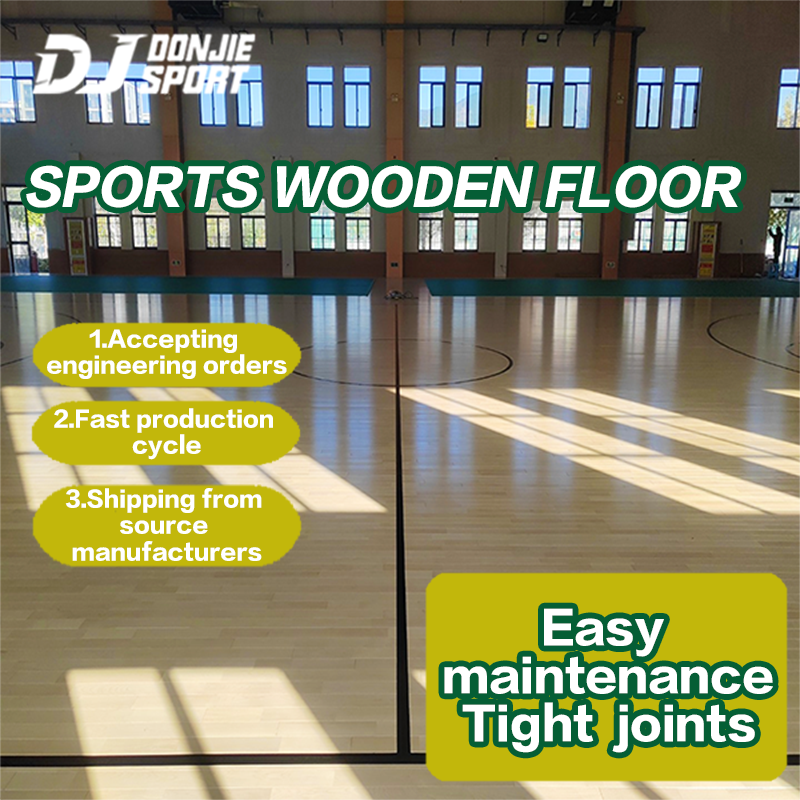
Hardwood flooring has long been the go-to material for professional basketball courts due to its premium quality and superior performance characteristics. Hardwood offers a smooth, consistent playing surface that enhances ball bounce, making it ideal for fast-paced games. The aesthetic appeal of hardwood courts, with their polished finish and traditional look, also adds a professional touch to any arena.
Pros:
-
Durable and long-lasting if maintained properly
-
Preferred by professional athletes for its performance
-
Classic and visually appealing look
-
Can be refinished to extend its lifespan
Cons:
-
Requires regular maintenance, including sanding and refinishing
-
Higher upfront cost compared to other flooring materials
-
Vulnerable to moisture damage if not properly sealed
Synthetic Flooring: Budget-Friendly and Durable
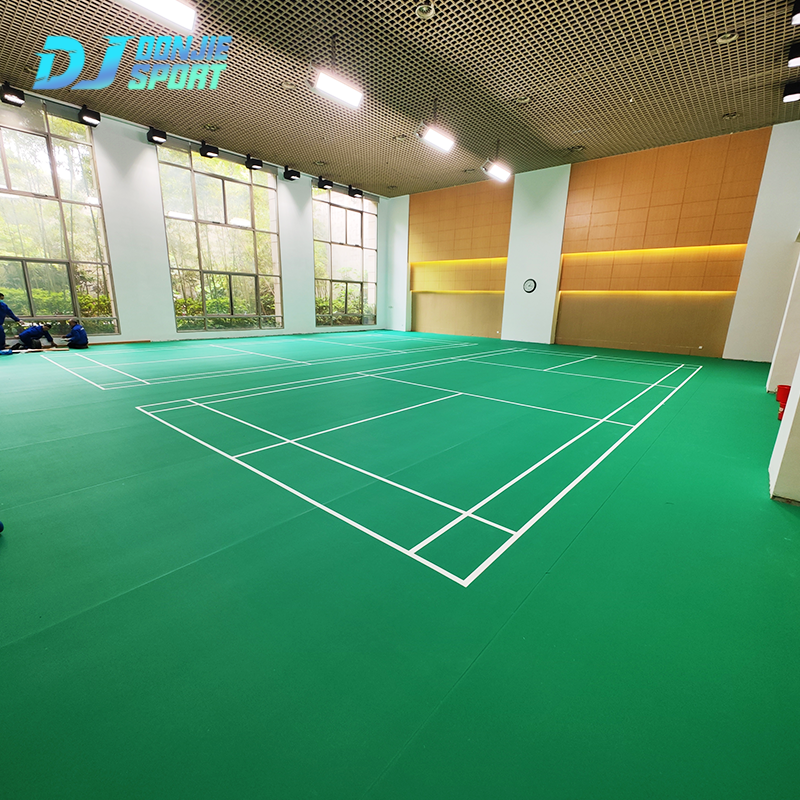
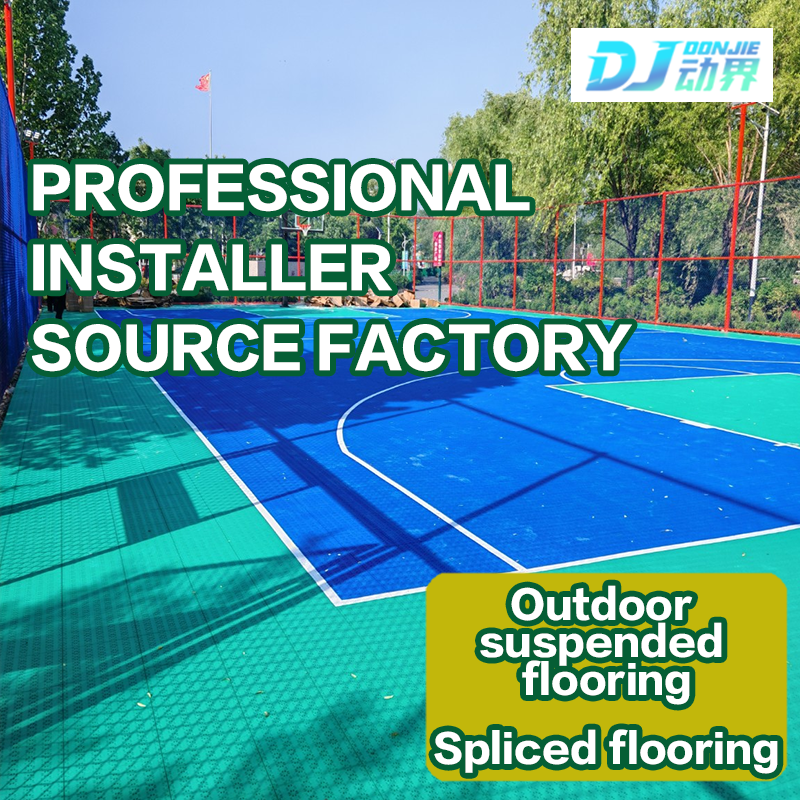
Synthetic flooring, such as polyurethane or acrylic, is a popular choice for both amateur and professional courts. It is made from durable, non-wood materials that offer excellent durability and require minimal maintenance. Synthetic courts are available in various designs, colors, and textures, making it easy to customize the appearance of the court.
Pros:
-
Lower initial cost than hardwood
-
Easy to clean and maintain
-
Resistant to moisture and spills
-
Less prone to warping and damage
Cons:
-
Doesn’t offer the same natural feel or aesthetic as hardwood
-
May have a slightly less responsive ball bounce
-
Can wear down over time, especially in high-traffic areas
Rubber and Vinyl Flooring: Alternatives for Multi-Purpose Courts
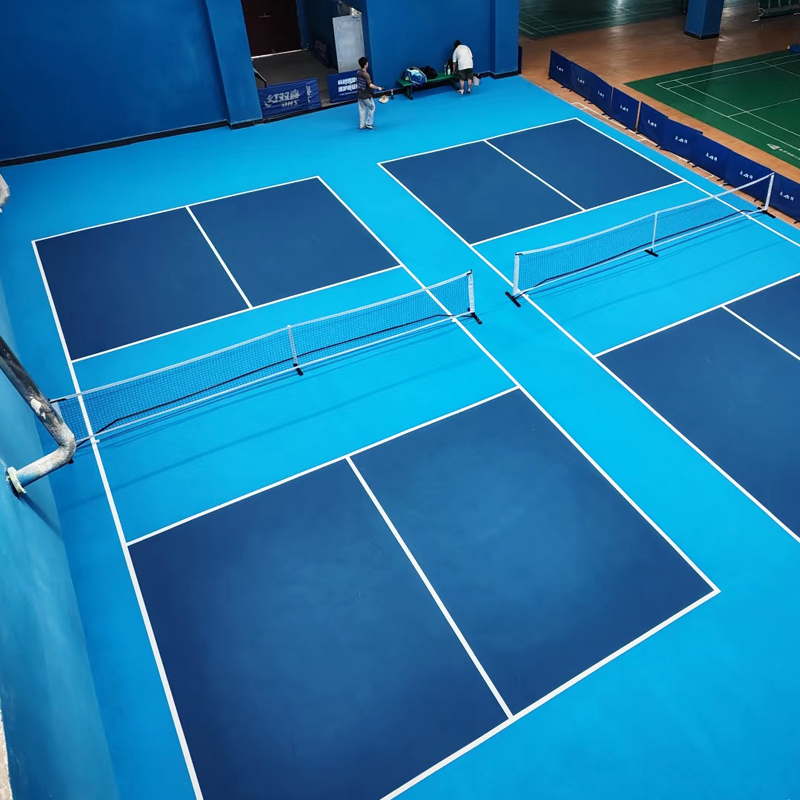
Rubber and vinyl flooring are ideal choices for multi-purpose spaces or gyms that require a versatile flooring option. Both materials provide comfort and shock absorption, making them suitable for basketball courts as well as other sports and activities. While they are not as common in professional settings, they are a practical choice for gyms and schools with budget constraints or limited space.
Pros:
-
Affordable and easy to install
-
Great for reducing player impact and preventing injuries
-
Low maintenance and easy to clean
-
Can be used for various sports
Cons:
-
Can affect the bounce and grip of the ball
-
May not provide the same level of performance as hardwood or synthetic surfaces
-
Less durable in the long run compared to other materials
Comparison of Different Flooring Materials
| Flooring Type | Durability | Maintenance | Cost | Player Performance | Aesthetic Appeal |
|---|---|---|---|---|---|
| Hardwood Flooring | High | High | Expensive | Excellent | Classic |
| Synthetic Flooring | Moderate | Low | Affordable | Good | Customizable |
| Rubber/Vinyl Flooring | Moderate | Very Low | Budget | Adequate | Versatile |
Factors to Consider When Choosing Basketball Court Flooring
Durability and Longevity
Durability is one of the most critical factors when selecting basketball court flooring. Professional courts require a material that can withstand constant use, heavy foot traffic, and intense games. Hardwood is known for its durability, but synthetic materials such as polyurethane and vinyl can also last a long time, with lower maintenance requirements. Consider the frequency of use and your long-term investment when choosing the best material.
Comfort and Player Performance
Player performance is greatly influenced by the court’s flooring. Hardwood courts offer a natural, smooth surface that enhances ball bounce and grip. Synthetic and rubber flooring provide more cushioning, which can be beneficial for reducing player fatigue and minimizing injury risk. It’s important to consider the preferences of the players who will be using the court most frequently.
Maintenance and Cleaning Requirements
Maintenance is a crucial factor for keeping your court in optimal condition. Hardwood floors require periodic sanding and refinishing, which can be costly. Synthetic and rubber floors are much easier to maintain, needing only regular cleaning with appropriate cleaners. However, synthetic floors can show signs of wear and tear over time, particularly in high-traffic areas.
Cost Considerations: Upfront vs. Long-Term Expenses
The initial cost of flooring can vary widely, with hardwood being the most expensive upfront, followed by synthetic materials. However, when factoring in long-term maintenance costs, synthetic and rubber floors may be more affordable in the long run. It’s essential to balance the budget against the expected lifespan and maintenance costs to determine the most cost-effective option for your court.
Aesthetic Appeal and Court Design
Finally, the aesthetic appeal of the court plays an important role in its overall feel. Hardwood flooring offers a timeless, classic look that adds elegance and professionalism. Synthetic flooring can be customized to match team colors or branding, while rubber and vinyl offer versatility in design. Consider how important the appearance of the court is and choose a material that fits your desired aesthetic.
Installation Process of Basketball Court Flooring
Professional Installation vs. DIY: What You Need to Know
When it comes to installing basketball court flooring, professional installation is often recommended, especially for hardwood courts. Professional installers ensure that the flooring is laid properly, maintaining consistent quality and performance. DIY installation can be an option for synthetic or rubber flooring but may result in an uneven surface or improper installation if not done correctly.
Key Steps in Installing Hardwood Basketball Flooring
Installing hardwood basketball flooring involves several key steps:
-
Preparing the subfloor to ensure it is level and smooth
-
Laying down an underlayment to protect the wood and reduce noise
-
Installing the hardwood planks, ensuring they are properly spaced
-
Sanding and finishing the wood for a smooth surface
-
Sealing the floor to protect against moisture
Installation Considerations for Synthetic and Vinyl Flooring
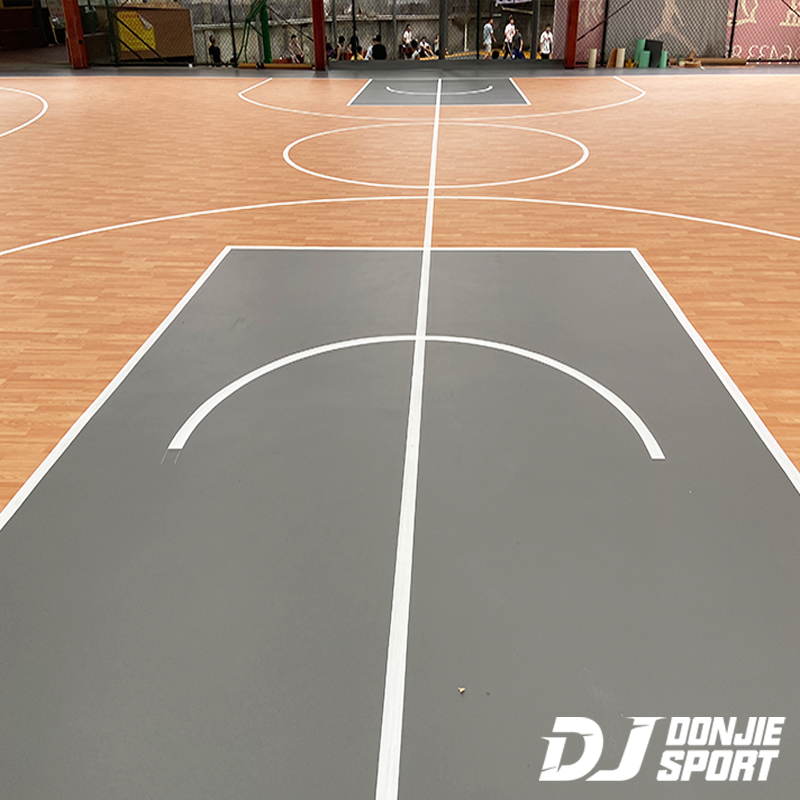
Synthetic and vinyl flooring installation is generally more straightforward and can often be done in a shorter timeframe. The flooring sheets or tiles are typically glued or interlocked to the subfloor, requiring minimal preparation. However, careful planning is still necessary to ensure a smooth, level surface.
Maintenance of Basketball Court Flooring
How to Maintain Hardwood Floors for Maximum Longevity
To keep hardwood floors in top shape, regular maintenance is necessary. This includes:
-
Sweeping or vacuuming daily to remove dust and dirt
-
Refinishing the floor every few years to maintain its shine and durability
-
Applying protective coatings to prevent damage from moisture
Cleaning and Caring for Synthetic Flooring
Synthetic floors require minimal maintenance but should be cleaned regularly with a damp mop and non-abrasive cleaner. Ensure that any spills or stains are wiped up quickly to prevent damage to the surface.
Seasonal Maintenance Tips for Basketball Courts
During the winter, hardwood courts may need extra attention to avoid moisture damage. Synthetic floors should be checked for wear and tear after heavy use, while rubber and vinyl floors can benefit from periodic inspections to ensure they remain securely installed.
Tips for Repairing Damaged Flooring
If any floor section becomes damaged, it is essential to repair it promptly. For hardwood, this may involve refinishing or replacing individual planks. Synthetic or rubber floors can often be patched with adhesive or replacement tiles.
Benefits of Properly Installed Basketball Court Flooring
Enhanced Player Safety and Performance
Quality flooring improves player performance by providing a safe and responsive surface. Hardwood courts offer excellent ball bounce, while synthetic and rubber floors provide better shock absorption, reducing the risk of injuries.
Improved Court Aesthetics and Professional Appeal
Well-maintained flooring adds a professional look to your court, whether you choose the classic appeal of hardwood or the customizable nature of synthetic materials. A visually appealing court can enhance the overall experience for both players and spectators.
Long-Term Investment in Your Court’s Durability
Investing in the right flooring material ensures that your court remains in excellent condition for years to come. Proper installation and maintenance are crucial to maximizing your flooring’s lifespan.
Choosing the Right Flooring for Your Court: Key Takeaways
When selecting basketball court flooring, consider factors like budget, durability, player performance, and maintenance. Hardwood is a timeless option for professional courts, while synthetic and rubber floors offer practical alternatives for amateur and multi-purpose courts. Weigh the pros and cons of each material to choose the best flooring for your specific needs.
Conclusion
The right basketball court flooring is essential for enhancing player performance, ensuring safety, and maintaining a visually appealing court. Whether you choose hardwood for its classic elegance or synthetic flooring for its budget-friendly maintenance, understanding the pros and cons of each option will help you make an informed decision. Investing in quality flooring is not only about aesthetics but about creating an environment where players can thrive. Proper maintenance and care will keep your court looking and performing at its best for years to come.