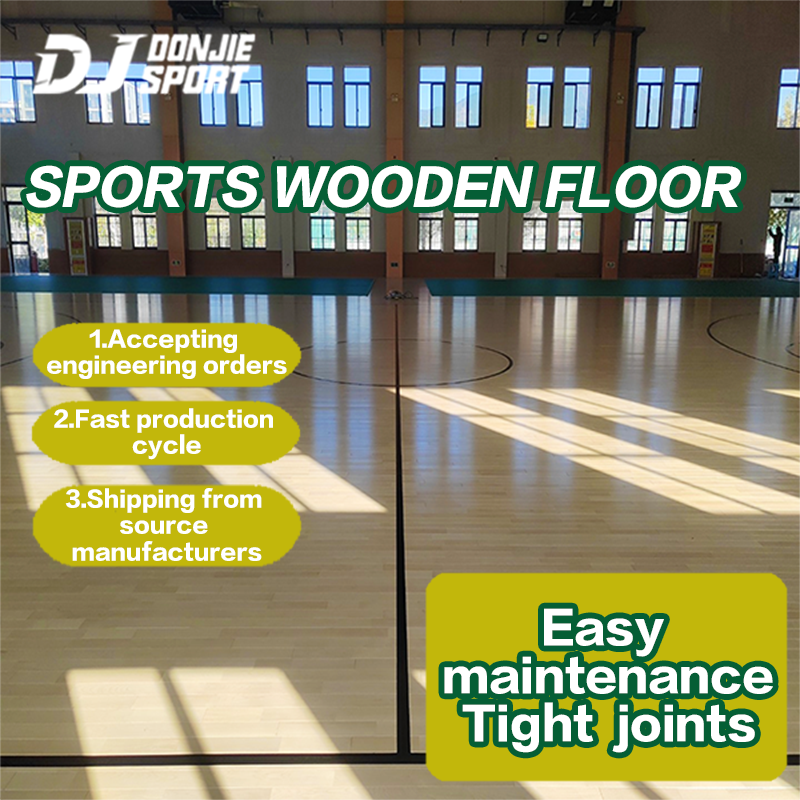
Wood sport floors are a critical element in any athletic facility. Not only do they contribute to the aesthetic appeal of a gymnasium or sports arena, but they also play a significant role in enhancing the performance, comfort, and safety of athletes. In this guide, we’ll explore the key factors to consider when selecting the perfect wood sport floor, the different types of wood available, and how to properly care for your wood flooring.
Wood floors are widely regarded for their durability, shock absorption, and ability to provide a consistent playing surface. Whether you’re outfitting a basketball court, a volleyball gym, or a multi-purpose sports hall, the choice of wood flooring can make all the difference in the overall experience for both athletes and spectators.
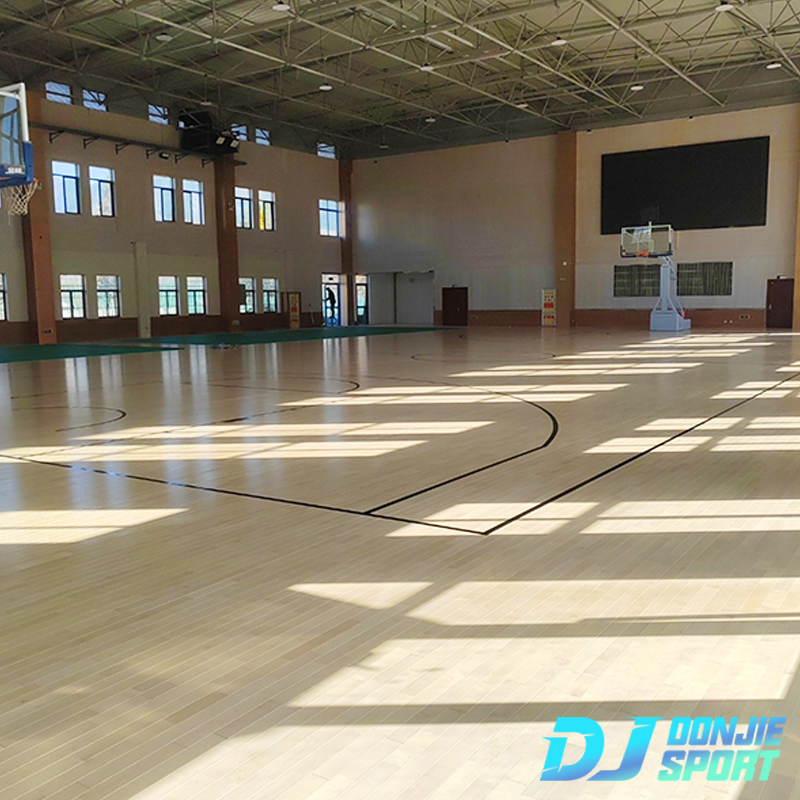
Key Factors to Consider When Choosing a Wood Sport Floor
When selecting a wood sport floor, several factors should guide your decision. These include the type of wood used, durability, surface finish, shock absorption, and ease of maintenance. Let’s break down each of these important aspects.
Type of Wood Used: Solid Hardwood vs. Engineered Wood
The first consideration when choosing a wood sport floor is the type of wood. The most commonly used woods are maple and oak, known for their durability and performance characteristics.
-
Solid Hardwood: Solid wood floors are made from a single piece of wood, offering excellent durability and performance. They are ideal for high-impact sports and provide consistent bounce and grip. Maple wood, in particular, is a popular choice due to its resilience and smooth surface.
-
Engineered Wood: Engineered wood consists of layers of wood, with a top veneer of high-quality hardwood. This construction provides added stability and resistance to temperature and humidity fluctuations, making it suitable for a wider range of environments. It’s also more cost-effective than solid hardwood, but it may not offer the same level of performance for elite sports.
Durability and Longevity
Durability is a key factor in determining the longevity of your wood sport floor. A floor that can withstand constant use without showing wear and tear is essential for maintaining performance standards over time.
-
Hardness of the Wood: Harder wood species, like maple and oak, are less prone to scratches and dents, which makes them ideal for high-traffic areas and heavy sports activities.
-
Wear Layer: If you choose engineered wood, check the thickness of the wear layer. A thicker wear layer increases the floor’s longevity, as it can withstand refinishing multiple times over its lifetime.
Surface Finish: Polyurethane vs. Oil Finishes
The surface finish plays an essential role in the durability and maintenance of your wood floor. Two of the most popular finishes are polyurethane and oil finishes.
-
Polyurethane Finish: This is the most common finish used for wood sport floors due to its durability and resistance to wear, moisture, and stains. Polyurethane finishes create a hard, smooth surface that provides excellent traction for athletes while being relatively low maintenance.
-
Oil Finish: Oil finishes are favored for their natural look and feel, offering a more “breathable” surface. However, they require more maintenance compared to polyurethane finishes and may not be as resistant to heavy wear.
Comfort and Shock Absorption
Comfort and safety are essential when choosing a wood sport floor. Floors with better shock absorption can reduce the risk of injuries during play, particularly for high-impact sports like basketball or volleyball.
-
Suspended Systems: These systems feature a layer of cushioning beneath the floor to absorb shocks and reduce stress on the joints. They are ideal for gyms and arenas where athletes frequently perform high-impact movements.
-
Traditional Wood Floors: Some wood floors are designed with built-in shock absorption, offering moderate support for athletes without the need for additional systems.
Maintenance Requirements
Wood sport floors require regular care to keep them in top condition. The maintenance needs will depend on the type of finish and the amount of traffic the floor receives.
-
Cleaning: Regular dusting and cleaning are crucial to prevent dirt and debris from scratching the surface. A simple cleaning routine with a microfiber mop and wood-safe cleaner will suffice for most floors.
-
Refinishing and Recoating: Over time, the surface may wear down. Refinishing or recoating the floor is necessary to restore its finish, improve safety, and prolong its lifespan. This should be done every few years depending on the level of use.
-
Repairs: Scratches, dents, and minor damages can often be repaired. Small imperfections can be sanded out and refinished, ensuring the floor maintains its smooth surface.
Different Types of Wood Sport Floors and Their Benefits
Not all wood sport floors are created equal. Depending on your needs, different types of wood can offer unique benefits.
Maple Wood Floors: The Gold Standard for Indoor Sports
Maple is the most commonly used wood for sport floors due to its combination of strength, durability, and smooth texture. It provides excellent traction and bounce, making it a popular choice for high-performance venues like basketball courts.
-
Benefits: Maple floors are durable, easy to maintain, and provide a consistent performance surface. They are also resistant to warping and expansion, even in humid conditions.
Oak Wood Floors: Durability and Aesthetic Appeal
Oak floors are another great option for sport facilities, offering a beautiful, rich aesthetic in addition to their durability.
-
Benefits: Oak is known for its strength and resilience, making it ideal for heavy-duty applications. While it may not offer the same smoothness as maple, oak floors are sturdy and provide a reliable surface for a variety of sports.
Other Wood Varieties: Exotic and Alternative Options
If you’re looking for something unique, there are various exotic woods available, such as cherry, walnut, and ash. These woods are often chosen for their distinct looks and ability to stand out in premium venues.
-
Benefits: Exotic woods can provide an upscale, one-of-a-kind look for your facility, though they may come with a higher cost and specific maintenance requirements.
Installation Considerations for Wood Sport Floors
Proper installation is key to ensuring your wood sport floor performs optimally. Here are a few important factors to consider:
Professional Installation vs. DIY Options
While DIY installation may seem tempting, professional installation is recommended for wood sport floors. Experienced installers ensure the subfloor is properly prepared and the floor is installed with the correct expansion gaps, which are crucial to the longevity of the floor.
The Importance of Subfloor Preparation
Before installing your wood floor, the subfloor must be thoroughly prepared. A stable, level subfloor is essential for ensuring the floor lays evenly and avoids issues like uneven surfaces or creaking.
Expansion Gaps and Their Role in Floor Installation
Wood naturally expands and contracts with changes in temperature and humidity. Installing a wood floor without allowing for expansion gaps can lead to warping and damage over time. Professional installers account for these gaps to ensure the floor moves freely without damage.
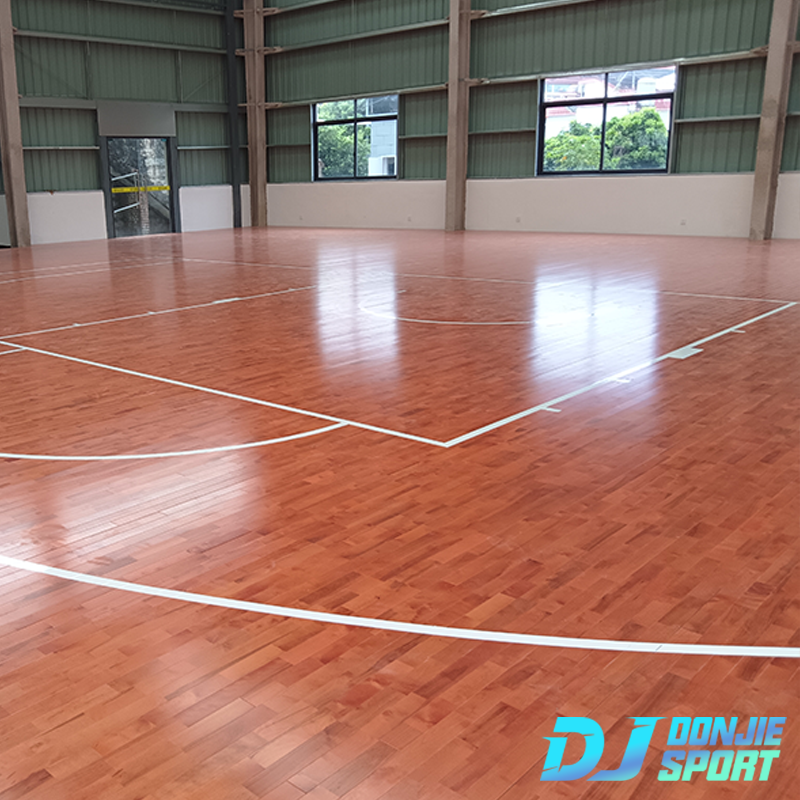
How to Maintain and Care for Your Wood Sport Floor
To keep your wood sport floor looking and performing its best, regular care is essential.
-
Regular Cleaning: Sweep or vacuum your floor regularly to prevent dirt and debris from causing damage.
-
Refinishing: Depending on the traffic level, you may need to refinish the floor every few years. This involves sanding down the surface and applying a fresh coat of finish.
-
Repairs: Small scratches or dents can be repaired with wood filler or sanding, depending on the depth of the damage.
Choosing the Right Wood Sport Floor for Different Sports
When choosing a wood sport floor, it’s important to consider the specific needs of the sports played in your facility.
-
Multi-Purpose Sports Facilities: For venues that host multiple types of sports, a medium-density wood like maple or oak is typically ideal.
-
High-Impact Sports: Sports like basketball or volleyball require a floor that offers optimal shock absorption and durability. Wood floors with a suspended system or shock-absorbing underlayment are best suited for these activities.
Sustainability and Environmental Considerations
As sustainability becomes more important, choosing a wood sport floor that is eco-friendly is a great decision.
-
Sustainable Wood Sourcing: Look for wood floors made from certified sustainable sources, like those certified by the Forest Stewardship Council (FSC).
-
Recycled and Reclaimed Wood: Consider using reclaimed or recycled wood for your sport floor to reduce environmental impact.
Finding the Best Wood Sport Floor for Your Facility
Choosing the right wood sport floor is an important investment in your facility’s long-term performance, safety, and aesthetics. By considering factors like wood type, durability, finish, and maintenance requirements, you can make an informed decision that benefits both your athletes and your facility.
A well-maintained wood sport floor not only enhances performance but also adds a premium look to your venue. Whether you’re outfitting a high-performance basketball court or a multi-purpose gymnasium, the right floor will support your athletic endeavors for years to come.