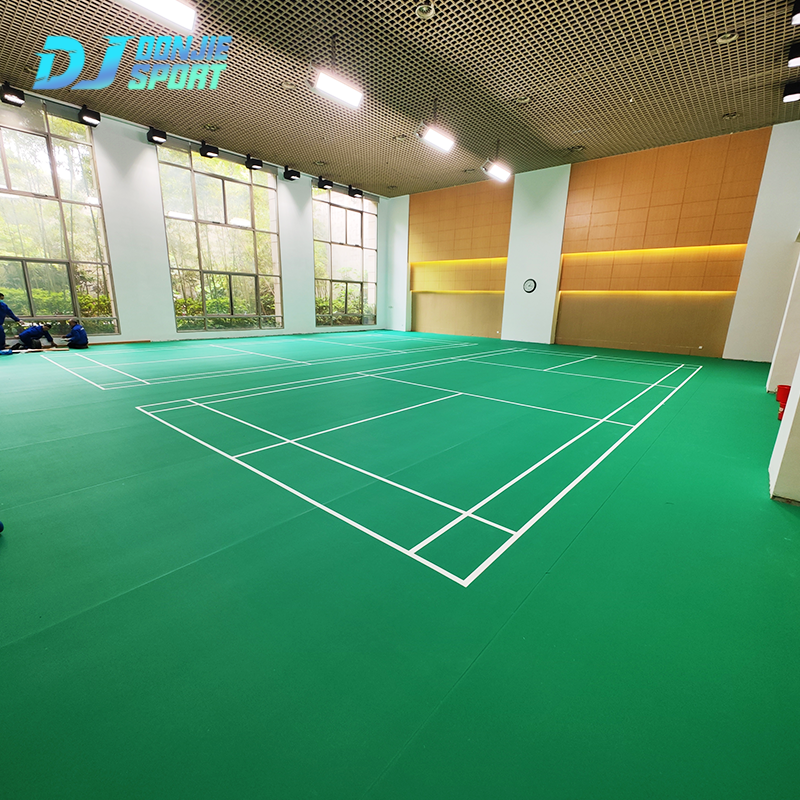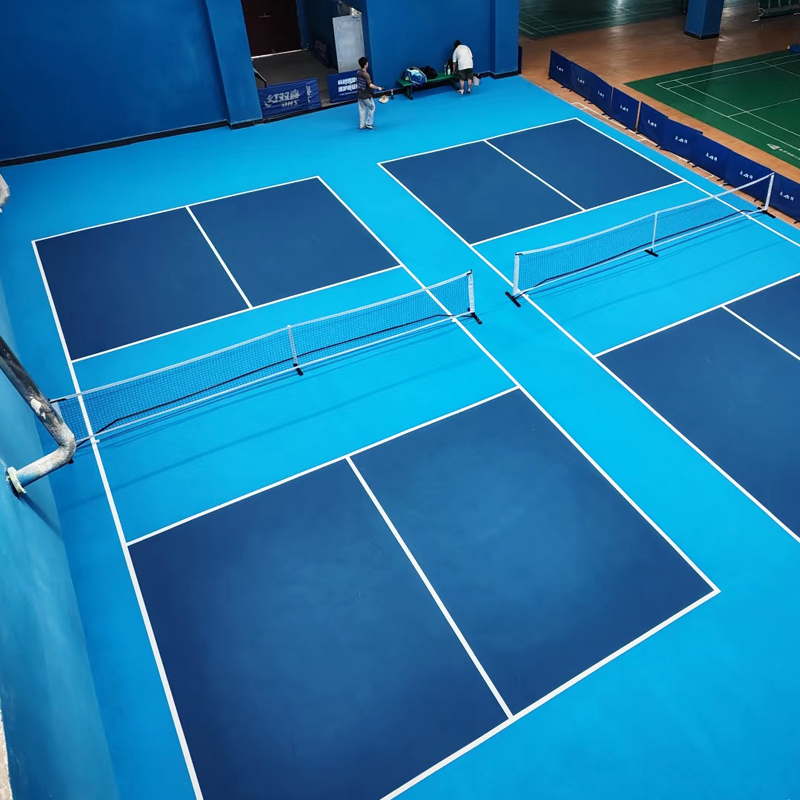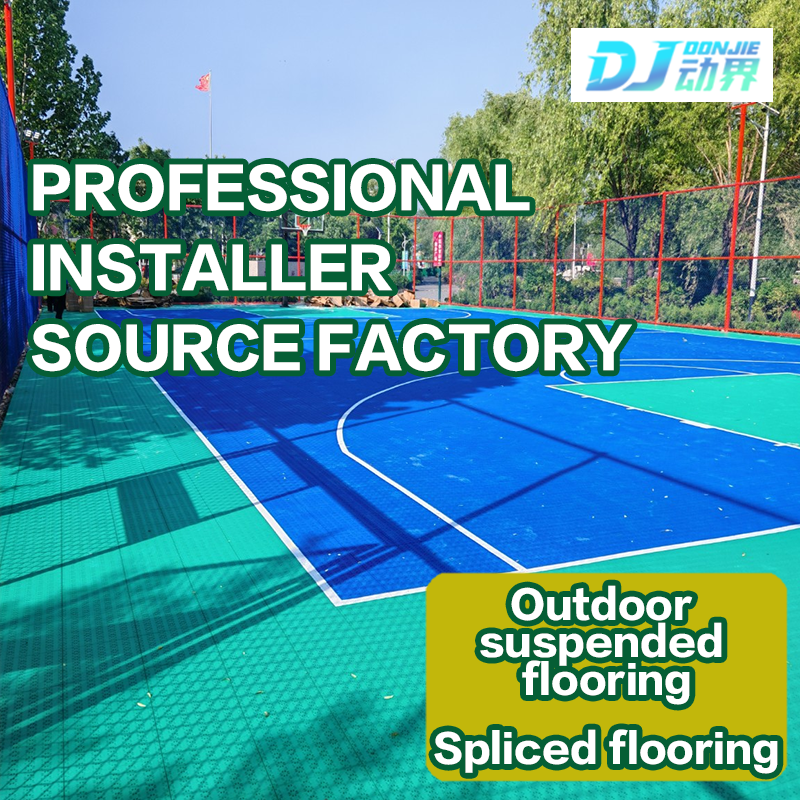
Pickleball is growing rapidly in popularity, and whether you’re building a new court or upgrading an existing one, choosing the right flooring is critical. Pickleball court flooring mats offer several benefits that can enhance both gameplay and safety. From maintaining optimal traction to improving player comfort, these mats are designed to meet the demands of the sport. This guide will walk you through everything you need to know about pickleball court flooring mats, including types, installation tips, maintenance, and pricing, so you can make the best decision for your court.
Understanding Pickleball Court Flooring Mats
What Are Pickleball Court Flooring Mats?
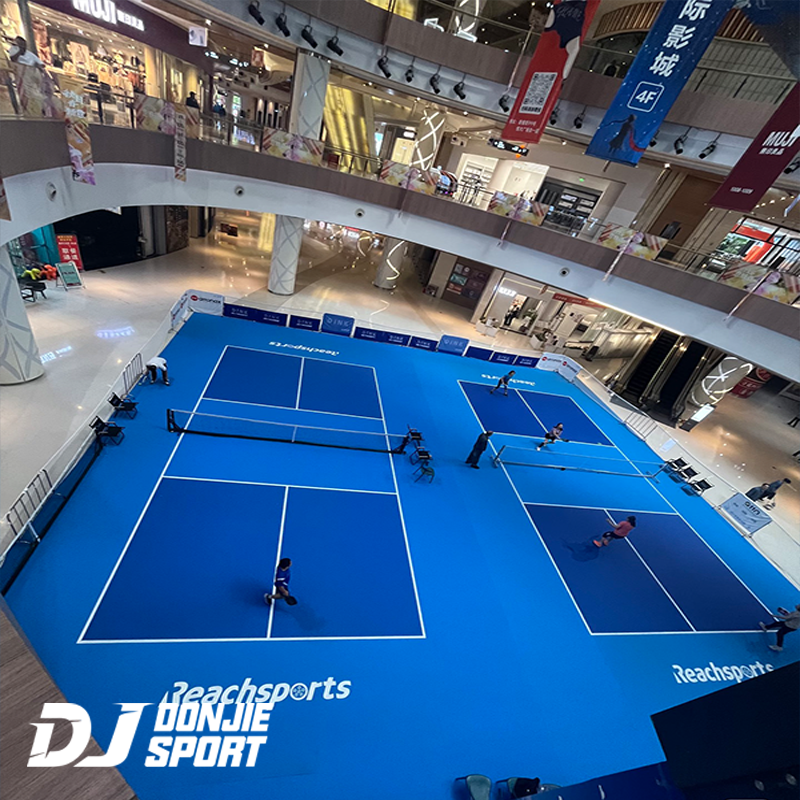
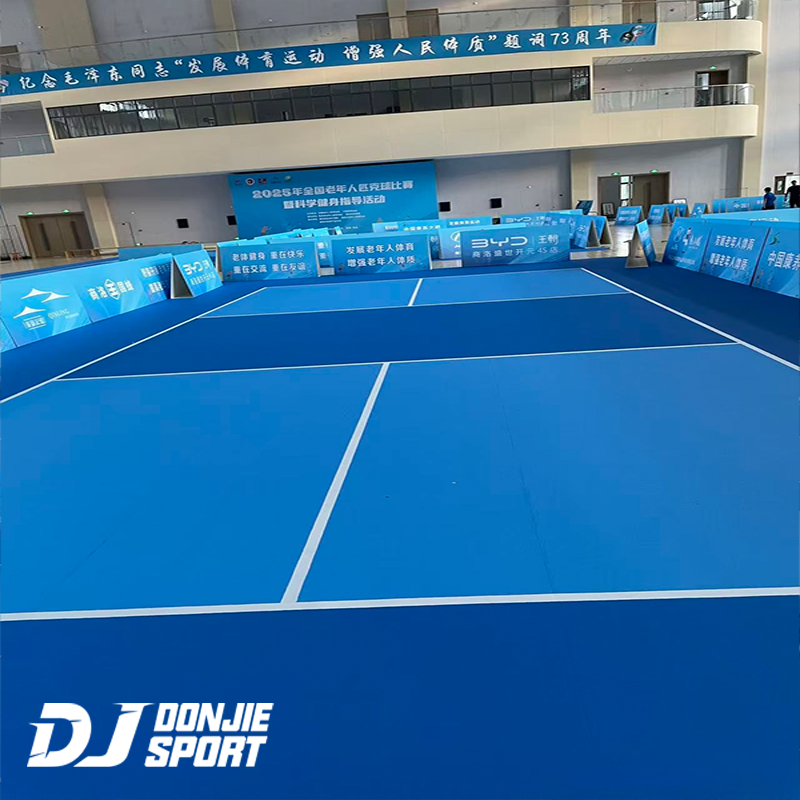
Pickleball court flooring mats are specialized surfaces designed to be installed on indoor and outdoor courts. They provide a consistent playing surface that enhances performance, safety, and durability. These mats are often made from materials like rubber, PVC, or foam, which can withstand heavy use, offer good traction, and reduce the risk of injury.
The Role of Mats in Game Performance and Safety
The right flooring mat can significantly affect a player’s performance. A surface that provides the right amount of traction and cushioning can reduce strain on the body during intense rallies. Mats also ensure the court remains consistent in terms of ball bounce, allowing players to predict the ball’s trajectory accurately. Safety is another key aspect. Proper mats reduce the risk of slips and falls, which are common when courts are too slick or uneven.
Benefits of Using Flooring Mats
Some of the primary benefits of pickleball court flooring mats include:
-
Injury Prevention: Mats with adequate cushioning can absorb impact, reducing the risk of joint stress and injury.
-
Enhanced Grip: A high-traction surface allows players to move more freely without the fear of slipping.
-
Low Maintenance: Most mats are easy to clean and require little upkeep, saving time and effort.
-
Portability: Many mats, especially interlocking tiles, can be easily relocated or replaced.
Types of Pickleball Court Flooring Mats
Rubber Mats: Durability and Versatility
Rubber mats are one of the most common options for both indoor and outdoor pickleball courts. They’re highly durable, weather-resistant, and provide excellent grip, making them a great choice for consistent play. Rubber mats are also known for their noise reduction properties, which is a significant benefit in noisy or shared spaces.
PVC Mats: Easy Maintenance and High Traction
PVC mats are typically lighter than rubber, making them easier to handle during installation. They offer excellent traction, which is crucial for safe movement, and are generally resistant to wear and tear. One of the main advantages of PVC mats is their low-maintenance nature—they can easily be wiped down and kept clean.
Interlocking Tile Mats: Customizable Layouts
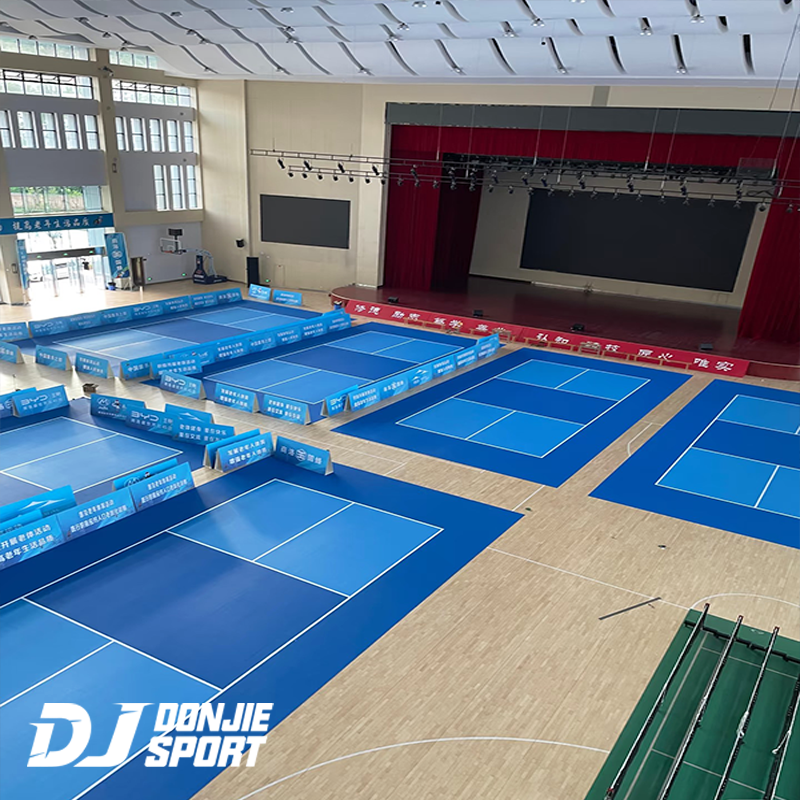
Interlocking tile mats offer flexibility in terms of design and installation. These mats snap together to create a uniform surface, and their modular nature allows for easy repairs or customization. They are ideal for temporary courts or locations where the layout may need to be adjusted frequently.
Outdoor vs. Indoor Mats: Key Differences
While indoor pickleball court mats are typically designed for comfort and performance, outdoor mats need to be more durable to withstand weather elements such as rain, UV rays, and temperature fluctuations. Outdoor mats tend to be thicker and more resistant to wear, while indoor mats focus more on cushioning and comfort.
How to Choose the Right Pickleball Court Flooring Mat
Factors to Consider: Court Type, Player Needs, Budget
Choosing the right mat depends on a few key factors, including the type of court (indoor or outdoor), the level of play, and your budget. Indoor courts require mats that offer good cushioning, while outdoor courts need durable mats that can withstand harsh weather conditions. Player needs also vary: recreational players might prefer a softer mat, while competitive players often prioritize grip and bounce consistency.
Importance of Grip and Traction for Safety
Grip is one of the most critical factors when choosing a mat. Without proper traction, players risk slipping, which can lead to injuries. Rubber and PVC mats are known for providing excellent grip. Be sure to test the mat’s surface before installation to ensure it provides the right balance between grip and slide.
Considering Cushioning and Comfort
Cushioning is especially important for indoor courts, where players tend to spend extended hours on the court. Mats with more cushioning can reduce fatigue and prevent injuries to the knees, ankles, and lower back. Mats with foam cores or rubber layers tend to offer the best cushioning for prolonged play.
Weather Resistance: Indoor and Outdoor Mat Options
For outdoor courts, weather resistance is crucial. Mats designed for outdoor use are made with UV-resistant materials and are often water-resistant as well. Indoor mats, on the other hand, are more focused on player comfort and may not hold up as well to outdoor elements.
Installation of Pickleball Court Flooring Mats
Easy Installation: DIY vs. Professional Setup
One of the advantages of flooring mats is that they’re relatively easy to install. For DIYers, interlocking mats are the best option as they require no adhesive or special tools. However, for more complex installations, such as large outdoor courts, professional installation may be necessary. A professional can ensure that the mats are properly aligned and secured.
Step-by-Step Guide to Installing Interlocking Mats
Installing interlocking mats is straightforward:
-
Prepare the Court: Clean and level the surface to ensure the mats sit evenly.
-
Lay the First Row: Start by placing the first row of tiles along one edge of the court.
-
Connect Tiles: Fit the tiles together, making sure each piece clicks securely into place.
-
Check for Gaps: After installation, walk over the surface to ensure there are no gaps or uneven areas.
-
Trim Edges: If necessary, trim the mats at the edges to fit the dimensions of the court.
Tips for Ensuring Long-Term Durability
To maximize the lifespan of your flooring mats, avoid heavy equipment or sharp objects on the surface. Regular cleaning and immediate repair of any damage will also keep the mats in optimal condition.
Maintenance and Care for Pickleball Court Flooring Mats
Cleaning Guidelines for Different Types of Mats
Most mats are low maintenance, but it’s essential to follow the manufacturer’s cleaning instructions. Generally, regular sweeping and occasional mopping with mild detergent are sufficient for indoor mats. For outdoor mats, a hose or pressure washer may be used for deeper cleaning. Always avoid harsh chemicals that can damage the mat’s surface.
How to Prevent Wear and Tear
To minimize wear and tear, ensure that the mats are not subjected to excessive weight or friction. Regularly check for any signs of damage, such as cracking or warping. For outdoor mats, use a tarp or cover to protect them from prolonged exposure to the elements when not in use.
Repairing Damaged Mats: What You Need to Know
If a mat is damaged, it can often be repaired without needing a full replacement. For rubber or PVC mats, use a rubber adhesive to seal any cracks or tears. If the damage is extensive, replacing the affected tiles or sections is usually the most efficient solution.
Cost of Pickleball Court Flooring Mats
Price Ranges for Different Types of Mats
The price of pickleball court flooring mats can vary depending on the material, quality, and size. Rubber mats generally cost more than PVC or foam mats, but they offer better durability. Interlocking tile mats may have a higher upfront cost but provide long-term flexibility and customization.
Factors Affecting Cost: Material, Size, and Durability
The cost of mats depends on factors such as material, thickness, and overall durability. Higher-quality mats that are designed for professional-level play tend to be more expensive. Additionally, larger courts require more material, which will increase the cost.
How to Get the Best Value for Your Investment
To get the best value for your money, balance your budget with the mat’s longevity and performance. Consider how often the court will be used, as well as the weather conditions for outdoor courts, when making your decision.
Frequently Asked Questions (FAQ)
How Long Do Pickleball Court Flooring Mats Last?
With proper maintenance, pickleball court flooring mats can last for several years. Rubber mats, for example, can last up to 10 years, while PVC mats may need replacing sooner depending on wear and exposure to elements.
Can I Use Flooring Mats for Both Indoor and Outdoor Courts?
Some mats are designed for both indoor and outdoor use, but it’s important to choose mats specifically made for outdoor conditions if your court is outside. Outdoor mats are built to withstand UV rays, rain, and temperature fluctuations.
What’s the Best Type of Mat for a Pickleball Court?
The best type of mat depends on your needs. For indoor courts, cushioned mats made of rubber or PVC offer the best comfort and performance. For outdoor courts, weather-resistant rubber mats are a reliable option.
Conclusion
Selecting the right flooring mat for your pickleball court is essential for both performance and safety. By considering the material, installation process, and maintenance needs, you can choose a mat that suits your specific court type and usage requirements. Whether you opt for rubber, PVC, or interlocking tile mats, ensure you select a product that offers durability, comfort, and safety to enhance your game.