When building or upgrading an outdoor basketball court, one of the most crucial decisions you’ll face is selecting the right flooring. The ideal flooring should not only provide excellent performance but also withstand the elements. Outdoor basketball courts are exposed to a variety of weather conditions, including rain, extreme heat, cold temperatures, and direct sunlight. These environmental factors can cause wear and tear on the court surface, affecting both its functionality and aesthetics.
Choosing the best outdoor basketball court flooring for any weather condition requires careful consideration of durability, maintenance, and safety. In this guide, we’ll explore the essential factors to consider when selecting flooring that will perform well no matter what Mother Nature throws its way.
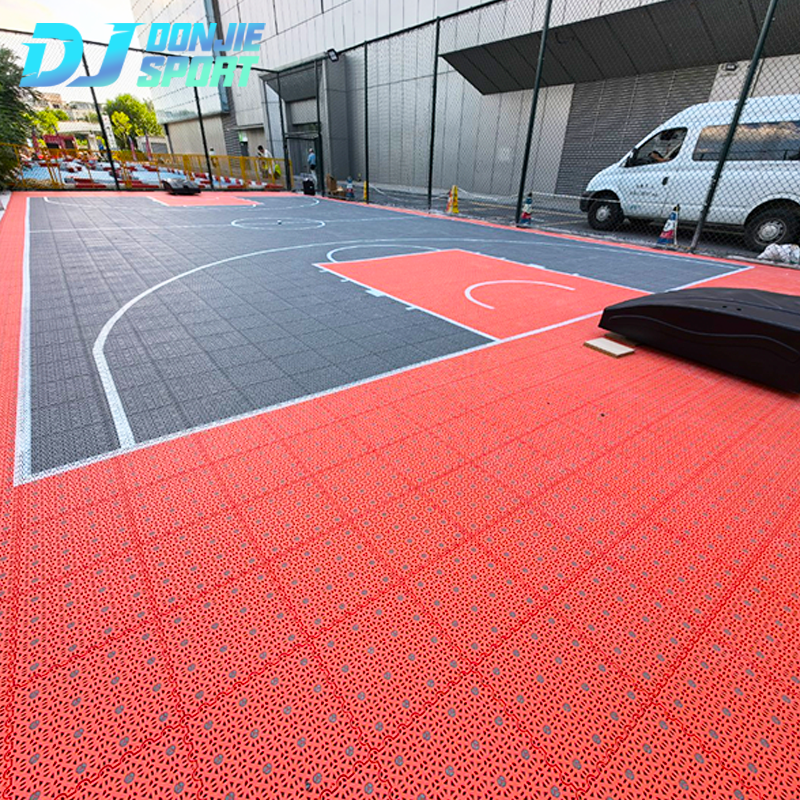
Types of Outdoor Basketball Court Flooring Materials
When selecting outdoor basketball court flooring, understanding the different materials available is essential. Here’s a look at some of the most popular choices, each offering unique benefits for all-weather use:
PVC Flooring: Benefits and Durability
PVC (Polyvinyl Chloride) flooring is a top choice for outdoor basketball courts due to its excellent durability and resistance to weather elements. This material is known for its ability to withstand harsh UV rays, heavy rain, and even extreme temperatures. It is highly resistant to moisture, making it ideal for rainy conditions. Moreover, PVC flooring often features a smooth surface that ensures a consistent and safe playing experience.
Rubber Flooring: Ideal for Comfort and Protection
Rubber flooring is another great option for outdoor courts, offering superior shock absorption. It provides a comfortable surface for players, reducing the risk of injuries such as sprains or strains. This material is also resistant to water and extreme weather, making it an excellent choice for areas that experience frequent rain or intense sun. While rubber may not offer the same level of UV resistance as PVC, its comfort and protective features make it a top contender for multi-purpose outdoor courts.
Polyurethane Flooring: Weather Resistance and Performance
Polyurethane flooring stands out for its exceptional performance in all weather conditions. It offers excellent resistance to UV rays and is less likely to fade or crack under prolonged exposure to sunlight. Polyurethane is also highly durable and flexible, adapting well to both high heat and cold weather. This makes it an ideal flooring material for regions with fluctuating climates, ensuring consistent gameplay year-round.
Key Factors to Consider for All-Weather Flooring
Selecting flooring that can endure all weather conditions involves considering several factors that contribute to both performance and longevity. Here are the key elements to keep in mind:
Water Resistance: How to Protect Your Court from Rain and Moisture
Water resistance is one of the most critical factors when choosing outdoor basketball court flooring. Courts that collect water or puddles can become slippery and unsafe for players, and prolonged exposure to water can damage certain types of flooring. Look for materials like PVC and rubber that are specifically designed to repel water and dry quickly after rainfall. Proper drainage beneath the flooring is also crucial to prevent water accumulation.
UV Protection: Ensuring the Flooring Doesn’t Fade Under Direct Sunlight
UV protection is essential for maintaining the aesthetic and performance of your outdoor court. Flooring materials that lack UV resistance can become brittle, fade in color, or crack over time when exposed to the sun. High-quality PVC and polyurethane flooring often have built-in UV resistance, which helps the court maintain its vibrant colors and structural integrity, even under intense sunlight.
Temperature Tolerance: Choosing Flooring That Adapts to Both Heat and Cold
Extreme temperatures can cause damage to outdoor flooring, especially if the material becomes too hard in cold weather or too soft in extreme heat. The best outdoor basketball court flooring should be able to maintain its flexibility and resilience across a wide temperature range. Polyurethane flooring is particularly well-suited for this, as it’s designed to withstand both high and low temperatures without compromising performance.
How to Ensure Traction and Safety in Various Conditions
Traction is a critical component of outdoor basketball court flooring. A floor that lacks proper grip can be dangerous, especially in wet or damp conditions. Here are some key considerations to ensure safety and performance:
Importance of Non-Slip Surfaces for All Weather Conditions
The risk of slipping increases when floors are wet, so ensuring your flooring has a textured surface can significantly enhance player safety. Look for flooring options with non-slip coatings or embossed patterns that provide added grip, even when the court is wet from rain. Non-slip surfaces reduce the risk of accidents and contribute to a better overall playing experience, even during inclement weather.
The Role of Textured Flooring in Preventing Injuries
Textured flooring is not just about preventing slips—it also helps in reducing the impact on players’ joints. This is particularly important for basketball players who regularly perform high-impact moves. Flooring materials with texture provide better support and shock absorption, decreasing the likelihood of injuries, especially when combined with the right cushioning material underneath.
Maintenance Considerations for Long-Term Durability
To ensure your outdoor basketball court flooring remains in top condition for years to come, proper maintenance is essential. Here’s what you should consider:
Easy-to-Maintain Flooring Materials That Withstand the Elements
The best outdoor basketball court flooring is easy to maintain, requiring minimal effort to keep it looking and functioning like new. PVC and rubber flooring are particularly low-maintenance, requiring only regular cleaning to remove dirt, debris, and moisture. For areas prone to heavy rain or snow, ensure that your court has a surface that can quickly dry and won’t absorb water.
Seasonal Care Tips to Extend the Life of Your Basketball Court
Proper seasonal care can prolong the life of your court flooring. During colder months, it’s crucial to ensure that snow and ice do not accumulate on the court. A protective tarp or cover can help shield the flooring from the elements when the court isn’t in use. Additionally, avoid using harsh chemicals or abrasive cleaning tools, as they can damage the surface over time. Routine inspections can help you identify any areas in need of repair before they become major problems.
Cost-Effectiveness: Balancing Quality and Budget
While it’s tempting to choose the least expensive flooring option, it’s important to consider the long-term costs associated with cheap materials. High-quality outdoor basketball court flooring is an investment that pays off in terms of durability and performance. Here’s how to balance quality and budget:
Why Investing in High-Quality Outdoor Basketball Court Flooring is a Smart Decision
Opting for higher-quality materials ensures that your flooring will last longer, withstand harsh weather conditions, and require less maintenance over time. Although the initial installation cost may be higher, the long-term savings from avoiding repairs and replacements make it a worthwhile investment. Quality flooring materials, like PVC and polyurethane, can save you money by reducing the need for frequent maintenance or replacement.

How to Compare Options for Cost-Efficiency in Both Installation and Maintenance
When comparing different flooring options, consider not only the installation costs but also the ongoing maintenance expenses. Some materials may have a lower upfront cost but could require more frequent repairs or replacement. Look for durable, weather-resistant materials that can withstand the test of time without frequent interventions.
Environmental Impact: Choosing Eco-Friendly Flooring Options
In today’s world, sustainability is more important than ever. Choosing eco-friendly outdoor basketball court flooring can help reduce your environmental footprint while ensuring a durable and safe playing surface.
Sustainable Materials for an Eco-Conscious Court
Several outdoor basketball court flooring options are made from recycled or sustainable materials. For example, rubber flooring can often be sourced from recycled tires, while some PVC options are designed to be recyclable. Selecting these materials not only supports eco-friendly practices but also contributes to the creation of a green sports facility.
How Weather-Resistant Flooring Contributes to Green Initiatives
Weather-resistant flooring reduces the need for constant repairs and replacements, which can lead to less waste over time. Additionally, many high-quality flooring materials are designed to be long-lasting, meaning fewer resources are used to manufacture and install new flooring in the future.
Selecting the Right Flooring for Your Basketball Court
When it comes to choosing the best outdoor basketball court flooring for any weather condition, there’s no one-size-fits-all solution. However, by considering the material’s durability, water resistance, UV protection, and safety features, you can select flooring that ensures a safe, enjoyable playing experience for years to come. PVC, rubber, and polyurethane flooring all offer excellent options for various climates and weather conditions.
By investing in high-quality, weather-resistant flooring, maintaining it properly, and considering the environmental impact of your choice, you can create a basketball court that not only performs well but also stands the test of time—no matter the weather.