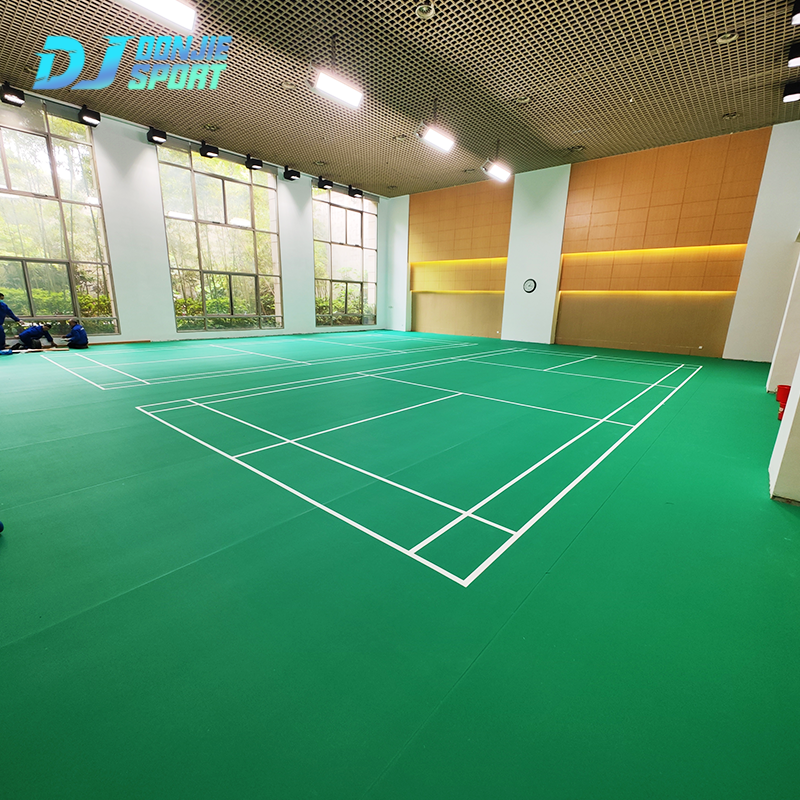
When it comes to choosing the right flooring for a sports facility, there are countless options available. However, one of the most popular and enduring choices remains wood sport floors. Whether it’s for basketball courts, volleyball courts, or multi-purpose gymnasiums, wood floors are often considered the gold standard for performance, safety, and aesthetic appeal.
Despite their widespread use, there are several myths that persist about wood sport floors. These misconceptions may deter some from choosing this option for their facilities. In this article, we aim to debunk the top five myths surrounding wood sport floors to help you make an informed decision for your athletic space.
Myth #1: Wood Sport Floors Are Too Expensive for Most Facilities
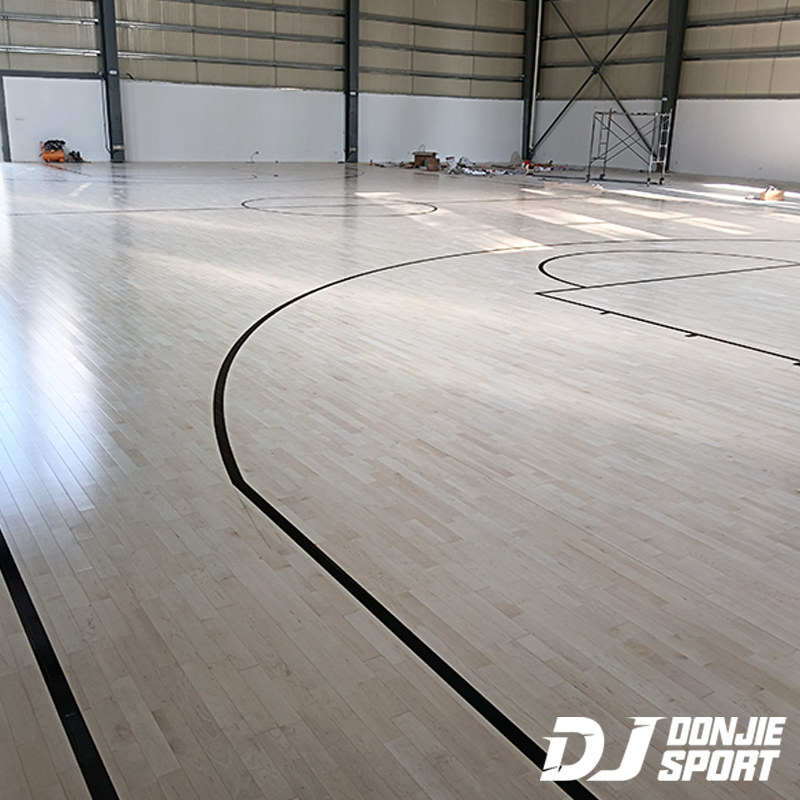
One of the most common myths about wood sport floors is that they are too costly for many facilities to afford. It’s true that the initial installation cost of wood floors may be higher compared to some alternative flooring options. However, when you consider the long-term benefits and savings, wood sport floors can actually be a more cost-effective choice in the long run.
Wood floors are incredibly durable, with a lifespan that often exceeds 30 years when properly maintained. This longevity means you won’t need to replace the flooring as often as you might with cheaper materials that wear out quickly. Additionally, wood sport floors require minimal maintenance compared to other options. A quick sanding and refinishing every few years can restore their appearance and functionality, ensuring they continue to perform well for decades.
In comparison, other flooring types may require frequent repairs or replacements, and the cost of those can quickly add up over time. When you factor in the lifespan and low upkeep of wood sport floors, the initial cost becomes a wise investment.
Myth #2: Wood Sport Floors Are Difficult to Maintain
A common misconception surrounding wood sport floors is that they are challenging to maintain. People often believe that the natural wood material requires constant attention and care. In reality, wood sport floors are quite easy to maintain with just a few simple steps.
The primary maintenance required for wood floors includes regular sweeping or vacuuming to remove dirt and debris, which can cause scratches if left unchecked. Additionally, occasional damp mopping helps to keep the surface clean. A key factor is ensuring that spills are cleaned up promptly to prevent any moisture damage.
Every few years, wood floors may require sanding and refinishing to restore their smooth surface and glossy finish. However, this process is straightforward and typically carried out by professionals with minimal disruption to the use of the facility. Many sports venues prefer wood floors specifically because they can be rejuvenated, making them last much longer than other types of flooring, which may need full replacement after only a few years.
Proper maintenance also involves monitoring the humidity levels in the venue. Wood is naturally sensitive to moisture changes, so ensuring the environment remains consistent can help prevent warping. This small adjustment is all that’s needed to keep your wood sport floor in top condition for years.
Myth #3: Wood Sport Floors Aren’t Suitable for Multi-Purpose Venues
Another common myth is that wood sport floors are not ideal for multi-purpose venues. This belief stems from the assumption that wood floors are too specialized for certain types of sports, or that they cannot handle the wear and tear of varied activities.
In fact, wood sport floors are highly versatile and can accommodate a wide range of sports and activities. From basketball and volleyball to dance and fitness classes, wood floors provide the ideal surface for all these uses. Their shock-absorbing properties make them safe for various sports, while their smooth, level surface is perfect for fitness routines that require precision.
Wood floors are engineered to meet the specific needs of athletic performance, which makes them suitable for both professional-level competitions and casual recreational activities. The flexible design and build of these floors allow them to withstand heavy use without compromising performance. Many multi-purpose venues, including gyms, community centers, and even schools, opt for wood flooring because it is a reliable choice that works for nearly any activity.
Myth #4: Wood Sport Floors Are Not Safe for Athletes
Some people mistakenly believe that wood sport floors are unsafe for athletes, either due to their hardness or the risk of injury. However, the opposite is true. Wood floors are actually designed with safety in mind, offering athletes a safe environment to perform at their best.
Wood sport floors feature natural shock absorption qualities that reduce the impact on joints, which can be especially important for sports that involve a lot of jumping and sudden movements. This cushioning effect can help minimize the risk of injury over time, particularly for athletes who engage in intense physical activity. The ability of wood to absorb shock also makes it safer than harder surfaces, such as concrete or tile, which can cause more severe injuries during falls or high-impact landings.
In addition, wood sport floors are non-slip, ensuring a secure grip during games or practices. This prevents players from slipping and helps improve overall traction and stability, reducing the chance of accidents on the court or field. Many studies support the notion that wooden surfaces contribute to fewer injuries, especially in comparison to other flooring types used in indoor sports venues.
Myth #5: Wood Sport Floors Don’t Offer the Performance Required for Professional Use
Lastly, some believe that wood sport floors don’t meet the performance standards required for professional athletic venues. This myth arises from the misconception that wood floors are more suited for recreational or non-professional spaces. However, wood sport floors are actually the preferred choice for top-tier sports arenas, including those used for professional basketball and volleyball.
Wood floors are engineered to meet the highest performance standards, offering a consistent and reliable playing surface that supports both speed and precision. Professional-grade wood sport floors are made from hardwoods such as maple, which are known for their durability, strength, and resistance to wear. These surfaces provide excellent ball bounce and offer a level of resilience that synthetic options cannot match.
Athletes in professional settings rely on the superior performance characteristics of wood floors to achieve peak results. From the consistent ball bounce to the shock absorption, wood floors help players perform at their best while minimizing the risk of injury. Many major professional sports leagues and tournaments choose wood flooring for its unmatched performance qualities, making it the gold standard for indoor athletic surfaces.
Conclusion
It’s clear that the myths surrounding wood sport floors are just that—myths. Wood floors offer an exceptional combination of durability, safety, versatility, and performance. They are an excellent choice for facilities of all kinds, whether you’re outfitting a school gym, a multi-purpose venue, or a professional sports arena. By debunking these common misconceptions, we hope to help you make a more informed decision when selecting flooring for your facility.