Selecting the right flooring for high-traffic areas in sports halls is essential to ensuring the safety, performance, and longevity of the facility. Sports halls often witness a significant amount of foot traffic, which can take a toll on the flooring materials over time. Therefore, choosing a flooring solution that can withstand wear and tear while providing a safe and comfortable environment for athletes is crucial.
In this article, we’ll explore the top five flooring materials ideal for high-traffic sports halls. These materials not only enhance the performance of athletes but also provide long-term value with easy maintenance and durability. Let’s dive into the best options for high-traffic areas and see how they compare in terms of functionality, comfort, and performance.
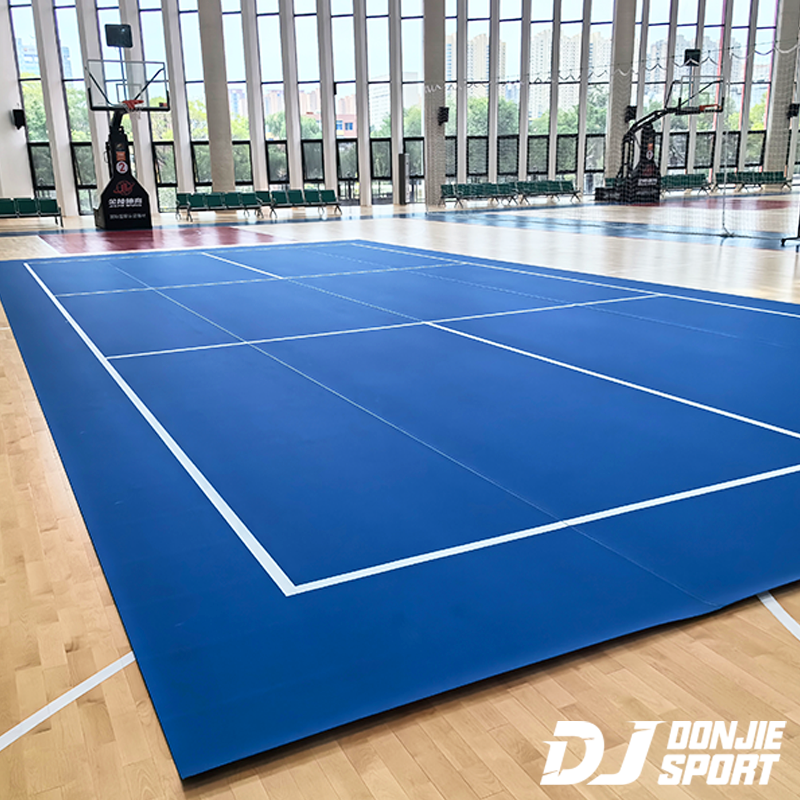
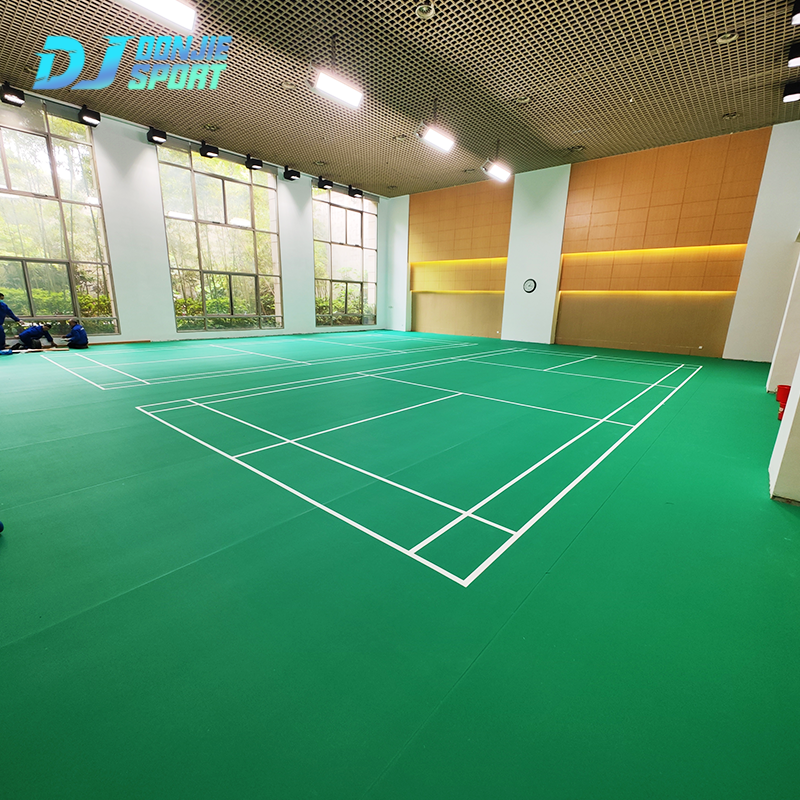
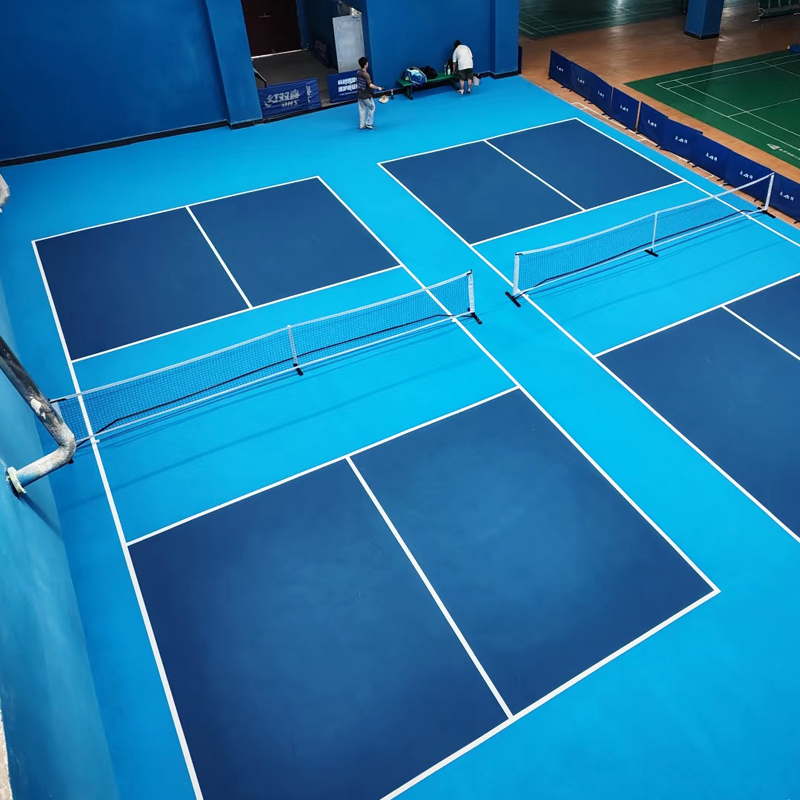
PVC Sports Flooring: A Durable and Cost-Effective Solution
When it comes to high-traffic areas in sports halls, PVC (Polyvinyl Chloride) sports flooring is one of the most popular and practical choices. Known for its exceptional durability, PVC flooring is designed to handle the constant foot traffic that sports halls experience. The material is tough, resilient, and offers a good balance between performance and affordability.
Benefits of PVC Sports Flooring:
-
Durability: PVC flooring is engineered to withstand heavy use without showing signs of wear. Its surface is resistant to scratches, stains, and impacts, making it ideal for sports halls that see frequent activity.
-
Maintenance: One of the standout features of PVC flooring is its low-maintenance nature. It requires only regular cleaning with a mop or vacuum, making it a cost-effective option for facilities looking to reduce maintenance costs.
-
Versatility: PVC is a versatile material that can be used in a variety of sports settings, including basketball courts, volleyball courts, and even gymnasiums. It can be customized with different colors and designs to match the facility’s branding or aesthetic.
-
Comfort: The material provides a degree of shock absorption, making it comfortable for athletes to play on for extended periods. This is particularly important in high-traffic sports like basketball, where players are constantly jumping and pivoting.
Overall, PVC sports flooring is a solid choice for those looking for an affordable, long-lasting, and easy-to-maintain flooring solution for their high-traffic sports hall.
Rubber Sports Flooring: Superior Cushioning for Athletes
Rubber flooring is another popular option for high-traffic areas in sports halls, especially in spaces where cushioning and impact absorption are critical. It is an excellent choice for areas that involve high-intensity activities, such as weight rooms or indoor sports courts where athletes may experience more frequent impacts.
Benefits of Rubber Sports Flooring:
-
Shock Absorption: Rubber flooring offers superior cushioning, which helps to reduce the impact on joints and muscles. This is especially important in high-impact sports, such as basketball or gym activities, where repeated stress on the body can lead to injury.
-
Slip Resistance: The surface of rubber flooring is naturally slip-resistant, providing athletes with added stability and security during intense movements.
-
Durability: Rubber is incredibly tough and can handle high amounts of foot traffic, making it suitable for areas that are used daily by large numbers of people. It’s also resistant to abrasions and stains, ensuring that it retains its appearance over time.
-
Sound Insulation: In sports halls with high foot traffic, rubber flooring can help reduce noise levels. Its sound-insulating properties can make the environment more comfortable, particularly for multi-purpose sports halls used for events or practice sessions.
Rubber sports flooring is particularly suited for weight training areas, multi-purpose halls, and basketball courts, offering both performance and protection for athletes.
Wood Sports Flooring: The Classic Choice for Indoor Courts
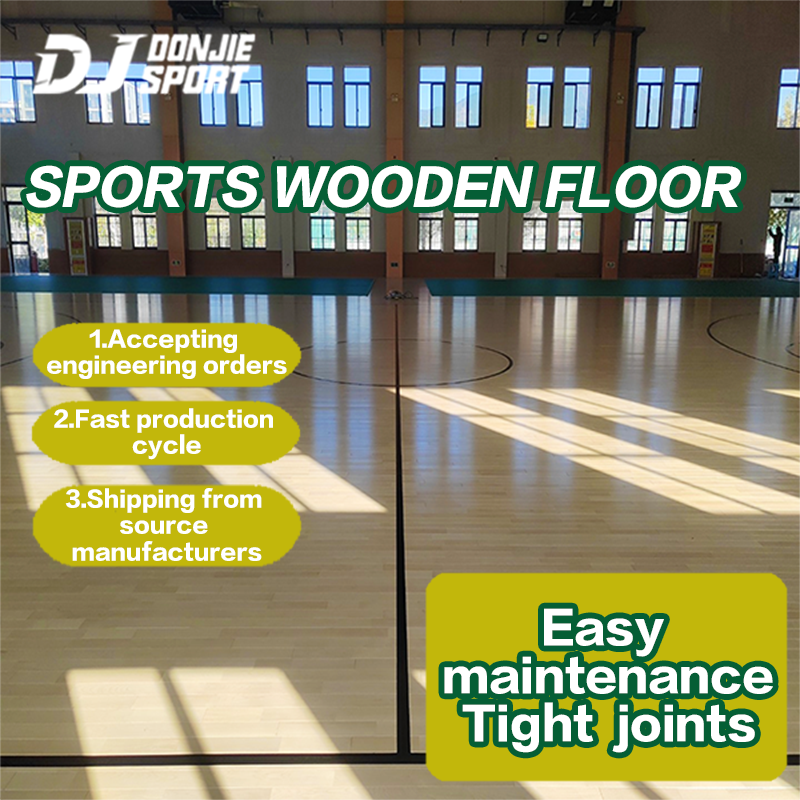
Wooden flooring has long been the preferred choice for professional indoor sports courts, especially in sports like basketball and volleyball. While it may be more expensive than other options, it offers unparalleled aesthetic appeal and performance benefits that make it worth the investment for many sports halls.
Benefits of Wood Sports Flooring:
-
Aesthetic Value: Wooden floors provide a timeless, classic look that adds elegance to any sports hall. They’re often associated with high-end professional sports venues, offering a premium feel to the space.
-
Resilience: Wood flooring is naturally resilient, providing an excellent playing surface for sports that require quick movements, like basketball. It offers good ball bounce and grip, improving overall game performance.
-
Comfort: The natural properties of wood provide a comfortable surface for athletes. The slight spring in the wood offers cushioning to reduce the impact on joints, making it ideal for high-intensity sports.
-
Longevity: When properly maintained, wood flooring can last for decades. Regular refinishing and sealing can help preserve its appearance and performance, making it a long-term investment for sports facilities.
Wooden floors are best suited for professional sports courts, such as basketball, volleyball, and tennis courts, where high performance and aesthetics are key considerations.
Interlocking Sports Flooring: A Flexible and Easy-to-Install Option
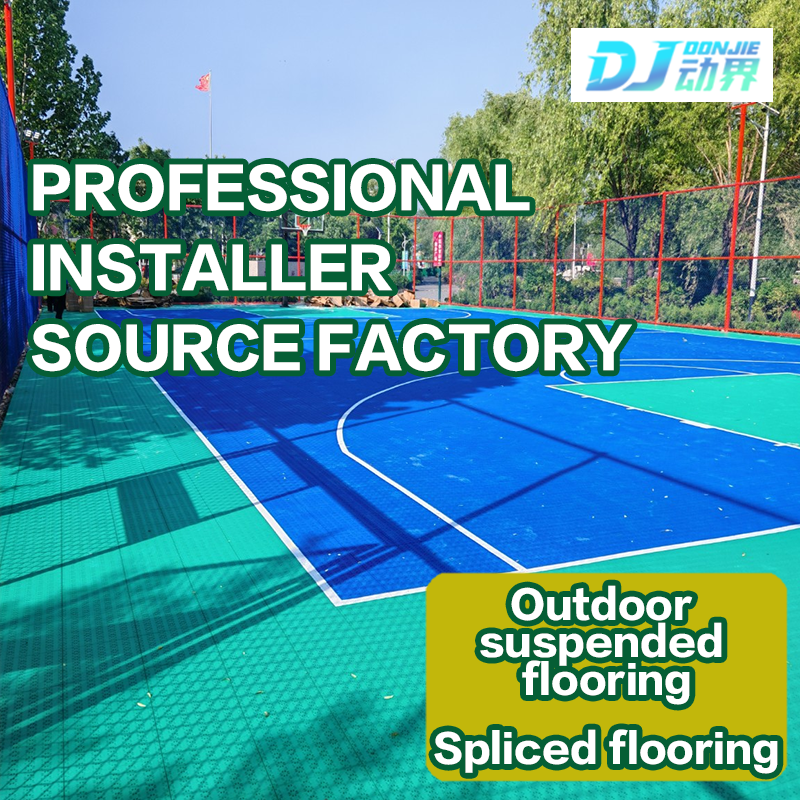
Interlocking tiles have become increasingly popular for sports halls due to their modular design and ease of installation. These tiles can be laid down quickly, making them ideal for sports halls that need flexible solutions for different events and activities.
Benefits of Interlocking Sports Flooring:
-
Modular Design: The interlocking nature of these tiles allows for quick assembly and disassembly. This makes them perfect for multi-purpose sports halls or venues that host events requiring temporary setups.
-
Customizable: Interlocking tiles come in various colors, patterns, and thicknesses, allowing facilities to customize the flooring to suit their specific needs. This flexibility makes it easy to create a flooring solution tailored to the activity taking place.
-
Durability: Despite their lightweight and modular nature, interlocking tiles are durable enough to handle high-traffic areas. They are resistant to wear, moisture, and abrasions, ensuring long-lasting performance.
-
Portability: Since the tiles can be easily removed and replaced, they are ideal for spaces that require frequent reconfiguration. They are also an excellent choice for schools and gyms that need to set up and break down sports surfaces quickly.
Interlocking tiles are perfect for multi-sport venues, temporary setups, and sports halls that host various activities.
Multi-Layer Sports Flooring: Advanced Technology for Maximum Performance
For facilities looking for the highest level of performance, multi-layer sports flooring systems offer advanced technology designed to deliver maximum durability and athlete protection. These systems typically consist of multiple layers of different materials, each designed to address specific performance needs.
Benefits of Multi-Layer Sports Flooring:
-
Enhanced Cushioning: Multi-layer flooring systems are engineered to provide superior shock absorption and impact resistance. This is crucial for high-intensity sports like basketball, where players experience repeated physical stress.
-
Stability and Grip: These systems offer exceptional grip and stability, ensuring that athletes can perform at their best without the risk of slipping or sliding.
-
Longevity: Multi-layer floors are built to last, offering excellent resistance to wear and tear even in the most high-traffic sports halls. The layers are designed to protect against abrasions, moisture, and other factors that could cause damage over time.
-
High Performance: With a focus on performance, multi-layer sports flooring is ideal for professional sports venues where optimal conditions are necessary for top-tier athletes.
These systems are perfect for high-end sports venues, performance halls, and professional training facilities.
Conclusion:
Choosing the right sports hall flooring material for high-traffic areas is essential for both the safety of athletes and the longevity of the facility. Whether you opt for the affordability and durability of PVC, the cushioning of rubber, the classic appeal of wood, the flexibility of interlocking tiles, or the advanced technology of multi-layer systems, each option has its advantages. Ultimately, the best flooring choice will depend on the specific needs of your sports hall, the types of activities it hosts, and your budget.