When it comes to creating a top-tier outdoor basketball court, the surface you choose plays a pivotal role in the performance of the players and the overall longevity of the court. The right outdoor basketball court surface ensures optimal traction, safety, and durability, making it crucial for high-performance play. Whether it’s for professional athletes, local leagues, or community courts, selecting a surface that supports both safety and skill development is a must.
In this post, we’ll dive into the most popular outdoor basketball court surface solutions, their unique benefits, and key factors to consider when making your choice. From asphalt to innovative rubber and polymer options, there’s a surface that caters to every need, ensuring that players can perform at their best while enjoying a safe and reliable playing environment. Let’s explore these options and find out which one suits your needs for top-notch performance.
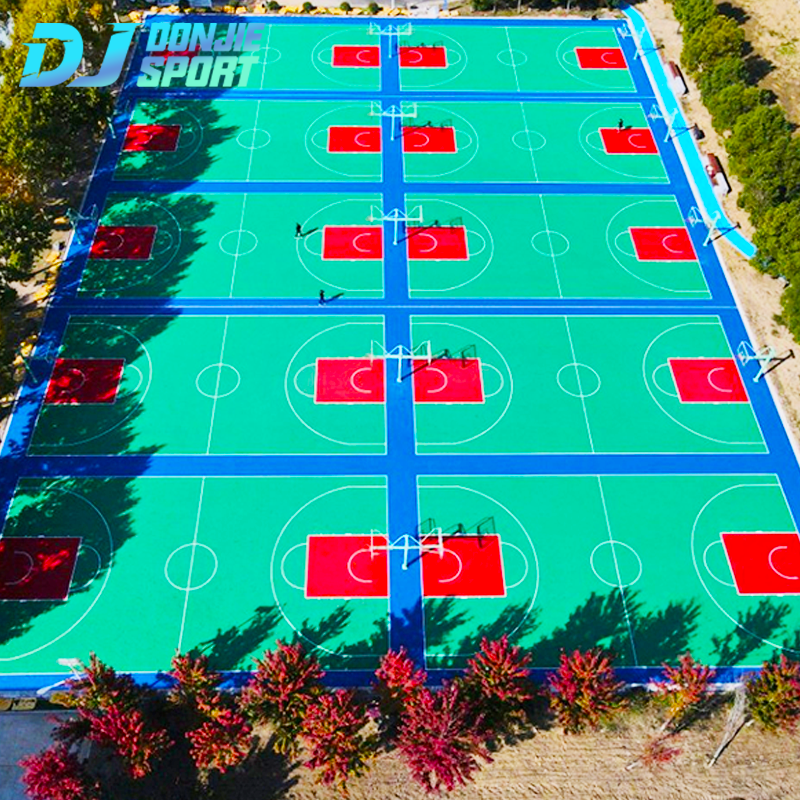
Types of Outdoor Basketball Court Surfaces
When selecting an outdoor basketball court surface, several materials stand out for their performance, durability, and overall player comfort. Each surface type has its unique set of advantages, so understanding these options can help you make an informed decision for your specific needs.
Asphalt: Durable and Cost-Effective Option for All Weather Conditions
Asphalt is one of the most traditional and widely used materials for outdoor basketball courts. It is known for its durability, weather resistance, and affordability. Asphalt courts can withstand harsh weather conditions, from rain to snow, making them a great choice for year-round use. They offer a smooth playing surface, though some players may find them harder and less forgiving compared to softer surfaces.
Key benefits:
-
Cost-effective: One of the most affordable options available
-
Durable: Long-lasting and can withstand various weather conditions
-
Low maintenance: Easy to repair cracks and damage
However, while asphalt is an excellent all-weather surface, it lacks the shock absorption and grip that some players prefer, especially for high-intensity games.
Rubber: Comfort and Safety in High-Intensity Games
Rubber is becoming increasingly popular for outdoor basketball courts, particularly in recreational spaces. This material provides excellent shock absorption, making it more comfortable to play on compared to harder surfaces like asphalt. Rubber courts are designed to reduce the risk of injuries, especially during high-impact activities like jumping and fast movements.
Key benefits:
-
Cushioning: Great for protecting joints and reducing player fatigue
-
Traction: Provides good grip, ensuring players have better control of their movements
-
Eco-friendly options: Recycled rubber is available, making it an environmentally sustainable choice
While rubber courts provide a more comfortable playing experience, they may not offer the same ball bounce consistency as harder surfaces like asphalt or polymer flooring.
Polymer Sports Flooring: Ideal for Professional-Level Play and Performance
Polymer sports flooring, often made from high-quality synthetic materials like PVC, is one of the top choices for professional basketball courts. This surface provides an excellent balance between performance and comfort. It is engineered to deliver optimal ball bounce, superior grip, and shock absorption, making it perfect for high-performance players.
Key benefits:
-
Consistent ball bounce: Ensures the ball reacts predictably, which is crucial for professional play
-
Durability: Resistant to UV damage, wear, and tear
-
Maintenance: Low maintenance compared to other materials like asphalt
While polymer sports flooring is a higher upfront investment, the long-term benefits, including its durability and performance enhancements, make it a favorite among top-tier sports facilities.
Interlocking Tiles: Quick Installation and Customization Options
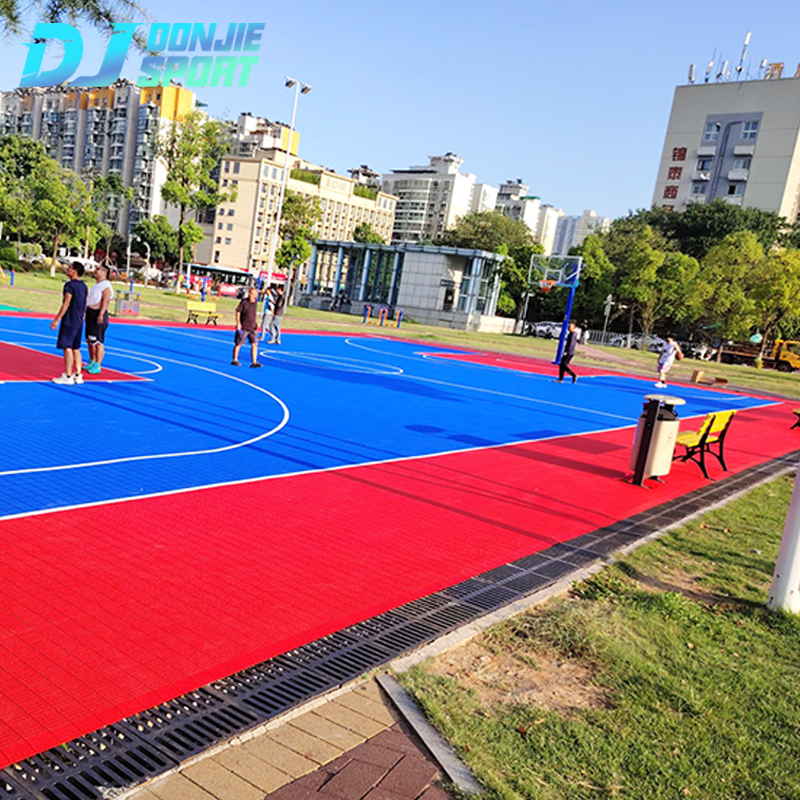
Interlocking tiles are gaining popularity due to their easy installation process and the flexibility they offer. These modular tiles snap together without the need for adhesives or glue, allowing for quick setup and easy repairs. Interlocking tiles are often made from high-quality rubber or plastic, ensuring that the surface is safe, comfortable, and durable.
Key benefits:
-
Easy installation: Can be set up and customized quickly
-
Durability: Resistant to weather, UV rays, and heavy use
-
Customization: Available in a variety of colors and designs to suit different styles
These tiles are ideal for courts that require flexible usage or need to be relocated. However, while they provide great durability and performance, the seams between the tiles may sometimes affect the playing experience.
Factors Affecting Performance on Outdoor Basketball Court Surfaces
When deciding on an outdoor basketball court surface, several key factors will impact player performance and safety. These include grip and traction, shock absorption, and resistance to weather. Let’s break them down in more detail:
Grip and Traction: Enhancing Player Control
One of the most important factors for player performance is the amount of grip and traction a surface provides. A surface with good traction helps players make quick directional changes without slipping, which is crucial for high-speed basketball play. While asphalt provides a solid grip, rubber and polymer flooring offer even better traction, ensuring players can pivot and jump with confidence.
Shock Absorption: Reducing Impact and Injury
Basketball players are constantly jumping, landing, and making sudden moves, which can put a lot of strain on the joints. Shock-absorbing surfaces help reduce the impact on knees, ankles, and hips, which is especially important for long-term player health. Rubber and polymer floors excel in this area, offering more cushioning compared to harder surfaces like asphalt.
Weather Resistance: Ensuring Durability and Consistent Playability
Outdoor courts are exposed to the elements, which means the surface must be able to withstand a variety of weather conditions. Asphalt is highly resistant to weather, but over time, exposure to sun, rain, and freezing temperatures can cause cracking. Polymer and rubber surfaces, on the other hand, are designed to resist UV damage, ensuring the court remains functional and aesthetically appealing for a longer period.
Advantages of Modern Outdoor Basketball Court Flooring Solutions
Modern outdoor basketball court flooring solutions go beyond just providing a playable surface. They offer a range of benefits that enhance player performance, safety, and the overall court experience.
Enhanced Safety: How New Materials Reduce Injuries
Injuries are a concern for any sport, and basketball is no exception. Modern outdoor surfaces like rubber and polymer flooring are designed with player safety in mind. These materials offer cushioning that absorbs the shock of landings, reducing the risk of injuries caused by falls or hard impacts. Surfaces with a good grip also minimize the likelihood of slips, further improving safety.
Consistency and Predictability: Ensuring Consistent Ball Bounce and Court Friction
A consistent ball bounce is critical for a smooth and fair game. Polymer and interlocking tile surfaces are engineered to ensure that the ball bounces uniformly, providing players with a predictable and reliable experience. This level of consistency is essential for both amateur and professional players, who rely on accurate ball response for their game.
Low Maintenance: Choosing Surfaces that Are Easy to Maintain Over Time
Maintaining an outdoor basketball court can be time-consuming and costly, but modern surfaces like polymer and rubber flooring are designed for minimal upkeep. They are resistant to fading, staining, and damage, which means courts stay looking new for longer. When maintenance is required, surfaces like interlocking tiles make it easy to replace damaged sections without disrupting the entire court.
Choosing the Right Surface Based on Location and Usage
Not all basketball courts are created equal, and the surface you choose should reflect the court’s location and intended usage. Whether you’re building a court in a busy urban area or a suburban community center, your choice of surface will affect the experience for players.
Urban Courts vs Suburban Areas: How Location Influences Choice
Urban basketball courts often see heavy use, which makes durability a top priority. Asphalt or rubber flooring might be the best options for these environments, as they can withstand constant use without breaking down. In suburban areas, where the courts may be used less frequently, polymer sports flooring or interlocking tiles might be more appropriate for creating a premium playing experience.
Multi-Use Facilities: Versatile Surfaces for Various Sports
If your court will be used for more than just basketball, consider a versatile surface that can accommodate a variety of sports. Interlocking tiles and polymer flooring offer flexibility, making them perfect for multi-use spaces that host sports like volleyball, tennis, or pickleball alongside basketball.
Installation and Cost Considerations for Outdoor Basketball Court Surfaces
Choosing the right surface isn’t just about performance; it’s also about balancing your budget and installation needs.
Cost Breakdown by Material
-
Asphalt: The most cost-effective option, with initial costs typically lower than rubber or polymer surfaces.
-
Rubber: More expensive than asphalt but offers enhanced safety features and durability.
-
Polymer Flooring: The most expensive option, but the investment pays off in long-term durability and performance.
-
Interlocking Tiles: Moderate cost, with the advantage of easy installation and replacement.
Installation Timeframes and Complexities
While asphalt and rubber are relatively straightforward to install, polymer flooring and interlocking tiles may require more specialized installation. Depending on the complexity, installation could take anywhere from a few days to several weeks.
Maintenance Costs and Long-Term Benefits
While initial costs for polymer and rubber surfaces may be higher, they often require less maintenance over time. Asphalt courts, while cheaper upfront, may incur more costs for repairs and resurfacing in the future.
Future Trends in Outdoor Basketball Court Surfaces
Looking ahead, the world of outdoor basketball court surfaces is evolving with innovative materials and technologies.
Innovations in Eco-Friendly Materials
As sustainability becomes a key concern, eco-friendly materials like recycled rubber and renewable polymer options are gaining popularity. These materials not only reduce environmental impact but also offer high performance and durability.
Smart Court Technology: Enhancing Player Experience and Performance
The future of basketball courts might include “smart” technology that tracks player movements, measures performance, and even adjusts court conditions for optimal play. These innovations will further elevate the game, combining the best of both technology and athleticism.
Selecting the Best Outdoor Basketball Court Surface for Optimal Performance
When choosing an outdoor basketball court surface, it’s essential to consider various factors such as performance, safety, durability, and cost. Whether you opt for the affordability of asphalt, the comfort of rubber, or the high-performance qualities of polymer flooring, the right choice will ensure a long-lasting and enjoyable playing experience for all users. Be sure to assess your specific needs, location, and intended use to find the perfect surface for your outdoor basketball court.