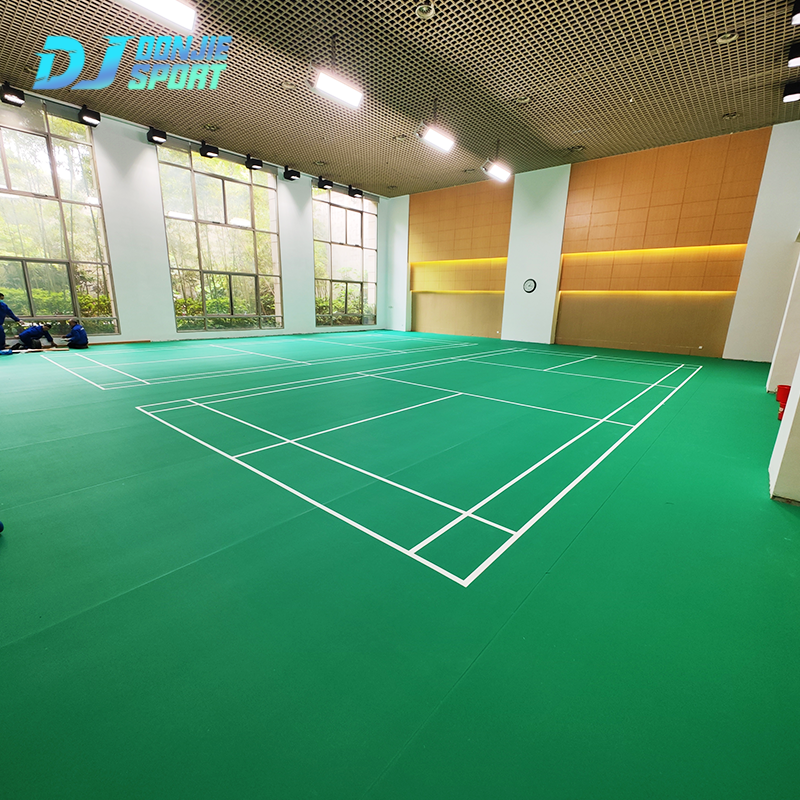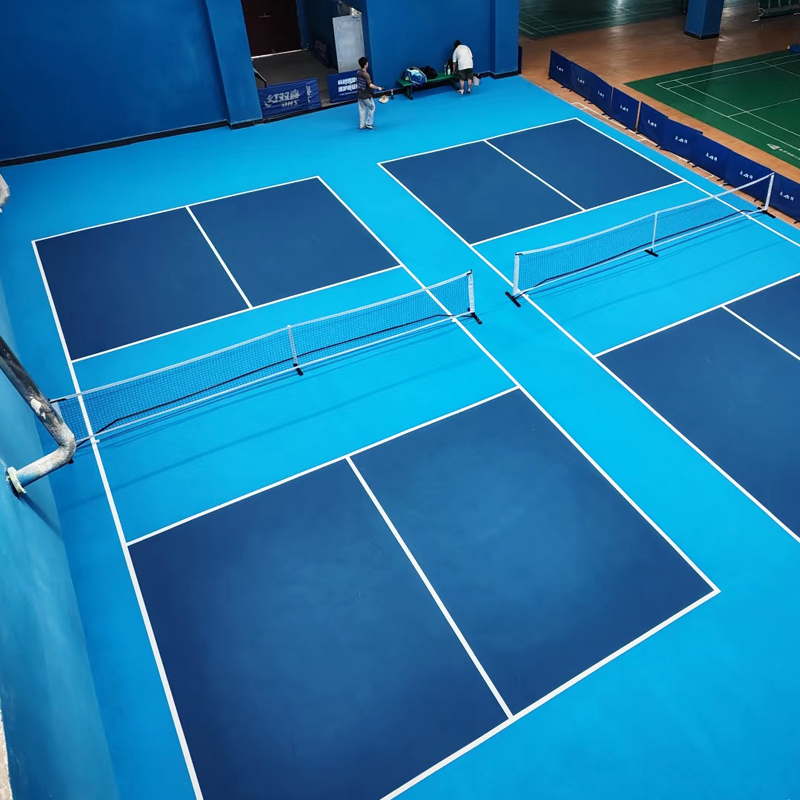
Investing in high-quality Table Tennis Flooring is essential for any facility aiming to provide a professional and safe environment for players. Proper flooring installation not only enhances player performance but also ensures long-term durability and safety. Whether you are upgrading an existing table tennis room or building a new facility, understanding the key considerations for installing the right flooring is crucial. From selecting the appropriate material to following precise installation steps, each detail can impact the overall playing experience.
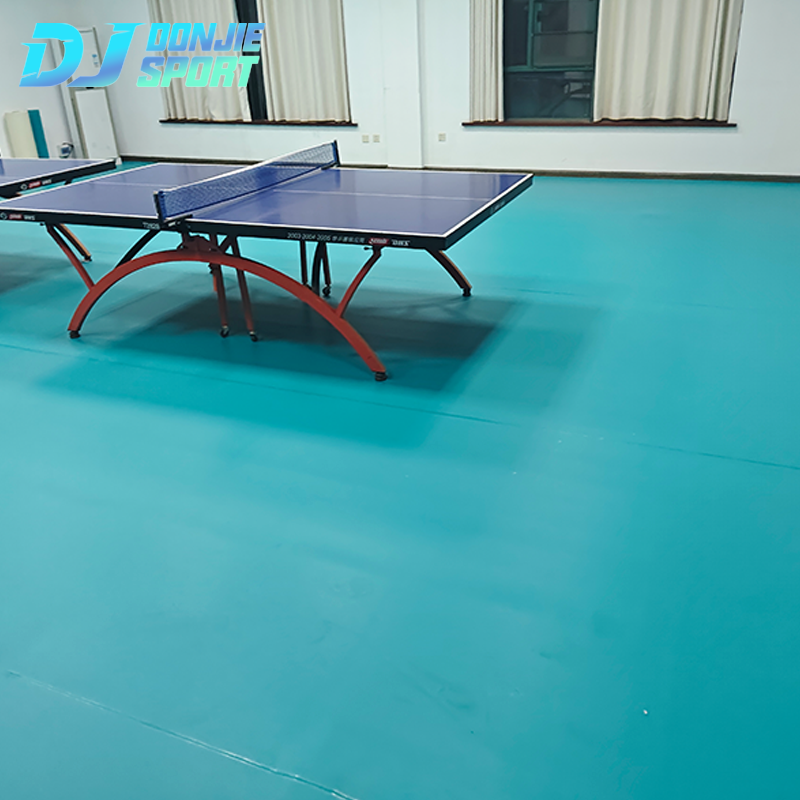
Choosing the Right Type of Table Tennis Flooring
Selecting the ideal Table Tennis Flooring begins with understanding the available materials. PVC flooring offers durability, shock absorption, and easy maintenance, making it a popular choice for both recreational and professional facilities. Wooden flooring, often used in high-level competitions, provides excellent bounce consistency and aesthetic appeal but requires careful maintenance. Rubber or hybrid floors offer superior grip and comfort, particularly for multi-purpose sports halls. Thickness and surface texture are equally important; thicker floors with proper anti-slip surfaces ensure both player comfort and safety while maintaining the correct ball bounce required for professional play.
Preparing Your Facility for Table Tennis Flooring Installation
Preparation is key to a successful installation. Begin by assessing your subfloor for levelness, stability, and moisture content. Uneven or unstable subfloors can lead to warped tiles or inconsistent bounce, significantly affecting gameplay. Clean the installation area thoroughly, removing dust, debris, and any previous flooring residues. Ensure environmental conditions are suitable for installation; temperature and humidity can affect adhesive performance and the expansion of certain flooring types. A well-prepared site guarantees a smoother installation process and a longer-lasting floor.
Essential Tools and Equipment for Installation
Proper tools and equipment streamline the installation process. Depending on the flooring type, you may need adhesives, interlocking systems, and edge trims. Measuring tools, such as tape measures and laser levels, are essential to ensure precise alignment, while cutting equipment like utility knives or specialized saws help in fitting corners and edges. Safety gear, including gloves and knee pads, protects installers during extended sessions. Using the right tools not only improves efficiency but also reduces the risk of installation errors.
Step-by-Step Installation Process for Table Tennis Flooring
Start by laying out the flooring pattern, ensuring that interlocking tiles or sheets are aligned correctly. For interlocking systems, carefully connect tiles according to the manufacturer’s instructions, paying attention to locking mechanisms for a secure fit. If using adhesive, apply it evenly across the subfloor, then press flooring sheets or tiles firmly into place. Special attention should be given to corners, edges, and expansion joints to prevent lifting or uneven surfaces. After installation, conduct a thorough inspection, checking for gaps, uneven areas, or adhesive residue. Proper execution of each step ensures a smooth, durable, and professional playing surface.
Maintenance Tips for Table Tennis Flooring
Maintaining Table Tennis Flooring is essential for longevity and consistent performance. Regular cleaning with non-abrasive solutions removes dirt and dust that can compromise surface traction. Periodic inspections help identify wear and tear early, preventing more extensive damage. Simple preventive measures, such as using protective mats under tables and avoiding heavy dragging of equipment, extend the lifespan of the floor. Well-maintained flooring not only looks professional but also maintains consistent bounce and grip for players.
Common Mistakes to Avoid During Installation
Several mistakes can compromise the effectiveness of your table tennis flooring. Skipping subfloor preparation can lead to uneven surfaces and reduced performance. Ignoring manufacturer guidelines may result in improper adhesion or misaligned tiles. Applying adhesive unevenly or failing to allow for proper expansion can cause lifting or buckling. Neglecting safety measures during installation not only risks injuries but can also damage the flooring. Awareness and avoidance of these common pitfalls ensure a professional-quality installation.

Benefits of Properly Installed Table Tennis Flooring
Properly installed Table Tennis Flooring enhances player performance by providing consistent bounce, shock absorption, and optimal traction. It reduces the risk of injuries by cushioning impacts and minimizing slips. Furthermore, high-quality installation increases durability, ensuring that the flooring remains functional and visually appealing for years, providing long-term cost savings. Players and facility managers alike benefit from the reliability and professionalism of a well-installed floor.
Conclusion
Installing the right Table Tennis Flooring in your facility is a critical investment in both performance and safety. By carefully selecting materials, preparing the subfloor, using proper tools, following installation steps meticulously, and maintaining the floor regularly, you can create an optimal playing environment. Avoiding common mistakes ensures that the flooring delivers consistent performance and longevity. Investing in professional-quality installation ultimately enhances your facility’s reputation and provides players with the confidence and comfort they need to perform at their best.