When designing or renovating a basketball court, one of the most important decisions is selecting the right flooring. Basketball flooring not only affects the aesthetics of the court but also plays a crucial role in game performance, player safety, and maintenance. Whether you’re building a professional-level arena or upgrading your school gym, choosing the best flooring material can make all the difference in creating a functional, safe, and visually appealing playing surface. In this guide, we’ll explore the top basketball flooring materials, their benefits, and how to make the right choice for your specific needs.
Understanding Basketball Flooring: What You Need to Know
Choosing the right basketball flooring is a crucial aspect of building or upgrading a court. It can influence not only the visual appeal but also the performance of the game and the safety of the players. Understanding the different types of flooring and the factors to consider is essential to making an informed decision. Here are the key elements to consider:
-
Durability: Basketball courts undergo intense physical activity. Whether you’re installing a court for professionals or recreational players, the flooring material must withstand heavy use. Durability is a major consideration as it directly impacts the lifespan of your court and the long-term costs.
-
Shock Absorption: Basketball is a high-impact sport, and players are constantly running, jumping, and landing on the court. Shock-absorbing flooring helps reduce the risk of injuries by softening landings and providing more comfort during play.
-
Maintenance: Maintenance needs can vary based on the material. Some floors, like hardwood, may require regular refinishing, while others like rubber or vinyl, might be easier to maintain. It’s crucial to consider how much time and money you’re willing to invest in ongoing care.
Common Types of Basketball Court Flooring Materials
There are several types of flooring materials used in basketball courts, each with its own set of advantages and drawbacks. Here’s a rundown of the most common options:
-
Hardwood Flooring:
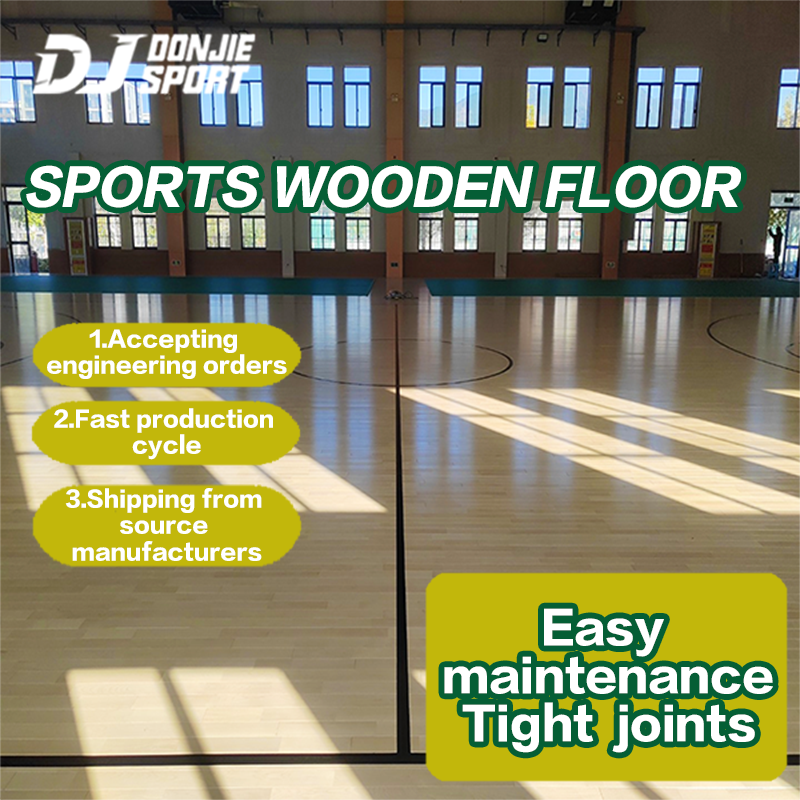
Hardwood flooring is the gold standard for basketball courts, particularly in professional and college settings. It’s highly durable, offers excellent shock absorption, and provides an aesthetically pleasing, traditional look. Hardwood floors are the preferred choice for high-level play because of their consistent bounce and smooth surface. However, they can be expensive and require regular maintenance to keep them in top condition. -
Rubber Flooring:
Rubber flooring is a popular choice for gymnasiums and recreational courts. It provides good shock absorption and is relatively cost-effective compared to hardwood. It is also highly durable and resistant to wear and tear, making it ideal for heavy use in non-professional settings. However, rubber flooring tends to have less traction and can be harder to maintain when compared to other options. -
Polyurethane Flooring:
Polyurethane is a high-performance flooring material often used in indoor sports arenas. Known for its excellent resilience, polyurethane flooring provides superior shock absorption and durability. It’s often used in professional basketball courts because it enhances player comfort while maintaining excellent traction. The downside is that it can be pricier and may require professional installation. -
Vinyl and PVC Flooring:
Vinyl and PVC flooring offer affordable, low-maintenance options for basketball courts. While they don’t offer the same level of performance as hardwood or polyurethane, they are cost-effective and easier to install. They can withstand the rigors of recreational play and are also easy to clean. However, they may not provide the same level of shock absorption and may wear out faster than other materials under heavy use.
Choosing the Right Basketball Flooring for Different Settings
When selecting basketball flooring, it’s important to match the material to the intended use and setting of the court. Here are some considerations:
-
Professional vs. Recreational Courts:
Professional courts, such as those used by the NBA or collegiate teams, typically use hardwood or high-quality polyurethane flooring. These materials offer optimal bounce and performance under intense play conditions. For recreational or school gyms, rubber, vinyl, or PVC flooring may be more appropriate due to budget constraints while still providing a functional surface for casual games and practices. -
Indoor vs. Outdoor Flooring:
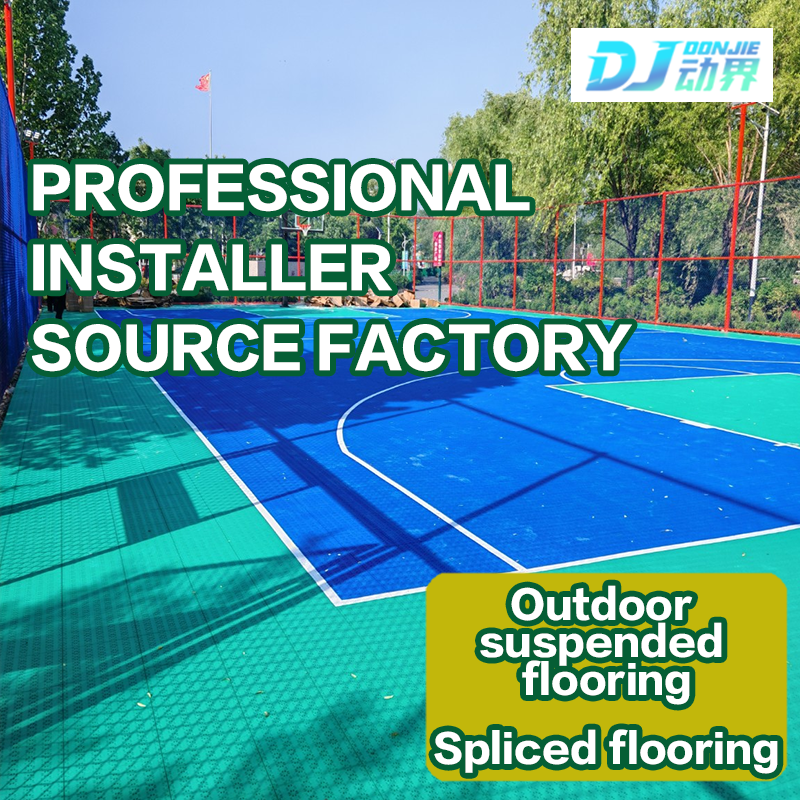
Outdoor basketball courts face additional challenges from weather conditions, so materials must be more weather-resistant. Rubber and polyurethane flooring are more suited for outdoor use because they can withstand UV rays, rain, and temperature fluctuations. However, indoor courts are less prone to these issues, so hardwood remains the preferred choice for professional and high-level indoor basketball.
Key Features to Look for in Basketball Flooring
Selecting basketball flooring isn’t just about the material—it’s about the features that make the court safe, comfortable, and durable:
-
Shock Absorption and Comfort:
The right flooring material should offer adequate shock absorption to reduce the risk of injuries from hard landings. Hardwood flooring is excellent for this, but materials like rubber and polyurethane also provide great comfort for players. -
Traction and Safety:
Traction is vital for preventing slips and falls. Basketball players rely on their footing during fast-paced play, so flooring with the right amount of grip is essential. Hardwood floors tend to offer a smooth, consistent surface, while rubber and vinyl provide additional friction, reducing the likelihood of accidents. -
Longevity and Durability:
A good basketball court flooring should stand up to years of wear and tear. Durability depends on the material and maintenance. Hardwood requires more upkeep, while rubber or PVC floors might be less sensitive to scratches or dents. -
Aesthetics and Customization:
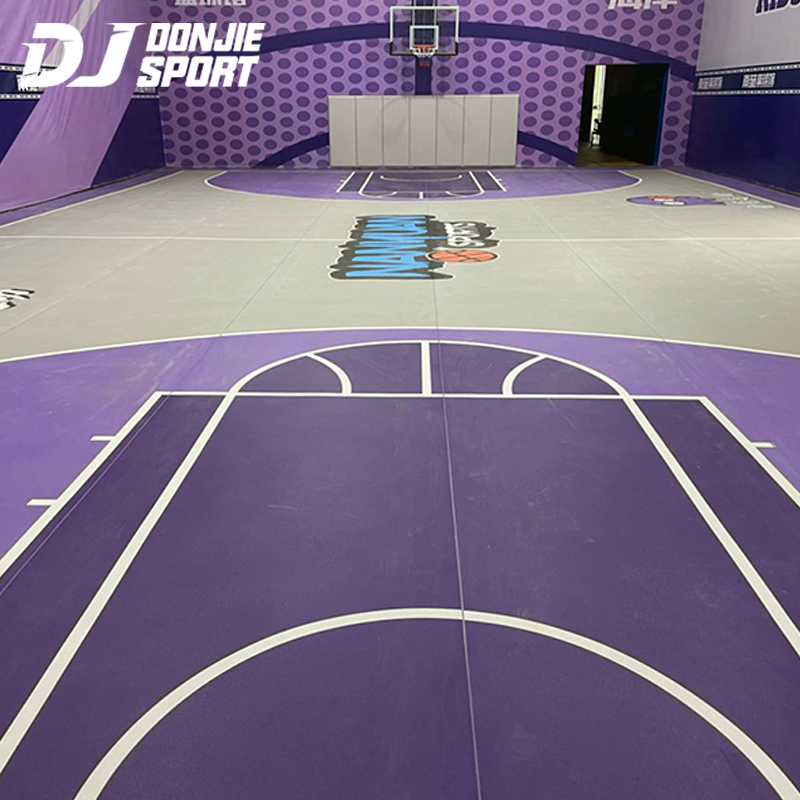
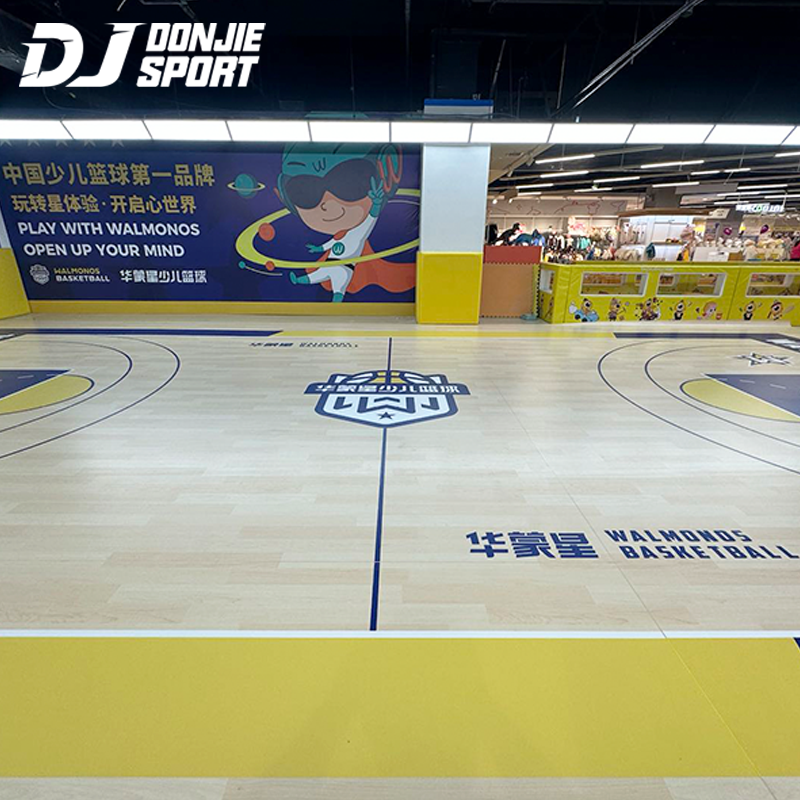
Flooring can also be customized with colors, designs, and logos, adding an aesthetic touch to the court. For example, you can have your school or team’s logo embedded into the flooring or use specific colors to enhance the visual appeal of the court.
Installation Tips for Basketball Flooring
Installing basketball flooring requires careful planning and precision to ensure that the court performs well over time.
-
Pre-installation Preparation:
Proper floor preparation is essential for ensuring longevity. Before installing basketball flooring, make sure the surface is level, clean, and free of debris. Any unevenness could affect the quality of the play surface and the performance of the flooring. -
DIY vs. Professional Installation:
While some flooring materials (like rubber or vinyl) can be installed by experienced DIYers, hardwood and polyurethane flooring require professional installation. Professional installers will ensure that the flooring is laid down correctly and that it meets the safety standards required for high-level play. -
Maintenance Post-Installation:
Once the flooring is installed, routine maintenance is necessary to prolong its lifespan. Hardwood floors require periodic refinishing, while rubber and vinyl floors should be cleaned regularly to maintain their appearance and functionality.
Conclusion
Choosing the right basketball flooring is a crucial investment for any facility. The material you select will impact the performance of the game, player safety, and the maintenance of the court. Whether you opt for the elegance of hardwood, the durability of rubber, or the affordability of vinyl, it’s important to make a decision based on your specific needs and the level of play. With the right flooring in place, your basketball court will provide a safe, comfortable, and high-performance environment for players of all levels.