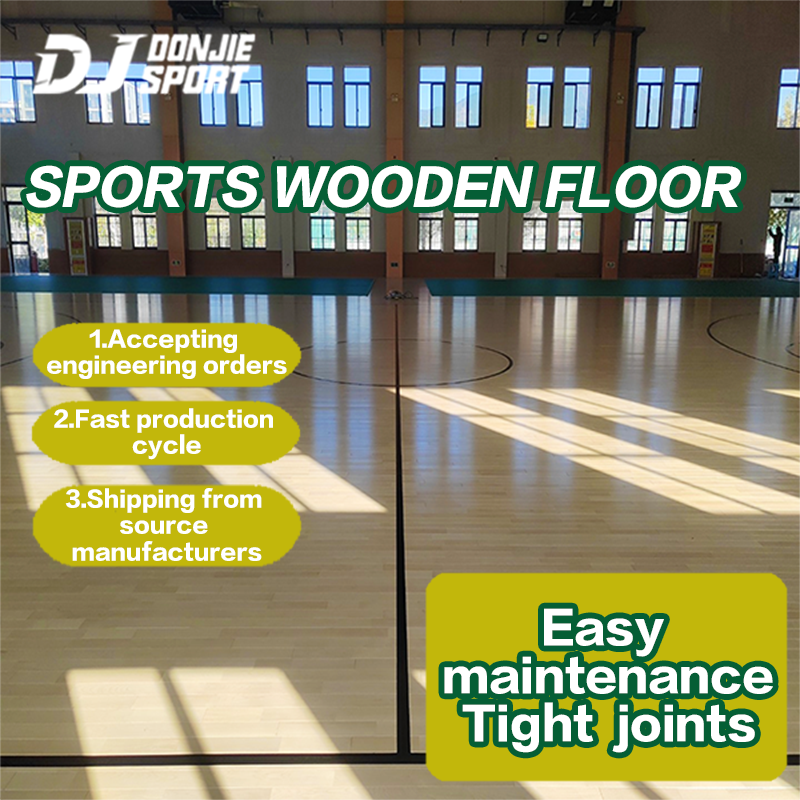
Basketball court wood flooring is the top choice for many schools, gyms, and professional arenas. Known for its durability, aesthetic appeal, and performance benefits, wood flooring offers superior traction and shock absorption compared to other materials, making it ideal for high-intensity sports like basketball.
Choosing the right type of flooring for a basketball court is crucial not only for enhancing the player experience but also for ensuring safety and durability over time. Among various options, wood flooring stands out due to its long-lasting nature, ability to withstand heavy foot traffic, and its ability to be refinished and maintained throughout the years.
However, the cost of installing basketball court wood flooring can vary significantly based on several factors. In this article, we will explore the different aspects of installation costs, from material prices to labor expenses, and provide valuable tips on budgeting for this investment. Whether you’re planning to upgrade an existing court or build a new one, understanding the costs involved will help you make an informed decision.
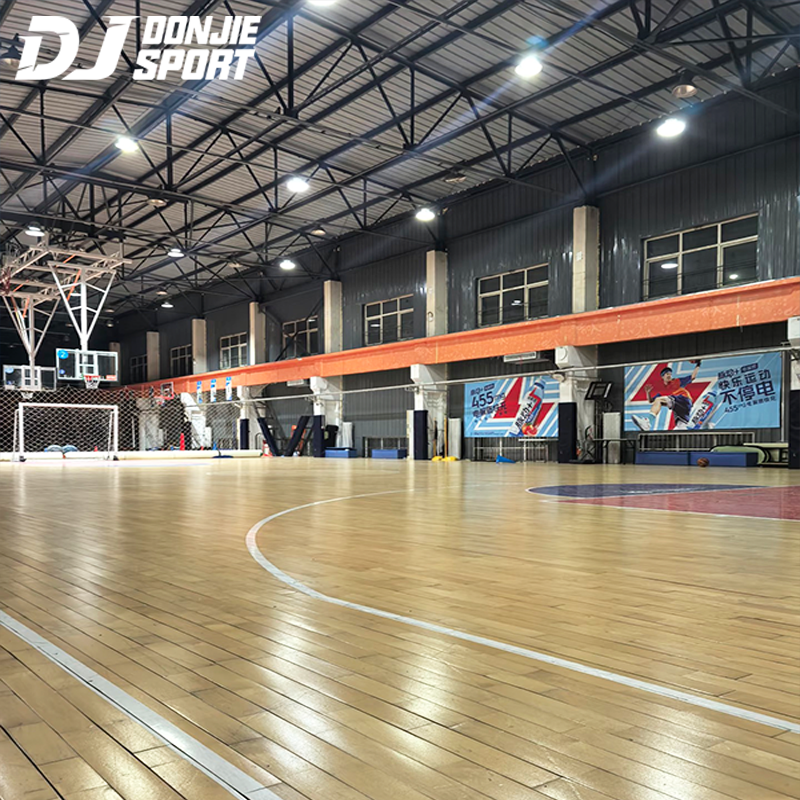
Factors Influencing the Cost of Basketball Court Wood Flooring
When considering the installation of basketball court wood flooring, several factors can influence the total cost. Understanding these elements can help you make informed decisions and accurately estimate your budget.
Type of Wood Used (Maple, Oak, etc.)
The type of wood chosen for the flooring significantly impacts both the aesthetic and functional quality of the court. Maple is the most common choice for basketball courts because of its durability and smooth playing surface, but it tends to be more expensive than alternatives like oak or hickory. If you’re looking for a more affordable option, oak might be a good alternative, although it may not offer the same level of shock absorption as maple.
Quality and Durability Considerations
Not all wood is created equal. High-quality, thicker boards tend to last longer and are less likely to warp over time. Lower-grade woods or thinner options can lower the initial cost but may require more frequent maintenance and replacement. When investing in wood flooring for a basketball court, choosing a higher-quality wood ensures that you get long-term value and performance.
Installation Methods (Glue-Down, Nail-Down, etc.)
The method of installation is another significant cost factor. The most common installation methods for basketball court wood flooring are glue-down and nail-down. A glue-down method typically costs more due to the materials required and the need for professional application. Nail-down installations are more affordable, but they may take longer to complete. Some courts may also require floating floors, which can add to the overall cost.
Size of the Court
The size of your court is directly proportional to the cost of installation. A regulation-sized basketball court, which measures 94 by 50 feet, will require more material and labor compared to a smaller, recreational court. Larger courts may also require additional subfloor preparation, further increasing costs.
Geographic Location and Labor Costs
Labor costs can vary depending on where you’re located. For instance, areas with a higher cost of living often have higher labor charges. Additionally, if you’re building in a remote location, transportation and logistics may also contribute to the overall price.
Additional Features (Logo Inlays, Custom Designs, etc.)
If you’re looking to add custom logos, intricate inlays, or unique designs, this will increase the overall cost of the project. These decorative elements require additional time, expertise, and materials, which add to the total cost. However, the investment can make your court stand out and reflect your team’s identity or the unique atmosphere of the gym.
Breakdown of the Installation Costs
A typical basketball court wood flooring installation involves several components, each contributing to the total cost. Here’s a closer look at each part of the process:
Material Costs: Pricing for Different Types of Wood
The cost of wood flooring can range from $3 to $8 per square foot, depending on the quality of the wood. Maple, being the most sought-after option, usually falls within the higher price range. It’s important to calculate the square footage of your court to estimate the material cost.
Labor Costs: What to Expect from Professional Installers
Labor costs typically make up 30-50% of the total installation price. Professional installers charge based on the complexity of the project and the amount of time required. On average, you can expect to pay between $2 to $5 per square foot for labor, though this can vary.
Subfloor Preparation Costs
A stable subfloor is crucial for the longevity of the wood flooring. Subfloor preparation can cost anywhere from $1 to $3 per square foot, depending on the condition of the existing floor and any additional work needed to level the surface. This may involve removing old flooring, smoothing out imperfections, and ensuring proper moisture control.
Finishing and Coating: Maintenance of Wood Flooring
Finishing and coating the wood to protect it from wear and tear is another cost to consider. Most courts require a polyurethaning process to ensure durability and maintain a smooth playing surface. Finishing costs range from $1 to $2 per square foot, depending on the type of finish used and how many coats are applied.
Hidden Costs: Permits, Clean-Up, and Other Extras
Be prepared for additional costs that might not be immediately apparent. These include permits (if required in your area), clean-up fees after the project, and potential unexpected charges for things like site preparation or repairs to the underlying subfloor. These extras can add anywhere from $500 to $2,000 to your final bill.
How to Estimate Your Total Budget
Estimating your total budget for installing basketball court wood flooring involves calculating both the materials and labor costs, along with considering additional expenses. Here are a few steps to help you estimate your budget:
Tools for Calculating Costs
There are several online calculators and resources available that can help you estimate the cost of wood flooring installation. These tools typically ask for the size of the court, type of wood, and other details to give you a rough estimate of your costs.
Tips on Getting Multiple Quotes from Contractors
To ensure you’re getting the best deal, it’s important to get multiple quotes from contractors. Be sure to ask for a detailed breakdown of the costs so you can compare the prices of materials, labor, and any additional services like subfloor preparation or finishing.
Understanding the Return on Investment (ROI) for Wood Basketball Flooring
While the initial cost of installing wood flooring can be high, it’s important to consider the return on investment. A well-maintained wood court can last for decades, and its durability ensures fewer repairs and replacements over time. Additionally, wood flooring can enhance the overall aesthetics of your facility, attracting more visitors and enhancing the player experience.
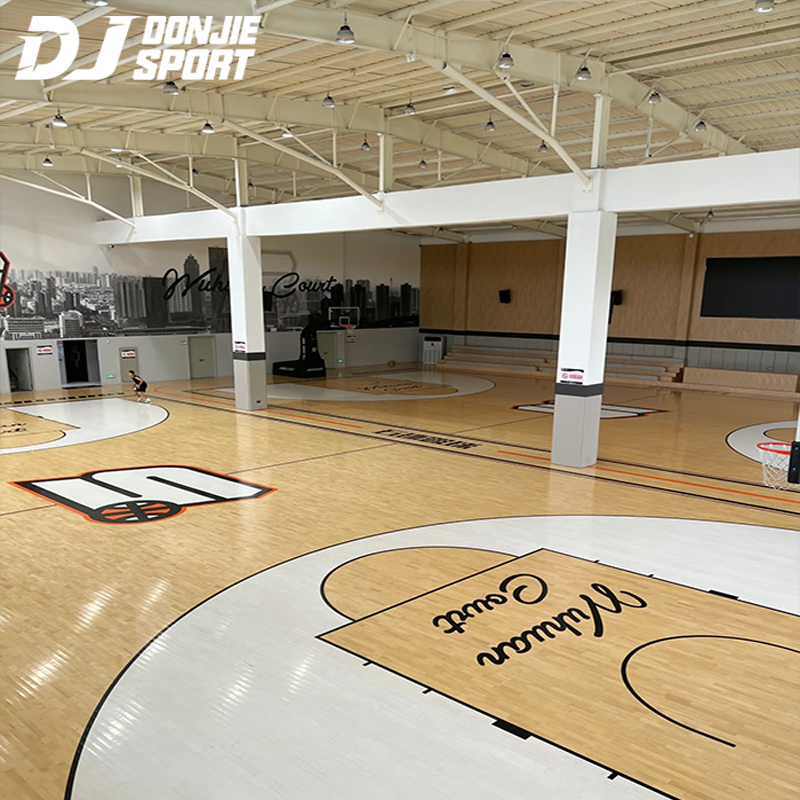
The Benefits of Choosing Basketball Court Wood Flooring
Performance: The Impact on Player Movement and Safety
Wood flooring is designed to offer the best traction, which is essential for athletes to perform at their best. The material’s ability to absorb shock reduces the risk of injuries, while providing a consistent, smooth surface for quick movements.
Durability: Longevity and Ease of Maintenance
One of the primary advantages of wood flooring is its durability. With proper care and maintenance, wood flooring can last for 20 to 30 years, making it a long-term investment. Periodic refinishing can restore its appearance, keeping it looking new for years.
Aesthetics: A Timeless Look for Any Gymnasium
Wood flooring offers a timeless aesthetic that enhances the look of any basketball court. Its natural beauty and classic appeal make it a favorite choice for professional sports arenas, school gyms, and recreational centers.
Environmental Considerations: Sustainable Sourcing of Wood
Sustainability is an important factor for many when choosing materials. Many basketball court wood flooring options come from responsibly managed forests, ensuring that the wood used is harvested in an environmentally friendly way.
Alternatives to Wood Flooring for Basketball Courts
While wood is the traditional choice for basketball courts, there are alternative options available, such as synthetic or rubber flooring. These materials are often more affordable upfront but lack the same performance benefits as wood. Synthetic options are also more prone to wear and tear, which can result in higher long-term maintenance costs.
Is Basketball Court Wood Flooring Worth the Investment?
In conclusion, the cost of installing basketball court wood flooring can vary based on multiple factors, including the type of wood, installation method, and court size. However, the investment is well worth it for those looking for a durable, aesthetically pleasing, and high-performance flooring option. While synthetic options may offer lower upfront costs, the longevity and quality of wood flooring ensure that it remains a top choice for serious athletes and gymnasium owners.