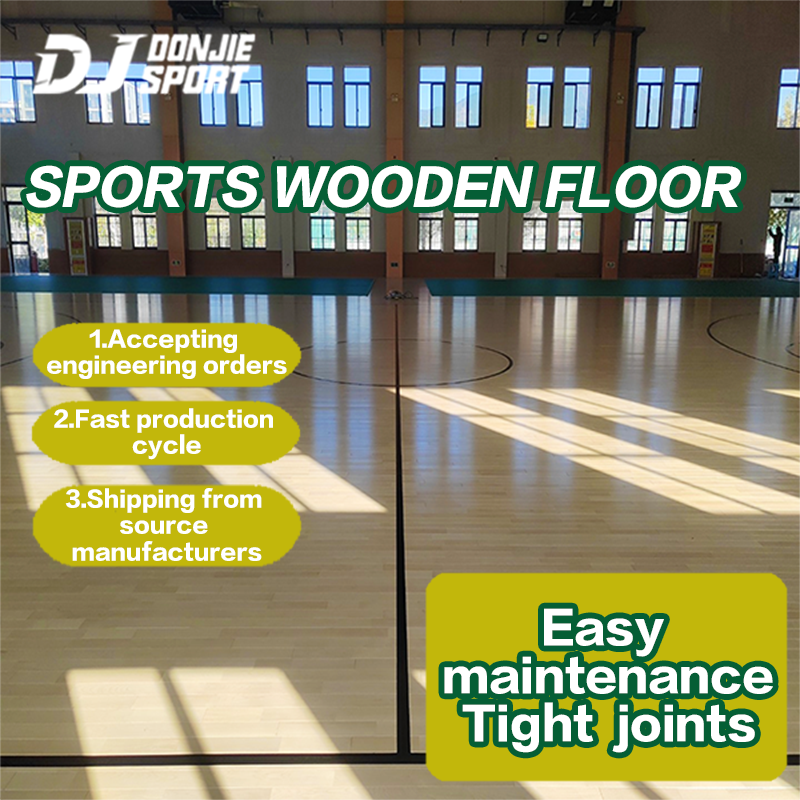
When it comes to designing or refurbishing a basketball court, the type of flooring chosen plays a pivotal role in the overall performance and longevity of the space. Basketball court wood floors are the preferred choice for both amateur and professional courts due to their unique combination of durability, performance benefits, and aesthetic appeal.
Choosing the right type of wood flooring for your basketball court is not just about aesthetics; it significantly impacts the game itself. The right wood floor can help reduce injury risks, enhance player performance, and provide an environment that looks great while standing the test of time. Whether you’re looking to build a court for a high school gymnasium, a community sports facility, or a professional arena, understanding the different types of wood flooring options will allow you to make a more informed decision.
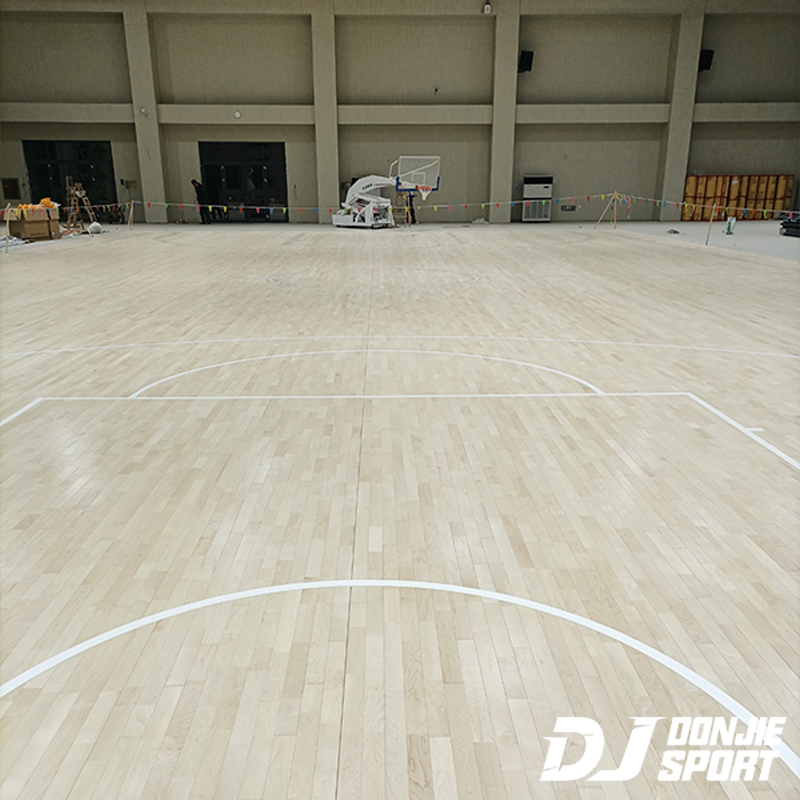
Types of Wood Flooring for Basketball Courts
Hardwood: The Classic Choice
Hardwood has been the standard choice for basketball court flooring for decades, and for good reason. Its durability, aesthetic appeal, and performance advantages make it the go-to option for professional courts worldwide. Among hardwood options, the most common types used are oak, maple, and birch, each offering unique benefits.
-
Oak: Oak is known for its dense, sturdy nature, making it highly resistant to damage and wear. Its naturally grained texture adds a classic touch to any basketball court, ensuring both functionality and beauty. However, oak may be slightly more challenging to maintain than other woods due to its porous surface.
-
Maple: Maple is the most widely used wood for basketball courts. Its tight, consistent grain provides a smooth and even surface for play, reducing the risk of injury. It is also relatively easy to maintain and refinish, making it a popular choice for schools, professional teams, and recreational courts.
-
Birch: Birch is less common than oak or maple but still serves as a viable option. It is lightweight and offers a smooth, stable surface that is perfect for indoor sports. Its lighter color gives the court a distinctive appearance, though it might not be as durable as maple or oak.
Engineered Wood: A Cost-Effective Alternative
Engineered wood is an affordable alternative to solid hardwood flooring. Unlike traditional hardwood, which is made from a single piece of wood, engineered wood consists of layers of wood veneer compressed together. This construction method offers several advantages:
-
Stability: Engineered wood is less prone to warping or expanding due to moisture and temperature changes. This makes it a great option for courts located in areas with fluctuating humidity levels.
-
Cost-Effective: Engineered wood tends to be more affordable than solid hardwood, making it a good choice for budget-conscious gym owners or schools looking to minimize costs while still providing a high-quality playing surface.
-
Variety: Engineered wood is available in various finishes and styles, allowing you to customize the court’s appearance without breaking the bank.
Synthetic Wood: Emerging Trends in Court Flooring
In recent years, synthetic wood flooring has gained traction as an alternative to traditional wood flooring. Made from composite materials designed to replicate the look and feel of natural wood, synthetic options offer a range of benefits:
-
Durability: Synthetic wood is highly resistant to moisture, scratches, and impact damage. This makes it ideal for high-traffic areas or courts that experience heavy use.
-
Low Maintenance: Unlike natural wood, synthetic flooring doesn’t require frequent sanding, refinishing, or sealing, making it easier to maintain in the long term.
-
Customization: Many synthetic wood floors can be customized in terms of color, texture, and even logo placement, allowing for a highly personalized court design.
However, while synthetic wood has many advantages, it may not offer the same aesthetic appeal as traditional hardwood floors. Some athletes also prefer the authentic feel of real wood underfoot, making this a more suitable option for recreational facilities rather than professional arenas.
Benefits of Hardwood Basketball Court Wood Floors
Durability and Resilience
One of the primary reasons hardwood basketball court floors remain popular is their incredible durability. High-quality wood floors like maple can withstand years of constant use without losing their performance or visual appeal. Even with heavy foot traffic, they maintain their smoothness and resilience, offering superior bounce and grip for athletes.
Additionally, hardwood floors are known for their ability to resist indentation, making them ideal for high-impact sports like basketball. Proper maintenance, such as refinishing every few years, can extend the lifespan of these floors for decades.
Performance Advantages for Athletes
The performance characteristics of hardwood basketball floors are unmatched. Hardwood surfaces provide a consistent bounce and grip, which enhances ball control and allows players to perform at their best. Moreover, the shock-absorbing nature of wood floors helps reduce the risk of injuries, such as joint strain or sprains, making them a safer choice for athletes.
The natural texture of hardwood flooring also provides the perfect balance between slip-resistance and smoothness, preventing players from slipping while allowing for fast movements and sudden pivots.
Aesthetic Appeal and Versatility
Hardwood floors have a timeless, classic look that can enhance the visual appeal of any basketball court. The rich tones of maple, oak, and birch bring warmth and elegance to the space, creating an atmosphere that is both functional and aesthetically pleasing.
Moreover, hardwood floors can be customized with logos, team colors, and unique designs, adding a personal touch to your basketball court. This flexibility in design makes hardwood an attractive choice for gym owners and facilities looking to create an inviting and professional environment.

The Maintenance of Basketball Court Wood Floors
Cleaning and Upkeep Tips for Hardwood Floors
Maintaining a basketball court wood floor requires regular cleaning to ensure it remains in top condition. Sweeping the court after each game is essential to remove dirt and debris that could damage the surface. It is also advisable to use a damp mop with a wood-friendly cleaner to remove spills and stains. However, excessive moisture should be avoided, as it can warp the wood over time.
How to Protect Against Wear and Tear
Wood floors are susceptible to wear and tear from constant use, but there are ways to protect the surface. Applying a high-quality finish helps seal the wood, providing a protective layer against dirt, dust, and moisture. Anti-slip coatings can also help preserve the court’s texture, preventing the surface from becoming too slippery over time.
Refinishing: When and How to Do It
Refinishing your basketball court wood floor is essential for restoring its appearance and performance. Over time, the surface may show signs of wear, such as scratches or faded finish. Refinishing involves sanding down the top layer and applying a fresh coat of polyurethane or another finish to bring back its original shine. This process can extend the life of the court and enhance its playing characteristics.
Cost Factors in Basketball Court Wood Floors
Initial Installation Cost Comparison
The cost of installing basketball court wood floors varies depending on the type of wood chosen. Hardwood floors like maple can be more expensive upfront but provide long-term value due to their durability and aesthetic appeal. Engineered wood and synthetic options tend to be more affordable, but they may not offer the same level of performance and longevity as hardwood floors.
Long-Term Value and Return on Investment
While hardwood floors may have a higher initial cost, their long-term durability and performance benefits make them a wise investment. Over time, they require fewer repairs and refinishing than other flooring types, making them more cost-effective in the long run. Additionally, hardwood floors often increase the value of a facility, which can be an important factor for gym owners and sports facilities looking to attract high-paying tenants or sponsors.
Budgeting for Professional Installation and Maintenance
To ensure the longevity and performance of your basketball court wood floor, professional installation is highly recommended. An experienced contractor can ensure the floor is installed correctly, reducing the risk of future issues. Additionally, budgeting for regular maintenance, such as cleaning, refinishing, and repairs, is essential to keep the court in optimal condition.
Choosing the Best Type of Wood Flooring for Your Court
When selecting wood flooring for your basketball court, several factors should be considered, including performance, budget, and aesthetics. Hardwood floors offer the best performance and durability, making them the top choice for competitive courts. However, if you’re working with a limited budget, engineered or synthetic wood may offer a more affordable solution without compromising too much on quality.
Consider the specific needs of your court, such as the level of use, the climate, and the desired look. Consulting with flooring professionals can help guide your decision and ensure you choose the best option for your facility.
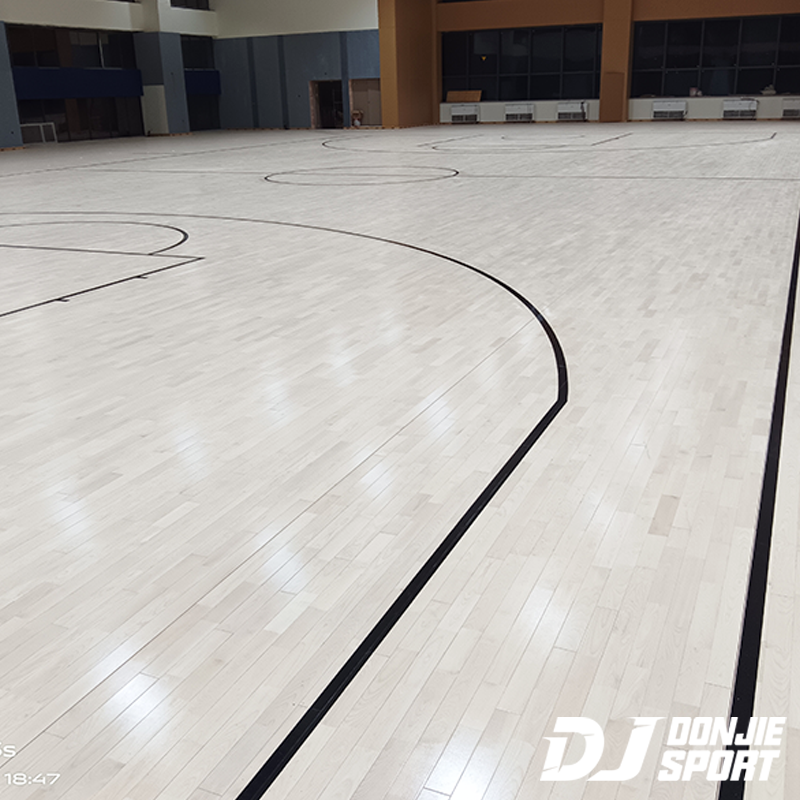
Making the Right Decision for Your Basketball Court Flooring
Choosing the right basketball court wood floor is crucial for ensuring player safety, performance, and long-term durability. Hardwood floors, including maple, oak, and birch, remain the most popular and reliable choice due to their unmatched performance and timeless aesthetic. However, engineered and synthetic options offer viable alternatives for those working within a budget or seeking low-maintenance options.
In the end, the best flooring for your basketball court depends on your specific needs, whether you’re focused on performance, durability, or cost-effectiveness. By understanding the different types of basketball court wood floors and their benefits, you can make a well-informed decision that enhances the playing experience for athletes and preserves the court for years to come.