Wood sport floors have long been the preferred choice for indoor sports venues due to their combination of durability, performance, and aesthetic appeal. Whether it’s a basketball court, a badminton hall, or a dance studio, wood flooring provides the perfect balance of comfort and functionality. Not only do these floors enhance the overall experience for athletes, but they also help prevent injuries by offering excellent shock absorption. This article will dive into the key factors that contribute to the longevity of wood sport floors and provide insights on how to maintain them for years of reliable service.
Understanding the Construction of Wood Sport Floors
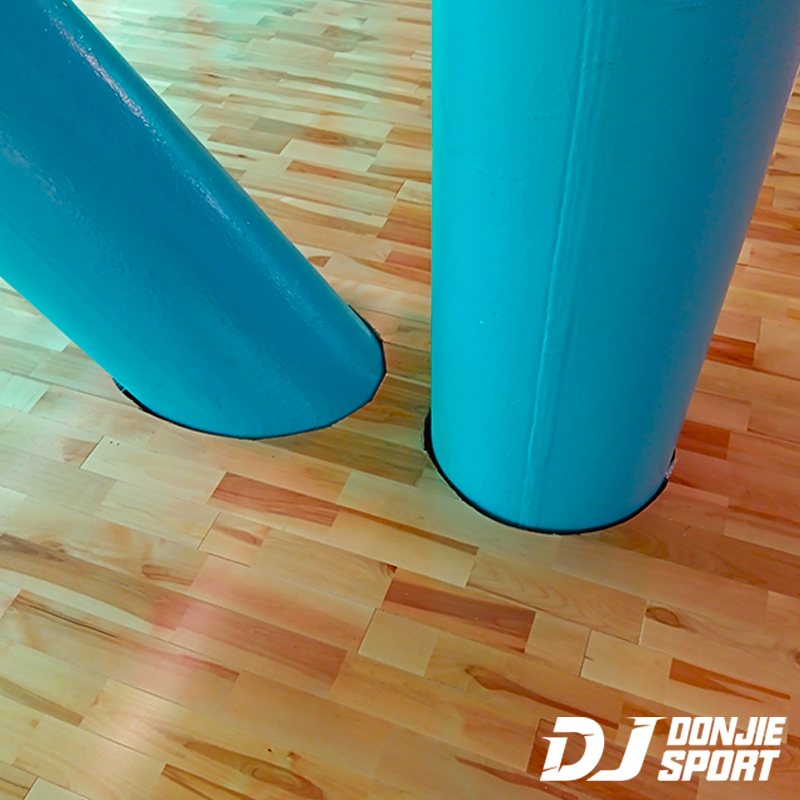
Wood sport floors are typically made from either solid wood or engineered wood, each offering distinct advantages. Solid wood is valued for its natural aesthetic and strength, while engineered wood offers increased stability and resistance to moisture, making it more suitable for areas with fluctuating temperature and humidity.
The construction of wood sport floors usually involves a layered structure. The top layer, often made from hardwood, is designed to withstand heavy foot traffic and provide a smooth, resilient surface for sports activities. Beneath this, a supporting layer helps to enhance shock absorption and ensures that the floor can maintain its integrity over time. This construction is vital in creating a surface that not only feels great to play on but also stands up to the demands of active sports environments.
Moisture and temperature control are essential elements that influence the lifespan of wood sport floors. Wood is sensitive to environmental changes, and extreme fluctuations can cause warping or cracking. As a result, proper climate control within the facility is necessary to prevent damage and maintain the floor’s structural integrity.
Benefits of Wood Sport Floors in Various Venues
-
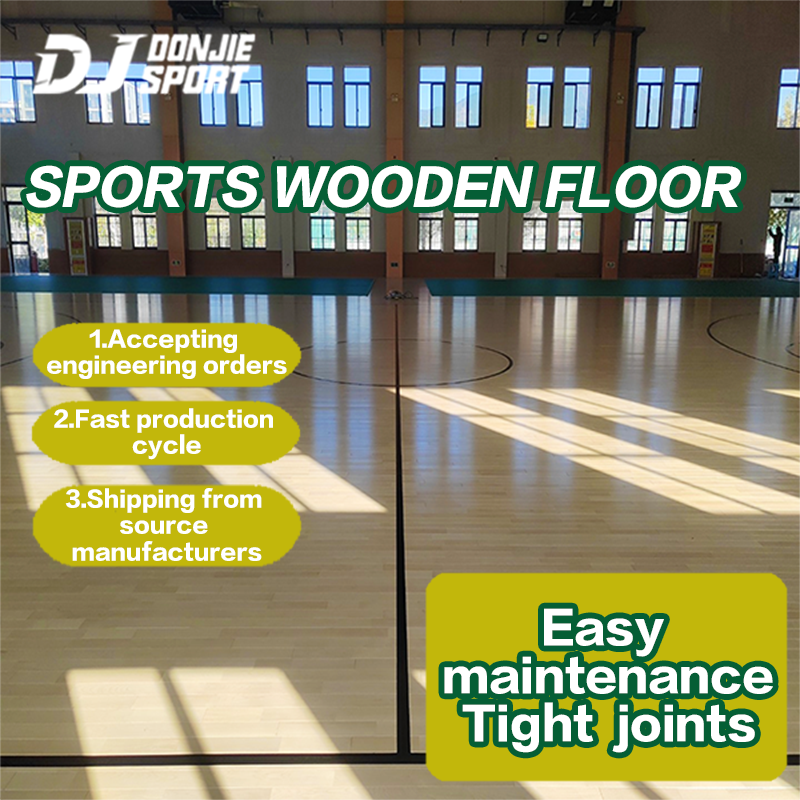
Basketball Courts: Wood floors are the gold standard for basketball courts because they provide a natural, responsive surface that enhances player performance. The shock-absorbing properties of wood help to reduce the risk of injury from high-impact movements, such as jumps and sprints. Moreover, wood flooring allows for excellent ball bounce, making it an ideal surface for competitive play.
-
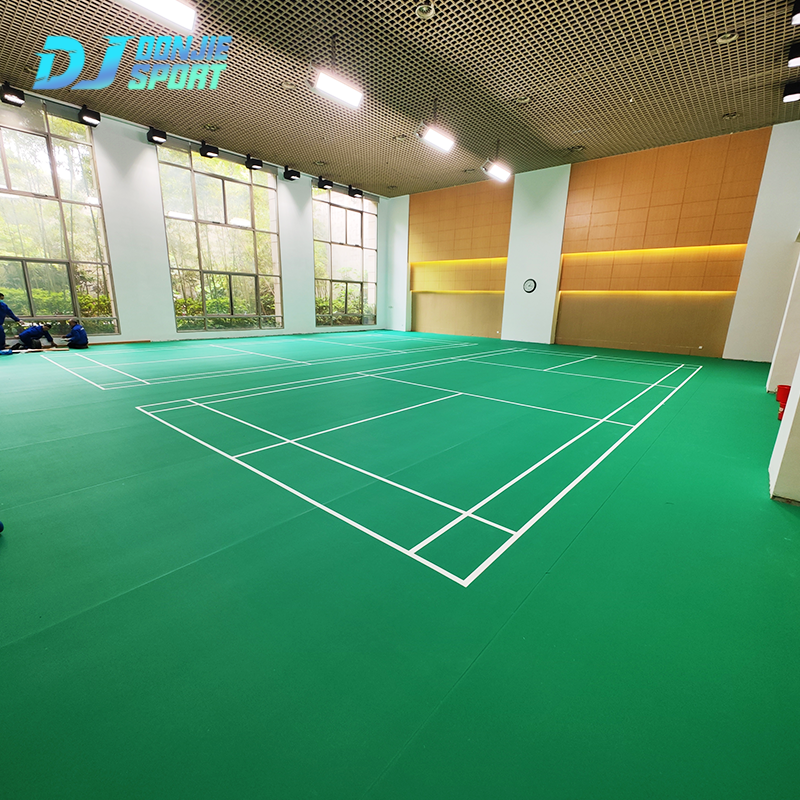
Badminton Courts: In badminton, the fast-paced nature of the game requires a floor that offers both grip and smoothness for quick direction changes. Wood sport floors strike a perfect balance between slip resistance and smooth play, making them ideal for high-speed, high-impact sports like badminton.
-
Dance Studios: Wood sport floors are the preferred choice for dance studios due to their flexibility and shock-absorbing properties. The floors provide a cushioned surface that minimizes the impact on dancers’ joints while also offering a stable base for complex movements. The smooth, seamless finish of a wood floor also enhances the aesthetic appeal of the space, contributing to a more pleasant environment for practice and performance.
-
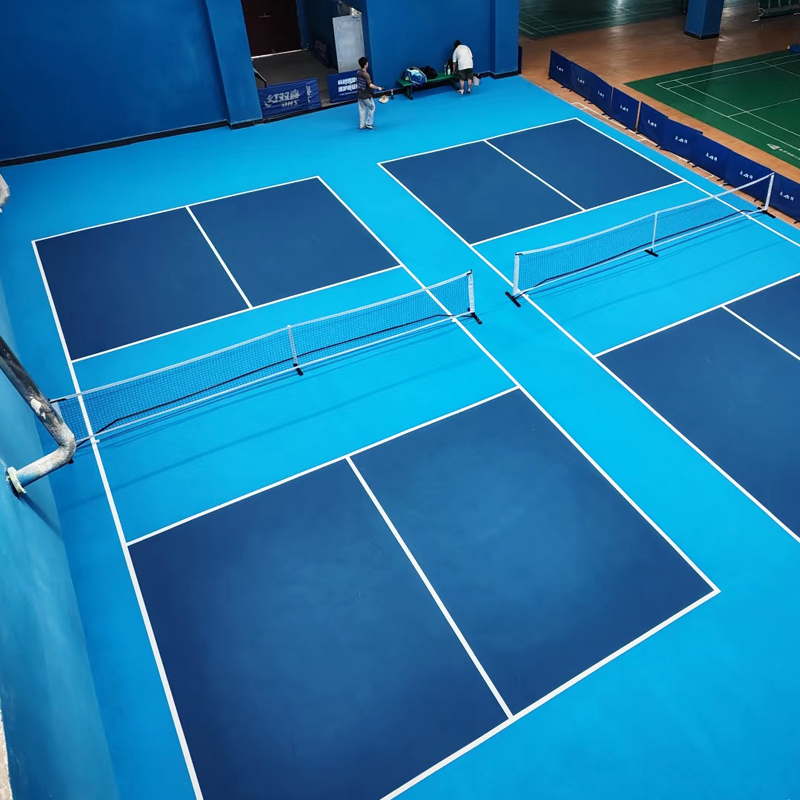
Pickleball and Multi-Sport Venues: Wood sport floors are also versatile enough to support sports like pickleball, where quick footwork and lateral movements are essential. Multi-sport venues benefit from wood flooring because it offers a uniform surface that can adapt to different activities, providing optimal performance and comfort for athletes involved in various sports.
Key Features to Look for in Quality Wood Sport Floors
When choosing wood sport flooring for a sports venue, several key features should be considered to ensure long-lasting durability and optimal performance:
-
High-Density Construction: High-density wood flooring is more resistant to dents and scratches, ensuring it can withstand heavy use over time. This feature is especially important in sports venues where the floor experiences constant foot traffic and intense activity.
-
Shock Absorption: Shock absorption is a critical feature of wood sport floors. The ability of the floor to absorb impact reduces the stress on athletes’ joints, providing a safer and more comfortable playing surface. Floors with better shock absorption also help reduce fatigue, making them more suitable for long practice sessions and competitive play.
-
Surface Finish: The finish on a wood floor significantly impacts its performance. A smooth, durable finish ensures that the floor provides good traction for players while also making it easier to clean and maintain. The right finish can help protect the wood from wear and tear, extending its lifespan.
-
Environmental Considerations: Sustainable sourcing and eco-friendly finishes are becoming increasingly important for sports facility managers. Choosing wood that comes from responsibly managed forests, and opting for low-VOC finishes, ensures that the flooring is both environmentally friendly and long-lasting.
Maintenance Tips for Prolonging the Life of Wood Sport Floors
Regular maintenance is essential for ensuring the longevity of wood sport floors. Here are a few tips to keep the floors in top condition:
-
Regular Cleaning and Surface Care: Dirt and debris can damage the surface of wood sport floors over time. It’s essential to implement a routine cleaning schedule that includes sweeping and mopping with a mild, wood-friendly cleaner. Avoid using harsh chemicals or abrasive cleaning tools that can scratch the floor.
-
Addressing Wear and Tear: Over time, the top layer of wood may show signs of wear, especially in high-traffic areas. Sanding and refinishing the surface is a necessary step to restore its smoothness and functionality. Regular refinishing helps maintain the floor’s performance and appearance.
-
Moisture Control: Wood floors are particularly susceptible to moisture damage, which can cause the boards to warp or crack. To prevent this, ensure that the sports venue is climate-controlled, maintaining a stable temperature and humidity level. Use moisture barriers underneath the flooring during installation for added protection.
Enhancing Longevity: Installing and Maintaining Wood Sport Floors
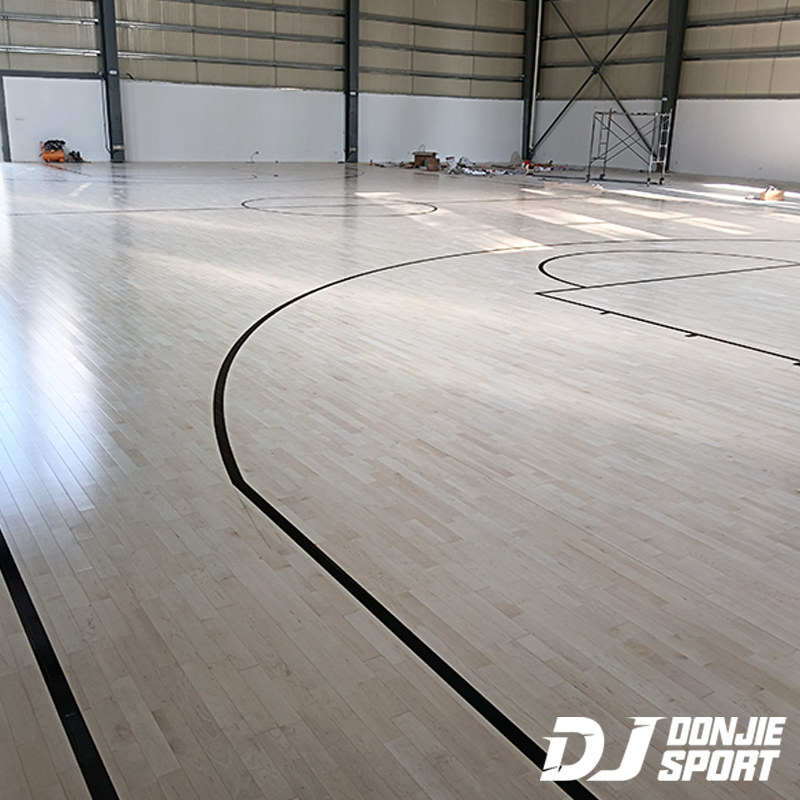
Proper installation is crucial for maximizing the lifespan of wood sport floors. Professional installation ensures that the floor is laid down correctly, with proper spacing and alignment to prevent issues like warping or shifting. Furthermore, following a routine maintenance schedule, such as regular cleaning, sanding, and refinishing, will help keep the floor in top shape.
Several factors influence how long a wood floor lasts, including the level of foot traffic, the types of sports played, and the climate of the venue. By staying proactive with maintenance, such as addressing damage quickly and keeping the floor dry, you can extend the life of your wood sport floor significantly.
Why Investing in High-Quality Wood Sport Floors Makes Sense
Investing in high-quality wood sport floors is a smart decision for any sports facility, not only for its aesthetic appeal but also for its performance and durability. Wood flooring enhances the overall athlete experience by offering a safe, comfortable, and high-performance surface. Proper care and maintenance, including cleaning, refinishing, and moisture control, are key to preserving the integrity of the floor and ensuring that it continues to perform at its best.