When it comes to upgrading your game, the flooring of your table tennis court plays a crucial role in enhancing both player performance and safety. The right flooring can significantly influence ball bounce, player movement, and overall playing experience. Whether you’re setting up a professional-level facility or a recreational space, selecting the ideal flooring is a game-changer. In this guide, we’ll explore the best flooring options for table tennis courts, including PVC sports flooring, wood, rubber, and composite materials, while considering essential factors like durability, maintenance, and cost-efficiency. Let’s dive into why flooring should never be overlooked in your game upgrade.
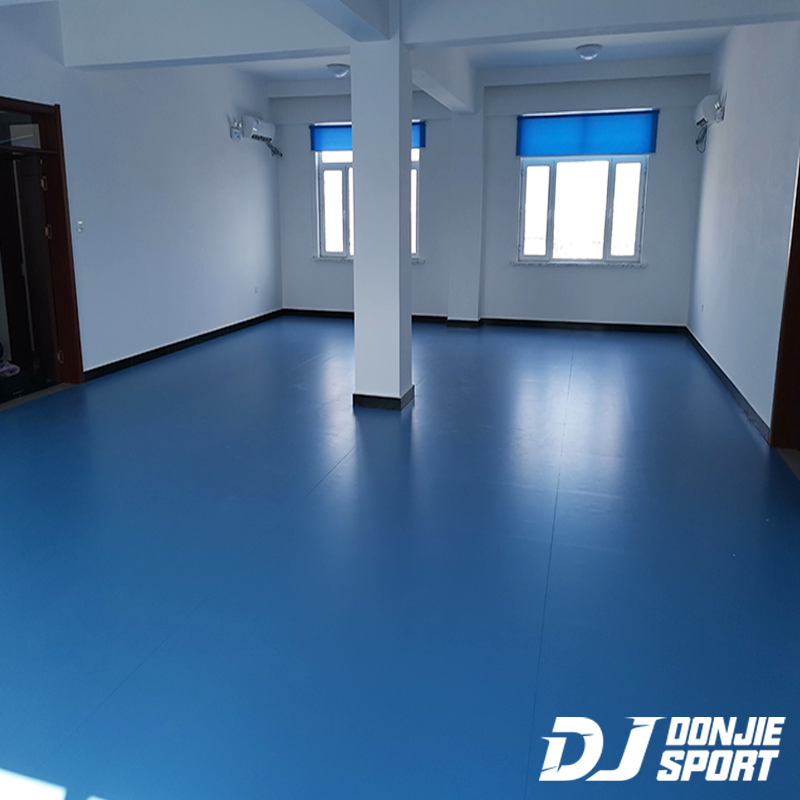
Understanding the Importance of Flooring for Table Tennis Courts
The choice of flooring in a table tennis court significantly impacts both the quality of play and the safety of players. Unlike many other sports, table tennis requires a precise and controlled ball bounce. The surface must provide enough traction to prevent slipping while offering a suitable rebound for the ball. A poorly chosen floor could lead to inconsistent ball bounce, increasing the risk of injury or affecting the game’s flow.
High-quality flooring ensures that players can move freely and quickly, making sharp turns and sudden stops without risking strain or injury. Furthermore, the right floor offers shock absorption, which reduces impact on the joints and muscles during long games. In short, the flooring choice directly correlates with a player’s comfort, safety, and performance.
Different Types of Flooring for Table Tennis Courts
Table tennis flooring is available in various materials, each with its own set of benefits and limitations. Below are the most common flooring types used for table tennis courts:
-
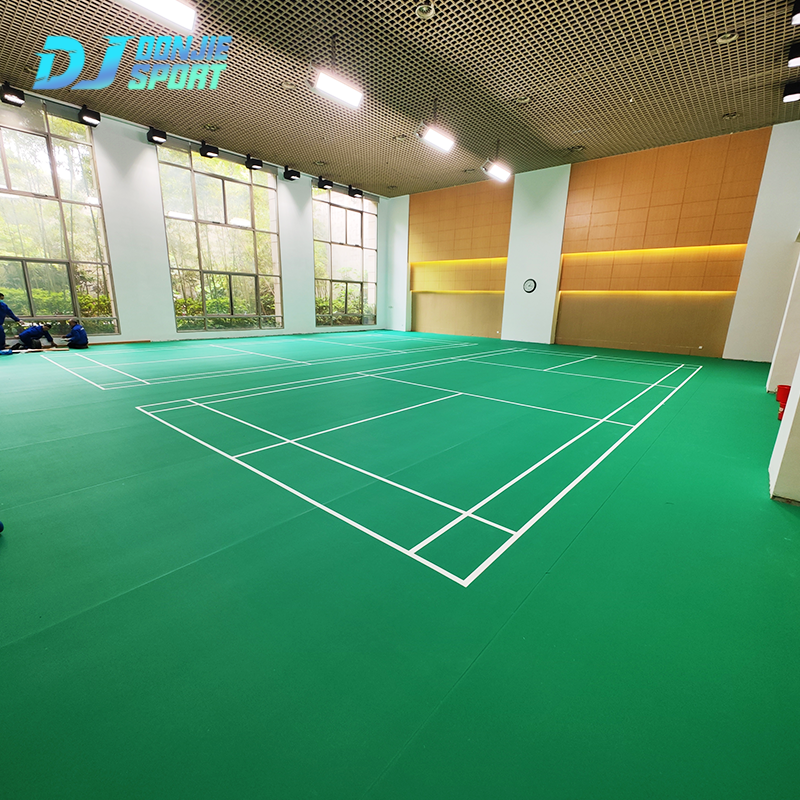
PVC Sports Flooring: This is one of the most popular choices due to its durability, shock-absorbent properties, and easy maintenance. PVC flooring is known for providing excellent ball rebound and comfort underfoot, making it ideal for both professional and amateur players.
-
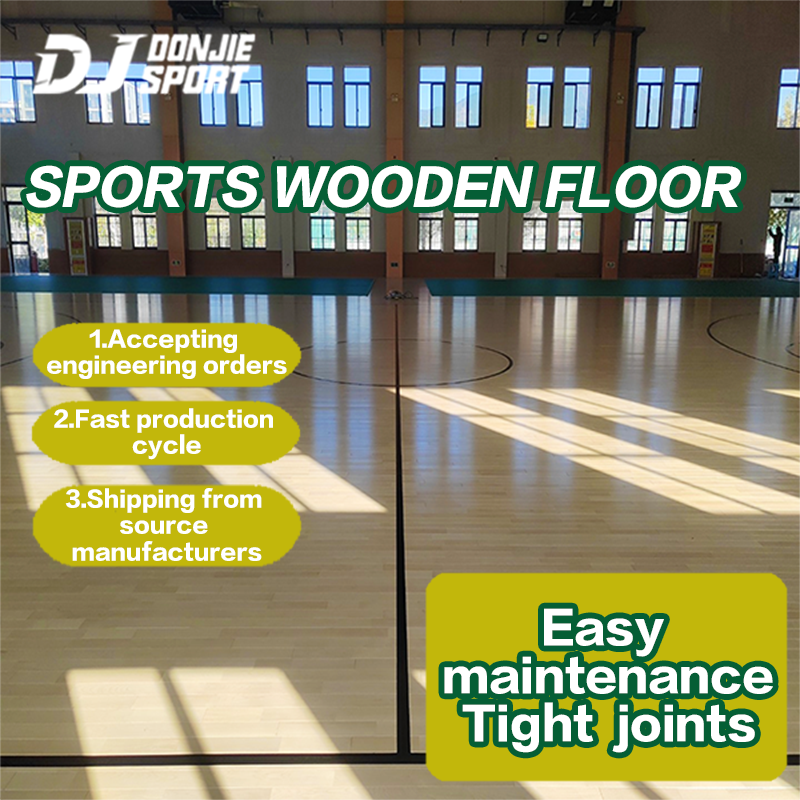
Wood Flooring (Parquet): Wood floors are often considered the traditional choice for table tennis courts. While they offer a natural aesthetic and superb ball bounce, they can be high-maintenance and may require refinishing or sealing over time.
-
Rubber Flooring: Rubber offers excellent grip and is highly durable. It’s ideal for multi-purpose sports halls, providing a good balance of shock absorption and ball rebound. However, its rigidity may not be ideal for high-performance table tennis environments.
-
Composite Flooring Options: These are a blend of different materials, often combining wood and synthetic layers. They provide an affordable yet high-performing alternative to traditional wood floors and are resistant to moisture and wear.
Key Features to Look for in Table Tennis Flooring
When selecting flooring for your table tennis court, it’s essential to consider a few key features to ensure optimal playability:
-
Durability and Wear Resistance: Table tennis courts experience a lot of foot traffic, so choosing a floor that can withstand constant use is vital. Floors should be durable enough to resist scratches, dents, and discoloration over time.
-
Shock Absorption and Player Comfort: Flooring with proper shock-absorption capabilities helps reduce the strain on players’ joints. This is especially important for professionals who spend long hours training or competing.
-
Moisture Resistance: Moisture can quickly damage floors, particularly wooden surfaces. Floors should be resistant to humidity, sweat, and moisture from cleaning.
-
Maintenance Requirements: Consider how much maintenance the flooring will need over time. For example, wood floors require periodic sanding and refinishing, while PVC and rubber floors are much easier to maintain.
Benefits of PVC Sports Flooring for Table Tennis Courts
Among the many flooring options available, PVC sports flooring stands out as one of the best choices for table tennis courts. This material is highly durable, providing resistance to wear and tear even with frequent use. PVC flooring is also excellent for shock absorption, reducing the risk of joint injuries, which is crucial for players who are constantly on their feet.
Additionally, PVC flooring offers superior moisture resistance, making it ideal for humid environments. It is also easier to clean and maintain than wood floors, requiring only occasional mopping to keep it looking new. As a bonus, PVC flooring is cost-effective, providing long-term value without compromising on performance.
PVC flooring also comes in a variety of designs and textures, allowing you to select an option that complements the aesthetic of your facility while delivering high performance.
How to Choose the Best Flooring for Your Table Tennis Court
Choosing the right flooring depends on several factors, including the level of play, the intended use of the space, and your budget.
-
Assessing the Level of Play: If you’re outfitting a professional competition facility, flooring that offers high-quality bounce and superior comfort is essential. On the other hand, if the court will be used for recreational play, cost-effective and easy-to-maintain flooring like PVC might be sufficient.
-
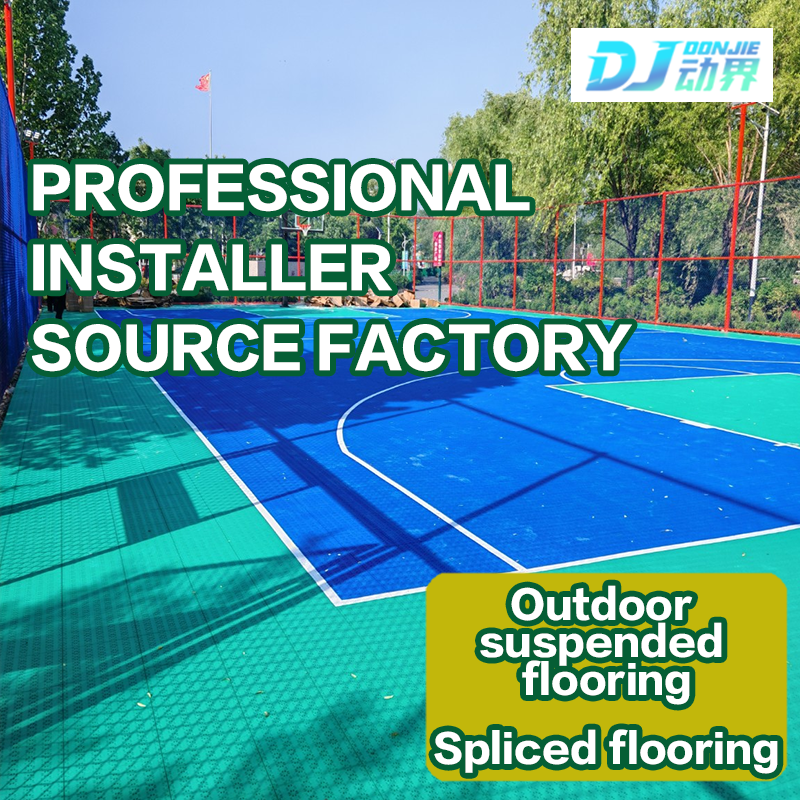
Choosing Based on Facility Environment: If your court is indoors, wood or PVC sports flooring is ideal. For outdoor environments, however, rubber or composite flooring is a better choice as it can handle varying weather conditions.
-
Budget Considerations: While wood and custom composite floors may offer excellent performance, they can be costly. PVC flooring, on the other hand, delivers fantastic value for the price and is often the preferred choice for both professional and amateur venues.
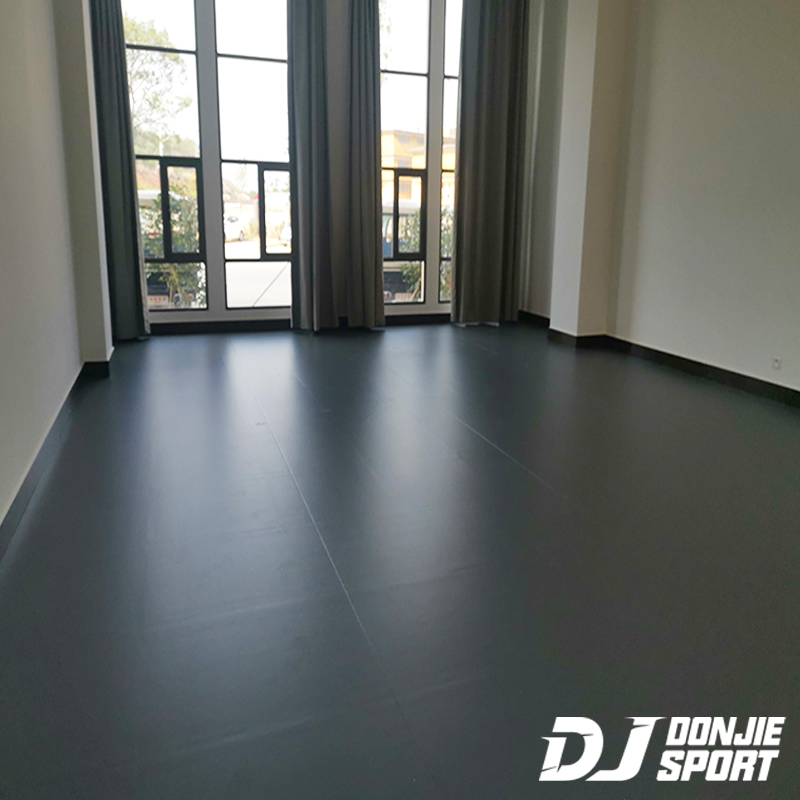
Installation and Maintenance Tips for Table Tennis Flooring
Once you’ve selected the ideal flooring for your table tennis court, proper installation and maintenance are crucial for extending its life and maintaining its performance.
-
Installation Guidelines: Ensure the flooring is installed by professionals to avoid issues like uneven surfaces or poor bonding. Depending on the material, installation may involve laying down adhesive for PVC flooring or securing wooden panels.
-
Maintenance Best Practices: For PVC floors, a regular cleaning schedule is enough to keep the surface in good condition. For wood floors, ensure they are sealed to prevent moisture damage and periodically sanded and refinished to maintain smoothness. Always inspect the flooring for any signs of damage, such as cracks or loose tiles, and address them promptly.
-
Periodic Checks and Repairs: Even the best flooring can develop minor issues over time. Regular inspections and timely repairs can prevent major problems and ensure the court remains in top condition.
Conclusion
Upgrading the flooring on your table tennis court is more than just an aesthetic improvement—it’s an investment in your players’ performance and safety. Whether you choose PVC sports flooring for its durability and cost-effectiveness or opt for the traditional beauty of wood, the right floor can elevate the game experience. Consider factors such as play level, environmental conditions, and long-term maintenance when making your choice. By selecting the best flooring, you’ll ensure that your table tennis court provides optimal performance and comfort for years to come.