When it comes to creating a safe and functional sports environment, the quality of the flooring in school volleyball courts cannot be overlooked. The right flooring is essential not only for enhancing player performance but also for ensuring the safety of students during physical activities. Whether it’s for regular gym classes or competitive sports events, choosing the right volleyball court flooring can have a significant impact on the overall experience.
Why Quality Volleyball Court Flooring Matters in Schools
Quality flooring is critical in any sports facility, especially in schools where the safety and well-being of young athletes are top priorities. Injuries caused by improper flooring can be common, especially when the surface lacks adequate shock absorption or traction. Volleyball, with its fast-paced and intense movements, requires flooring that provides a balance of support and flexibility. High-quality volleyball court flooring ensures that students can play their best while minimizing the risk of injury.
Additionally, the right flooring has a significant impact on the performance of athletes. For schools looking to encourage competitive play or support student athletes, investing in high-performance flooring can improve overall game quality. Durability is another major consideration, as school sports programs often involve frequent use of the court. Flooring that withstands heavy traffic will help maintain the court’s appearance and functionality over time.
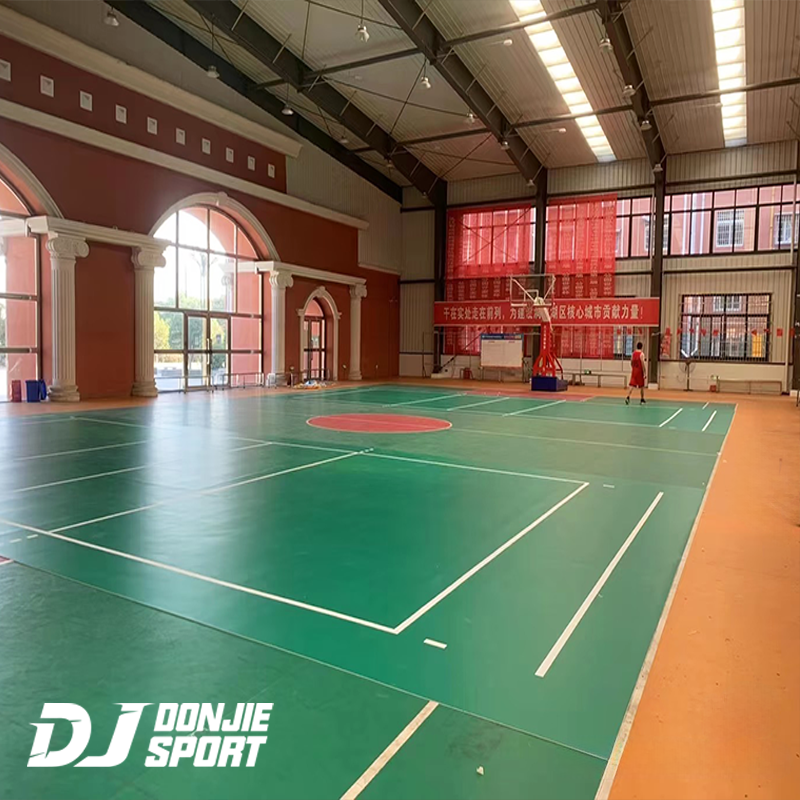
Essential Features of Volleyball Court Flooring for Schools
When selecting volleyball court flooring for schools, it’s important to consider several key features that directly impact safety, performance, and durability.
Slip Resistance and Traction:
The primary concern for school volleyball courts is safety. A surface that provides excellent slip resistance is essential to prevent accidents during play. Volleyball involves quick pivots, jumps, and sudden stops, which can result in injuries if the court surface doesn’t offer enough grip. Flooring with adequate traction ensures that players can move confidently and safely, even during high-speed actions.
Shock Absorption:
Volleyball is a high-impact sport, and the constant jumping and landing can put significant strain on players’ joints, particularly their knees and ankles. Flooring with good shock absorption helps reduce the impact on the body, preventing long-term injuries and discomfort. This feature is especially important for younger players whose bodies are still developing.
Durability:
Since volleyball courts in schools are often used regularly, durability is a critical factor. High-quality flooring materials should be able to withstand heavy foot traffic, the impact of ball rebounds, and general wear and tear. Floors that are durable will not only remain in good condition for years but also require fewer repairs and replacements, making them cost-effective over time.
Best Flooring Options for School Volleyball Courts
Different types of flooring materials come with their own set of benefits, depending on the school’s needs, budget, and usage frequency. Here are some of the best options for volleyball court flooring in schools:
Hardwood Flooring:
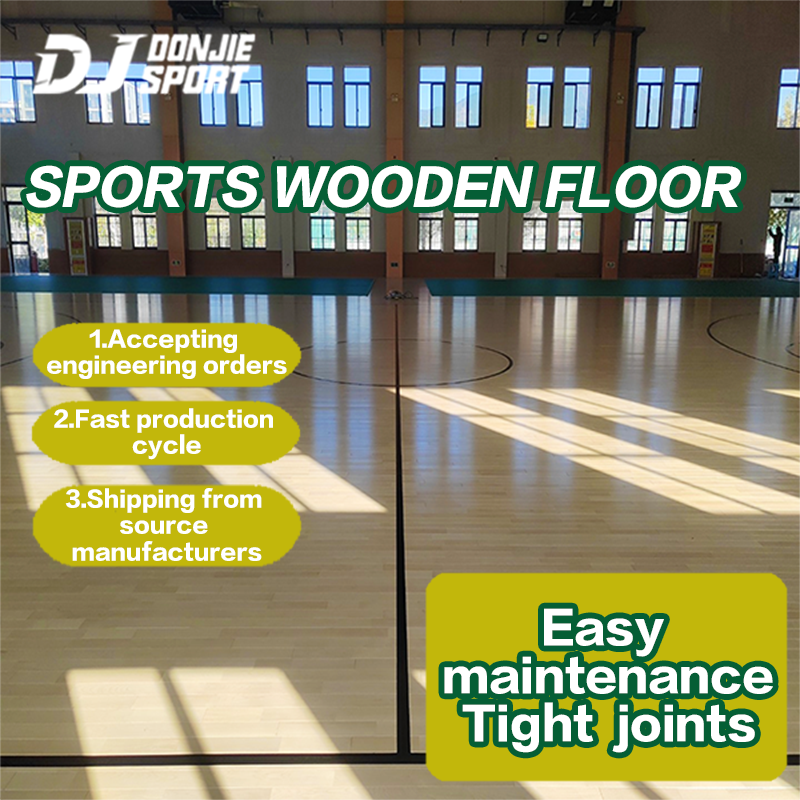
Traditional hardwood floors are a popular choice for volleyball courts, especially in professional and high school settings. They offer exceptional shock absorption and a smooth, even playing surface. Hardwood flooring also provides the right amount of traction for fast-paced movements and is often the most aesthetically pleasing option. However, it requires regular maintenance, including refinishing and sealing, to keep it in good condition.
Synthetic Flooring:
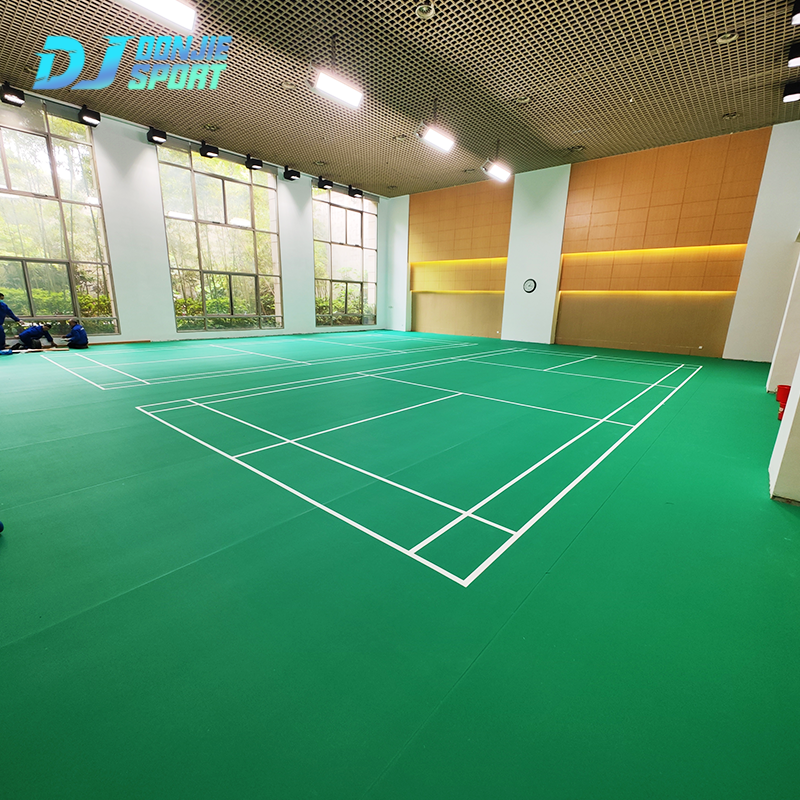
Synthetic flooring, such as vinyl or polyurethane, is an increasingly popular choice for schools. These floors are often more affordable than hardwood and offer excellent durability, slip resistance, and shock absorption. Synthetic surfaces are also easier to maintain and can be designed to mimic the look of hardwood, giving schools a cost-effective yet professional solution.
Rubber and PVC Flooring:
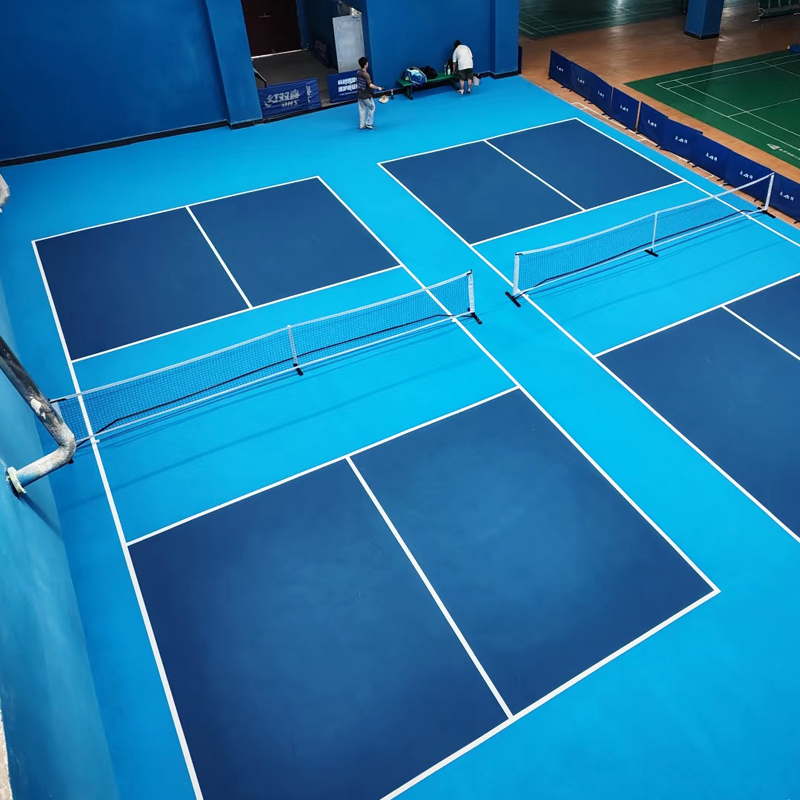
Rubber and PVC floors are excellent for schools seeking a versatile, durable, and low-maintenance option. These materials are highly resistant to wear and tear, provide great shock absorption, and are easy to clean. Additionally, rubber and PVC flooring can be installed as interlocking tiles, which makes them easy to replace or repair as needed. Their cushioning qualities also contribute to reducing the risk of injuries.
How to Choose the Right Volleyball Court Flooring for Your School
Choosing the right volleyball court flooring for your school involves assessing several factors that will affect the court’s performance and longevity.
Assessing Your School’s Specific Needs:
Each school has different requirements depending on the size of the gymnasium, the frequency of use, and the budget available. Smaller schools may need to consider more budget-friendly options, such as synthetic or rubber flooring, while larger schools with competitive sports programs might invest in higher-end hardwood flooring.
Environmental Factors:
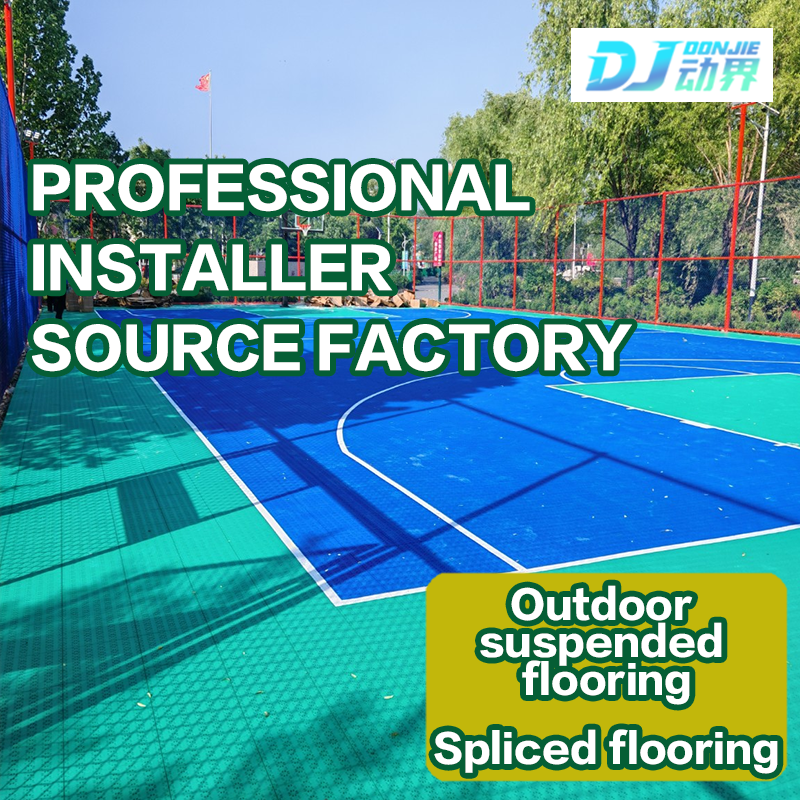
Is the volleyball court indoor or outdoor? Indoor courts typically use hardwood or synthetic flooring, which is ideal for controlled environments. For outdoor volleyball courts, schools need flooring materials that can withstand weather conditions and heavy UV exposure, like specialized outdoor sports tiles or rubber flooring.
Maintenance Considerations:
Certain flooring types require more maintenance than others. Hardwood floors, for example, need periodic refinishing and sealing to maintain their quality. Synthetic and rubber flooring options are generally easier to maintain and only require occasional cleaning. Consider your school’s ability to handle maintenance when choosing the flooring type.
Installation Process: What Schools Need to Know
The installation of volleyball court flooring is a crucial step in ensuring the court’s longevity and performance. Here’s what schools need to consider:
Professional Installation vs. DIY:
While some schools may attempt DIY installation for budget reasons, it is generally recommended to hire professionals to ensure that the flooring is installed correctly. Professional installers have the expertise to make sure that the flooring is level, secure, and properly aligned, which is essential for player safety and the court’s performance.
Installation Timeline:
Installing a volleyball court can take anywhere from a few days to several weeks, depending on the complexity of the project and the type of flooring chosen. Schools should plan the installation process to minimize disruptions to their sports programs.
Importance of Professional Assessment:
Before installation, it’s important to conduct a thorough assessment of the gym’s foundation and environment. A professional will check the floor’s levelness, moisture levels, and other factors that could affect the flooring’s performance. This assessment will help ensure the installation goes smoothly and that the court is ready for use as soon as possible.
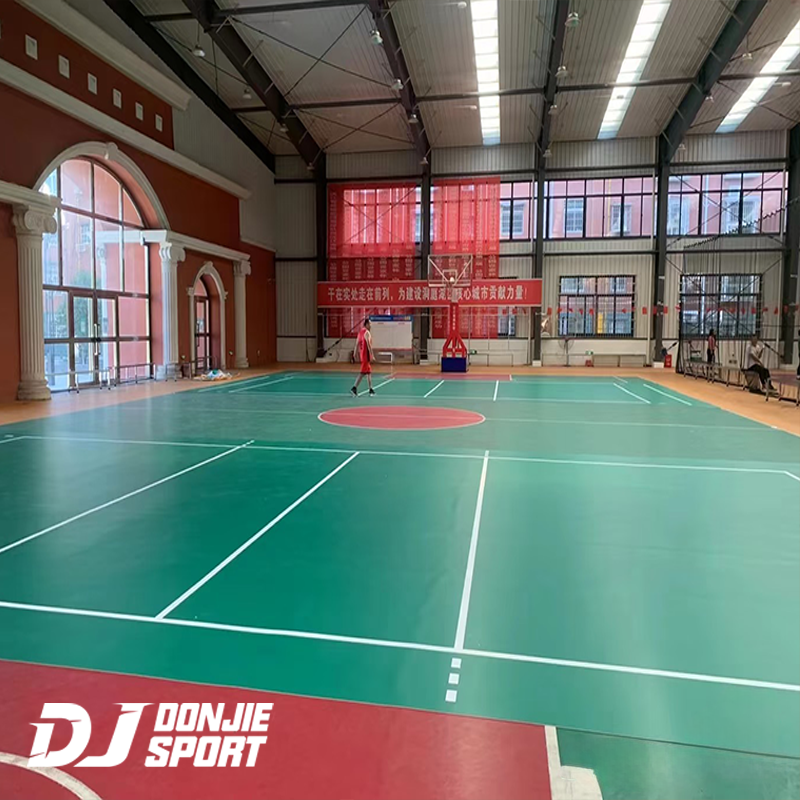
Long-Term Care and Maintenance of Volleyball Court Flooring
Maintaining the volleyball court flooring is just as important as the initial installation. Regular care will keep the flooring in top condition, ensuring player safety and optimal performance.
Routine Maintenance Tips for Each Flooring Type:
-
Hardwood floors should be swept regularly and cleaned with appropriate cleaners. They also require periodic refinishing to restore their appearance and functionality.
-
Synthetic floors should be vacuumed to remove debris, and spills should be cleaned immediately to prevent staining.
-
Rubber and PVC flooring can be wiped down with a damp cloth and require occasional deep cleaning to prevent dirt build-up.
Handling Wear and Tear:
Over time, all flooring types will experience some wear and tear. For example, hardwood floors may develop scratches, and synthetic floors may begin to show signs of fading. Schools should be prepared to address these issues promptly to avoid further damage. In some cases, replacing damaged sections may be necessary, especially with modular flooring options like rubber tiles.
Maintaining Traction and Performance:
To ensure that the court continues to provide the necessary traction and shock absorption, schools should regularly inspect the surface for signs of damage or wear. Slippery floors should be cleaned thoroughly, and worn-out flooring should be replaced to maintain safety.
The Role of Volleyball Court Flooring in School Sports Culture
High-quality volleyball court flooring goes beyond just functionality; it contributes to the overall sports culture in schools. A well-maintained, professional-looking volleyball court helps foster school spirit and pride among athletes and students alike. It also enhances the competitive experience, motivating students to engage in physical activities and strive for excellence in sports.
Investing in top-tier flooring not only provides safety and comfort but also boosts the reputation of the school’s sports program. Whether it’s for regular physical education classes or inter-school competitions, a great volleyball court enhances the overall sports experience for everyone involved.
Building Safe and High-Quality Volleyball Courts for Schools
In conclusion, volleyball court flooring plays an essential role in creating a safe, high-performing environment for students. The right flooring protects athletes from injuries, enhances their game performance, and ensures that the court remains in good condition for years to come. Whether you choose hardwood, synthetic, or rubber flooring, it’s important to select a material that meets your school’s specific needs, and don’t forget about long-term maintenance. By investing in high-quality volleyball court flooring, schools can create a sports area that is both safe and enjoyable for students, contributing to a thriving sports culture.