
Choosing the right flooring for volleyball courts in professional sports venues is a crucial decision that impacts both player safety and performance. The floor of a volleyball court not only affects how the game is played but also plays a significant role in preventing injuries. When it comes to selecting the ideal flooring, factors such as durability, shock absorption, and ease of maintenance are all essential to ensure a long-lasting and high-performing court. This article will explore the key considerations for choosing volleyball flooring, the different types of materials available, and how to make the best choice for your sports venue.
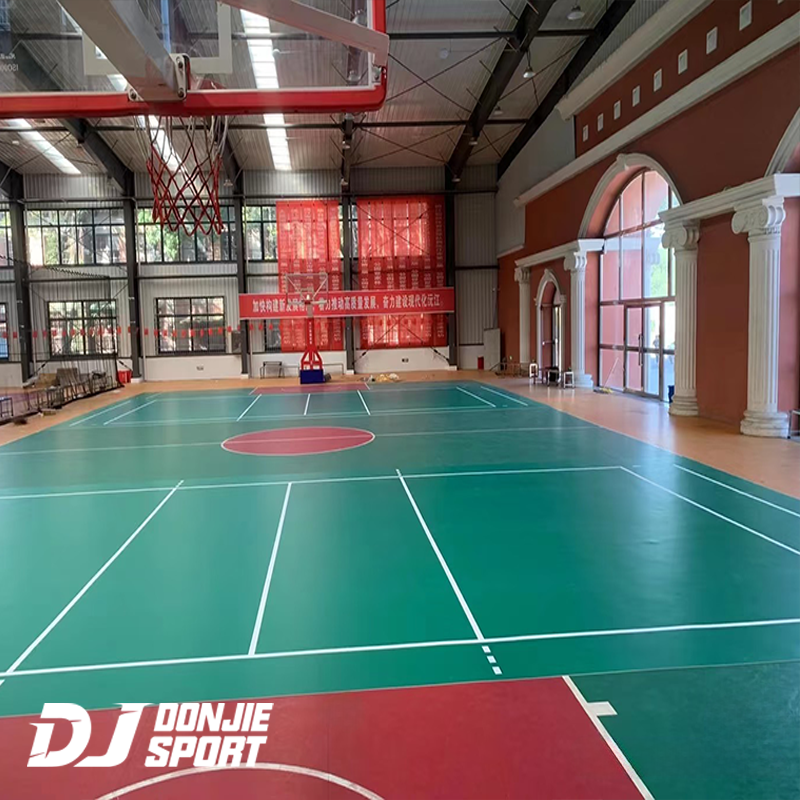
Factors to Consider When Choosing Volleyball Flooring
Durability and Longevity of Flooring Materials
When selecting flooring for a professional volleyball court, durability is one of the most important factors to consider. A well-built floor should withstand the constant pressure of foot traffic, impacts from jumping, and the occasional heavy equipment. Flooring materials like hardwood or high-quality synthetic materials are designed for high-performance and can endure the wear and tear of professional-level play.
Shock Absorption and Impact Resistance
The ability of the flooring to absorb shock is critical for reducing the risk of injuries, particularly for players who often perform high-impact movements like jumps and dives. Floors with good shock absorption capabilities minimize the strain on players’ joints, particularly the knees and ankles. Modern synthetic flooring systems, such as rubber or PVC, are designed to provide this essential protection.
Traction and Grip for Safe Play
Traction is another vital element in volleyball flooring. A court should have sufficient grip to allow players to change direction quickly without the risk of slipping. Flooring that is too slippery can lead to accidents and injuries, while flooring that is too sticky can hinder player movement. High-quality volleyball flooring should strike the right balance to ensure safe play.
Maintenance Requirements for High-Performance Venues
Maintaining the flooring in top condition is essential for ensuring long-term performance. Some types of flooring, such as hardwood, require regular polishing and refinishing to keep them smooth and level. Other materials, like modular tiles or synthetic options, may need less maintenance but should still be cleaned regularly to preserve their appearance and functionality.
Aesthetic Appeal and Court Design Options
While performance and safety are the top priorities, the visual appeal of the court should not be overlooked. A professional volleyball court often serves as a showpiece for the venue, so choosing a flooring system that enhances the aesthetics of the space is important. Options like customizable color schemes, logos, and professional finishes can help create a visually striking and professional environment.
Types of Flooring Materials for Volleyball Courts
Hardwood Flooring: The Traditional Choice
Hardwood flooring has been the standard for volleyball courts for decades. Known for its traditional look and solid performance, hardwood flooring provides an excellent balance of shock absorption, traction, and durability. It is often used in professional volleyball venues and is favored for its high-end appearance.
-
Advantages of Hardwood Flooring
Hardwood floors offer a smooth surface that is ideal for high-speed volleyball games. They also provide natural shock absorption due to the wood’s elasticity, reducing the risk of injuries. The traditional aesthetic of hardwood courts remains a classic choice for professional venues. -
Disadvantages and Limitations
Hardwood floors can be costly to install and maintain. Over time, they may require refinishing and are prone to scratching or denting. Additionally, they are susceptible to damage from moisture, which can be a concern in high-humidity environments.
Synthetic Volleyball Flooring: Modern Solutions
Synthetic flooring systems such as PVC and rubber offer an alternative to traditional hardwood. These materials have become increasingly popular for professional volleyball courts due to their durability and lower maintenance requirements.
-
PVC and Rubber Flooring Systems
PVC and rubber are excellent choices for volleyball courts because they provide superior shock absorption and impact resistance. They are designed to withstand heavy use and can be customized to suit specific performance needs. These materials are often used in multi-purpose venues, where a variety of sports are played. -
Benefits of Synthetic Materials for Professional Venues
Synthetic materials are relatively low-maintenance, resistant to moisture damage, and typically more affordable than hardwood. They also offer advanced shock-absorbing properties, making them ideal for preventing injuries. Additionally, synthetic systems can be engineered to provide superior grip and traction.
Modular Interlocking Tiles: A Flexible Alternative
Modular interlocking tiles are an innovative flooring option for volleyball courts. These tiles can be easily assembled and disassembled, making them ideal for venues that need flexible, multi-purpose flooring solutions. Modular tiles are available in a variety of materials, including PVC and rubber.
-
How Modular Tiles Work
Modular tiles are designed to interlock, creating a seamless surface that mimics traditional flooring systems. They are simple to install and maintain, and they can be replaced individually if damaged, which reduces overall maintenance costs. -
Pros and Cons of Modular Systems
The main advantage of modular systems is their flexibility and ease of installation. They are perfect for venues that need a temporary or versatile flooring solution. However, they may not offer the same level of performance or aesthetic appeal as more traditional flooring options.
Ensuring Safety with the Right Volleyball Flooring
Importance of Shock Absorption in Injury Prevention
Shock absorption is critical in preventing injuries in volleyball. Professional athletes are constantly subjected to impacts, especially when jumping, landing, or diving. Flooring with the right amount of cushioning can help mitigate these impacts, reducing the likelihood of joint injuries such as sprains, strains, and stress fractures.
Meeting Industry Standards and Certifications
Professional volleyball courts must adhere to strict safety standards set by governing bodies such as the FIVB (International Volleyball Federation). Flooring systems that meet these standards are designed with safety in mind, ensuring that the surface offers the appropriate level of shock absorption, traction, and durability.
Flooring Innovations for Enhanced Player Protection
Recent advancements in flooring technology have led to improved player protection. For example, modern synthetic materials are designed to provide better shock absorption and traction while also being more durable. Innovations such as moisture-resistant coatings and antimicrobial finishes also help ensure the longevity and cleanliness of the court.
Cost Considerations in Choosing Volleyball Flooring
Upfront Costs vs Long-Term Investment
The initial investment in volleyball flooring can vary significantly depending on the material and installation requirements. Hardwood floors tend to be more expensive to install, while synthetic options may offer a more cost-effective alternative. However, it’s important to consider the long-term value of the flooring. Durable, high-quality flooring can reduce maintenance costs and extend the lifespan of the court.
Maintenance and Replacement Costs
While some flooring options may have a lower upfront cost, they may require more frequent maintenance or replacement. Hardwood floors, for example, need regular refinishing and can be costly to repair. In contrast, synthetic flooring systems may require less maintenance and are easier to replace when necessary.
Cost-Effective Options for Professional Venues
For professional venues operating on a budget, synthetic flooring systems or modular tiles may provide a more affordable alternative without compromising on performance. These options offer excellent durability and safety features, making them an attractive option for venues that need high-quality flooring without the steep costs associated with hardwood.
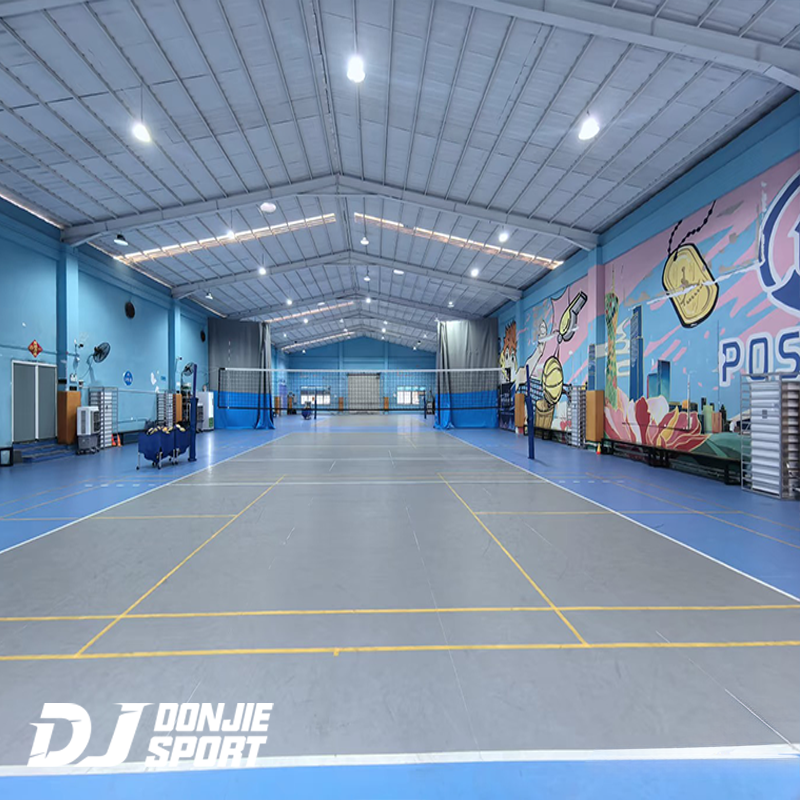
Installation and Professional Setup
Importance of Proper Installation for Longevity
Proper installation is critical for ensuring the longevity and performance of your volleyball flooring. Floors that are poorly installed may experience issues such as uneven surfaces, which can impact player safety and the overall game experience. It’s essential to hire professional installers who are experienced in handling specialized sports flooring materials.
Professional vs DIY Installation
While some may consider DIY installation as a cost-saving measure, professional installation is recommended for volleyball courts. Experts understand the specific requirements of sports flooring systems and can ensure that the installation is done correctly, extending the lifespan of the flooring and enhancing overall performance.
Maintenance Tips for Maximizing Flooring Lifespan
Once installed, maintaining your flooring is crucial for maximizing its lifespan. Regular cleaning, proper moisture control, and periodic inspections are key to preserving the integrity of your volleyball court floor. Professional maintenance services can help keep your floor in top condition for years to come.
Conclusion
Choosing the right volleyball flooring for a professional sports venue is a critical decision that affects player performance, safety, and the longevity of the court. By considering factors such as durability, shock absorption, traction, and cost, you can select the best flooring system for your venue’s needs. Whether you opt for traditional hardwood, modern synthetic materials, or flexible modular tiles, it’s essential to prioritize quality and safety. With the right flooring in place, your volleyball court will provide a top-tier playing experience for athletes while protecting their well-being.



