
When setting up a gym or fitness center, one of the most crucial decisions you’ll make is selecting the right flooring. While it may seem like a simple task to choose between gym flooring and standard flooring, the differences are significant. Sports gym flooring is specifically designed to meet the rigorous demands of physical activity, offering performance, safety, and durability. In this article, we will explore what makes sports gym flooring different from standard flooring, highlighting its key features, benefits, and the materials that set it apart. Whether you’re opening a new gym or renovating an existing one, understanding these differences will help you make an informed decision.

What Defines Sports Gym Flooring?
Sports gym flooring is engineered to support athletes and fitness enthusiasts by providing a safe, durable, and high-performance surface. Unlike standard flooring, gym floors are built to endure constant movement, impact, and heavy foot traffic. This specialized flooring is designed with several key characteristics that make it ideal for high-intensity environments like gyms, fitness studios, and sports halls. The primary focus is on safety, comfort, and performance enhancement, which standard flooring types cannot offer.
The Unique Features of Sports Gym Flooring
Impact Absorption and Shock Resistance
One of the most important differences between sports gym flooring and standard flooring is the ability to absorb impact. During physical activities like running, jumping, or weightlifting, high-impact forces are exerted on the floor. Sports gym flooring is designed to absorb these shocks, which helps to prevent injuries. This feature is particularly essential in sports like basketball or gymnastics, where athletes frequently land hard on the ground. Standard flooring types such as ceramic tiles or hardwood do not offer the same level of shock resistance, increasing the risk of joint and muscle strain.
Non-Slip Properties for Safety
Safety is a top priority in any gym or fitness facility. Sports gym flooring is designed to provide excellent traction, even when wet with sweat or moisture. Non-slip surfaces reduce the risk of slips and falls, ensuring that athletes can perform without worrying about their footing. In contrast, standard flooring, such as smooth tile or polished wood, can become slippery when wet, creating a hazardous environment for physical activities.
Durability to Withstand High-Intensity Usage
Another distinguishing feature of sports gym flooring is its durability. The flooring is built to handle the repeated wear and tear of heavy equipment, high-impact sports, and large groups of people. Materials like rubber, PVC, and vinyl are resistant to abrasions, scratches, and dents. These materials are not only long-lasting but also easy to repair or replace if damaged. In contrast, standard flooring materials like carpet or traditional hardwood floors are not designed to endure the constant demands of a gym, leading to quicker degradation.
Comfort and Ergonomic Design for Users
Sports gym flooring also places a significant emphasis on comfort. Whether it’s for weight training, yoga, or aerobic exercises, the flooring is engineered to provide an ergonomic surface that reduces fatigue during workouts. The cushioning properties help to alleviate pressure on the body, reducing the risk of long-term injury. Standard flooring types, such as concrete or vinyl tiles, do not offer the same level of comfort, leading to discomfort and potential strain during exercise.
Materials Used in Sports Gym Flooring vs. Standard Flooring
Common Materials for Sports Gym Flooring
Sports gyms use specialized materials like rubber, PVC, vinyl, and wood, each offering unique benefits.
-
Rubber flooring is known for its shock absorption and durability, making it ideal for heavy-duty applications such as weight rooms and fitness areas.
-
PVC and vinyl flooring offer excellent flexibility and cushioning, making them a popular choice for multipurpose gyms.
-
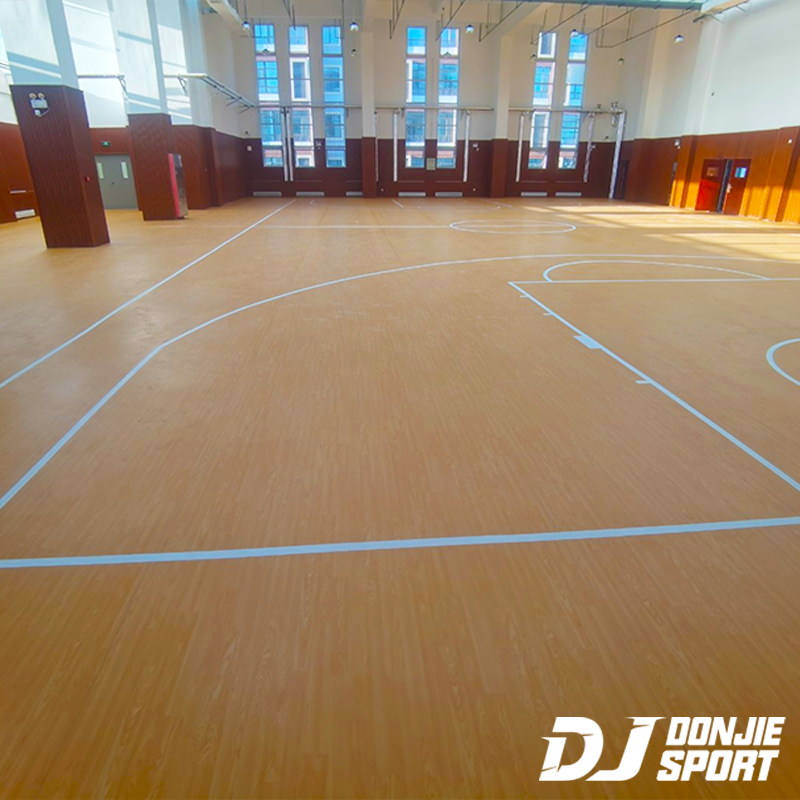
Wooden flooring is commonly used in basketball courts and indoor sports arenas because of its smooth, natural finish and aesthetic appeal.
These materials are specifically chosen for their ability to withstand heavy use and provide a comfortable, safe surface for athletes.
Materials Used in Standard Flooring
Standard flooring materials, on the other hand, include options like carpet, ceramic tiles, and laminate, which are designed for general-purpose use in homes and offices. These materials are not built to handle the high-impact stresses of a gym environment. Carpet is easily worn out by the weight of gym equipment, tiles can crack under pressure, and laminate surfaces are prone to scratches and stains.
Safety Considerations: Why Gym Floors Are More Impact-Resistant
Safety is one of the key reasons sports gym flooring differs from standard flooring. The high impact involved in various sports can cause serious injury if the flooring doesn’t provide enough cushioning. For instance, jumping or landing from a height requires a surface that absorbs impact, which is why many gym floors are constructed with shock-absorbent layers. This protects athletes from joint injuries such as sprains, strains, and fractures. Standard flooring materials do not offer the same impact resistance, leading to an increased likelihood of injury during high-intensity training or sports activities.
How Sports Gym Flooring Improves Performance
Sports performance is another key area where sports gym flooring shines. The right flooring can enhance athletic performance by providing a stable, responsive surface that maximizes traction and stability. In sports like basketball or tennis, athletes need to pivot quickly and change directions, which requires excellent grip and support. Sports gym flooring is designed to support quick movements, reducing fatigue and improving agility. In contrast, standard flooring does not offer the same level of support, which can lead to slips, reduced mobility, and slower performance.
Maintenance and Longevity of Sports Gym Flooring
When it comes to maintenance, sports gym flooring is designed to be easy to clean and maintain, which is essential for facilities that experience high traffic. Specialized coatings and materials make it resistant to dirt, stains, and moisture, while also preventing the growth of bacteria or mold. Unlike standard flooring, which may require frequent repairs or replacement due to wear and tear, sports gym flooring is designed to last for years with minimal upkeep. Regular cleaning and periodic maintenance are typically sufficient to keep the flooring in top condition.
Aesthetic Appeal and Customization Options
Another advantage of sports gym flooring over standard flooring is the ability to customize the look and feel of the space. Many gym floors come in a variety of colors, patterns, and designs, allowing gym owners to tailor the aesthetics to fit the brand or ambiance of the facility. This customization can enhance the overall atmosphere of the gym, creating an inspiring environment for athletes. Standard flooring, however, is often more limited in design options and may not complement the unique style of a sports facility.
Cost Considerations: Is Sports Gym Flooring Worth the Investment?
While sports gym flooring may come with a higher initial cost compared to standard flooring, it is a wise investment in the long run. The durability, performance benefits, and safety features offered by specialized gym flooring reduce the need for frequent repairs or replacements, saving you money over time. Moreover, a high-quality gym floor can improve the overall user experience, attracting more clients to your facility and increasing your return on investment. In contrast, standard flooring may require more frequent repairs and replacements, ultimately costing more in the long term.
Conclusion
In conclusion, sports gym flooring is vastly different from standard flooring in terms of safety, performance, durability, and aesthetics. Designed specifically to meet the unique needs of gyms and fitness centers, it offers benefits that standard flooring simply cannot provide. Whether it’s for shock absorption, slip resistance, or enhancing athletic performance, investing in specialized gym flooring is essential for creating a safe and high-performing fitness environment. The long-term benefits far outweigh the initial investment, making it the ideal choice for any serious gym or sports facility.



