Choosing the right flooring for table tennis is more than just an aesthetic decision—it directly affects player performance, safety, and overall game quality. The ideal floor ensures proper shock absorption, consistent ball bounce, and reliable traction, reducing the risk of injuries while enhancing comfort during play. Whether you are setting up a professional club, a recreational facility, or a home game room, understanding the key elements of table tennis flooring is essential for long-term satisfaction and optimal performance. This article explores everything you need to know about selecting, installing, and maintaining the best flooring for table tennis.
Understanding the Basics of Table Tennis Flooring
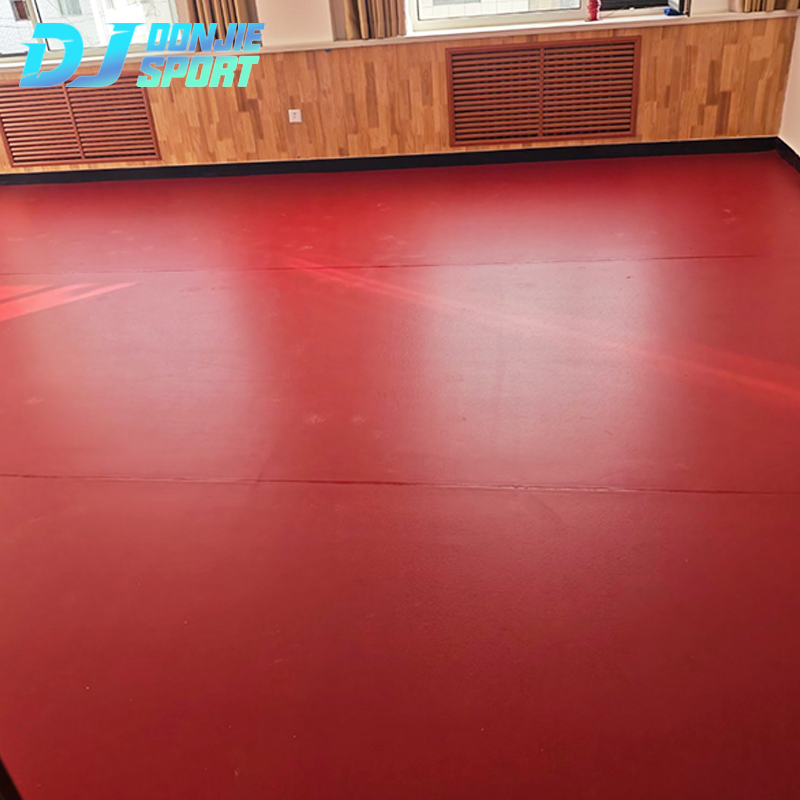
High-quality flooring for table tennis must meet specific performance standards to support fast-paced gameplay. Shock absorption is critical, as it reduces strain on players’ joints during prolonged sessions. Proper surface grip ensures that players can pivot and move quickly without slipping, while uniform bounce consistency is vital for precise ball control. Comfort also plays a significant role; players should feel supported underfoot without the surface being overly soft. Unlike general sports flooring, table tennis-specific floors are designed to optimize these factors for short, rapid movements rather than prolonged running.
Top Materials Used in Table Tennis Flooring
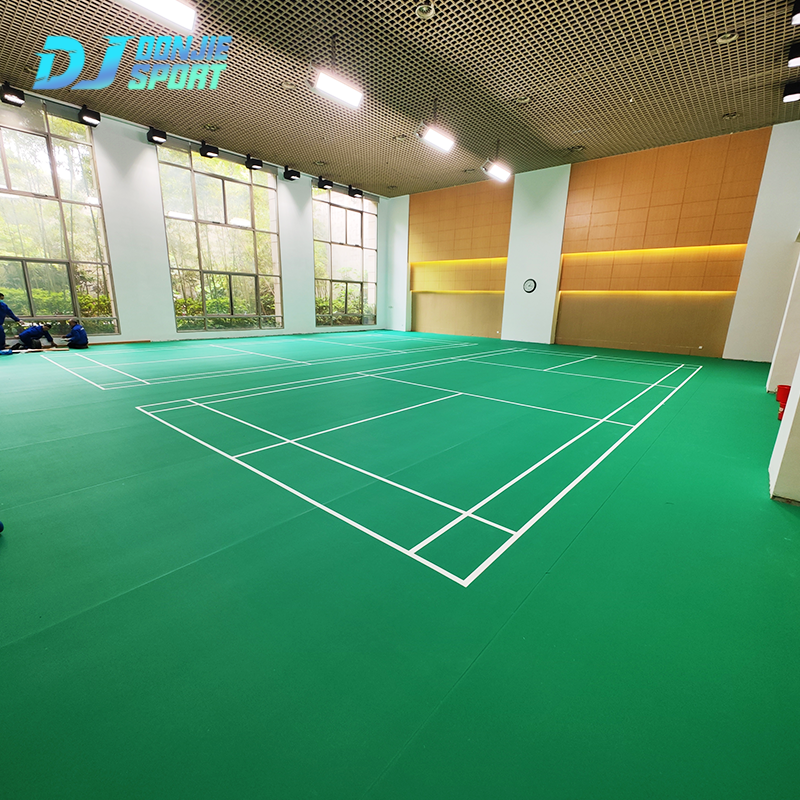
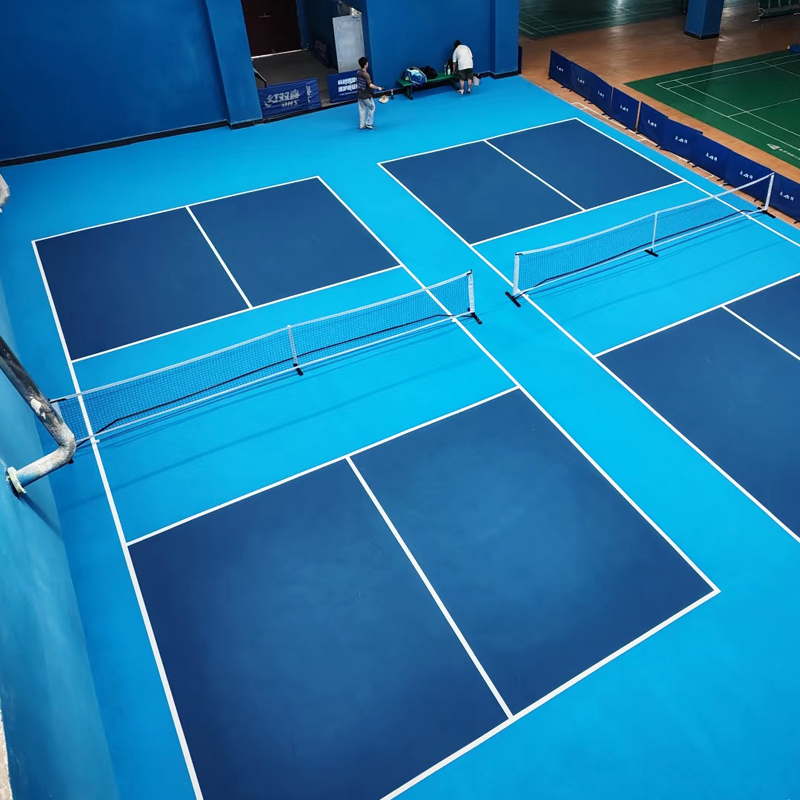
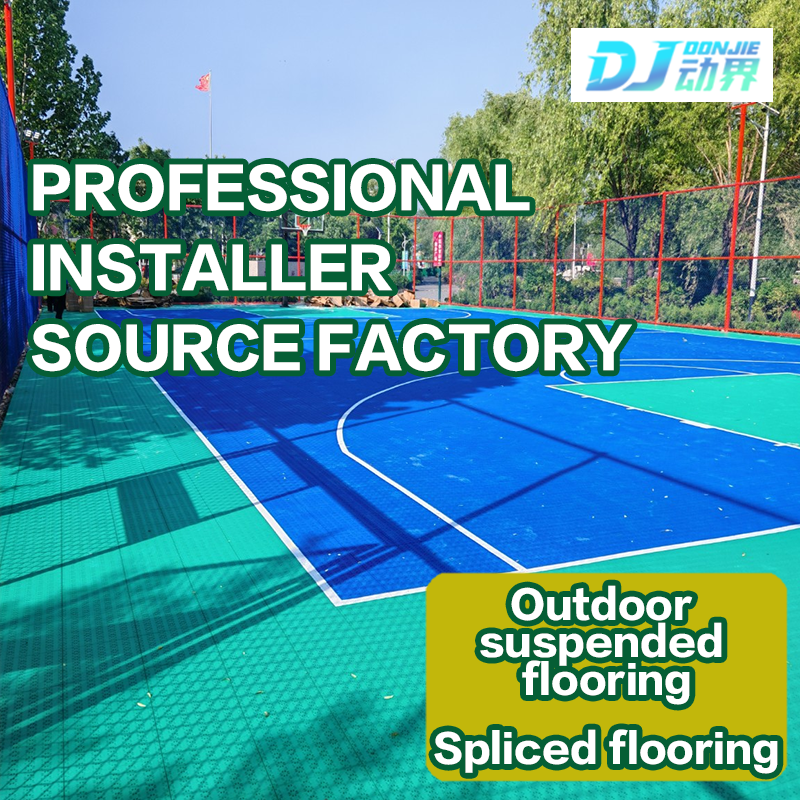
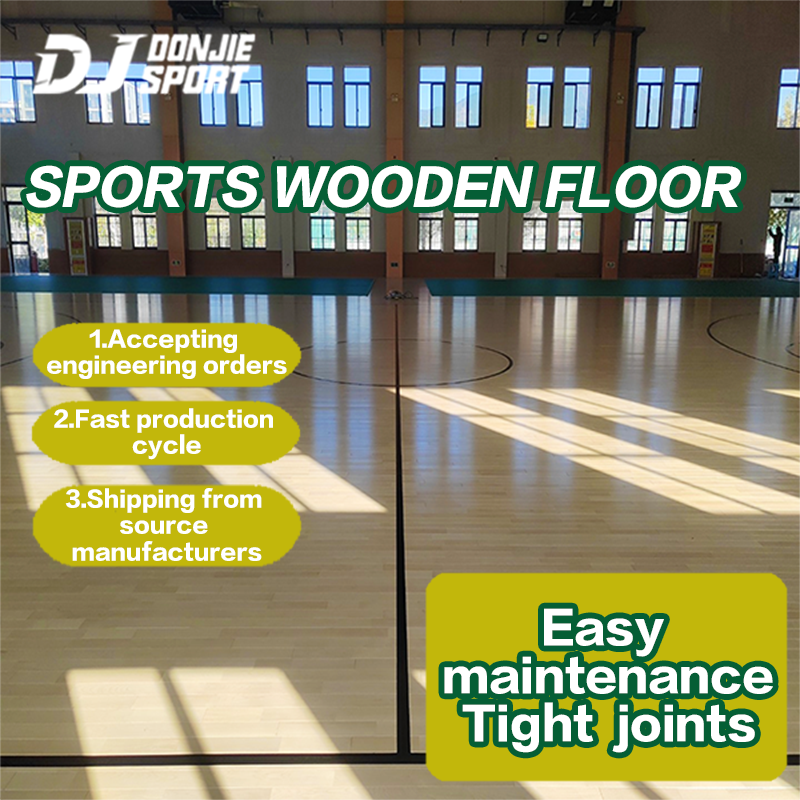
The material of your flooring for table tennis heavily influences performance and maintenance needs. PVC sports flooring is a popular choice due to its durability, ease of cleaning, and balanced traction. It offers excellent shock absorption, making it suitable for high-intensity practice and tournaments. Wooden flooring, especially engineered hardwood, is a traditional choice that provides a natural feel and consistent ball bounce. Interlocking tiles are increasingly popular for modular or temporary setups, allowing flexibility and easy replacement of damaged sections. Comparing these materials based on performance, durability, and cost can help you make an informed choice.
Performance Features That Matter
When evaluating flooring for table tennis, several performance features are non-negotiable. Shock absorption protects players’ knees and ankles, preventing fatigue and injuries. Anti-slip surfaces and optimal traction support agile footwork. Uniformity in the floor ensures that the ball behaves predictably, which is essential for competitive play. Additionally, noise reduction is an often-overlooked factor—quality flooring dampens the sound of fast-moving balls and footfalls, creating a more pleasant playing environment. All these features combine to deliver comfort, safety, and professional-level performance.
Installation Considerations for Table Tennis Flooring
Installing high-quality flooring for table tennis requires careful preparation. The subfloor must be level, dry, and free from debris to prevent unevenness and premature wear. Players and facility managers must decide between permanent installations and modular solutions. While professional installation ensures precise alignment and durability, DIY installations can work for smaller or temporary spaces if proper guidelines are followed. Avoid common mistakes like ignoring moisture barriers or skipping subfloor leveling, as these issues can significantly reduce the floor’s lifespan and performance.
Maintenance and Longevity of Table Tennis Flooring
Maintaining your flooring for table tennis is essential for performance and safety. Regular cleaning, including sweeping and mopping with appropriate solutions, prevents dust and dirt from compromising traction. High-traffic areas may require periodic inspection and touch-ups to avoid wear that affects ball bounce and grip. Proper maintenance not only extends the life of the floor but also ensures consistent playing conditions, making it a worthwhile investment for any facility.
Indoor vs. Multi-Purpose Sports Halls
The requirements for flooring for table tennis vary depending on the venue. Dedicated table tennis halls benefit from specialized surfaces designed solely for ball control and player movement. In contrast, multi-purpose sports halls require flooring that balances multiple activities, which may involve compromises in bounce and grip. Understanding your facility’s primary use and traffic patterns can help you choose a flooring solution that maximizes performance without sacrificing versatility.
Choosing the Right Flooring for Your Table Tennis Facility
Selecting the ideal flooring for table tennis involves balancing performance, durability, and budget. Consider the level of play, from amateur enthusiasts to professional athletes, as higher-intensity play demands superior shock absorption and consistent bounce. Evaluate materials based on expected lifespan, maintenance needs, and cost-effectiveness. Consulting with flooring experts and reviewing product specifications can help you make an informed choice that aligns with your goals and ensures long-term satisfaction.
Conclusion
The best flooring for table tennis combines durability, comfort, and consistent performance, supporting players of all levels. Shock absorption, traction, and uniform bounce are essential features that distinguish high-quality floors from ordinary options. Proper installation and maintenance further enhance longevity, ensuring that your investment continues to deliver optimal playing conditions. Whether you are upgrading a professional facility or setting up a home game room, prioritizing the right flooring can transform the playing experience, reduce injury risks, and elevate overall performance.