Refurbishing your sports hall floor is not just about aesthetics; it’s about providing a safe, durable, and high-performing surface that can withstand intense use over time. Whether you are upgrading an old floor, replacing worn-out materials, or simply refreshing your facility, the process involves more than just choosing a new surface. It requires thoughtful consideration of various factors such as the current condition of your floor, the right material, budget, and ensuring the safety of athletes. In this article, we will explore what to consider before refurbishing your sports hall floor, ensuring you make an informed decision that enhances your facility for years to come.

Assessing the Current Condition of Your Sports Hall Floor
Before embarking on any refurbishment project, it’s crucial to assess the existing condition of your sports hall floor. Over time, the surface can experience significant wear and tear due to constant foot traffic, heavy equipment, and intense sporting activities.
Key signs that your sports hall floor may need refurbishing include visible damage such as cracks, dents, or scratches. If the floor feels uneven or has lost its original smoothness, it could affect the performance and safety of athletes. Additionally, fading colors or peeling finishes are common signs of an aging surface. Assessing these issues will help you determine the extent of the damage and decide whether a full refurbishment is necessary or if a simple repair will suffice. Be sure to evaluate the floor’s functionality, including its grip and shock absorption properties, which directly affect player safety.
Choosing the Right Material for Your Refurbished Sports Hall Floor
The material you choose for your refurbished sports hall floor is one of the most important decisions you’ll make. Different materials offer various benefits depending on the sport being played, the level of foot traffic, and your budget. Here are some common flooring options:
-
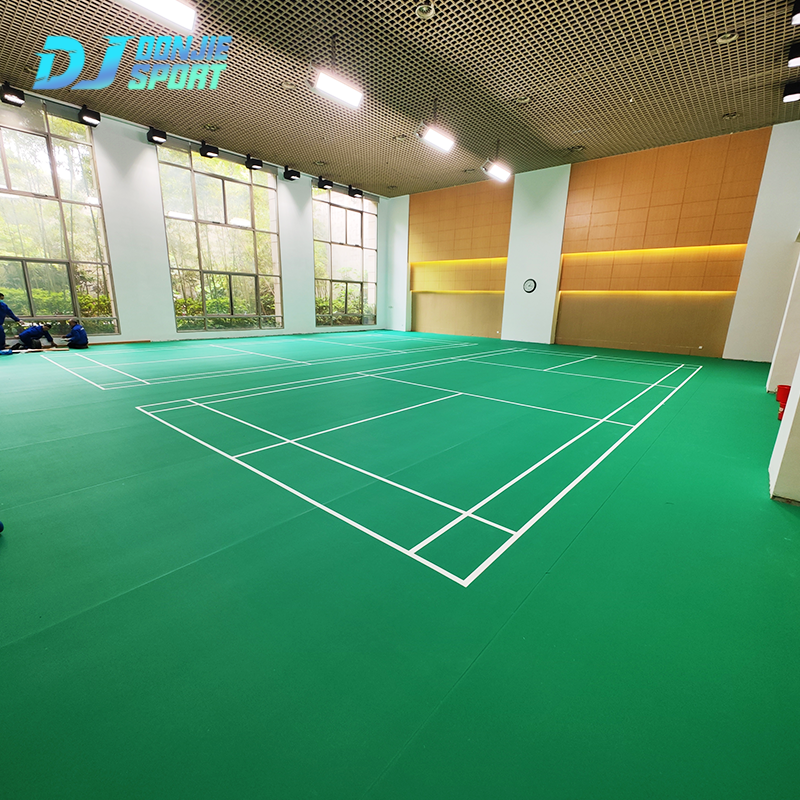
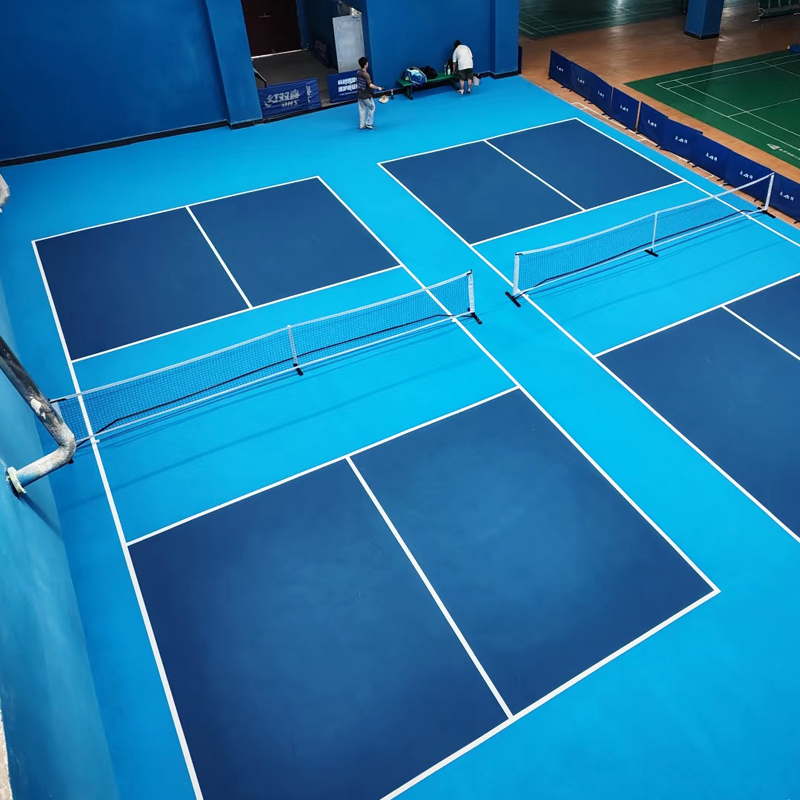
PVC Sports Flooring: A popular choice for multi-purpose sports halls, PVC flooring offers excellent durability and ease of maintenance. It’s available in a variety of colors and designs, making it an attractive choice for modern facilities.
-
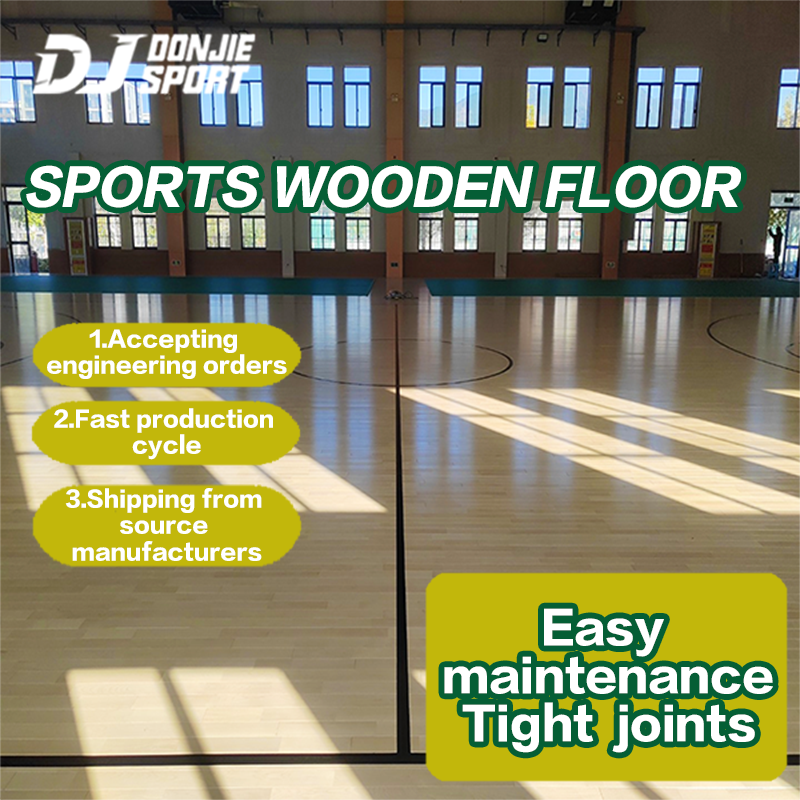
Wooden Sports Flooring: Ideal for professional venues, wood provides a traditional look and superior performance for activities like basketball, volleyball, and indoor tennis. It also offers a natural shock-absorbing surface that reduces injury risk.
-
Rubber Flooring: Known for its resilience and shock absorption, rubber flooring is a good choice for gyms or sports halls where heavy weight training or intense activities occur.
When choosing the material, consider factors such as the types of sports played in your facility, budget constraints, maintenance requirements, and the longevity of the flooring.
Budgeting for the Refurbishment
Refurbishing a sports hall floor can be a significant investment, so it’s important to set a realistic budget from the outset. The cost of refurbishment varies depending on factors like the material chosen, the size of the space, and the extent of the work needed.
It’s essential to factor in not just the cost of materials but also the labor costs, any necessary equipment, and possible unforeseen expenses that may arise during the project. A good way to estimate costs is by obtaining quotes from multiple contractors and comparing them. Be sure to budget for maintenance and cleaning supplies as well, as these can help extend the life of your newly refurbished floor. Additionally, make provisions for potential delays in case of unexpected issues during the refurbishment process.
Understanding Installation Time and Disruption
The refurbishment process can be time-consuming, so it’s crucial to understand how long the installation will take and how it will impact your facility’s operations. Installation time can vary based on the type of floor being installed and the size of the sports hall.
During the refurbishment, your facility may experience some downtime, which could affect your scheduling. It’s important to plan ahead and minimize disruption to your regular activities. Some facilities opt to refurbish their floors during off-peak seasons or holidays when the sports hall is less in use. Communicate with your contractor about the timeline and ensure that they stick to agreed-upon deadlines.
Choosing a Contractor for the Refurbishment
Hiring a skilled contractor is vital to the success of your sports hall floor refurbishment. Look for a contractor with experience in sports flooring installations and a proven track record. They should be knowledgeable about different flooring materials and their suitability for various types of sports halls.
When selecting a contractor, check reviews, ask for references, and confirm that they are licensed and insured. Be sure to get a detailed written estimate that includes both material and labor costs. A reputable contractor will also offer suggestions to improve the floor’s performance, safety, and durability.
Safety Standards and Regulations
Safety is paramount when refurbishing sports hall floors, and it’s essential to ensure that your refurbished floor complies with all relevant safety standards and regulations. This includes adherence to non-slip requirements, shock absorption standards, and ensuring that the flooring is even and free from hazards that could cause injuries.
Different sports may require specific flooring properties, such as additional grip for basketball courts or extra cushioning for gymnastic floors. Make sure the materials you choose meet the needs of your facility while also meeting legal requirements for sports venues.
Maintenance Considerations Post-Refurbishment
Once your sports hall floor is refurbished, ongoing maintenance is crucial to maintaining its appearance and functionality. Routine cleaning and care will prevent dirt, grime, and moisture from degrading the material, ensuring the floor remains safe and attractive.
The type of maintenance required will depend on the material of the floor. For example, wood floors may need periodic sanding and refinishing, while PVC or rubber floors might only require regular cleaning and occasional re-coating. Establish a maintenance schedule and ensure that staff is trained to care for the floor properly.
Long-Term Benefits of a Refurbished Sports Hall Floor
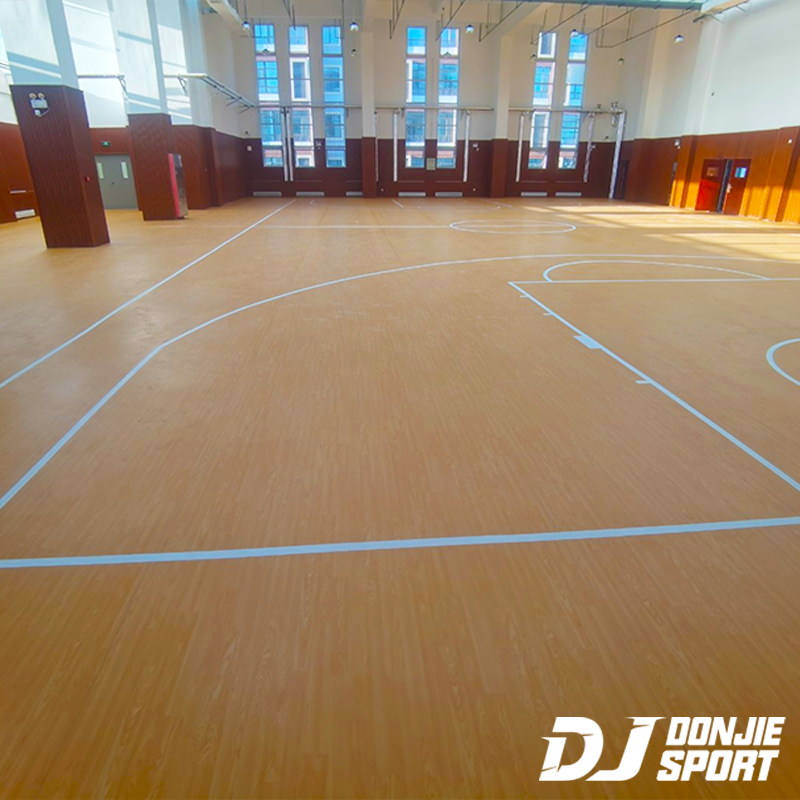
Refurbishing your sports hall floor offers several long-term benefits. A newly refurbished floor will not only improve the appearance and functionality of the space but also enhance the safety and performance of athletes. Properly maintained floors reduce the risk of injuries, such as sprains and fractures, by providing optimal shock absorption and traction.
Moreover, a well-maintained floor adds value to your facility, attracting more users and potentially increasing revenue. The aesthetic appeal of a newly refurbished sports hall also enhances the overall experience for players, coaches, and spectators.
Conclusion
Refurbishing your sports hall floor is a significant investment that requires careful planning and consideration. By assessing the current condition of your floor, choosing the right materials, budgeting appropriately, and selecting the right contractor, you can ensure a successful refurbishment that enhances the performance and safety of your facility. With the right preparation and maintenance, your refurbished sports hall floor will provide lasting benefits for years to come.