When it comes to setting up a table tennis court, selecting the right flooring is essential. The floor not only impacts the aesthetic and functionality of the space but also directly affects player performance, safety, and the longevity of the equipment. With various flooring options available, it can be challenging to decide which type is best suited for your needs. In this article, we will guide you through the most important factors to consider before purchasing table tennis flooring.
Understanding the Importance of Table Tennis Flooring
Proper table tennis flooring can enhance the overall playing experience. Unlike many other sports, table tennis requires a smooth and consistent surface to ensure that the ball bounces predictably. The flooring also plays a significant role in player safety, reducing the risk of injuries caused by poor traction or hard surfaces. Choosing the right flooring ensures that players have a stable footing, reducing strain on joints and offering a comfortable play environment.
The flooring material affects the ball’s bounce and speed, the amount of grip for the players, and the cushioning effect on their movements. For professional-level play, these factors are particularly important, as they can influence the outcome of a game. Whether you’re setting up a recreational space or preparing a competitive table tennis venue, the right flooring can make a significant difference.
Factors to Consider When Choosing Table Tennis Flooring
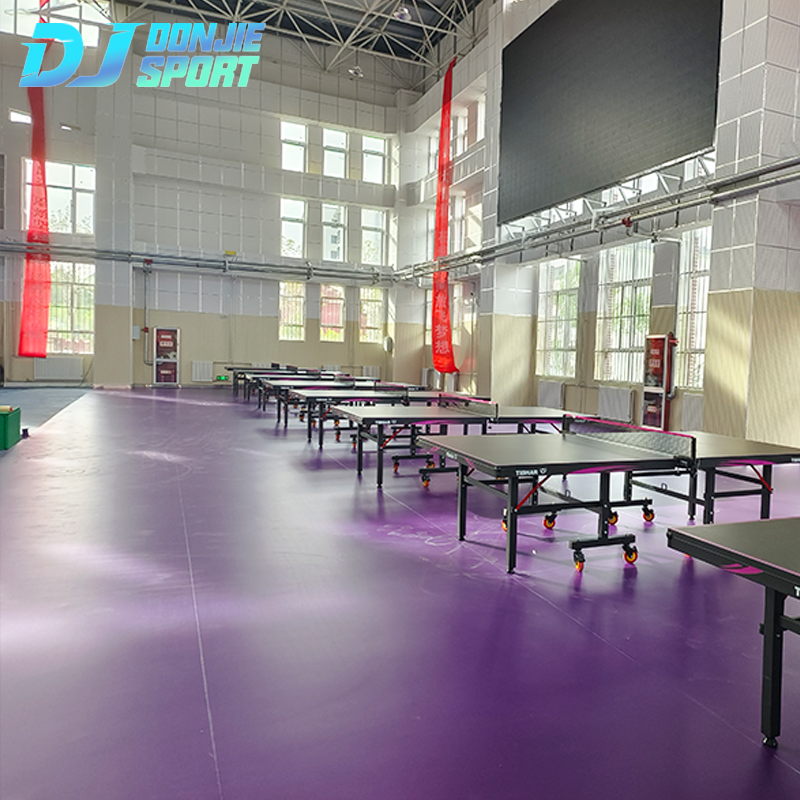
When choosing table tennis flooring, there are several key factors to keep in mind. These factors will not only ensure a better playing experience but will also help you select a flooring option that suits your specific needs, budget, and facility type.
Material Options
Table tennis flooring comes in various materials, each with its own set of advantages and disadvantages. Here are some of the most popular materials:
-
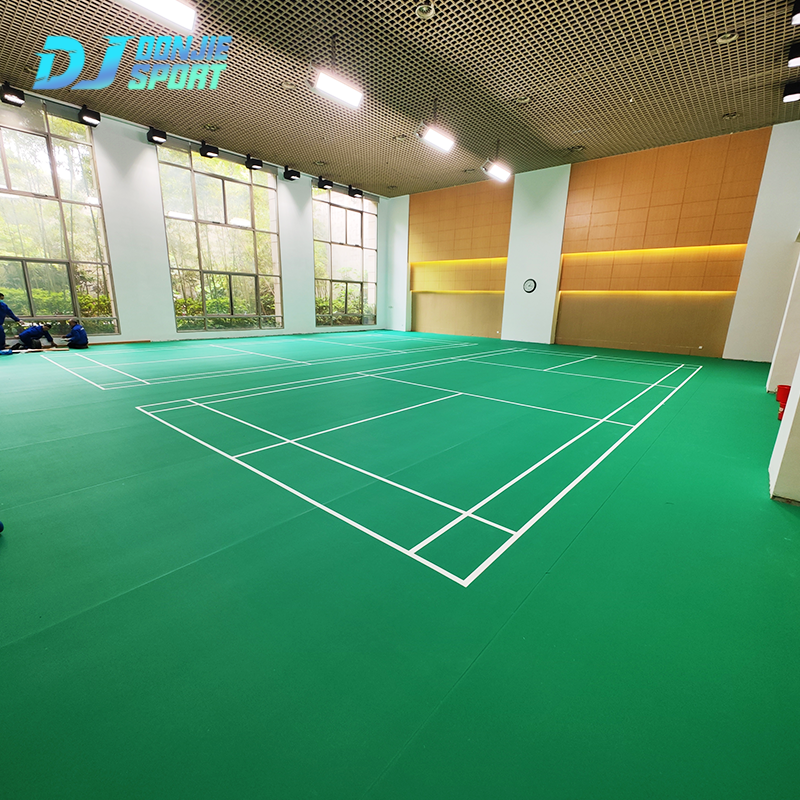
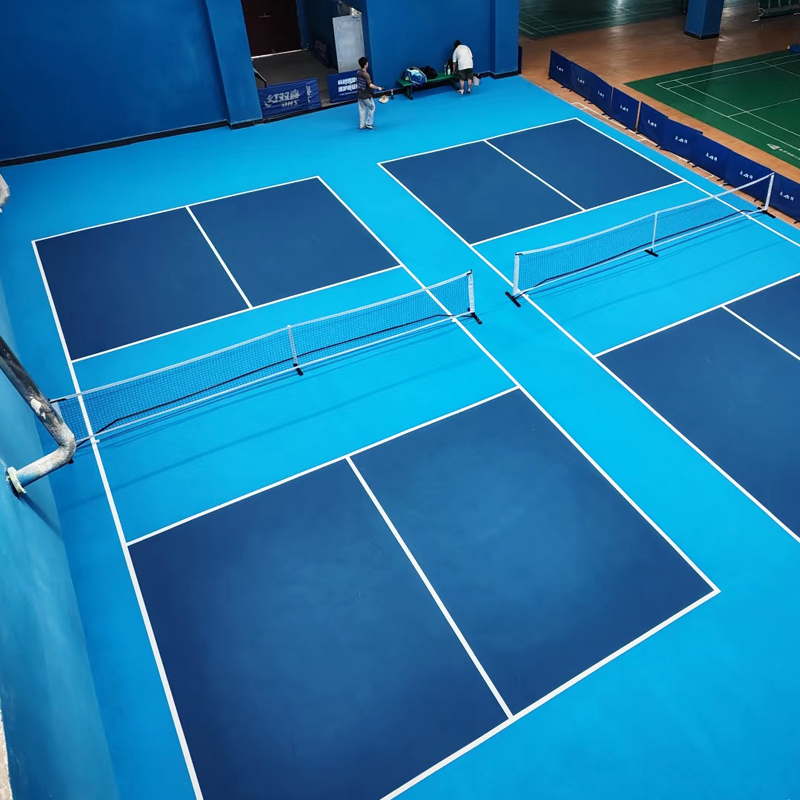
PVC Flooring: PVC (polyvinyl chloride) is a popular choice for both indoor and outdoor table tennis courts. It offers excellent durability, shock absorption, and ease of maintenance. PVC flooring can withstand heavy foot traffic and is resistant to moisture, making it a great option for various environments.
-
Rubber Flooring: Rubber flooring is another durable option, known for its superior shock-absorbing qualities. It’s ideal for reducing joint strain, making it a good choice for facilities with multiple players or those hosting long practice sessions. Rubber flooring can also handle high levels of wear.
-
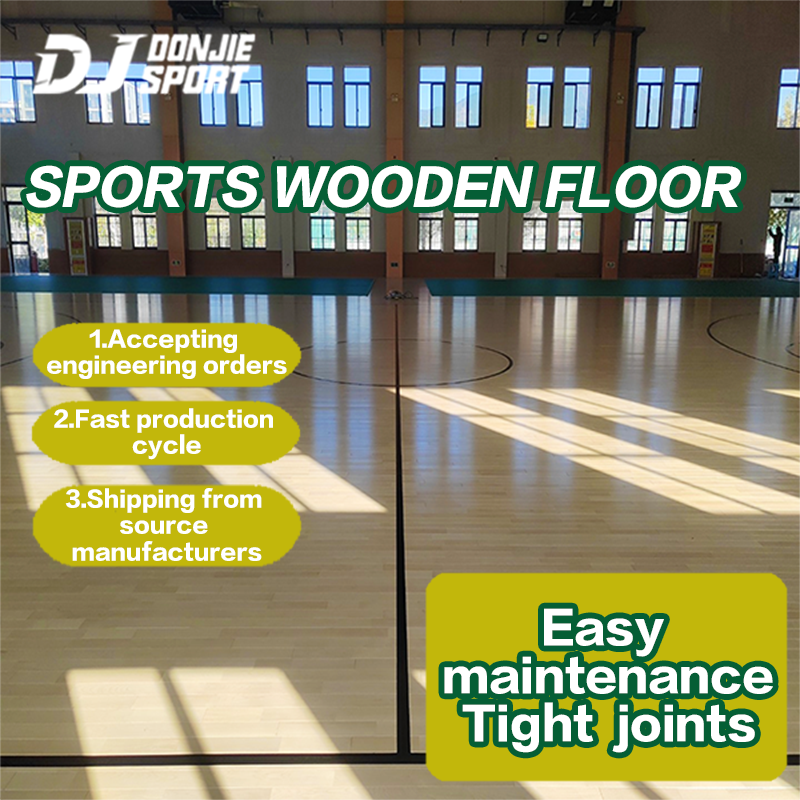
Wooden Flooring: For a more traditional look, wood flooring offers a classic aesthetic. Wooden floors are often preferred in indoor, professional settings due to their ability to provide a consistent bounce. However, they require more maintenance to prevent wear and moisture damage.
-
Composite Materials: These are a combination of materials like PVC and rubber, offering benefits from both. They provide a balanced combination of durability, shock absorption, and resistance to wear, making them a solid all-around choice.
When choosing the material, consider where the flooring will be used (indoor vs. outdoor), the expected level of play, and the amount of traffic the flooring will endure.
Shock Absorption and Comfort
One of the most important factors in table tennis flooring is shock absorption. A good table tennis floor will provide adequate cushioning to reduce the strain on players’ feet and joints. Floors with high shock absorption properties help players stay comfortable during long practice sessions or intense matches.
PVC and rubber flooring are known for offering superior shock absorption. These materials help soften the impact of quick lateral movements, preventing injuries and enhancing player performance. When selecting flooring, make sure the material provides enough cushioning without compromising the bounce quality of the ball.
Durability and Longevity
Durability is crucial for flooring, especially if the court will experience high foot traffic or heavy use. A high-quality floor should be able to withstand constant play without showing significant signs of wear and tear.
PVC and rubber flooring are highly durable, able to endure frequent use without losing their structural integrity. Wooden floors, while aesthetically pleasing, are more prone to damage from heavy play or moisture. If you’re looking for flooring that will stand the test of time, PVC or rubber are excellent options.
Surface Texture and Grip
The texture of the flooring plays a significant role in the gameplay experience. A surface that is too smooth can cause players to slip, while a surface that is too rough can hinder foot movement.
For table tennis, the flooring should provide a balance of smoothness and grip. Players need enough traction to move quickly without worrying about slipping, but the floor shouldn’t be too abrasive to slow down their movements. Rubber and PVC floors typically provide the ideal surface texture for optimal grip and player movement.
Maintenance and Cleaning
Easy maintenance is an essential factor when selecting table tennis flooring. Floors that are difficult to clean can quickly accumulate dirt, debris, and moisture, which can affect both the performance of the game and the longevity of the floor.
PVC and rubber flooring are relatively easy to maintain. They can be swept and mopped with minimal effort, and they don’t require specialized cleaning products. Wooden floors, on the other hand, require regular care to prevent warping and discoloration, and they may need to be refinished over time.
Cost and Budget Considerations
Cost is always an important factor when purchasing flooring, especially if you’re on a budget. While high-end flooring options like wooden floors may offer a premium look, they come with a higher price tag. On the other hand, PVC and rubber flooring are more affordable while still providing durability and performance.
When budgeting for table tennis flooring, it’s important to strike a balance between cost and quality. Consider the long-term value of the flooring—cheaper options may need to be replaced more often, while higher-end options might provide better durability and performance in the long run.
Choosing the Right Flooring for Different Table Tennis Environments
The type of flooring you choose will vary depending on the specific environment in which it will be used. Here are some considerations for different settings:
-
Home Use: For a personal or recreational setting, durability and cost are often the primary concerns. PVC or rubber flooring is ideal for a home court as it is easy to install and maintain, providing the necessary performance for casual play.
-
Professional or Competitive Use: In professional settings, wooden floors or high-quality composite options are preferred for their consistent bounce and superior grip. These types of flooring are designed for intense play and provide the best overall experience.
-
Schools and Clubs: For multi-purpose spaces, PVC or rubber flooring is a good choice, as these materials offer durability and are easy to maintain. They are also more cost-effective, making them suitable for facilities with multiple sports and activities.
Installation and Setup
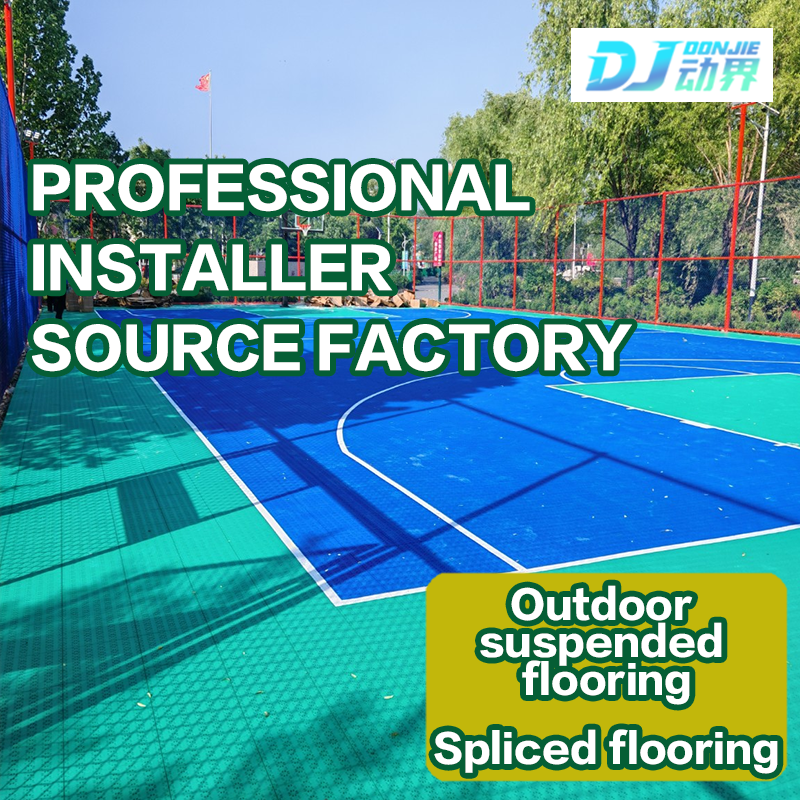
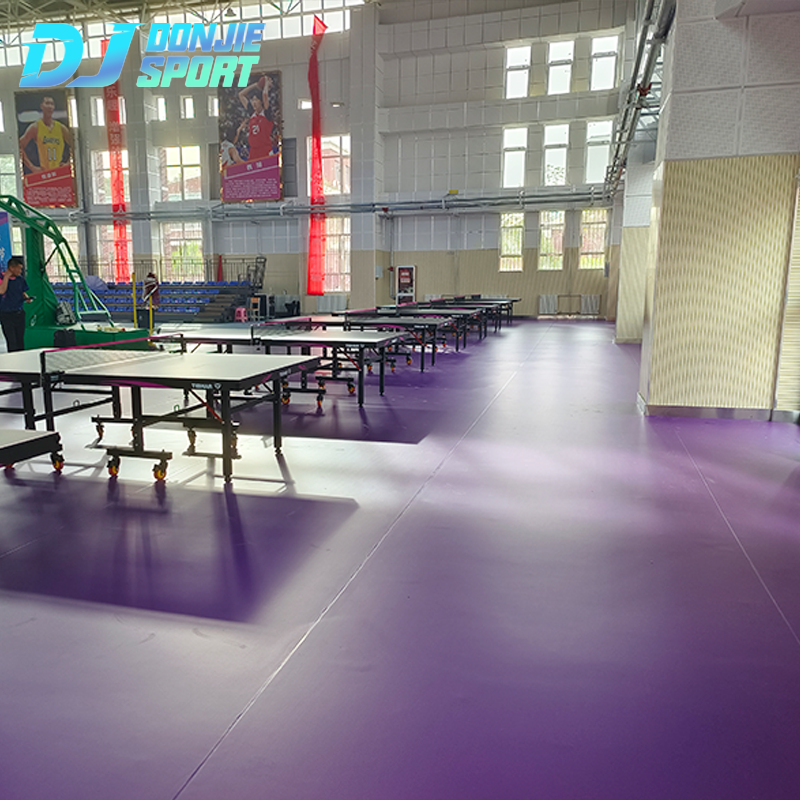
Once you have chosen the right flooring for your table tennis court, you need to consider the installation process. Some flooring options, like PVC interlocking tiles, are DIY-friendly and can be installed without professional help. However, for more complex flooring types such as wood or composite, it’s best to hire professionals to ensure proper installation.
Proper subflooring and leveling are crucial for a successful installation. Ensure that the surface is smooth and level to avoid any performance issues with the ball bounce.
Conclusion
Selecting the right table tennis flooring is crucial for optimizing player performance, ensuring safety, and maintaining the longevity of the flooring itself. By considering the material, shock absorption, durability, and maintenance requirements, you can make an informed decision that suits your needs and budget. Whether you’re setting up a home court or a professional venue, investing in high-quality flooring will provide the best long-term benefits for both players and the court.