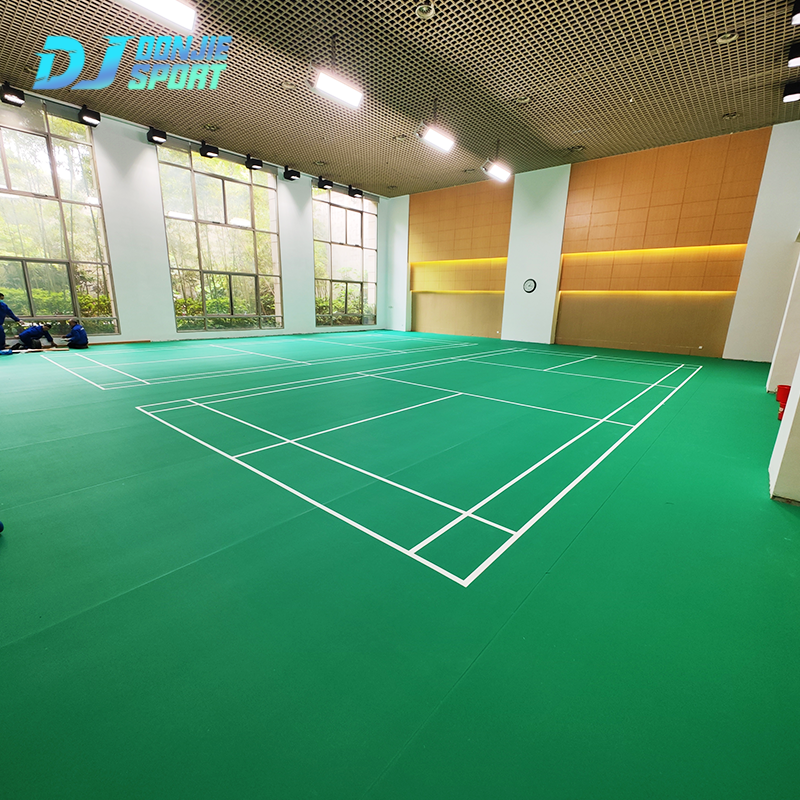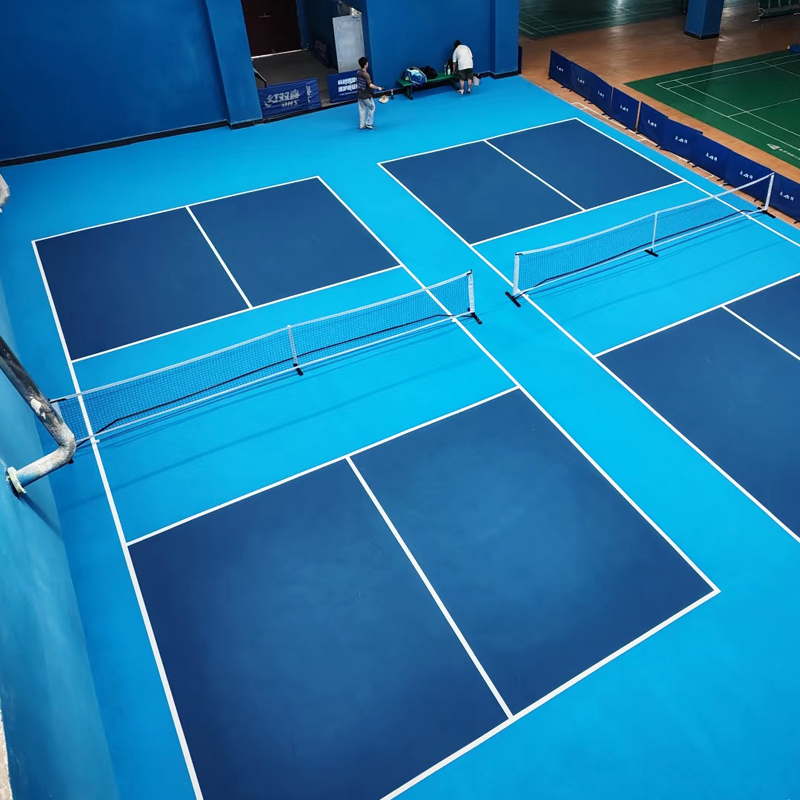
When renovating a table tennis court, flooring is one of the most critical decisions affecting performance, safety, and long-term usability. Table Tennis Flooring is not simply a surface to stand on—it directly influences footwork speed, balance, injury prevention, and overall playing experience. Unlike generic sports floors, professional Table Tennis Flooring is designed to support rapid lateral movement, sudden stops, and repeated pivots that are unique to the sport.
A well-chosen flooring system transforms an outdated court into a modern, competition-ready environment while improving comfort for both athletes and recreational players.
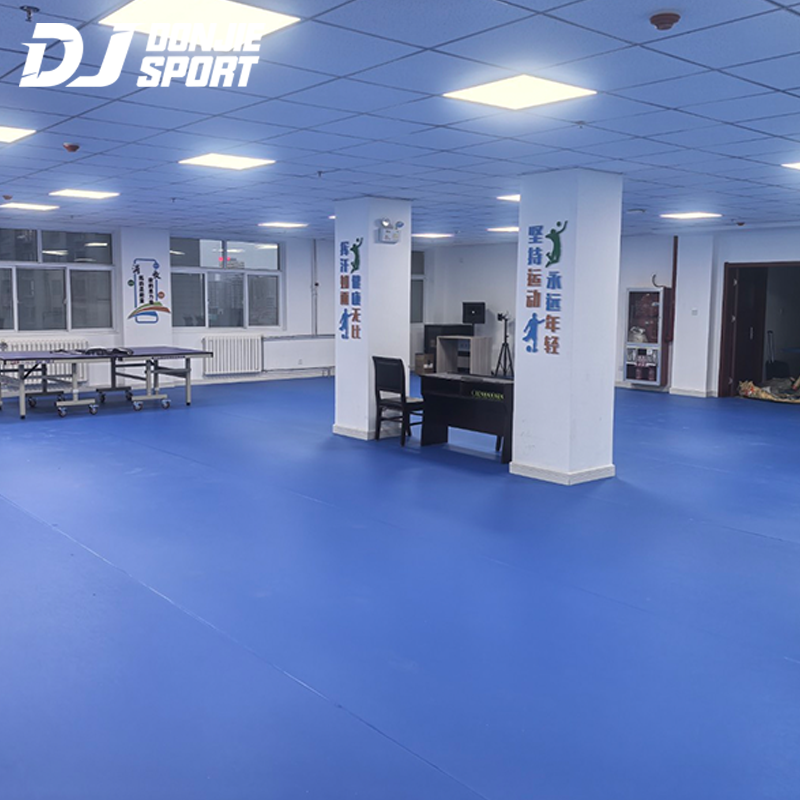
Performance Requirements of Professional Table Tennis Flooring
Table tennis is a fast-paced sport that demands precision and agility. Table Tennis Flooring must provide stable footing without excessive softness or hardness. The surface should allow quick reactions while maintaining predictable behavior under pressure.
Professional Table Tennis Flooring supports explosive movement patterns and minimizes energy loss, enabling players to maintain consistency throughout long training sessions or matches.
Shock Absorption and Player Safety in Table Tennis Flooring
One of the most important features to evaluate during renovation is shock absorption. High-quality Table Tennis Flooring incorporates elastic layers that reduce impact stress on ankles, knees, and lower backs.
Proper shock absorption helps prevent overuse injuries, especially in venues where players train daily. This is particularly important for clubs, schools, and professional training centers seeking to protect athletes over the long term.
Surface Grip and Footwork Control for Table Tennis Flooring
Footwork defines success in table tennis. Table Tennis Flooring must strike the right balance between grip and mobility. Too much friction can cause joint strain, while insufficient grip increases the risk of slipping.
A premium Table Tennis Flooring surface offers controlled traction, allowing players to move confidently without restricting natural motion patterns.
Ball Bounce Consistency on High-Quality Table Tennis Flooring
Although table tennis is played on a table, flooring still affects ball behavior, especially during edge shots and practice drills. Consistent surface flatness ensures predictable ball response when the ball contacts the floor.
Professional Table Tennis Flooring maintains uniform density and stability, eliminating dead spots that can disrupt training accuracy.
Material Choices for Modern Table Tennis Flooring Systems
Most professional Table Tennis Flooring solutions are made from multi-layer PVC or synthetic sports materials. These materials provide flexibility, durability, and consistent performance.
High-grade PVC Table Tennis Flooring is especially popular due to its resistance to deformation, stable grip properties, and suitability for both training and competition courts.
Thickness and Layer Structure of Table Tennis Flooring
Flooring thickness plays a significant role in performance and comfort. Table Tennis Flooring typically features multiple layers, including a wear layer, reinforced middle layers, and a cushioned base.
The correct thickness enhances shock absorption without compromising stability, ensuring players remain grounded during rapid footwork.
Slip Resistance Standards for Table Tennis Flooring
Slip resistance is a non-negotiable factor when renovating a court. Table Tennis Flooring must meet recognized sports flooring safety standards to prevent accidental falls.
A textured surface combined with controlled friction ensures safe movement even during intense rallies or extended practice sessions.
Durability and Wear Resistance in Table Tennis Flooring
Renovation is a long-term investment, making durability essential. High-quality Table Tennis Flooring resists abrasion from constant movement, shoe friction, and equipment handling.
A durable wear layer extends the lifespan of the flooring while maintaining its original performance characteristics over years of use.
Noise Reduction Benefits of Specialized Table Tennis Flooring
In indoor halls, noise control significantly affects the playing environment. Specialized Table Tennis Flooring helps absorb sound from foot movement and ball impact.
This creates a quieter, more focused atmosphere that benefits players, coaches, and spectators alike, particularly in multi-table training halls.
Installation Methods for Table Tennis Flooring During Renovation
Installation methods vary depending on the flooring system. Table Tennis Flooring can be loose-laid, glued down, or installed as a floating system.
Professional installation ensures proper subfloor preparation, seamless joints, and long-term performance stability, all of which are critical during a renovation project.
Maintenance and Cleaning Requirements of Table Tennis Flooring
Ease of maintenance is often overlooked during renovation planning. Quality Table Tennis Flooring is designed for simple cleaning using basic methods without aggressive chemicals.
Low-maintenance surfaces reduce operational costs and help maintain a professional court appearance year-round.
Environmental and Health Considerations in Table Tennis Flooring
Modern Table Tennis Flooring increasingly focuses on environmental responsibility. Low-VOC materials improve indoor air quality and create a healthier playing environment.
Eco-conscious flooring options align with sustainability goals while delivering the same high-performance benefits expected in competitive settings.
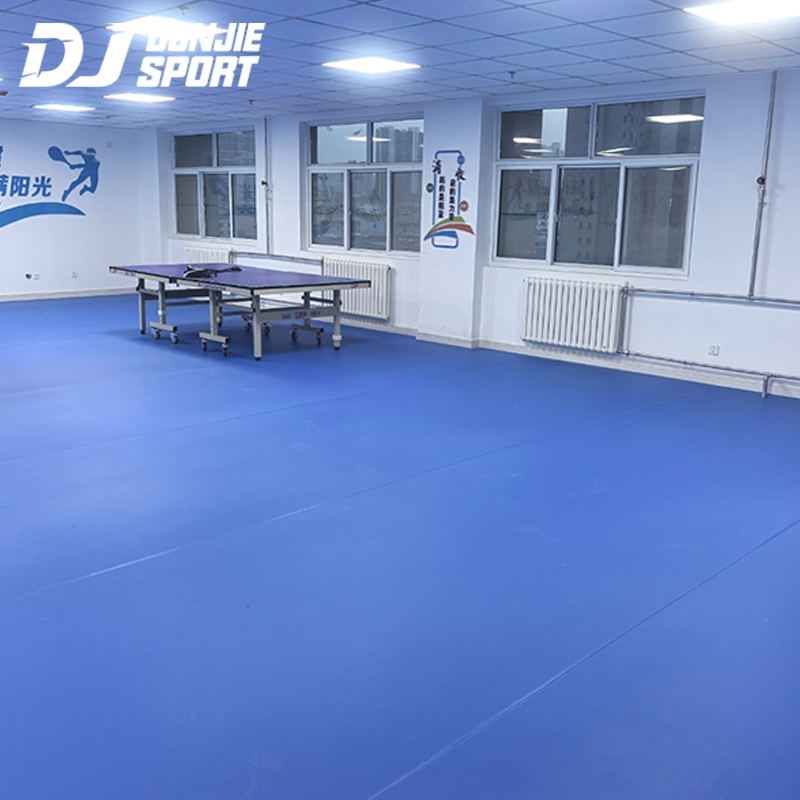
Choosing Table Tennis Flooring for Training Halls and Competition Venues
Different venues have different demands. Training centers may prioritize comfort and durability, while competition courts require strict performance consistency.
Selecting the right Table Tennis Flooring ensures the renovated court meets its intended purpose, whether for daily practice or official tournaments.
Long-Term Value and Cost Efficiency of Table Tennis Flooring
While initial cost is important, long-term value should guide renovation decisions. High-quality Table Tennis Flooring reduces repair frequency, lowers injury risks, and maintains performance over time.
Investing in a reliable flooring system often proves more economical than frequent replacements or maintenance issues.
Common Mistakes to Avoid When Selecting Table Tennis Flooring
Common renovation mistakes include choosing generic sports flooring, ignoring subfloor conditions, or prioritizing price over performance.
Understanding the specific requirements of Table Tennis Flooring helps facility managers avoid costly errors and ensures the renovated court delivers lasting benefits.