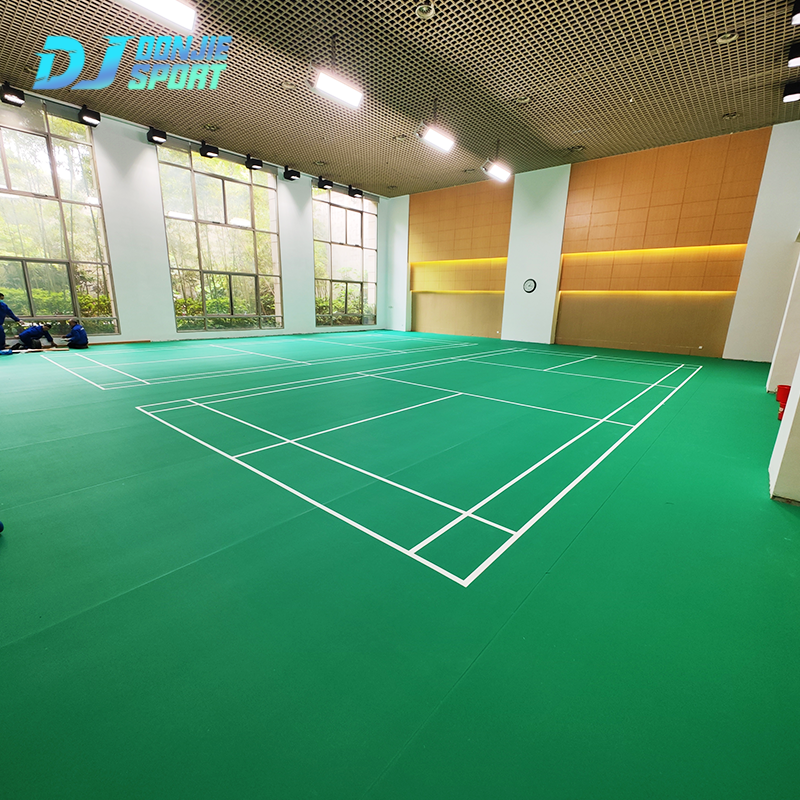
When constructing a sports hall, the choice of flooring is one of the most crucial decisions you’ll make. The floor not only impacts the aesthetic appeal of the space but also significantly affects the safety, performance, and overall experience of athletes. Whether it’s a gymnasium, basketball court, or multi-purpose sports hall, the right flooring can make or break the quality of the venue. It needs to be durable enough to withstand the impact of high-intensity sports, easy to maintain, and offer the correct level of grip and comfort for players.
In this article, we’ll explore the essential elements of sports hall floor construction, including the materials, design considerations, and installation process that ensure a floor built to last. By the end, you’ll have a comprehensive understanding of how to create a safe, high-performance sports environment.
Types of Flooring Materials Used in Sports Hall Construction
When it comes to selecting the right materials for a sports hall floor, there are several options, each with its own unique advantages. Understanding these materials will help you make an informed decision based on the specific needs of your venue.
Wooden Floors: Benefits, Ideal Uses, and Maintenance
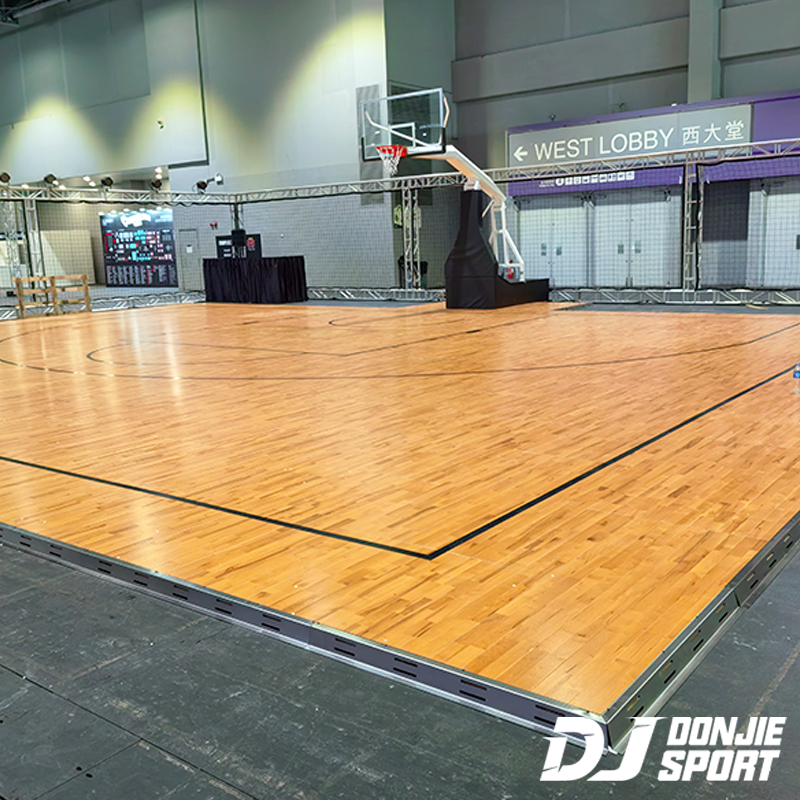
Wooden floors have long been the traditional choice for sports halls, particularly for sports like basketball, volleyball, and indoor tennis. The natural properties of wood offer excellent shock absorption, which is essential for protecting athletes’ joints during high-impact activities. Additionally, wooden floors provide an aesthetic appeal that suits many high-end sports venues and gyms.
However, wooden floors require significant maintenance. They must be regularly sanded and resealed to prevent wear and tear from foot traffic and the elements. While they are suitable for many sports, they may not be ideal in places where high moisture levels are common or where the floor is exposed to heavy impacts on a daily basis.
Vinyl and PVC Floors: Durability, Ease of Maintenance, and Cost-Effectiveness
Vinyl and PVC sports flooring are increasingly popular due to their durability, low maintenance, and cost-effectiveness. These materials are engineered to offer a high level of performance, providing consistent grip and slip resistance for athletes. Unlike wood, vinyl and PVC floors are more resistant to scratches, stains, and moisture, making them an ideal option for sports halls in areas with high humidity or frequent spills.
Moreover, these floors are easier to clean and maintain compared to wooden floors. Regular sweeping and occasional mopping are sufficient to keep them in top condition. However, while durable, they may not offer the same premium feel as wooden surfaces.
Rubber Flooring: Resilience, Impact Resistance, and Suitability for Multi-Purpose Spaces
Rubber sports flooring is another highly functional choice, particularly for multi-purpose sports halls. It is known for its resilience and impact resistance, making it ideal for venues that host a variety of activities, from fitness classes to indoor sports like futsal or badminton. Rubber flooring absorbs shock and reduces noise, providing a more comfortable experience for both athletes and spectators.
Rubber floors are also extremely durable, making them a long-lasting investment for sports halls with heavy traffic. They are easy to install, often coming in interlocking tiles that make the process more straightforward. However, rubber flooring can be less visually appealing and may not be suitable for professional-level sports environments.
Synthetic Sports Floors: Performance-Oriented Materials for High-Impact Sports
For facilities focused on high-performance sports like basketball, indoor soccer, or competitive badminton, synthetic sports floors are often the best choice. These materials are designed to offer optimal traction, shock absorption, and uniform performance, all while withstanding the stresses of high-impact sports.
Synthetic floors can mimic the feel of wood but provide enhanced durability and easier maintenance. They’re available in various designs and colors, allowing for customization to match the branding of a school, university, or professional sports team.
Design Considerations for Sports Hall Floors
When it comes to the design of sports hall floors, there’s more to consider than just aesthetics. A well-thought-out floor design enhances player performance, reduces the risk of injury, and improves the overall function of the sports hall. Here are some key factors to keep in mind:
The Role of Design in Player Safety and Performance
Player safety is the most important factor when choosing a sports hall floor. Floors that are too slippery or too rough can lead to accidents and injuries. Proper texture and grip are essential for ensuring that players can move freely without risk of slipping or falling.
The floor should also offer a balance between shock absorption and resilience. If the floor is too soft, it can cause fatigue, while floors that are too hard may lead to joint injuries. Ideally, the flooring should be designed to absorb impact and reduce stress on players’ bodies.
How Layout, Marking, and Surface Texture Influence Effectiveness
The layout of the court, as well as the placement of markings, must be considered when designing a sports hall floor. The type of sport will determine the required markings (e.g., basketball, volleyball, or badminton courts), and the floor material should be compatible with these markings to ensure longevity.
In addition, the surface texture plays a vital role in the traction and overall comfort of the floor. A smooth, glossy finish may look great but can be hazardous for certain sports. Textured finishes help provide better grip, reducing the chances of slips during fast-paced activities.
Accommodating Different Types of Sports with Versatile Floor Designs
Many sports halls serve multiple functions, hosting a range of events from basketball tournaments to fitness classes and concerts. A versatile floor design will ensure that the venue remains functional no matter what activity is taking place. Modular flooring systems, such as interlocking tiles, can be a great option for multi-purpose halls, allowing for easy adaptation and maintenance.
Construction Process: From Planning to Installation
Constructing a sports hall floor is a detailed process that requires careful planning, skilled labor, and attention to detail. Here’s a breakdown of the key stages involved in sports hall floor construction:
Planning Stage: Understanding Requirements, Budget, and Building Codes
The first step in any sports hall floor construction project is planning. This involves determining the specific needs of the sports facility, including the types of sports to be played and the expected traffic. Additionally, the budget and building codes must be considered to ensure compliance with local regulations and standards.
Preparation of Subfloor: Importance of a Solid and Even Foundation
A strong foundation is critical for the longevity of the floor. The subfloor must be level and free of imperfections to ensure proper installation. In some cases, the subfloor may need additional preparation, such as moisture barriers, before the actual flooring is laid down.
Installation Techniques: How to Ensure Proper Installation for Longevity and Durability
Proper installation techniques are vital to ensuring the floor’s long-term durability. Whether you’re laying vinyl, rubber, or synthetic tiles, following manufacturer instructions and using the right adhesives and installation methods is essential for a seamless finish.
Post-Installation Care: Ensuring Optimal Performance with Routine Maintenance
Once the floor is installed, regular maintenance is necessary to keep it in top condition. This includes cleaning, inspecting for damage, and applying protective coatings as needed. Preventative maintenance can significantly extend the lifespan of the sports hall floor.
Maintenance Tips to Extend the Life of Your Sports Hall Floor
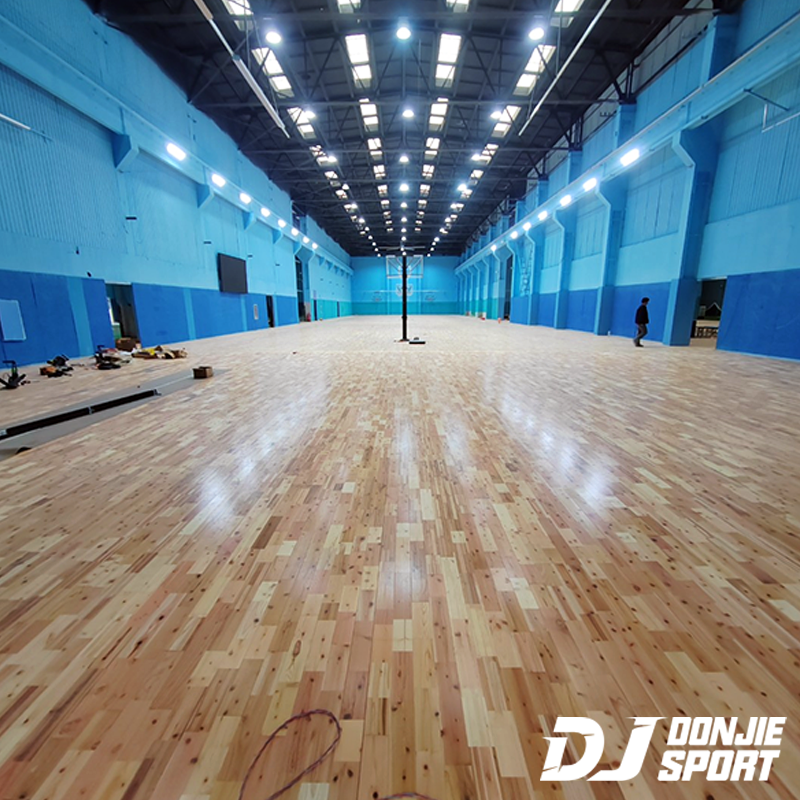
Maintaining a sports hall floor is key to ensuring it remains functional and attractive over time. Regular cleaning and care can prevent costly repairs and replacements down the line.
Daily and Weekly Cleaning Habits
Daily cleaning routines, including sweeping and spot mopping, are essential to keeping the floor free of dust, dirt, and debris. Weekly deep cleans can involve using appropriate floor cleaners to remove stains and buildup without damaging the surface.
How to Handle Wear and Tear, Especially in High-Traffic Areas
In high-traffic areas, such as the court center or near entrances, the floor may wear more quickly. Regularly rotating activity areas or using protective mats can help reduce damage. If wear does occur, a professional refurbishment service may be necessary to restore the floor.
Professional Restoration Services for Sports Floors
For floors that have been subjected to extensive use, professional restoration can help bring them back to life. Experts can sand, refinish, or replace damaged sections, ensuring that the sports hall floor continues to meet the performance standards required for competitive play.
Choosing the Right Sports Hall Floor Construction Partner
Selecting the right contractor or flooring company is critical to ensuring the project goes smoothly. Here are some tips for choosing a partner for your sports hall floor construction:
What to Look for in a Contractor or Flooring Company
Look for a contractor with experience in sports hall floor construction. Check their portfolio and references to assess the quality of their work. Also, make sure they understand the specific requirements of your venue and offer a solution tailored to your needs.
Questions to Ask Before Hiring and How to Evaluate Proposals
Before hiring, ask questions about the materials they recommend, their installation methods, and their post-installation services. Be sure to compare proposals from different companies to ensure you’re getting the best value for your budget.
Investing in Quality Sports Hall Floors for Long-Term Success
Investing in a high-quality sports hall floor is an investment in the long-term success of your facility. Whether you choose wooden, vinyl, rubber, or synthetic flooring, the right materials and installation techniques will ensure a floor that is both durable and safe for athletes. Regular maintenance will extend its lifespan, making your initial investment pay off for years to come.