Pickleball, a rapidly growing sport, has captured the attention of athletes and recreational players worldwide. Whether you’re setting up a court for casual games or professional tournaments, one crucial element that can significantly influence the quality of play is the flooring. The right pickleball flooring ensures safety, durability, comfort, and even helps to improve overall performance.
For both indoor and outdoor courts, the flooring choice affects how the ball bounces, how players move, and how much strain is placed on their joints. With so many options available, choosing the best pickleball flooring can be overwhelming. This comprehensive guide will break down the most popular flooring options, their benefits, and help you determine which one is the best fit for your pickleball court.

Types of Flooring for Pickleball Courts
When choosing flooring for a pickleball court, it’s essential to understand the differences between indoor and outdoor options. Each type of court requires specific flooring that can handle the conditions it will face. For instance, outdoor courts need to withstand weather conditions, while indoor courts require a surface that provides comfort and grip for players.
Key factors to consider when choosing pickleball flooring include:
-
Durability: How well does the flooring hold up over time, especially under constant use?
-
Grip: A surface with the right amount of traction helps players make quick stops and cuts.
-
Comfort: Flooring that absorbs shock and reduces strain on joints is vital for long sessions.
-
Maintenance: How easy is the flooring to clean and maintain?
These factors will help guide you to the best flooring option for your specific needs.
PVC Sports Flooring for Pickleball Courts
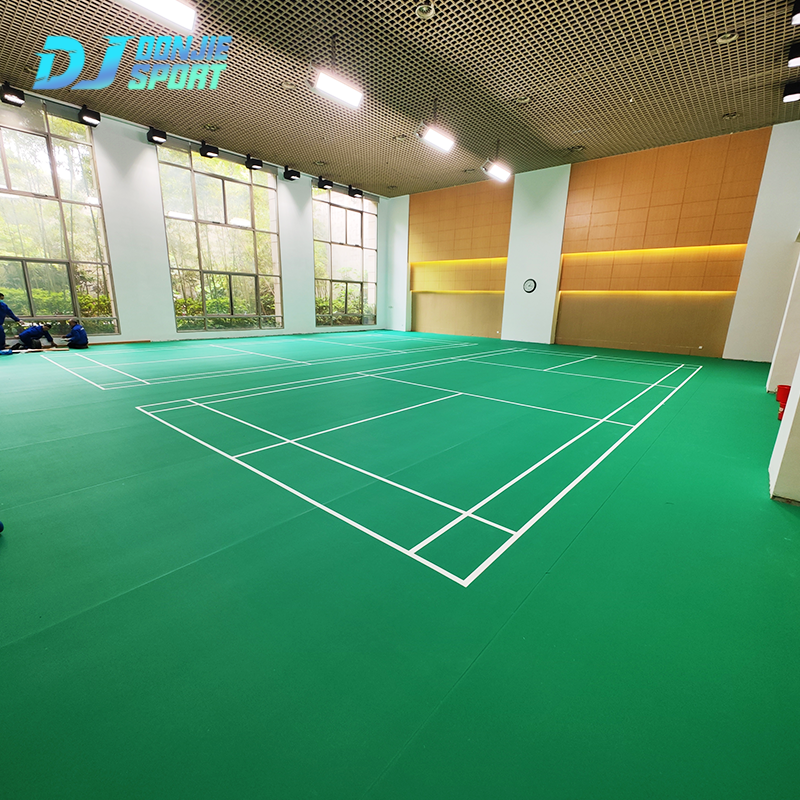
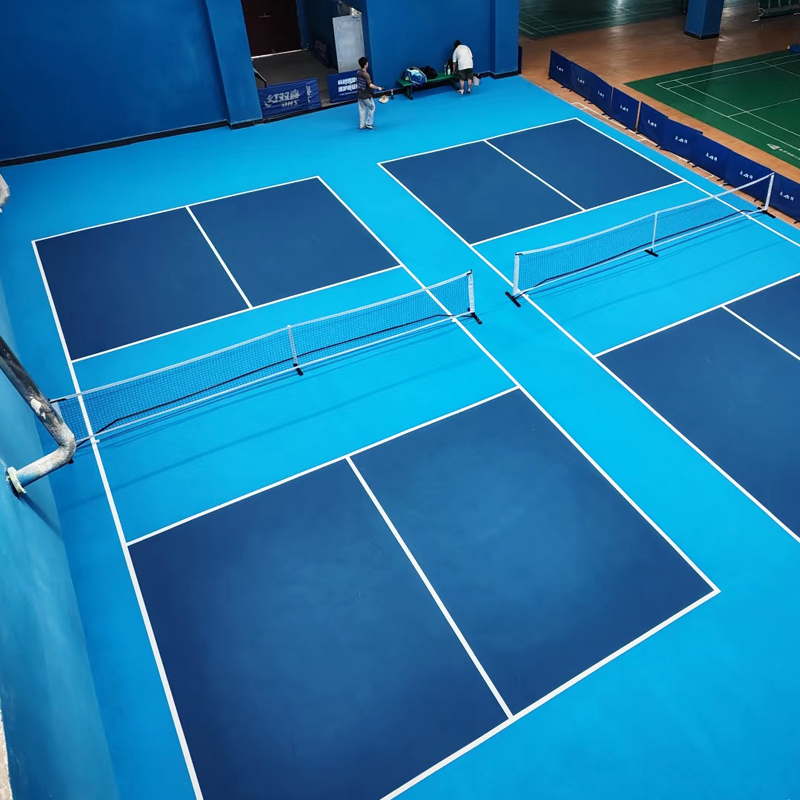
PVC sports flooring is one of the most popular choices for both indoor and outdoor pickleball courts. Known for its excellent durability, versatility, and performance, PVC flooring is highly favored by professional players and recreational users alike.
Benefits of PVC Flooring for Pickleball
PVC flooring is a synthetic material that is both robust and resilient. It provides a consistent bounce and optimal traction, which is essential for the fast-paced nature of pickleball. PVC is also resistant to wear and tear, making it a long-lasting investment. It has excellent shock-absorbing properties that minimize the impact on players’ joints, which is crucial during intense play.
Common Uses and Why It’s a Top Choice
Many pickleball courts use PVC flooring due to its versatility in various conditions. Whether you’re setting up an indoor court in a fitness center or an outdoor court at a recreational facility, PVC flooring adapts well to both environments. In addition, it is available in various colors and designs, allowing court owners to match the aesthetics of the facility while ensuring performance.
Durability and Performance in Indoor and Outdoor Settings
For outdoor courts, PVC flooring is designed to withstand harsh weather conditions. UV-resistant properties ensure that it won’t fade or crack under sunlight. For indoor courts, the material’s resistance to scuffing and staining makes it an excellent choice for high-traffic areas. Additionally, PVC’s ease of maintenance, requiring only regular cleaning, helps keep the courts looking great for years.
Rubber Flooring for Pickleball Courts
Rubber flooring is another excellent choice for pickleball courts, particularly for those looking for impact resistance and superior comfort.
Advantages of Rubber Flooring
Rubber flooring is known for its shock-absorbing qualities, providing a cushioned surface that reduces fatigue and minimizes the risk of injuries, especially during long games. It also provides excellent grip, which helps players maintain stability during rapid movements. The ability to absorb impact makes rubber flooring particularly advantageous for pickleball, a sport with frequent lateral movements and quick pivots.
Impact Resistance and Shock Absorption
The thick, resilient nature of rubber helps absorb the shock of each step, which can reduce stress on the knees, hips, and lower back. This is especially beneficial for players who engage in regular pickleball sessions, as it helps to minimize long-term physical strain. Rubber also has superior slip resistance, which reduces the likelihood of accidents during play.
Why It’s Suitable for Both Recreational and Professional Players
Rubber flooring’s durability and comfort make it a popular choice in both recreational and professional settings. Whether you’re playing in a community center or at a high-end sports complex, rubber flooring can provide a consistent, safe, and comfortable surface for players of all skill levels.
Wood Flooring for Pickleball Courts
Wood flooring, particularly hardwood, has long been a favorite choice for indoor sports courts. It offers an aesthetically pleasing look and a smooth, professional surface that is ideal for pickleball.
A Classic Choice for Indoor Courts
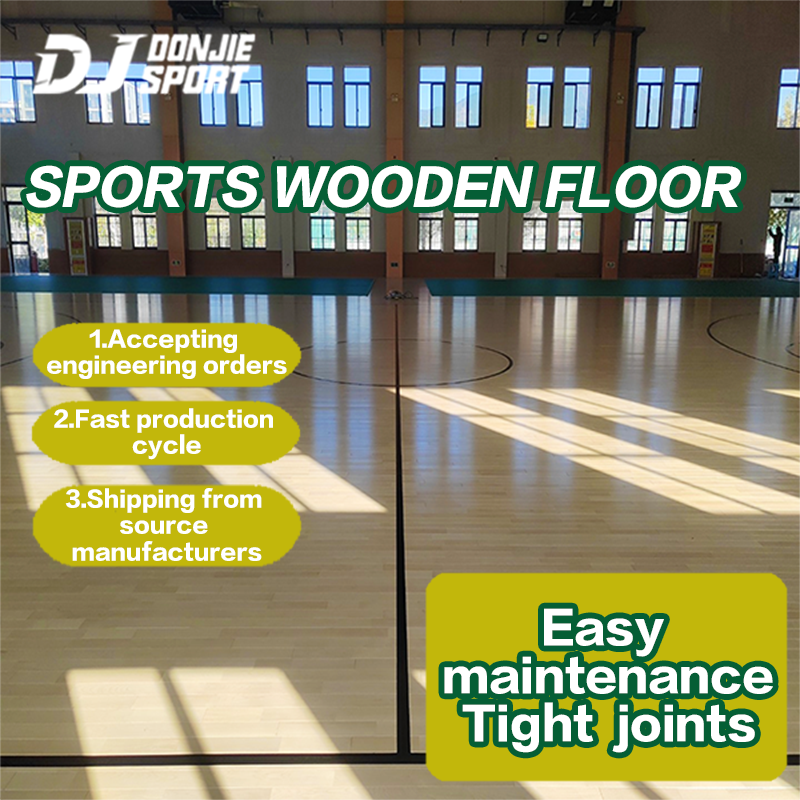
Wood floors provide a traditional feel and are typically found in basketball courts, gymnasiums, and multi-purpose sports halls. For pickleball courts, wood offers a smooth, clean surface that allows for accurate ball bounces, making it an excellent option for competitive play.
Pros and Cons of Wood Flooring
The primary advantage of wood flooring is its classic appearance and high-quality performance. It provides excellent bounce and grip, which are essential for fast-paced games. However, wood requires regular maintenance, including refinishing and resealing, to preserve its condition. Additionally, it is more prone to scratching and denting compared to synthetic materials like PVC and rubber.
Maintenance Requirements
Wood flooring demands more upkeep than other types of flooring. It can warp or fade when exposed to moisture or direct sunlight, so it’s important to ensure that the environment is controlled. Regular cleaning and refinishing are necessary to maintain its appearance and functionality.
Sport Court Flooring: Modular Tile Systems
Modular tile systems are a great option for those seeking easy installation and portability. These interlocking tiles provide a durable surface that is customizable and easy to maintain.
Overview of Interlocking Tile Systems
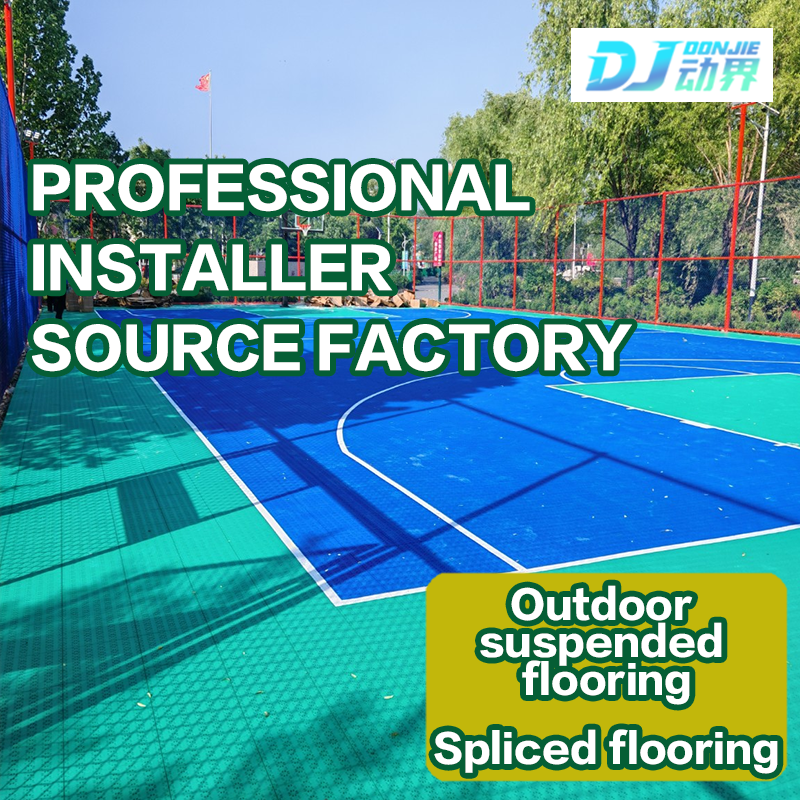
Interlocking tiles are designed for quick installation without the need for adhesives or complicated procedures. These tiles can be easily snapped together, making them a cost-effective and convenient option for courts that need to be set up or taken down quickly. They are available in a range of materials, including PVC and rubber, and can be customized to suit the specific needs of the court.
Easy Installation and Portability for Pickleball Courts
One of the key advantages of modular tile systems is their portability. If you’re setting up a temporary court or need to move the court around for different events, these tiles can be quickly assembled and disassembled. This feature makes them a popular choice for events, tournaments, or facilities with limited space.
Why Modular Flooring Is Becoming Increasingly Popular
Modular flooring is gaining popularity because it offers flexibility without sacrificing performance. It provides excellent durability and can withstand high levels of foot traffic, making it a great option for busy facilities. Additionally, modular tiles are easy to maintain and replace if one becomes damaged, ensuring that the court remains in top condition at all times.
Comparing Costs: What You Need to Know About Pickleball Flooring Pricing
When choosing the best flooring for your pickleball court, it’s important to consider both the initial investment and long-term maintenance costs.
Overview of Pricing for Various Flooring Types
The cost of pickleball flooring can vary widely depending on the material you choose. PVC flooring is typically more affordable upfront compared to wood flooring, but it can still provide excellent performance. Rubber and modular tile systems may cost more initially, but their long-term durability and low maintenance requirements can offset the higher cost.
Initial Cost vs. Long-Term Value
While the initial cost of wood flooring might seem appealing, the ongoing maintenance required to keep it in good condition can add up over time. On the other hand, PVC and rubber floors require minimal upkeep, which makes them a more cost-effective choice in the long run. Modular tile systems are often priced competitively, especially when considering their ease of installation and portability.
Factors That Influence Cost
Other factors that influence the cost of pickleball flooring include installation fees, the size of the court, and the quality of materials used. It’s important to factor in both the short-term and long-term costs to ensure that you choose the best flooring within your budget.

How to Choose the Right Pickleball Flooring for Your Court
Choosing the right flooring for your pickleball court depends on several factors, including the court’s location, the level of play, and your budget.
Consider Your Playing Environment: Indoor or Outdoor?
If you’re building an indoor court, wood or PVC flooring may be the best options due to their performance and aesthetic appeal. For outdoor courts, you’ll need flooring that can withstand weather conditions, such as UV-resistant PVC or durable rubber flooring.
Player Needs: Competitive vs. Recreational Use
If your court will be used for professional tournaments or competitive play, you’ll need a surface that meets high standards for performance, such as PVC or modular tile systems. For recreational use, rubber flooring or a more affordable PVC option may be sufficient.
Budget Considerations
Ultimately, your budget will play a significant role in determining which flooring is best. Keep in mind that the long-term value and durability of the flooring can make a more expensive option worth the investment.
The Best Pickleball Flooring for Every Type of Court
There is no one-size-fits-all answer when it comes to pickleball flooring. The best flooring for your court depends on whether it is indoors or outdoors, the level of play, and your budget. PVC and rubber flooring are excellent choices for both recreational and professional use, offering durability, comfort, and low maintenance. Wood flooring is ideal for those who prefer a traditional indoor court, while modular tile systems provide flexibility and portability.