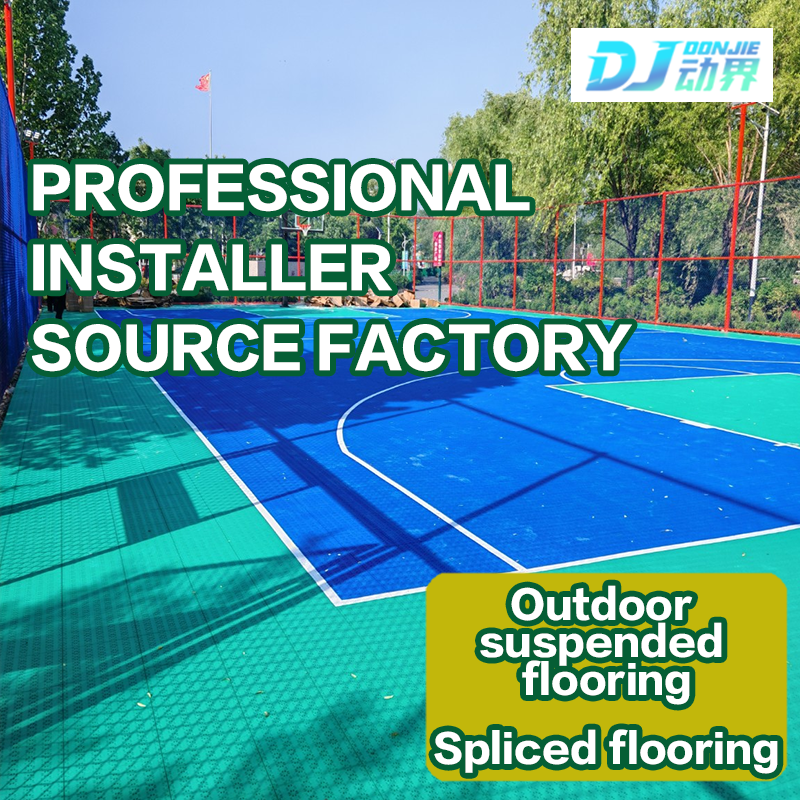
When it comes to outdoor basketball courts, especially those in high-traffic areas, selecting the right flooring can make all the difference. Whether it’s for a public park, community center, or school campus, outdoor basketball courts see a lot of use, meaning that durability, safety, and performance are paramount. High-traffic courts are constantly exposed to the elements and subjected to intense activity, making them more prone to wear and tear.
This is where choosing the right Outdoor Basketball Flooring becomes crucial. Not only does the flooring impact the court’s aesthetic and functionality, but it also plays a significant role in the safety and comfort of the players. The flooring must be resilient enough to withstand constant foot traffic, basketball dribbling, sudden pivots, and more, while also providing a safe, slip-resistant surface.
In addition, high-traffic courts are often exposed to various weather conditions, such as rain, snow, and extreme temperatures. This requires flooring materials that offer resistance to water, UV rays, and temperature fluctuations. Therefore, understanding the materials that work best for these types of courts is essential for ensuring long-term performance and minimizing maintenance costs.
In this article, we will explore the top options for Outdoor Basketball Flooring and help you choose the best one for your high-traffic court, considering factors such as durability, safety, ease of installation, and maintenance requirements. By the end, you’ll have a clear understanding of how to make the best decision for your outdoor basketball court that will withstand heavy usage while providing a top-notch playing surface for years to come.
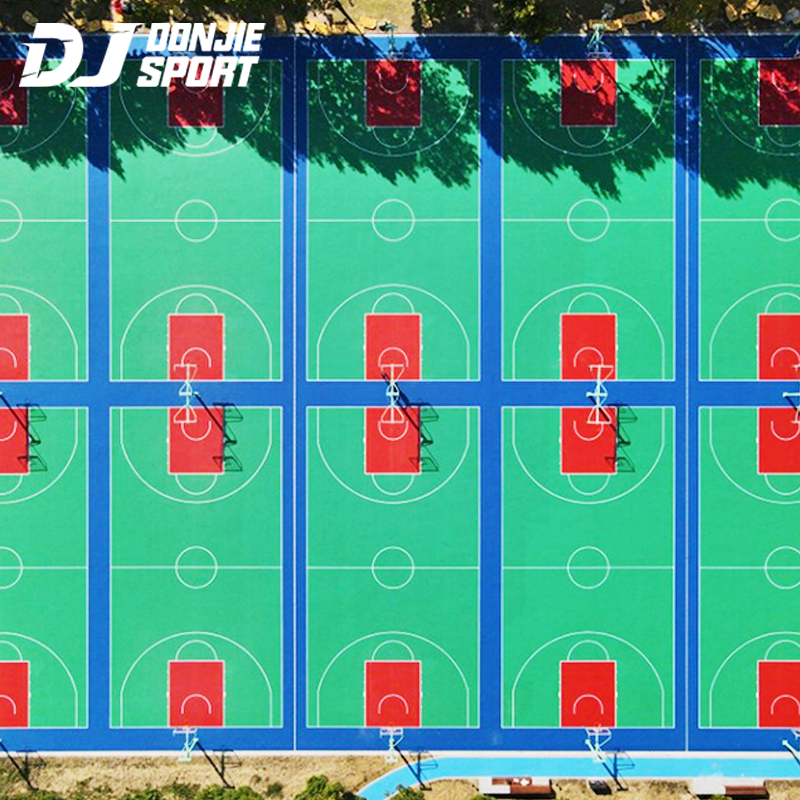
Key Considerations When Choosing Outdoor Basketball Flooring for High-Traffic Areas
When selecting outdoor basketball flooring, particularly for high-traffic courts, there are several critical factors to consider. The flooring needs to perform well under intense conditions, offering both functionality and longevity. Here are the most important considerations:
Durability
The most crucial factor for high-traffic courts is durability. Basketball courts endure intense activity, including dribbling, running, jumping, and sudden direction changes. A flooring material that wears down quickly will result in increased costs for repair or replacement. Choose materials designed to withstand constant use without losing their structural integrity. Flooring options like rubber, interlocking tiles, and PVC are known for their durability, making them ideal choices for courts that see frequent use.
Safety Features
Safety is paramount in any sports setting, and this is especially true for outdoor basketball courts. Players need a flooring surface that offers a level of shock absorption to reduce the risk of injury, especially in high-impact movements like jumps and landings. Additionally, slip resistance is a must to prevent accidents, particularly in wet conditions. Look for outdoor basketball flooring that provides a secure, non-slip surface, even when wet. Materials like rubber flooring and acrylic coatings can offer excellent traction for player safety.
Maintenance Needs
High-traffic courts require flooring that is easy to maintain. The more often a court is used, the more wear it will experience, which means regular maintenance is necessary to keep the surface in top condition. Some flooring types are easier to clean and maintain than others. For instance, interlocking tiles and PVC flooring are relatively low maintenance and can be quickly cleaned with a simple hose-down. Meanwhile, other options like acrylic coatings may require more attention to maintain their look and performance over time.
Weather Resistance
Outdoor courts face the constant challenge of exposure to various weather conditions. Sun, rain, snow, and humidity can all affect the condition of the flooring. Flooring materials must be resistant to UV damage, water absorption, and temperature fluctuations. PVC flooring and acrylic coatings are excellent choices for weather-resistant surfaces that can endure all seasons, while rubber and interlocking tiles also provide solid protection against the elements.
Best Types of Outdoor Basketball Flooring for High-Traffic Courts
With the essential considerations in mind, let’s look at some of the best flooring options available for high-traffic outdoor basketball courts:
Rubber Flooring
Rubber flooring is a popular choice for high-traffic courts due to its exceptional durability, shock absorption, and slip resistance. It is highly resistant to wear and can handle a lot of foot traffic without deteriorating. Rubber also performs well in various weather conditions, making it ideal for outdoor courts. Additionally, it offers a comfortable playing surface, reducing the impact on players’ joints.
However, one potential downside is that rubber flooring can be more expensive upfront compared to other options. But its long lifespan and minimal maintenance requirements make it a worthwhile investment in the long term.
Interlocking Tiles
Interlocking tiles are an excellent option for high-traffic basketball courts because of their ease of installation and modular nature. These tiles can be replaced individually if damaged, reducing long-term maintenance costs. Made from durable materials like PVC, these tiles offer excellent shock absorption and traction.
Interlocking tiles are also highly customizable, allowing courts to achieve the desired aesthetic while also providing a safe, durable playing surface. They are quick to install and often don’t require professional help, making them a great DIY option.
PVC Flooring
PVC sports flooring is specifically designed for high-performance environments and is known for its durability and weather resistance. PVC flooring is low-maintenance, offering ease of cleaning and the ability to withstand high foot traffic. It also provides a comfortable playing surface with shock absorption properties that reduce the strain on athletes.
One of the biggest advantages of PVC flooring is its ability to resist damage from UV rays and moisture, making it ideal for outdoor courts. It’s also available in a wide range of colors and styles, allowing courts to be tailored to match the branding or aesthetic preferences of the venue.
Acrylic Coatings
Acrylic coatings are applied over a concrete base and offer a smooth, durable playing surface. They are resistant to UV rays and weather elements, which makes them a great option for outdoor courts. Acrylic coatings also provide an excellent level of traction and shock absorption, contributing to the safety and performance of players.
Though the installation process can be more time-consuming and costly compared to interlocking tiles or rubber flooring, acrylic coatings have a long lifespan with proper maintenance, making them a worthwhile investment for high-traffic areas.
Comparing Costs and Lifespan of Various Flooring Materials
Understanding the cost and lifespan of the different types of flooring is essential when making a decision for a high-traffic basketball court. Here’s a quick breakdown:
-
Rubber Flooring: Higher initial cost but long-lasting (10+ years) with minimal maintenance. Great for long-term investment.
-
Interlocking Tiles: Mid-range cost with a lifespan of 5-10 years, depending on usage. Tiles are replaceable, offering a cost-effective solution in the long run.
-
PVC Flooring: Relatively affordable with a lifespan of 10-15 years. It offers great value for its durability and low maintenance.
-
Acrylic Coatings: Lower upfront cost compared to rubber, but maintenance can add up. Lifespan is around 5-7 years, requiring regular upkeep.
The right flooring for your court depends on your budget, maintenance capabilities, and expected lifespan.
Installation Considerations for High-Traffic Outdoor Basketball Courts
The installation process plays a significant role in the overall performance of your Outdoor Basketball Flooring. Here’s what you need to know:
Professional Installation vs. DIY
While professional installation can ensure the job is done correctly, DIY installation can be a good option for interlocking tiles, saving money on labor costs. However, professional installation is recommended for flooring like PVC or rubber, which require precise application.
Time and Labor Requirements
The complexity of the installation will vary depending on the material. Rubber flooring and PVC often require professional tools and expertise, while interlocking tiles are relatively quick and easy to install on your own.
Post-Installation Care
After installation, regular maintenance is essential to keep the flooring in optimal condition. This includes cleaning the surface, checking for damages, and addressing any issues promptly to prevent long-term deterioration.
How to Ensure Maximum Longevity for Your Outdoor Basketball Flooring
Maximizing the longevity of your flooring is all about proper care and maintenance:
-
Regular Cleaning: Sweep off debris and wash the surface with water to prevent buildup of dirt or grime.
-
Avoid Harsh Chemicals: Use mild cleaners that won’t damage the flooring material.
-
Protect from Excessive Heat: Avoid exposure to extreme heat or direct sunlight for long periods, especially for rubber and PVC flooring.
-
Periodic Inspections: Regularly check for signs of wear, damage, or loosening tiles and address issues quickly.
By following these simple steps, you can ensure your high-traffic basketball court flooring remains in great condition for years.
Finding the Best Outdoor Basketball Flooring for High-Traffic Courts
Choosing the best Outdoor Basketball Flooring for high-traffic courts ultimately depends on your specific needs and priorities, including durability, safety, ease of maintenance, and weather resistance. Rubber flooring, interlocking tiles, PVC, and acrylic coatings all have their advantages and can provide long-lasting, high-performance surfaces for outdoor courts.
By understanding the pros and cons of each material and considering factors such as cost, lifespan, and installation ease, you can make an informed decision that ensures a safe, functional, and visually appealing playing surface. Remember, a well-chosen flooring solution can not only enhance player performance but also reduce long-term maintenance costs and improve the overall experience for everyone who uses the court.