Basketball floors are often overlooked as mere surfaces to play on. However, the choice of flooring in any basketball court plays a far more significant role than just providing a space for players to run and shoot. From enhancing player performance to preventing injuries, the floor is a key component of the basketball experience. In this article, we will dive into why basketball floors are not just surfaces but essential elements that influence every aspect of the game.
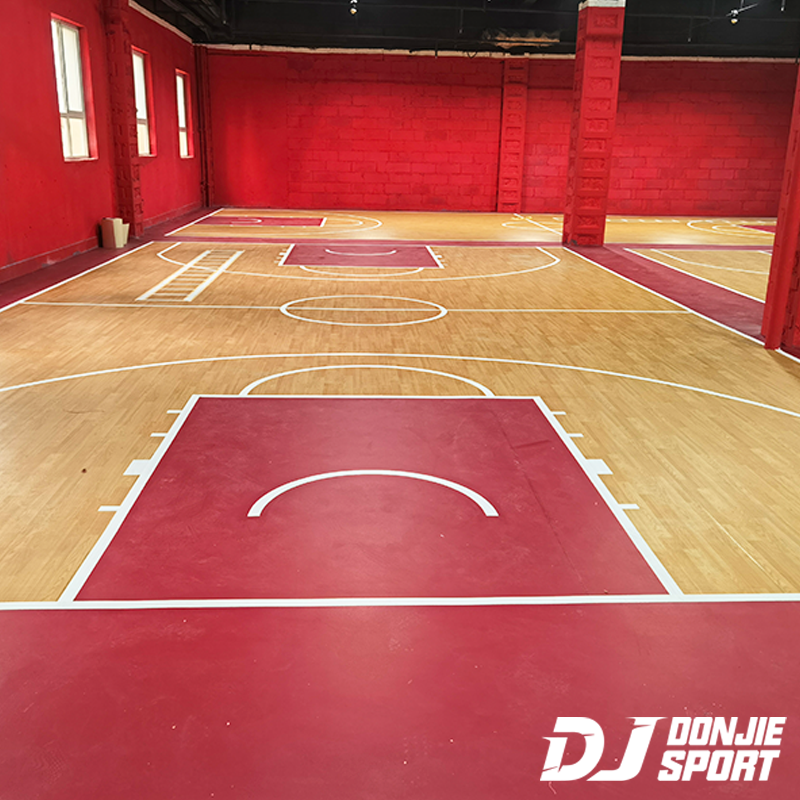
The Role of Basketball Floors in Player Performance
Basketball is a fast-paced game that requires rapid direction changes, jumps, and quick footwork. The surface players interact with has a profound impact on their performance. A high-quality basketball floor provides the necessary grip, ensuring that players have stable footing while running and pivoting. This grip helps to reduce the risk of slips, providing better control and more precise movements.
The texture of the flooring also affects the bounce of the ball. Different surfaces have varying degrees of responsiveness, impacting how the ball reacts during dribbling and shooting. A floor with consistent and predictable ball bounce allows players to better anticipate the ball’s movement, improving their overall game performance.
In addition to performance, the right flooring can play a significant role in preventing injuries. Floors designed with cushioning materials, such as hardwood or synthetic options with shock-absorbing qualities, help to reduce the impact on joints and muscles, especially during jumps or hard landings. The right balance of firmness and cushioning is essential for minimizing injury risks over time.
Durability and Longevity of Basketball Floors
Investing in high-quality basketball flooring is an investment in the longevity of the court itself. A durable floor can withstand years of intense use without losing its integrity, providing a reliable surface for practices and games alike. Choosing materials that are specifically designed to endure heavy impact, high foot traffic, and consistent wear is crucial for ensuring that the floor will remain in top condition for as long as possible.
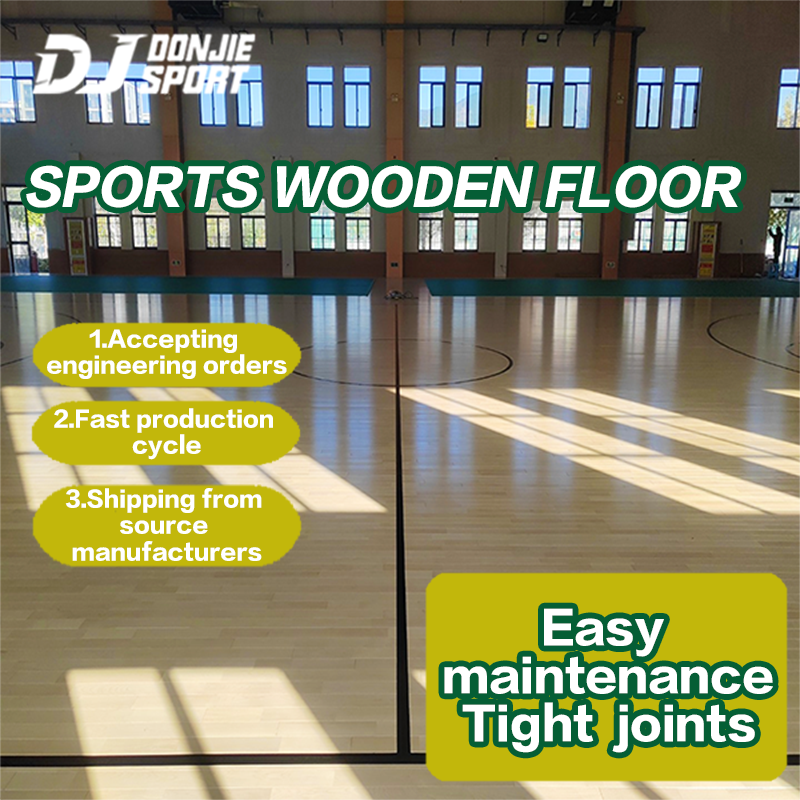
Wooden floors, often considered the gold standard for professional basketball courts, are known for their durability and aesthetic appeal. While they require regular maintenance, including refinishing and cleaning, a well-maintained hardwood floor can last for decades. On the other hand, synthetic floors such as vinyl or rubber-based surfaces are gaining popularity due to their durability, ease of maintenance, and cost-effectiveness.
No matter the material, proper maintenance is key to prolonging the life of basketball floors. Regular cleaning, checking for damages, and refinishing can help ensure that the flooring stays functional and visually appealing for many years.
The Science Behind Basketball Floor Design
The design and construction of basketball floors are not just about aesthetics; there is a complex science behind their creation. Basketball floors are engineered to optimize gameplay in various ways. One of the most important factors is the floor’s bounce. A floor that provides the right level of responsiveness allows the ball to bounce predictably, which is essential for controlling the game.
The texture of the floor plays a crucial role in ball control. For example, floors with a slightly porous surface can provide better grip for dribbling, helping players maintain better control over the ball. The friction between the ball and the floor ensures that the ball doesn’t slip or bounce uncontrollably, allowing players to handle it more efficiently.
Additionally, the floor’s elasticity can influence the game’s pace. A highly responsive floor allows for quicker movements, enabling faster-paced games. On the other hand, a less responsive surface may slow down the action, impacting the overall dynamics of the game.
The Aesthetic and Psychological Impact of Basketball Floors
While functionality is the primary concern, the aesthetic appeal of a basketball court is also significant. The floor serves as the canvas for team logos, colors, and unique court designs that represent a team’s identity. Bright colors, bold logos, and intricate designs contribute to creating a visually stimulating environment that excites players and spectators alike.
Moreover, a well-designed floor can boost morale and give players a psychological advantage. Courts that feature distinctive team branding or bright, vibrant colors can help players feel more connected to their team and energize their performance. The overall appearance of the court influences not only the atmosphere but also the mental state of the players as they step onto the floor.
For spectators, the design of the floor also enhances the viewing experience, making the game more engaging. It adds to the overall spectacle, creating an immersive environment where both players and fans feel part of the action.
Innovations in Basketball Flooring Technology
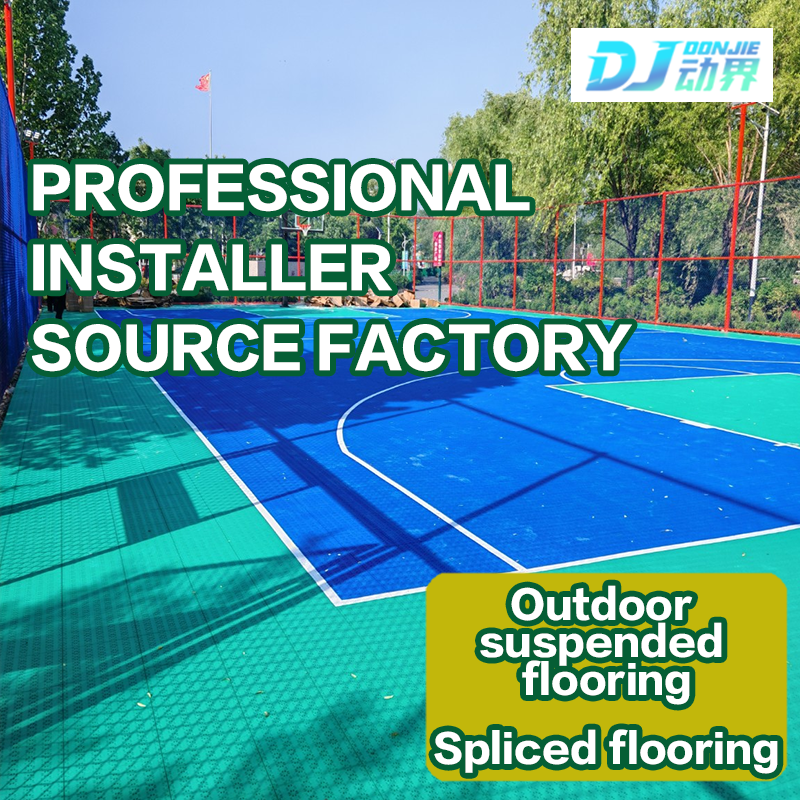
As technology continues to advance, so does the development of basketball flooring. New materials and coatings are continually being tested to improve performance, safety, and sustainability. For instance, advanced polymers and synthetic materials are now being used to create basketball floors that are both durable and provide superior performance characteristics.
Another innovation in basketball flooring technology is the incorporation of shock-absorbing layers. These layers, often made of advanced foams or rubber compounds, reduce the impact on players’ joints, making the court more forgiving during hard landings and constant running. This technology is particularly important for multi-purpose sports courts where safety is a concern.
Furthermore, there has been a growing trend toward multi-use basketball floors. These versatile surfaces can be adapted for different sports and activities, allowing gyms and arenas to host a variety of events while still maintaining the quality of the playing surface. The future of basketball floors may include smart technology, such as sensors embedded within the surface to monitor player movement and detect injuries in real-time.
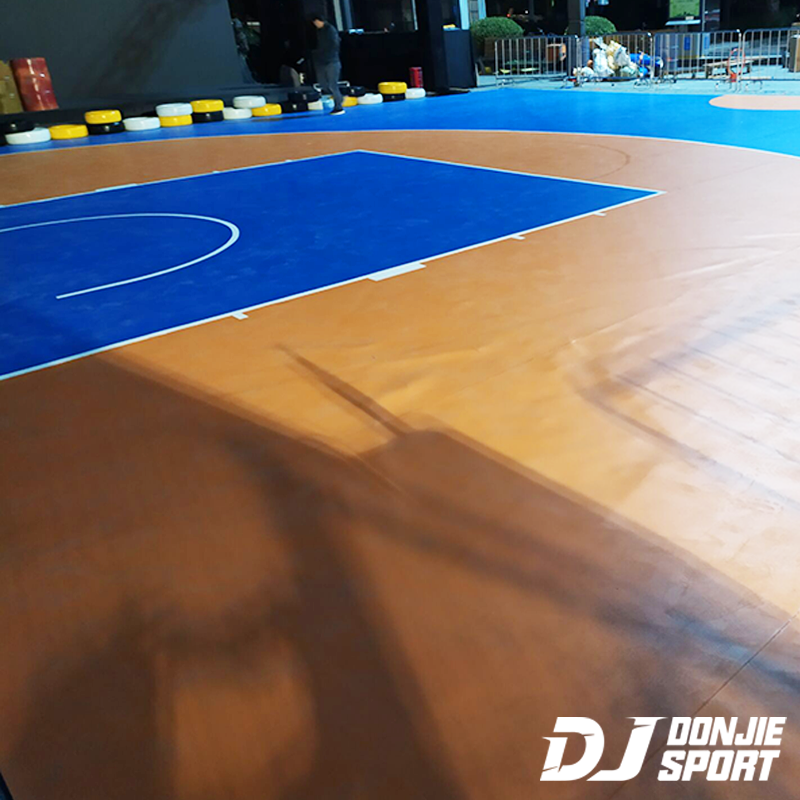
The Environmental Impact of Basketball Flooring Choices
As sustainability becomes an increasingly important issue, many basketball flooring manufacturers are looking for ways to reduce the environmental impact of their products. More eco-friendly materials, such as recycled rubber, bamboo, and other sustainable options, are becoming popular choices for new basketball floors.
Recycling old floors is also becoming a priority. Many flooring companies are offering take-back programs that allow old floors to be properly recycled or repurposed, reducing waste in landfills. Choosing flooring made from renewable resources or that can be reused helps minimize the environmental footprint of new installations.
By selecting sustainable materials and making environmentally conscious decisions, basketball facilities can play their part in supporting eco-friendly practices while still providing a top-tier playing surface.
Conclusion
Basketball floors are much more than just surfaces on which to play the game; they are integral to the game’s performance, safety, aesthetics, and longevity. From enhancing player performance to creating a visually appealing and functional court, the flooring plays a crucial role in shaping the overall basketball experience. As technology continues to evolve, the future of basketball floors looks brighter, with innovations that promise even better performance, safety, and sustainability.