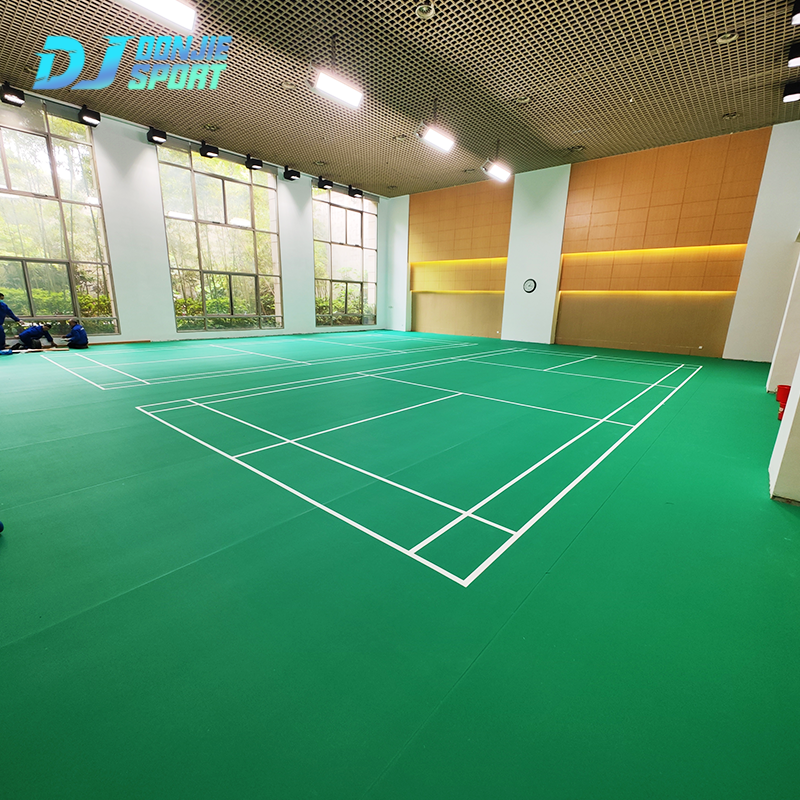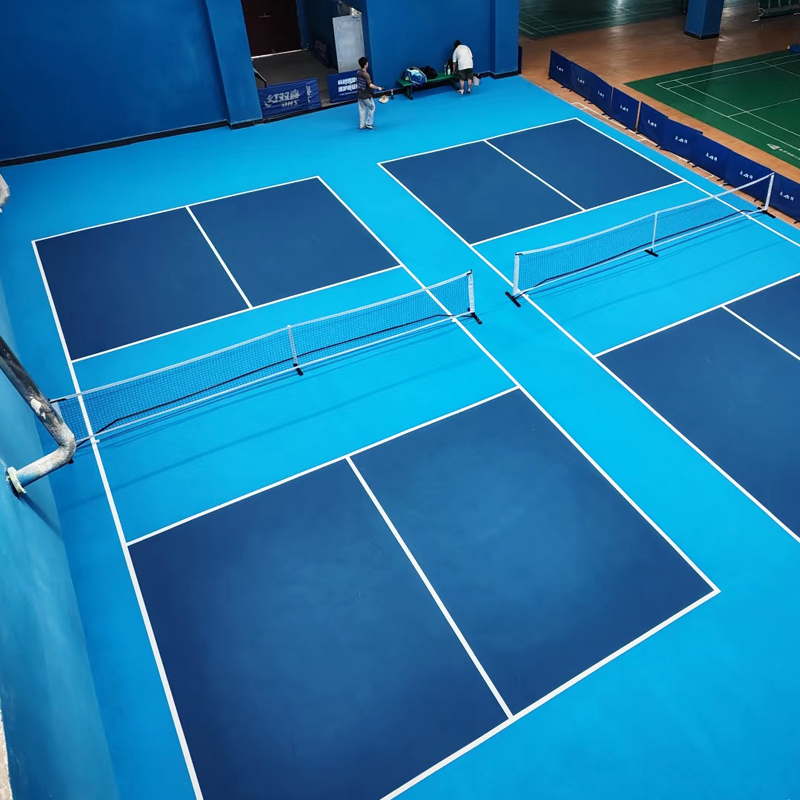
In recent years, sustainability has become a key consideration in nearly every industry, including sports. Among the many materials used in sports facility construction, PVC (Polyvinyl Chloride) flooring is gaining traction for volleyball courts due to its outstanding combination of durability, performance, and environmental benefits. This article will explore why PVC volleyball court flooring is not only a practical choice but also an eco-friendly and sustainable solution for sports facilities.
What Makes PVC Volleyball Court Flooring a Sustainable Choice?
PVC volleyball court flooring stands out for its environmental credentials. Unlike traditional flooring options that may require frequent replacement, PVC floors are designed to last for many years, which significantly reduces the need for replacements and minimizes waste. The key to PVC’s sustainability lies in its composition and manufacturing process.
PVC flooring is made from a combination of vinyl resins and other materials, which are engineered for durability. Many PVC flooring products are designed to be 100% recyclable, ensuring that when the floor eventually reaches the end of its life, it can be processed into new products, thus reducing landfill waste. This recyclability, coupled with its long lifespan, makes PVC flooring an ideal choice for sports facilities looking to minimize their environmental footprint.
When compared to other flooring materials, PVC’s eco-friendly features become even more apparent. Traditional wood floors, for instance, require large-scale deforestation and regular refinishing, contributing to both deforestation and the use of harsh chemicals. PVC, on the other hand, uses far fewer natural resources and has a lower environmental impact throughout its lifespan.
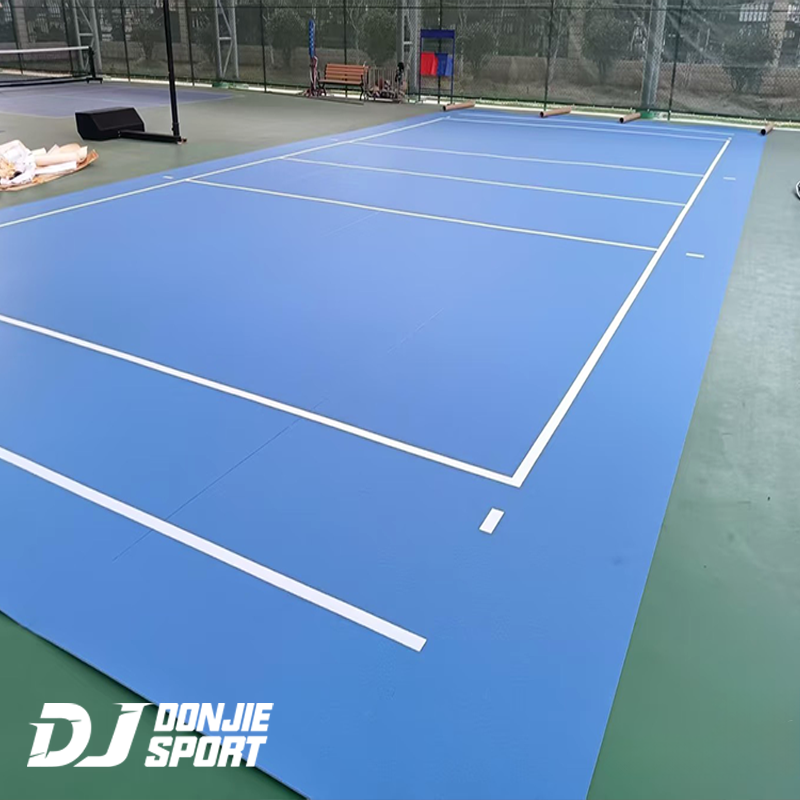
Benefits of PVC Volleyball Court Flooring
PVC volleyball court flooring offers numerous advantages for both environmental sustainability and the overall functioning of the court. Below are some of the key benefits of choosing PVC flooring:
Long-Lasting Performance and Reduced Replacement Costs
PVC floors are incredibly durable, able to withstand the demands of intense sports play over many years. This means fewer repairs, less wear-and-tear, and ultimately, lower long-term costs for the facility. A longer lifespan also translates to fewer resources used in the manufacturing of replacement floors, making it a more sustainable option in the long run.
Reduced Environmental Impact Due to Longevity
The environmental impact of a flooring material is directly tied to how often it needs to be replaced. PVC floors require less frequent replacements, and as such, their overall carbon footprint is considerably lower compared to other materials. By choosing PVC flooring, sports facilities reduce the amount of waste generated, helping to conserve both resources and energy.
Easy Maintenance and Lower Life-Cycle Costs
Another reason PVC volleyball court flooring is a sustainable solution is its ease of maintenance. Unlike wood or concrete floors that require frequent sanding, refinishing, and waxing, PVC floors are easier to clean and maintain. With simple regular cleaning, the surface retains its look and performance, reducing the need for costly maintenance services and chemical treatments.
Energy-Efficient Manufacturing Processes
Manufacturers of PVC flooring are increasingly using energy-efficient production methods that further reduce the environmental footprint of the product. The production of PVC has become much more efficient, with innovations that use less energy and create fewer greenhouse gas emissions compared to older production techniques. This makes PVC flooring an even more sustainable choice for environmentally conscious facilities.
Why PVC Flooring is Ideal for Volleyball Courts
While sustainability is a primary consideration, performance and player safety are equally important factors when selecting flooring for a volleyball court. PVC flooring meets both criteria with ease.
Importance of Shock Absorption for Player Safety
One of the most crucial factors in volleyball flooring is shock absorption. During intense matches, players make quick movements and jumps that put a lot of pressure on their joints. PVC flooring offers excellent shock absorption properties, helping to reduce the risk of injuries such as sprained ankles, knee problems, and lower back pain. The floor’s ability to cushion the impact ensures that players can perform at their best while minimizing strain on their bodies.
High Traction and Consistency for Performance
Another feature that makes PVC flooring ideal for volleyball courts is its high level of traction. Consistent traction is essential for player performance, particularly in a fast-paced game like volleyball. PVC floors are designed to provide optimal grip, allowing players to move quickly and confidently without the risk of slipping. The flooring material’s ability to maintain its texture and grip ensures a safe and high-performance playing environment.
Easy Installation and Customization to Meet Specific Court Needs
PVC volleyball court flooring is also known for its ease of installation. It can be laid down quickly, minimizing downtime in sports facilities. Additionally, PVC flooring can be customized to suit various court designs, sizes, and color schemes. This flexibility makes it a versatile option for different types of volleyball courts, whether in schools, gyms, or professional arenas.
Cost-Effectiveness of PVC Volleyball Court Flooring
One of the main reasons PVC flooring is becoming so popular is its cost-effectiveness. While the initial cost may be slightly higher than other materials, the long-term savings make it a wise investment for sports facilities.
Comparing Initial Costs vs. Long-Term Savings
Although PVC flooring might have a higher initial installation cost compared to cheaper alternatives, its longevity and low maintenance needs mean that it pays off over time. Facilities that choose PVC flooring typically save money in the long run due to fewer repairs and replacements.
Reduced Environmental Costs Associated with Maintenance
Maintaining PVC flooring is also far more cost-effective than maintaining traditional wood or synthetic floors. With its low-maintenance requirements, PVC reduces the need for costly cleaning products and refinishing, which also helps to cut down on the overall environmental cost of maintaining the court.
The Role of PVC Flooring in Enhancing Player Experience
PVC volleyball court flooring not only benefits sports facilities in terms of cost and sustainability but also contributes to the overall player experience.
How the Material Impacts Game Speed, Player Comfort, and Injury Prevention
A well-designed PVC court helps to improve game speed by offering consistent surface conditions. Players can focus on their performance, knowing that the flooring will react predictably to their movements. Additionally, the comfort of the flooring plays a critical role in player well-being. The cushioning properties of PVC flooring ensure that players experience less physical stress during games, reducing fatigue and the risk of injuries.
Enhanced Grip and Its Role in Improving Game Outcomes
The traction provided by PVC flooring directly impacts how well players can execute techniques such as spikes, digs, and jumps. This enhanced grip ensures that players have more control over their movements, which can ultimately influence the outcome of the game.
Contribution to Overall Court Aesthetics
PVC flooring also plays a role in enhancing the aesthetic appeal of the court. Available in a variety of colors and designs, PVC flooring can be customized to reflect team colors, logos, or specific court branding, improving the overall look and feel of the facility.

How to Maintain PVC Volleyball Court Flooring for Longevity
Maintaining PVC flooring is straightforward, and with proper care, its lifespan can be significantly extended.
Simple Maintenance Practices to Extend the Lifespan
The key to maintaining PVC volleyball court flooring is regular cleaning. Simple sweeping and mopping are usually sufficient to keep the floor looking its best. Additionally, periodic checks for any signs of wear or damage ensure that issues are addressed before they become more significant problems.
Best Cleaning Methods and Care Tips
For cleaning PVC flooring, it is recommended to use mild, non-abrasive cleaners. Harsh chemicals can break down the surface over time, leading to discoloration or damage. A simple microfiber mop and neutral pH cleaner will help maintain the floor’s integrity.
Why Regular Maintenance is Crucial for Sustainability
By maintaining PVC floors, sports facilities ensure that the flooring lasts as long as possible, minimizing the need for replacements. This not only saves money but also aligns with sustainability goals by reducing the environmental impact of manufacturing and disposal.
Conclusion
PVC volleyball court flooring is a sustainable solution that offers a range of environmental, economic, and performance benefits. Its durability, ease of maintenance, and eco-friendly properties make it an ideal choice for schools, gyms, and professional sports venues. By choosing PVC flooring, sports facilities can reduce their carbon footprint while providing a safe, high-performance playing environment for athletes.