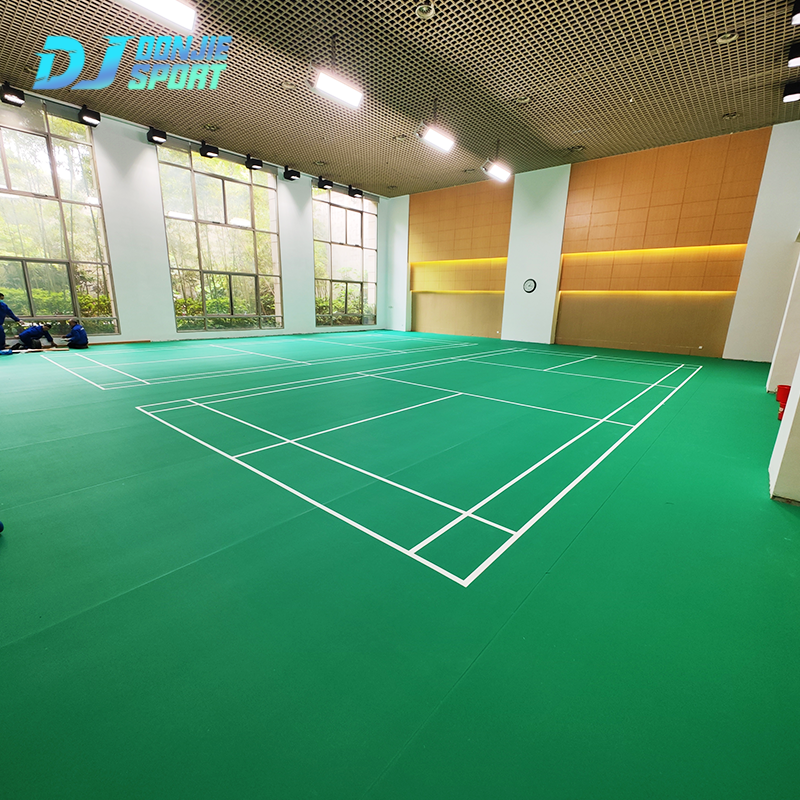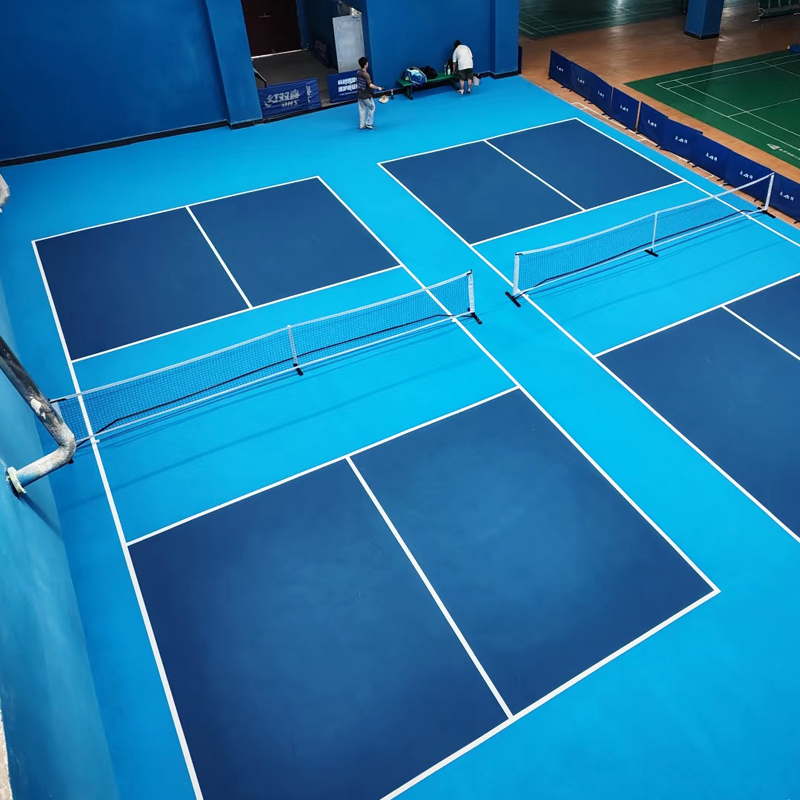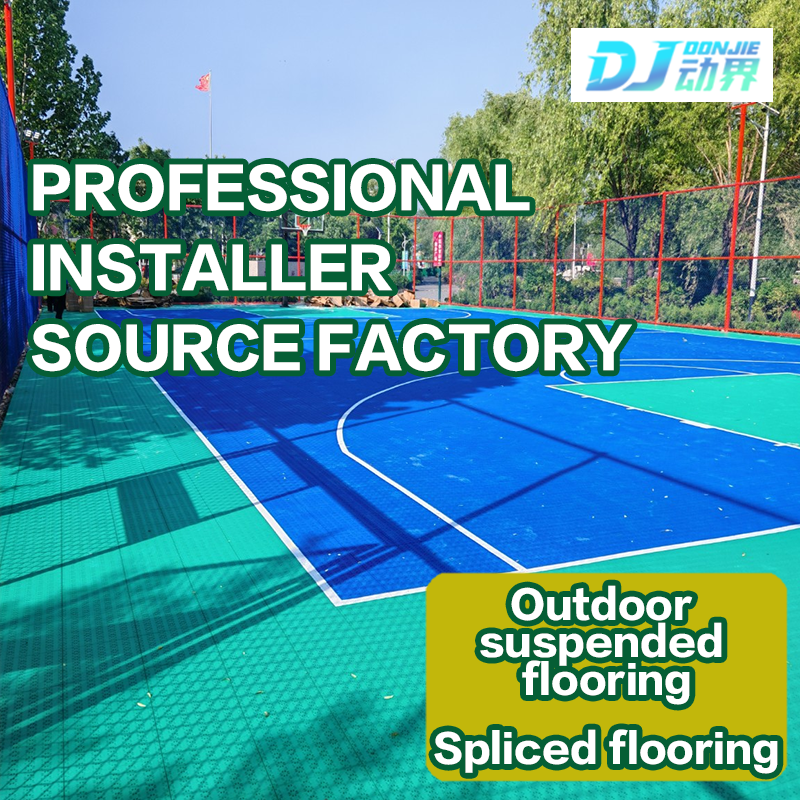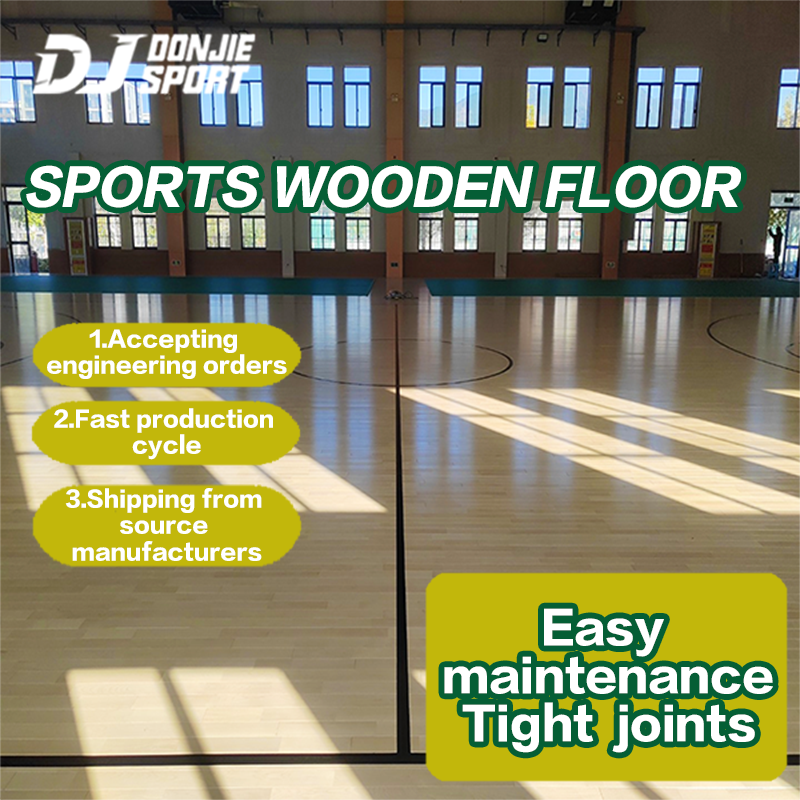
Choosing the right flooring for your sports hall is one of the most important decisions you’ll make, not only for the performance of the athletes but also for the financial health of your venue. While many people focus on the initial cost of installation, the long-term expenses associated with maintenance, repairs, and replacements can be far more significant. In this article, we’ll explore how selecting the right sports hall flooring can save you money in the long run by reducing ongoing costs, preventing injuries, and even boosting your venue’s overall sustainability.
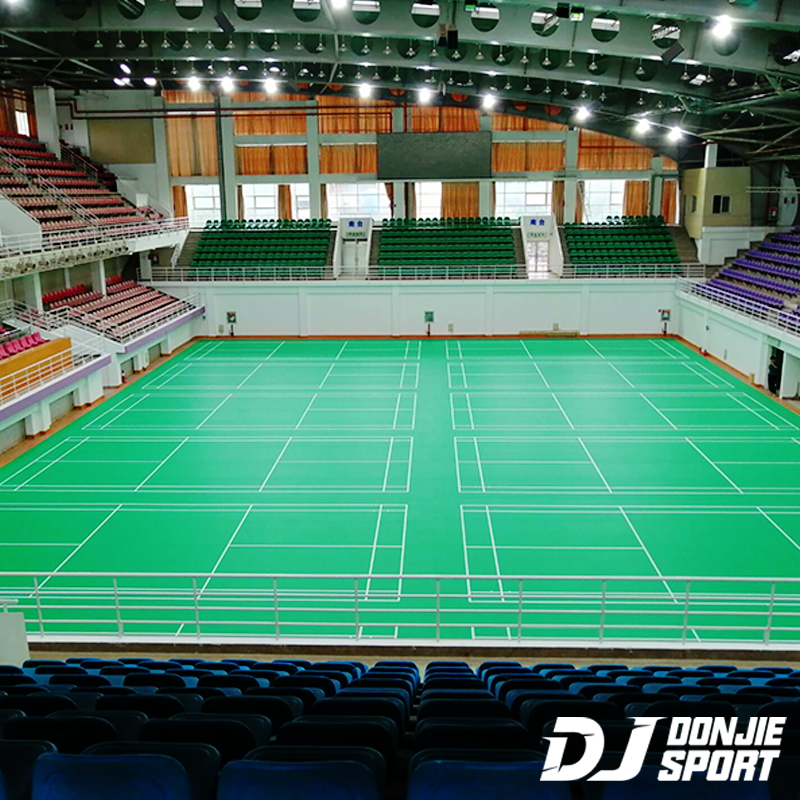
Understanding the True Cost of Sports Hall Flooring:
When considering sports hall flooring, the initial installation cost is often the first factor on most people’s minds. However, it’s essential to take a more comprehensive view of the total cost over the flooring’s lifespan. The true cost of sports hall flooring goes beyond the initial expense and should factor in maintenance, repairs, and, ultimately, replacement. While cheap options may appear affordable at first, they often require more frequent repairs and eventual replacement, costing more over time. On the other hand, investing in durable and high-quality flooring materials may have a higher upfront cost but can save substantial amounts in repairs and downtime.
For instance, flooring that is highly resistant to wear and tear, such as high-quality PVC or rubber, may seem more expensive initially but can outlast cheaper alternatives by several years, reducing the overall cost of ownership.
Factors to Consider When Choosing Sports Hall Flooring:
Traffic Volume:
The volume of traffic in a sports hall directly impacts the flooring’s wear and tear. If your sports hall experiences heavy use from multiple sports teams, schools, or recreational leagues, choosing flooring that can handle high traffic is crucial. Flooring materials designed to endure frequent use, such as interlocking PVC tiles or hardwood floors with strong finishes, can significantly extend the life of your floor and minimize repair costs.
Sport-Specific Needs:
Different sports have specific flooring needs that must be considered. For example, basketball courts need to provide sufficient grip and cushioning to support players during intense movements. Badminton or volleyball courts require a different texture to ensure players’ safety and performance. By selecting flooring that suits the sports played in your hall, you can avoid unnecessary wear and ensure a longer lifespan for the flooring.
Maintenance Requirements:
Some flooring materials, like wood, require regular maintenance such as sanding and refinishing, which can add to ongoing costs. In contrast, options like PVC or rubber require minimal maintenance and can often be cleaned with simple mopping or washing. When choosing flooring, it’s important to factor in both the initial cost and the ongoing maintenance expenses, as some low-maintenance options will save more money over time.
Environmental Conditions:
Sports halls located in areas with high humidity or temperature fluctuations may experience quicker deterioration of their floors if the material isn’t suited for such environments. Choosing the right flooring material that can handle these conditions will prevent warping, cracking, or excessive wear, ultimately saving you money on repairs and replacements.
Durability and Lifespan: The Key to Long-Term Savings:
Durability is one of the most critical factors when selecting sports hall flooring. A floor that stands the test of time and handles the constant foot traffic without losing its functionality or aesthetic appeal will result in fewer repairs and replacements. Materials such as PVC, rubber, and quality wood have proven durability, providing a better return on investment in the long run.
For example, PVC sports flooring is known for its longevity and resistance to impact, scratches, and stains. A high-quality PVC floor can last up to 20 years or more, far outlasting cheaper alternatives like vinyl tiles or lower-quality rubber. Although it may have a higher upfront cost, this investment quickly pays off when considering the longer lifespan, reducing the need for frequent replacements and repairs.
Maintenance Costs: How Flooring Choice Affects Your Budget:
Maintenance is an ongoing expense that often gets overlooked when budgeting for sports hall flooring. Certain materials, such as wood, need frequent refinishing, while cheaper PVC may suffer from surface wear more quickly and require patching. Choosing flooring that is resistant to scratches, stains, and moisture can drastically reduce cleaning and repair costs.
Rubber flooring, for example, offers excellent durability with minimal upkeep, needing only occasional cleaning to maintain its appearance and functionality. In contrast, cheaper alternatives might need constant touch-ups, buffing, or even complete replacement in as little as five to ten years.
By investing in flooring that is both durable and easy to maintain, sports hall operators can significantly reduce the money spent on repairs and floor refinishing, contributing to long-term savings.
Energy and Environmental Efficiency of Sports Hall Flooring:
Some sports hall flooring materials offer more than just durability and ease of maintenance—they can also help improve the energy efficiency of your venue. For instance, flooring with better insulation properties can help keep the venue warmer in the winter and cooler in the summer, reducing the need for additional heating or air conditioning.
Eco-friendly flooring options, such as sustainably sourced wood or recycled rubber, are not only cost-effective but also help reduce your venue’s environmental impact. These materials tend to be more energy-efficient, meaning you’ll spend less on energy bills, which adds up to significant savings in the long term.
How the Right Flooring Can Prevent Injuries and Reduce Liability Costs:
One of the often-overlooked costs in sports hall flooring is the risk of injury. Poor flooring choices can lead to accidents, which can be costly both in terms of medical bills and potential lawsuits. For example, hardwood floors that have become too slippery or uneven can lead to falls, while flooring that does not absorb impact properly can cause joint stress and other injuries.
High-quality flooring designed specifically for the sports played in your facility can reduce these risks. Investing in flooring that provides proper traction, cushioning, and stability not only improves athlete performance but also minimizes the likelihood of injury, which can result in lower insurance premiums and reduced liability claims over time.
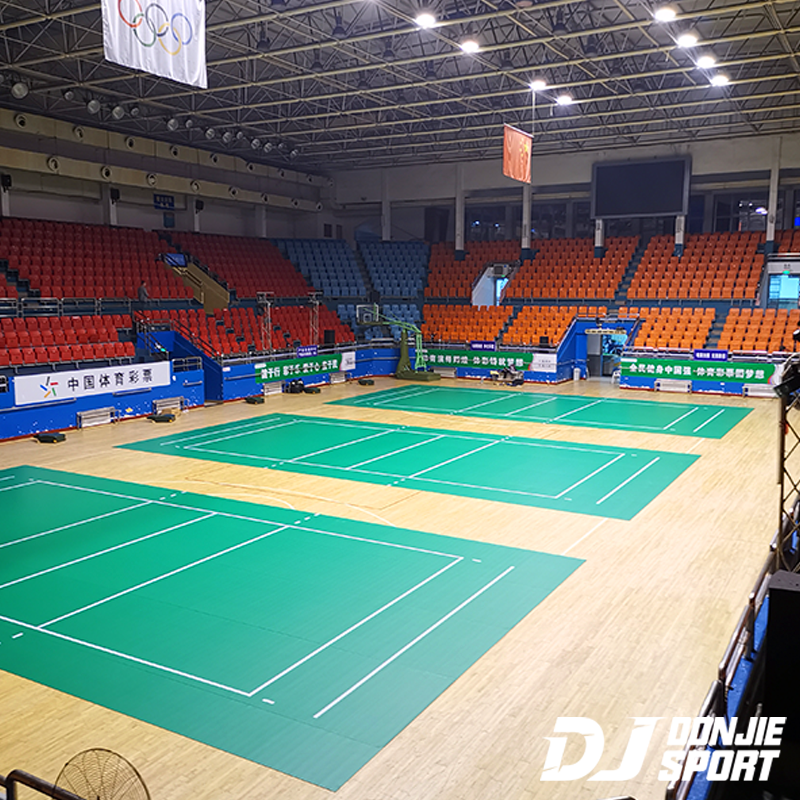
The Return on Investment: How the Right Flooring Pays for Itself:
In the end, the right sports hall flooring isn’t just an expense—it’s an investment. High-quality flooring can pay for itself by reducing maintenance and repair costs, preventing injuries, and extending the lifespan of the floor. As the venue owner, you’ll see fewer disruptions due to flooring issues, which means you can keep your venue open for longer periods and attract more users.
Moreover, a well-maintained floor boosts the overall appeal of your facility, attracting higher-profile events and more customers, further contributing to your return on investment.
Conclusion:
Choosing the right sports hall flooring is a smart financial decision that pays off in the long run. By opting for durable, low-maintenance materials that cater to your specific needs, you can save money on repairs, replacements, and maintenance. Additionally, selecting flooring that ensures athlete safety can reduce injury-related costs and enhance your venue’s reputation. Consider the long-term benefits when making your flooring choice, and rest assured that the right investment today will provide financial rewards for years to come.