When it comes to setting up a dance studio, the flooring is one of the most important aspects to consider. Not only does it contribute to the aesthetic of the space, but it plays a crucial role in the performance, safety, and comfort of the dancers. A customized dance studio floor allows you to tailor the surface to your specific needs, making it essential for creating the perfect environment for both practice and performance.
While generic flooring options may seem sufficient, they often fail to accommodate the varied requirements of different dance styles and the specific demands of your space. A customized approach ensures that every dancer can move freely and safely, minimizing the risk of injury and maximizing performance quality.
In this post, we’ll explore the importance of customized flooring in dance studios, how to choose the right materials for your needs, and how investing in a tailored solution can benefit both your dancers and your space in the long run.
Understanding Different Dance Styles and Their Flooring Needs
Every dance style has its own unique set of requirements when it comes to flooring. A one-size-fits-all solution is rarely ideal. Here’s how customized floors can cater to the needs of different dance disciplines:
Ballet: The Need for a Smooth, Supportive Surface
Ballet requires a floor that provides a smooth, even surface with a slight give to support precise, controlled movements. Hardwood floors, like maple, are often the best choice due to their durability, natural beauty, and excellent shock absorption. A sprung floor system, where a layer of flexible material is installed beneath the wood, can enhance comfort by reducing the impact on joints, especially during jumps and landings.
Hip-Hop and Street Dance: Durability and Shock Absorption
For high-energy dance forms like hip-hop, durability is key. The flooring should be able to withstand intense movement and heavy foot traffic. Vinyl or rubber flooring can be great choices, as these materials are shock-absorbent and low-maintenance. Hip-hop dancers often perform on hard surfaces, so a customized floor ensures the material can handle the pressure of quick pivots, slides, and jumps without compromising the dancer’s safety.
Contemporary and Jazz: Flexibility and Balance in Flooring
Contemporary and jazz dancers often rely on fluid, unrestricted movement. A floor with some level of flexibility is necessary to support dynamic choreography that includes floor work, jumps, and spins. Marley flooring (a vinyl sheet material) is commonly used in these styles, as it offers the right balance between grip and slide. It also helps prevent foot strain during fast-paced movements and allows for smooth transitions between different steps and positions.
Other Dance Styles (e.g., Tap, Ballroom): Specific Requirements
Other styles such as tap and ballroom have specialized flooring needs. Tap dancers require floors that can produce clear sounds without compromising the dancers’ movements, so a hard wood floor is often ideal for tap. In ballroom dancing, floors should allow for both smooth gliding movements and traction, making materials like high-quality vinyl or wood with proper finish important.
Factors That Influence Dance Studio Floor Customization
Studio Size and Layout: Choosing the Right Material and Thickness
The size of the studio and the layout of the space are crucial when selecting flooring. Smaller studios may benefit from portable solutions like interlocking dance tiles, while larger spaces may require a more permanent flooring solution. The thickness of the flooring also varies based on how much cushioning and support is needed, with larger studios often requiring more robust, sprung floors to accommodate high-impact movements.
Acoustics: The Role of Sound in Different Dance Forms
The acoustics of the room play a significant role in the overall dance experience. Certain dance styles, such as tap, rely on the sound produced by the floor to communicate rhythm and precision. Customizing your floor can help achieve the perfect sound quality, whether that’s the crisp sound needed for tap or a quieter, more muted surface for modern dance.
The Studio’s Atmosphere: How the Floor Complements the Overall Design and Style
The aesthetic of your studio should align with the design of the floor. A well-customized floor not only enhances performance but also complements the overall ambiance of the space. Whether you choose rich wood tones for a traditional feel or sleek, modern finishes for a contemporary studio, the floor can play a role in reinforcing the studio’s vibe.
Safety Features: Slip Resistance, Shock Absorption, and Joint Protection
Safety is paramount in any dance studio. A customized floor offers essential safety features, such as slip resistance and shock absorption, to reduce the risk of injuries. Floors that provide joint protection can help prevent long-term damage from repetitive impacts, which is especially important in high-intensity or professional settings.
Materials Used for Custom Dance Studio Floors
Wood Floors: Pros and Cons for Traditional Dance Styles
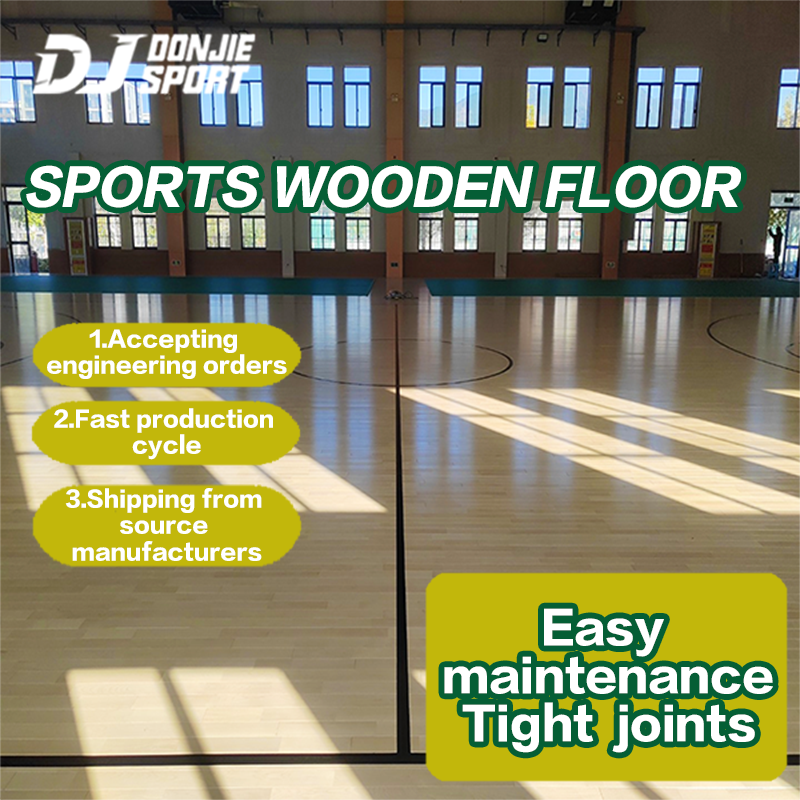
Wooden floors are a classic choice for dance studios, particularly for ballet and ballroom dancing. Their timeless appeal and performance benefits make them a preferred option. Hardwood floors like maple or oak provide excellent traction and are great for dancers needing a sturdy, smooth surface. However, they require regular maintenance to keep them in top condition.
Vinyl Flooring: Versatility and Ease of Maintenance
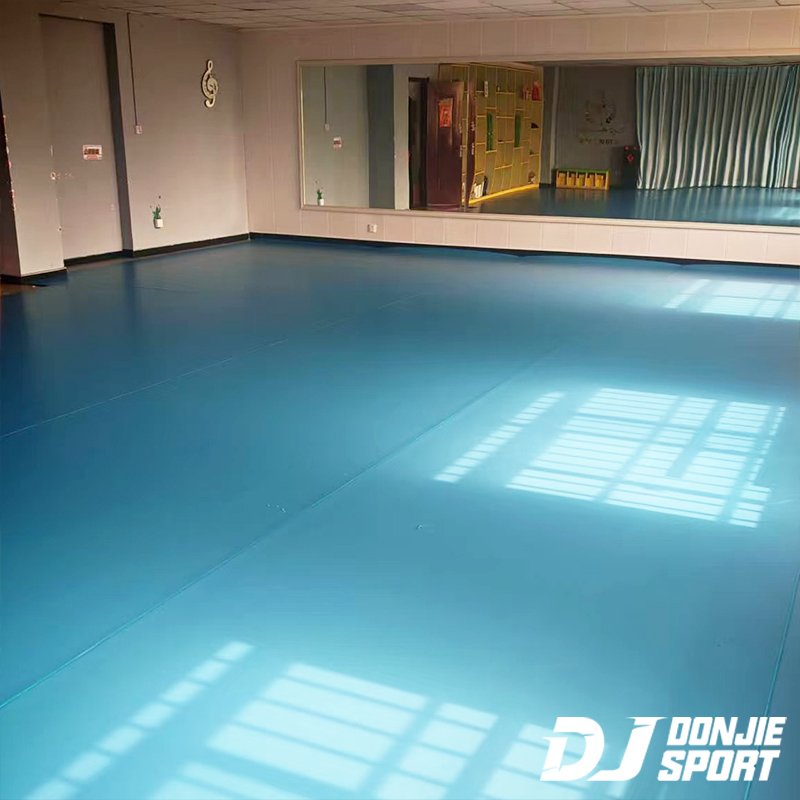
Vinyl flooring is one of the most versatile options for dance studios, offering durability and ease of maintenance. It is available in various finishes and can be customized to suit a range of dance styles. Vinyl is ideal for high-traffic studios and is resistant to stains and scuffs, making it a practical option for many types of dance.
Marley Floors: Best Choice for Touring Companies and Performances
Marley flooring is commonly used in professional dance settings, particularly for performances and rehearsals. This vinyl surface provides excellent grip while allowing smooth movement, making it perfect for contemporary, jazz, and modern dance. Marley floors are often rolled out for touring companies due to their portability and adaptability to different venues.
Interlocking Tiles: Quick Setup and Customization Options
Interlocking tiles are a great choice for studios with changing needs or for portable dance spaces. These tiles are easy to install, offer shock absorption, and can be customized for a variety of styles. They are especially useful for smaller studios, fitness spaces, or temporary dance setups.
Rubber and Foam: Ideal for Fitness or High-Impact Dance Styles
Rubber and foam flooring materials are designed to provide extra cushioning and are ideal for high-impact dance styles such as hip-hop or aerobics. They help reduce the stress on dancers’ joints while providing a durable surface that can handle a lot of movement and weight.
How Custom Dance Studio Floors Enhance Performance
Customized floors improve the dancer’s overall performance by creating the ideal surface for movement. Proper floor customization ensures that dancers have the right balance between traction and smoothness, allowing them to execute movements with precision and ease. For example, ballet dancers rely on floors that offer just enough “give” to support controlled, graceful movements, while hip-hop dancers need floors that absorb shock to reduce the risk of injury.
Additionally, the right flooring improves balance, coordination, and overall comfort, enabling dancers to focus more on their craft rather than dealing with floor-related distractions.
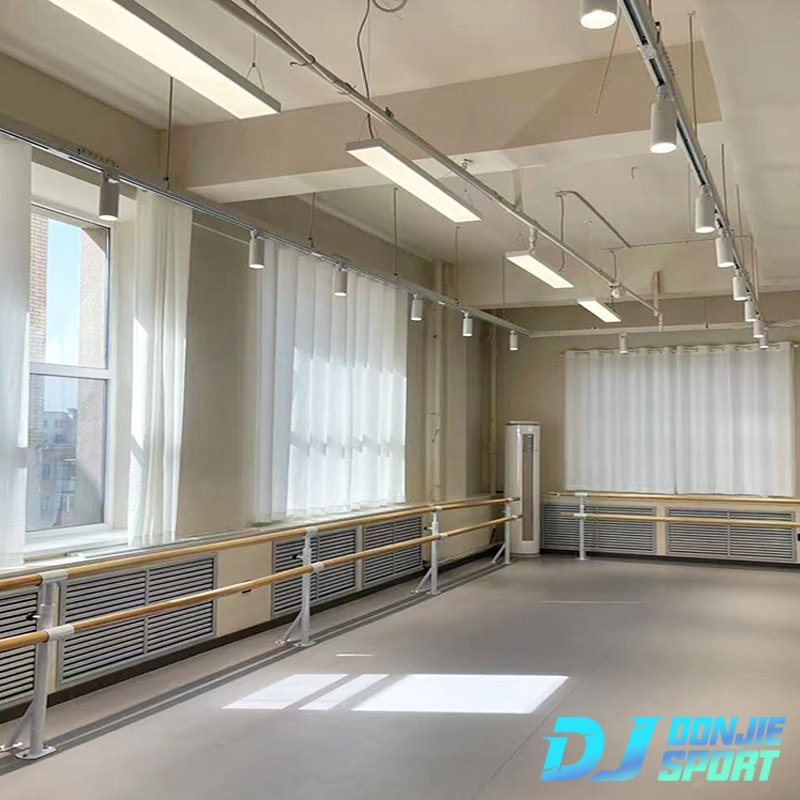
The Cost of Customizing Dance Studio Floors
While the initial cost of customized flooring may seem higher than standard options, the investment pays off in terms of durability, performance, and safety. Factors that influence cost include the type of material, installation fees, and the size of the studio. Choosing customized flooring means that you are investing in a long-lasting solution that will reduce repair costs over time and provide a safer environment for dancers.
Choosing the Right Dance Floor Installer
A professional installer is crucial for ensuring the longevity and functionality of your customized floor. The installation process can vary depending on the type of flooring, and choosing an experienced professional ensures that your floor is laid correctly, with attention to detail. A qualified installer will also provide advice on maintenance and care, ensuring that your investment lasts for years.
Maintaining Your Customized Dance Studio Floors
Once your customized floor is in place, regular maintenance is key to preserving its quality. Different materials require different care practices, but routine cleaning and preventive measures (such as using floor protectors) are essential. For wood floors, occasional refinishing may be necessary to maintain their appearance and performance, while vinyl and rubber floors generally require periodic cleaning to avoid damage from dirt and debris.
Creating the Ideal Dance Environment with Customized Floors
The importance of customized dance studio floors cannot be overstated. Not only do they support dancers’ movements and enhance performance, but they also contribute to the safety, aesthetic, and overall success of your studio. Whether you’re running a professional ballet academy or a hip-hop dance school, investing in the right flooring will ensure a better experience for both dancers and instructors alike.