The foundation of every dance studio lies in its flooring. While it may seem like an afterthought to some, the type of floor beneath a dancer’s feet plays a pivotal role in their overall performance and safety. Dancers require surfaces that not only provide the right amount of grip and cushioning but also enhance their movements, allowing them to execute complicated choreography with ease. In this article, we’ll explore why choosing the right dance studio floor is essential for supporting dancers’ movements, preventing injuries, and improving the overall studio experience.
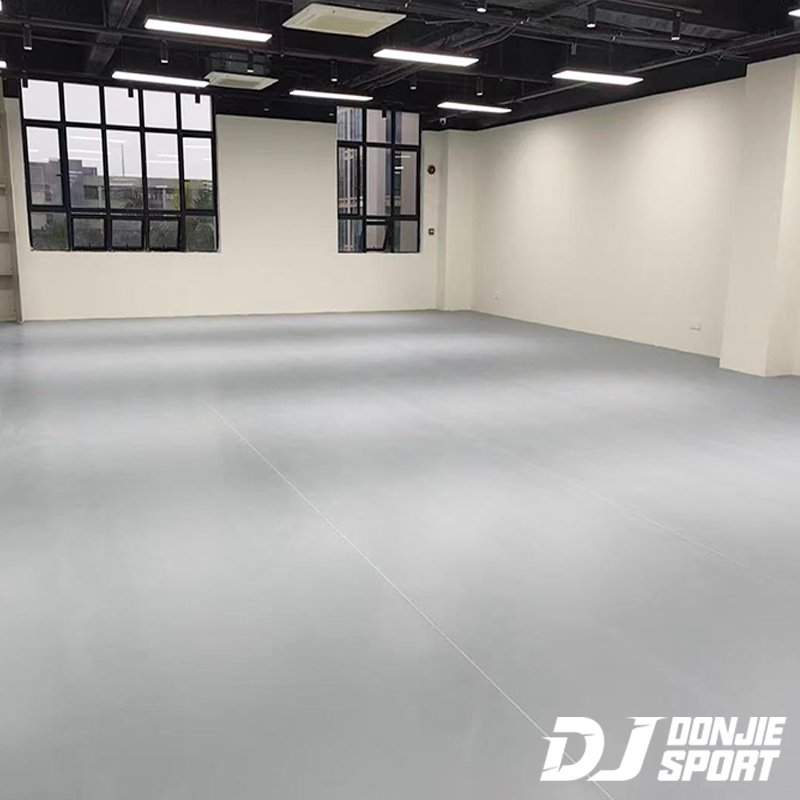
The Role of Dance Studio Floors in Preventing Injuries
Dance is a physically demanding art form that places a great deal of stress on the body. Dancers often perform high-impact movements such as jumps, turns, and leaps, which can be hard on the joints and muscles. This is where dance studio floors come into play. A well-designed floor acts as a shock absorber, helping to reduce the strain on the body. Proper flooring can prevent a range of injuries, including ankle sprains, knee problems, and lower back pain.
For instance, floors with excellent shock absorption properties can absorb the impact when a dancer lands from a jump, preventing excessive stress on their joints. On the other hand, a floor that is too hard can lead to bruising and fatigue, while one that is too soft might make it harder for the dancer to maintain control during quick movements. By choosing the right floor, you provide a protective environment for dancers to push their limits without compromising their safety.
Enhancing Performance with the Right Dance Studio Flooring
The performance quality of dancers is heavily influenced by the type of floor they practice on. A dance studio floor needs to strike a delicate balance between traction and slip resistance. Too much grip can impede a dancer’s movement, while too little can increase the risk of slips and falls. The ideal floor allows dancers to execute smooth turns and quick steps without the fear of sliding unexpectedly.
In addition to traction, flexibility is another crucial aspect of performance. Floors that offer some give or “bounce” provide better support during jumps and turns. The elasticity allows the dancer to spring off the floor, adding height and power to their movements. For genres like ballet, where precise footwork is key, a floor with the right amount of cushion helps dancers perform at their best without risk of injury. For other dance styles such as hip-hop, the floor needs to offer durability and support for rapid, hard-hitting movements.
Types of Dance Studio Floors for Different Dance Styles
Not all dance styles require the same type of flooring. The diversity of dance genres necessitates a variety of flooring options that cater to specific needs. Understanding the unique requirements of different styles can help you choose the best floor for your studio.
-
Ballet Flooring: Ballet requires a smooth, cushioned surface to accommodate the precise footwork and turns. Floors made of high-quality wood or specialized sprung floors are ideal as they offer the necessary balance of support and flexibility.
-
Hip-Hop and Street Dance Flooring: These dance styles demand a more durable and firm surface that can handle quick, aggressive movements and foot stomps. Vinyl or rubber-based flooring provides the ideal surface for these styles, ensuring longevity and safety.
-
Contemporary Dance Flooring: For contemporary and modern dance, a slightly cushioned, flexible floor is crucial for comfort and performance. Vinyl or cushioned hardwood floors work well, providing dancers with enough grip and support for both grounded movements and jumps.
Each type of flooring caters to the unique demands of the dance style, ensuring the dancers have optimal support and can perform at their highest level.
Long-Term Cost Benefits of Investing in High-Quality Dance Studio Floors
Investing in the right dance studio floors can seem like a significant expense initially, but the long-term benefits make it well worth the cost. Quality floors are designed to last for years, reducing the need for frequent replacements. A high-performance floor reduces maintenance costs by resisting wear and tear, which helps prevent costly repairs or refinishing.
Moreover, high-quality floors can also help increase the longevity of other studio equipment and protect the studio’s overall environment. For example, a floor that absorbs impact and reduces vibrations can protect walls, mirrors, and other fixtures from potential damage caused by heavy use.
When considering the long-term savings, the right flooring will also contribute to the studio’s reputation. Dancers are more likely to choose a studio with high-quality floors because they offer better comfort and safety, which may lead to higher enrollment and client retention rates.

Maintenance Tips for Keeping Dance Studio Floors in Top Condition
Maintaining dance studio floors is essential to ensure that they remain in optimal condition and continue to provide the support and performance dancers need. Proper care will also extend the life of the floor, ensuring that it stays functional and visually appealing for years to come.
-
Regular Cleaning: Dust and debris can create friction on the surface, affecting performance and safety. Regular sweeping and mopping with appropriate cleaners will keep the floor clean and functional.
-
Avoiding Excessive Moisture: While it’s important to clean the floor, you must avoid excessive moisture that could warp the material or cause slips. Always use a damp mop, not a soaking one, to clean the floor.
-
Periodic Inspections: Regularly check the floor for any signs of wear, such as dents, cracks, or loose tiles. Early detection can help prevent small issues from turning into expensive repairs.
-
Use Floor Covers: During breaks or between classes, it’s a good idea to cover the floor with protective mats or covers to prevent unnecessary damage.
By maintaining the floor properly, you can ensure that it remains a safe, supportive surface for dancers and continues to meet their performance needs.
Conclusion
The right dance studio floor is more than just an aesthetic choice—it’s an essential part of creating a safe, effective, and high-performance environment for dancers. From preventing injuries to enhancing performance, the flooring in your studio plays a critical role in the success of your dancers. By selecting the appropriate flooring and investing in its maintenance, you not only ensure the well-being of your dancers but also protect your studio’s investment for years to come. Whether you’re building a new studio or upgrading an existing one, choosing the right floor is an investment in your dancers’ health and success.