When designing a sports hall, one of the most critical elements often overlooked is the flooring. While many people focus on the aesthetics and layout, the choice of flooring can make or break the overall experience for athletes and spectators alike. Sports hall flooring plays a vital role in ensuring safety, enhancing performance, and maintaining durability over time. Whether it’s for a school gymnasium, a community sports center, or a professional arena, the right flooring can significantly impact the usability and longevity of the facility. This article will explore why flooring should be a priority in sports hall design and how selecting the right materials can benefit both the athletes and the facility owners.

Key Considerations for Sports Hall Flooring Selection
Selecting the right flooring for sports halls goes beyond simply choosing a surface material. A variety of factors must be considered to ensure the flooring meets the needs of different sports while also providing a safe and high-performance environment.
Understanding the Needs of Different Sports and Activities
Different sports have different demands on the floor. For example, basketball requires a smooth, durable surface that can handle heavy foot traffic and high-impact movements, while badminton flooring needs to be responsive and provide adequate traction for fast lateral movements. A versatile sports hall should accommodate a variety of activities, so flooring choices must be carefully matched to the specific needs of each sport.
Evaluating the Impact of Flooring on Athlete Performance
Flooring directly impacts an athlete’s performance. For instance, poor shock absorption can lead to increased strain on the joints, while surfaces with insufficient grip can affect speed and agility. The correct flooring can improve comfort and minimize injury, thereby enhancing overall athletic performance. Flooring with the right balance of cushion and resistance ensures that athletes can perform at their best while reducing the risk of accidents.
Safety Standards and Injury Prevention
One of the most crucial considerations when selecting flooring for a sports hall is safety. Floor surfaces need to meet strict standards to reduce the likelihood of injuries. A floor with appropriate shock absorption can prevent stress fractures, joint injuries, and other impact-related damages. Non-slip surfaces, especially in high-traffic areas, ensure players maintain traction during rapid movements. Ensuring the flooring meets safety regulations is not only a legal requirement but a moral imperative for facility owners.
Material Options for Sports Hall Flooring
Choosing the right material for sports hall flooring is pivotal to its performance and longevity. Let’s explore some of the most popular options:
PVC Flooring: Benefits and Applications
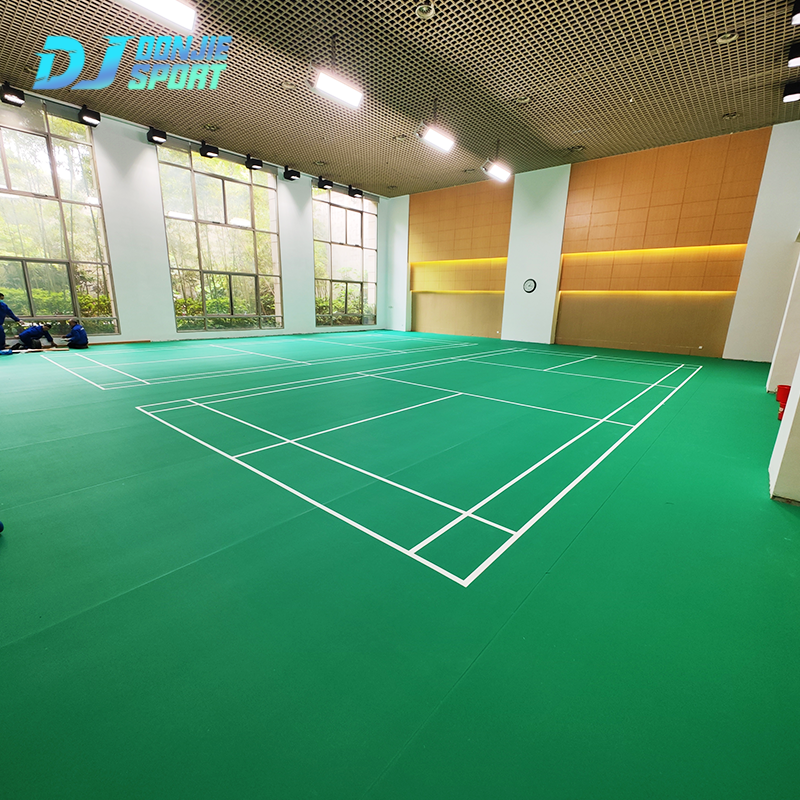
PVC flooring is one of the most widely used options in sports hall design due to its versatility, durability, and easy maintenance. It’s an excellent choice for multi-purpose sports halls that host various activities. PVC sports flooring offers a smooth surface that reduces injury risk while providing excellent traction for most sports, including basketball, volleyball, and indoor soccer. It also provides better shock absorption compared to hard surfaces like concrete.
Wood Flooring: Traditional Choice for Multi-Sport Venues
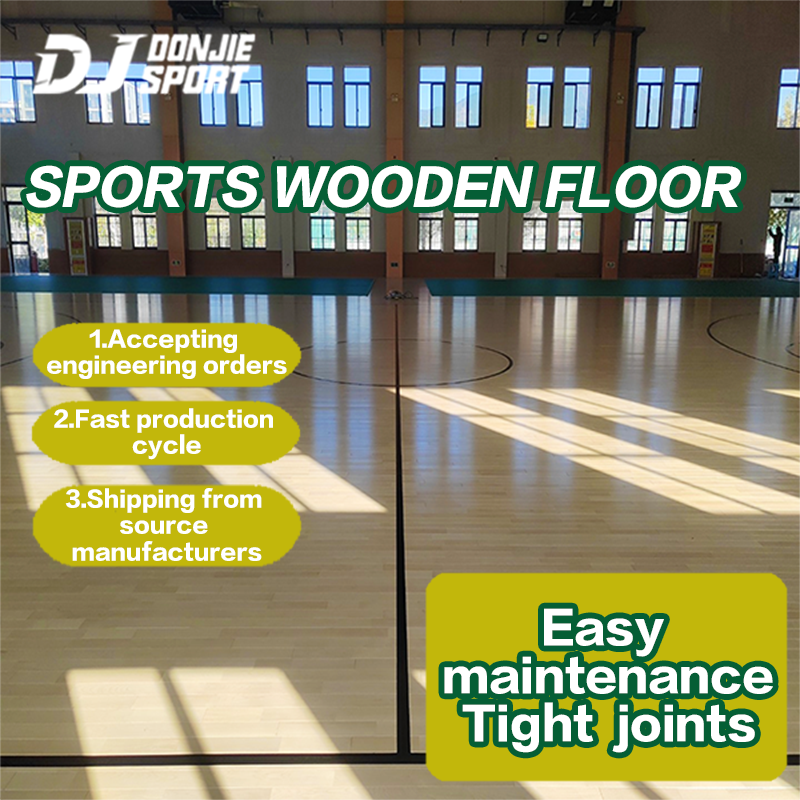
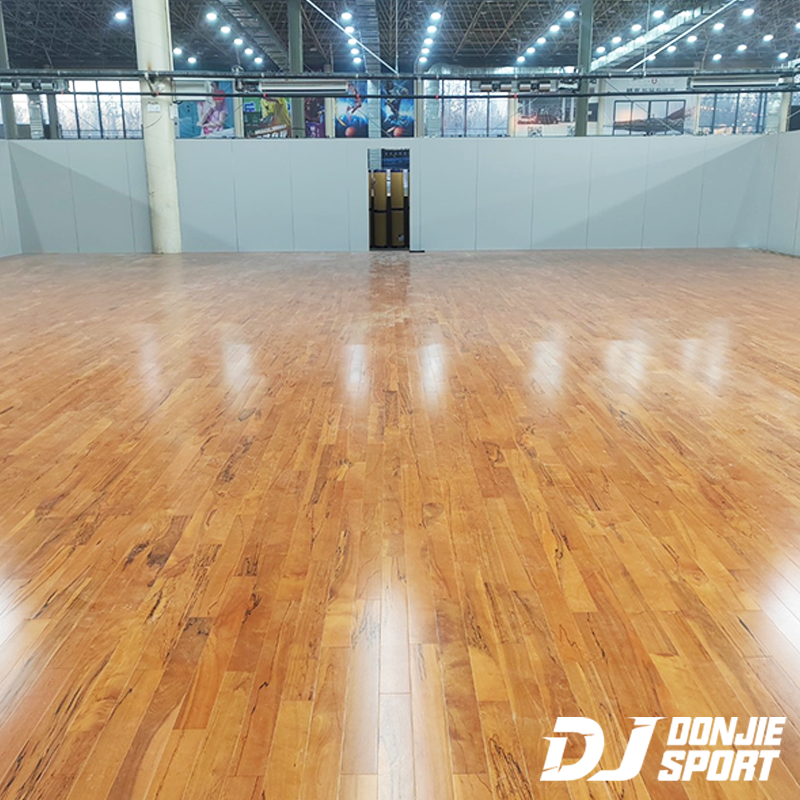
Wood flooring, particularly maple, is a classic choice for sports halls. It’s often preferred for indoor courts like basketball and volleyball due to its natural appearance and superior shock absorption properties. Wood floors also offer consistent performance over time and, with proper maintenance, can last for decades. However, they require periodic refinishing and are less suited for environments that experience high moisture levels or extreme wear.
Rubber Flooring: Durability and Shock Absorption
Rubber flooring is another popular option for sports halls, especially those used for fitness or gymnastics. It’s highly durable, resistant to impact, and offers excellent shock absorption. Rubber flooring is perfect for areas with heavy equipment or high foot traffic as it withstands wear and tear effectively. Additionally, rubber is slip-resistant and can be customized in various colors and textures to match the aesthetic of the facility.
Other Alternatives: Composite and Hybrid Options
Composite and hybrid flooring systems combine the best qualities of multiple materials, such as wood and PVC or rubber and vinyl. These flooring types often offer the best of both worlds – the look and feel of natural materials with the performance and durability of synthetic options. These systems can be customized to suit specific needs, offering advantages in terms of both performance and design.
Long-Term Value of High-Quality Flooring
While the initial cost of high-quality flooring may be higher than cheaper alternatives, it’s important to consider the long-term value it brings to the sports hall.
Durability and Maintenance Considerations
Investing in high-quality flooring ensures long-term durability, requiring less frequent repairs or replacements. For example, PVC and rubber floors are resistant to fading, staining, and damage, reducing the need for costly upkeep. With proper maintenance, premium flooring can withstand heavy use for many years, ultimately saving money on replacement and repairs.
The Cost-Effectiveness of Investing in Premium Flooring
Although premium flooring options may come with a higher upfront cost, their durability and minimal maintenance requirements offer excellent value over time. Quality flooring reduces downtime for repairs and ensures that the facility remains open and operational, providing ongoing revenue. Additionally, high-quality floors maintain their aesthetic appeal, helping to preserve the facility’s reputation and attracting more events and activities.
How High-Quality Flooring Impacts Long-Term Facility Management
Facilities with high-quality flooring benefit from reduced management challenges. With floors that require less maintenance and are more resistant to wear, facility managers can focus their attention on other critical areas of operation. The cost of maintenance and repairs is lower, and the long lifespan of premium flooring reduces the need for frequent replacements, contributing to smoother facility operations.
How Flooring Impacts Facility Aesthetics and Brand Image
A sports hall’s flooring doesn’t just serve a functional purpose; it also plays a role in the facility’s aesthetics and overall brand image.
The Visual Appeal of a Well-Designed Sports Hall
The right flooring can dramatically enhance the visual appeal of a sports hall. Whether it’s a sleek, modern PVC surface or a polished wood court, the floor sets the tone for the entire venue. A visually striking floor can create a welcoming atmosphere for athletes, spectators, and sponsors. It also contributes to a clean, professional image that aligns with the goals of the facility.
Creating a Professional Environment for Athletes and Spectators
Well-chosen flooring contributes to the professional environment of the sports hall, making it more inviting for athletes and spectators alike. A well-maintained floor can make the space feel more polished and refined, instilling a sense of pride and respect for the venue. This enhances the overall experience and contributes to a positive reputation for the facility.
Flooring as a Branding Tool for Sports Facilities
Many sports facilities use flooring as a branding tool, incorporating logos or custom designs into the floor. A branded floor helps create a unique identity for the sports hall, setting it apart from other venues. Custom designs can represent the facility’s values, enhancing its marketing and promotional efforts.
Sustainability and Eco-friendly Flooring Solutions
As sustainability becomes a priority in modern design, more facilities are turning to eco-friendly flooring options.
The Rise of Sustainable Flooring Materials
Sustainable flooring options, such as recycled rubber or eco-friendly PVC, are gaining popularity for sports halls. These materials offer high performance without compromising environmental responsibility. Sustainable flooring options are made from recycled materials, reducing waste and the environmental footprint of the facility.
Benefits of Choosing Eco-Friendly Options for Sports Halls
Eco-friendly flooring options not only reduce environmental impact but also offer health benefits. Non-toxic, low-emission materials contribute to better air quality within the sports hall, ensuring a healthier environment for athletes and staff. Choosing sustainable flooring also enhances the facility’s reputation as an environmentally responsible venue, which can attract eco-conscious clients and events.
Long-Term Environmental and Economic Benefits
While eco-friendly flooring may carry a higher initial cost, the long-term environmental and economic benefits far outweigh the investment. These materials are often more durable, requiring less frequent replacement and reducing landfill waste. Additionally, facilities that prioritize sustainability may attract more sponsorship and funding opportunities from eco-conscious organizations.
The Role of Flooring in Multi-Purpose Venues
Sports halls often serve as multi-purpose venues, hosting a range of events from sporting competitions to community gatherings.
How Flooring Can Accommodate Diverse Sports and Events
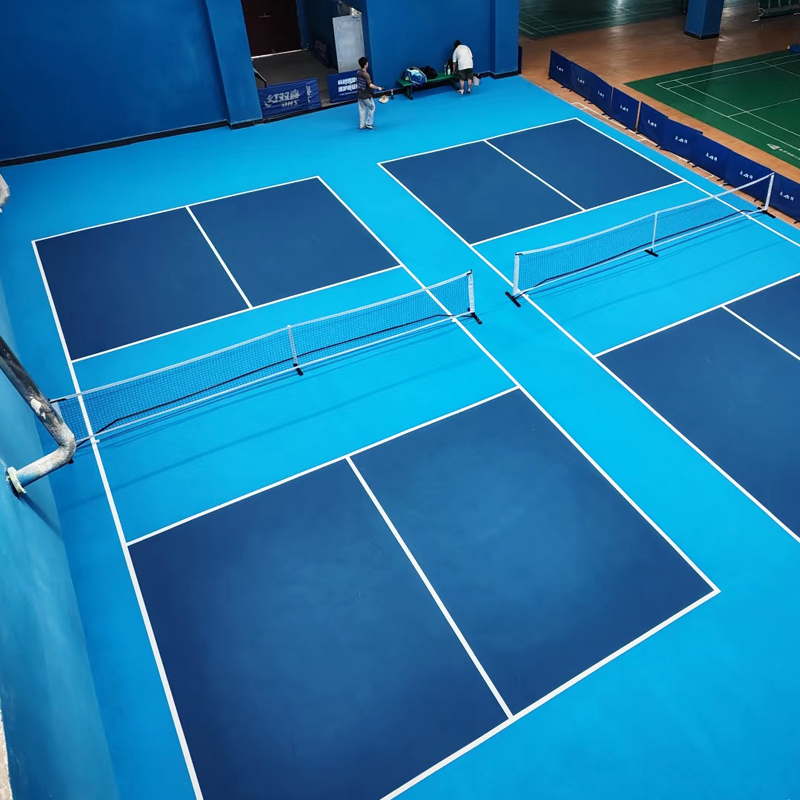
Multi-purpose sports halls require versatile flooring that can accommodate various sports and events. Flooring solutions like PVC and rubber can be adapted for use in different settings, offering the flexibility needed for multiple activities. Whether it’s hosting a basketball game, a fitness class, or a concert, the flooring should support a variety of events while maintaining high performance.
Customization of Flooring for Specific Sports Hall Requirements
Customized flooring solutions allow facility owners to design a floor that meets their specific needs. From unique color schemes to special markings for different sports, custom flooring ensures that the facility is tailored to the activities taking place. These solutions offer both functionality and aesthetic appeal, making the facility more versatile and attractive to a wide range of users.
Making Sports Hall Flooring a Top Priority
In conclusion, flooring should be a priority when designing a sports hall. The right flooring enhances safety, boosts athlete performance, ensures long-term value, and supports the overall functionality of the venue. Choosing the right materials, such as PVC, wood, or rubber, based on the specific needs of the sports hall can make a significant difference in both the immediate and long-term success of the facility.
Whether the priority is durability, eco-friendliness, or versatility, selecting high-quality flooring is an investment that will pay off for years to come, providing a safe, professional, and aesthetically pleasing environment for all users.