When it comes to choosing the right flooring for basketball courts, hardwood floors have long been considered the gold standard. Whether in professional arenas or high school gyms, the iconic wooden courts are synonymous with the sport itself. But what makes hardwood basketball floors stand out from the rest?
In this article, we’ll explore the reasons why hardwood floors are the preferred choice for basketball courts across the world. From performance and safety to aesthetic appeal, hardwood floors offer a range of benefits that make them a timeless option for basketball courts of all levels. We’ll also touch on the installation and maintenance requirements, ensuring that basketball court owners understand what goes into maintaining this premium flooring.

What Makes Hardwood Basketball Floors Unique?
Hardwood basketball floors are crafted from a specific type of wood, often maple, which is known for its durability, flexibility, and smooth finish. The unique properties of hardwood make it the ideal choice for basketball courts, providing a balance of speed, comfort, and safety.
One of the key features of hardwood is its natural ability to handle high-impact forces. The wood’s fibers offer a strong yet resilient surface that allows players to pivot and jump with ease. This resilience helps reduce the stress on athletes’ joints, providing a safer playing environment. Moreover, the polished surface of hardwood is incredibly smooth, reducing the risk of injuries caused by slipping or uneven surfaces.
In terms of construction, hardwood basketball floors typically consist of multiple layers, including the wood itself, a cushion underlayment, and sometimes a protective topcoat to ensure long-lasting durability. The combination of materials allows the floor to absorb shock, enhancing player comfort without compromising performance.
Benefits of Hardwood Basketball Floors
Performance Advantages for Players
Hardwood basketball floors offer excellent traction, allowing players to perform sharp cuts, quick stops, and high-speed runs with minimal risk of slipping. The smooth yet slightly textured surface of hardwood ensures that players can maintain control of their movements, which is crucial during high-intensity games. The floor’s responsiveness to the player’s movements allows for better footwork, agility, and overall performance.
Shock Absorption and Injury Prevention
One of the most important benefits of hardwood basketball floors is their shock-absorbing qualities. The layers beneath the hardwood surface help cushion the impact of jumps and falls, significantly reducing the risk of injuries such as sprains, fractures, and joint stress. This is especially important in basketball, where players frequently jump and land, and high-impact movements are an inherent part of the game.
Durability and Longevity
Hardwood floors are incredibly durable when properly installed and maintained. The solid wood structure is resistant to wear and tear, meaning that even with constant use, these floors can last for decades. With proper care, a hardwood court can maintain its integrity and smoothness, making it a worthwhile investment for basketball programs, schools, and sports facilities.
Aesthetic Appeal of Hardwood Basketball Floors
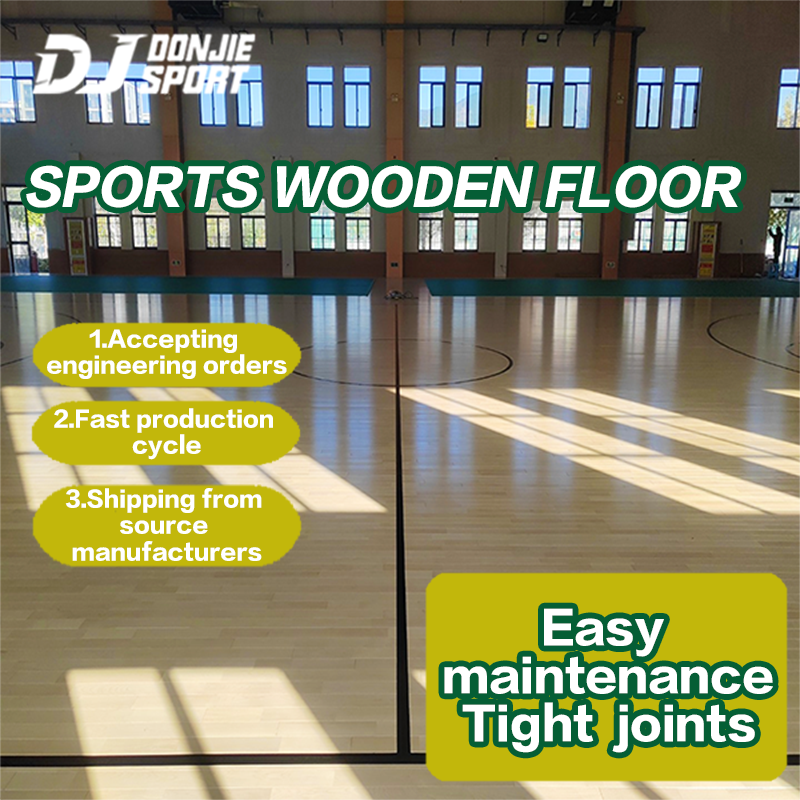
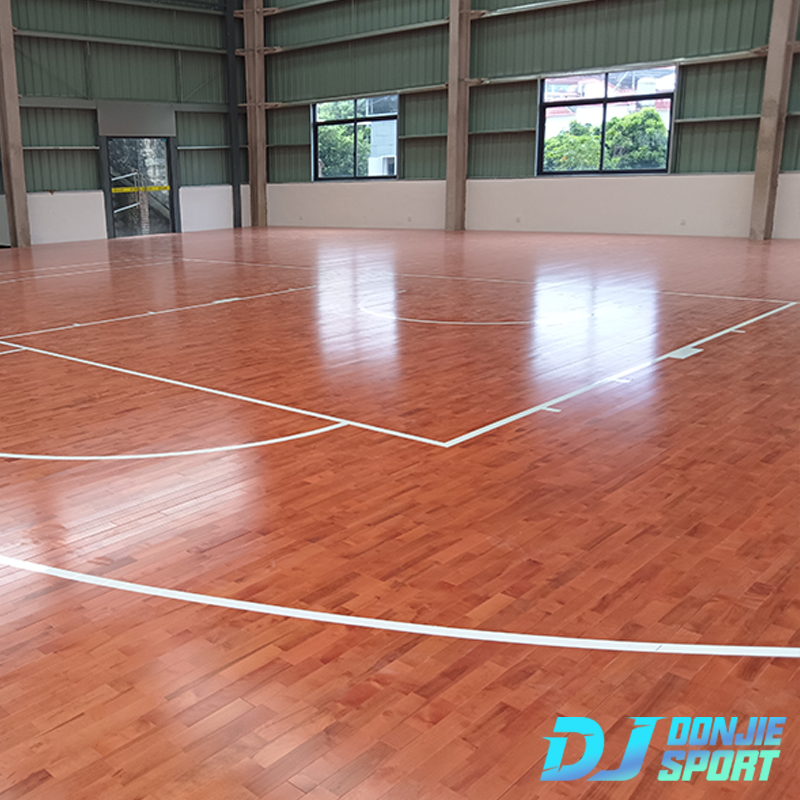
There’s no denying the visual appeal of hardwood basketball floors. The rich, polished wood grain creates a professional and inviting atmosphere, enhancing the overall aesthetic of the basketball court. The natural sheen of hardwood, combined with vibrant court markings and logos, gives the court a polished, high-end look that enhances the game-day experience for both players and spectators.
In addition, hardwood floors can be customized with team logos, colors, and specific court designs, allowing each arena to showcase its unique identity. This versatility adds to the floor’s visual charm and makes it an essential component of a high-quality basketball facility.
Why Hardwood Is Preferred in Professional and Collegiate Settings
Hardwood floors are the standard in professional basketball arenas, including those in the NBA and NCAA. This widespread preference is due to the superior performance and safety features hardwood offers, which are vital in competitive environments.
For example, the NBA has stringent requirements when it comes to court surfaces, with specific regulations for dimensions, materials, and performance characteristics. Hardwood floors meet these high standards, ensuring that players can perform at their peak level without being hindered by subpar flooring.
Additionally, hardwood courts provide a consistent playing surface across all levels of play, making them an essential choice for teams and organizations aiming to maintain professional-grade conditions. This consistency helps players transition seamlessly between practice sessions, games, and tournaments.
Installation Process for Hardwood Basketball Floors
Installing hardwood basketball floors is a detailed and precise process that requires professional expertise. The installation begins with laying a subfloor that acts as the base, ensuring proper drainage and stability. Next, hardwood planks are meticulously arranged and secured, with the grain running in the correct direction for optimal playability.
It’s also important to account for proper padding or underlayment beneath the hardwood to enhance shock absorption. Once the wood is installed, the surface is sanded smooth, and a protective finish is applied to prevent damage from moisture, wear, and chemicals. This process can take several days to complete, ensuring that the floor meets the high-performance standards expected in professional courts.
Maintenance and Care of Hardwood Basketball Floors
To maintain the beauty and longevity of hardwood basketball floors, regular cleaning and care are essential. Sweeping and mopping the court frequently helps remove dust and debris, which can cause scratches over time. Specialized cleaning solutions are used to preserve the wood’s shine without damaging the surface.
Periodically, hardwood floors may require refinishing to restore their appearance and smoothness. Refinishing involves sanding down the surface and applying a new coat of protective finish, which can prolong the floor’s lifespan for many more years. It’s important to follow the manufacturer’s recommendations for cleaning and refinishing to ensure the floor stays in optimal condition.
Challenges and Drawbacks of Hardwood Basketball Floors
While hardwood basketball floors are the preferred choice for many, there are some challenges to consider. One of the most notable drawbacks is the cost. Hardwood floors are more expensive to install than other flooring options, such as synthetic surfaces or rubber. Additionally, the installation process can be lengthy and may require professional services, further increasing the overall investment.
Another challenge is the maintenance. While hardwood floors are durable, they are also sensitive to humidity and moisture. If not properly maintained, they can warp or crack, which can be costly to repair. As such, regular upkeep is critical to ensure that the floor continues to perform at its best.
The Future of Hardwood Basketball Floors
Despite the emergence of alternative flooring options, hardwood basketball floors continue to evolve. Innovations in wood treatment and flooring technology have made hardwood floors even more durable and performance-enhancing. New coatings and finishes are being developed that make the floors more resistant to wear, scratches, and environmental factors.
In the future, we may also see the integration of smart technologies into hardwood floors, such as sensors that track player movements or help monitor the condition of the floor. These advancements will further solidify hardwood’s position as the gold standard in basketball flooring.
Conclusion
Hardwood basketball floors remain the gold standard for courts due to their unmatched performance, durability, and aesthetic appeal. They provide an ideal surface for athletes to perform their best while reducing the risk of injury. Whether in professional arenas or local gyms, hardwood courts continue to offer the best experience for players and fans alike.
From installation to maintenance, hardwood floors require careful attention, but their long-lasting benefits make them a worthwhile investment. As technology and materials continue to evolve, hardwood will likely remain the top choice for basketball courts for years to come.