Basketball is a fast-paced, dynamic sport where performance hinges not only on players’ skills but also on the quality of the court they play on. Among various flooring options available, hardwood floors have long been regarded as the gold standard for professional basketball courts. While modern alternatives like rubber or synthetic floors are gaining traction in some areas, hardwood remains the undisputed choice in professional arenas, from the NBA to local gymnasiums. In this article, we’ll explore why hardwood basketball floors are essential for creating a top-tier playing environment, focusing on their unique characteristics, impact on player performance, and their role in creating iconic courts.
The Unique Characteristics of Hardwood Basketball Floors
Hardwood basketball floors are known for their durability and exceptional performance features. These floors are specifically designed to withstand the intense physical demands of professional basketball while providing an optimal playing surface for athletes. The key characteristics that make hardwood floors stand out include their strength, aesthetic appeal, and performance-enhancing qualities.
Durability and Strength: Why Hardwood Stands the Test of Time
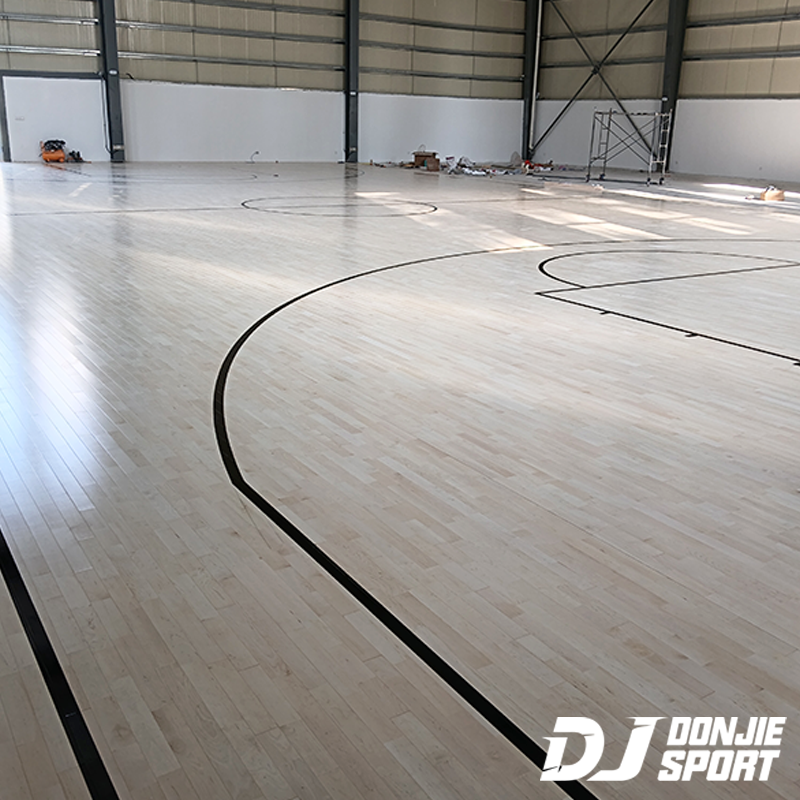
One of the primary reasons hardwood floors are favored in professional basketball courts is their remarkable durability. When properly maintained, hardwood floors can last for decades. These floors are made from high-quality wood, often maple, known for its resilience and long-lasting qualities. The dense, tight grain of hardwood makes it less prone to wear and tear, even with constant use. This ensures that the court remains in excellent condition, providing a consistent playing surface for years to come.
Ideal Playing Surface: How Hardwood Affects Player Performance
Wooden floors are designed to provide a balance between grip and slide. Unlike synthetic surfaces that can feel either too slippery or too sticky, hardwood flooring offers a perfect blend of traction. This helps players to move freely while maintaining control over their speed and direction, which is crucial for high-level gameplay. Additionally, hardwood floors support uniform bounce and ball handling, which makes the game more predictable and fair for players on both teams.
Visual Appeal: Aesthetic Qualities of Hardwood Floors in Professional Courts
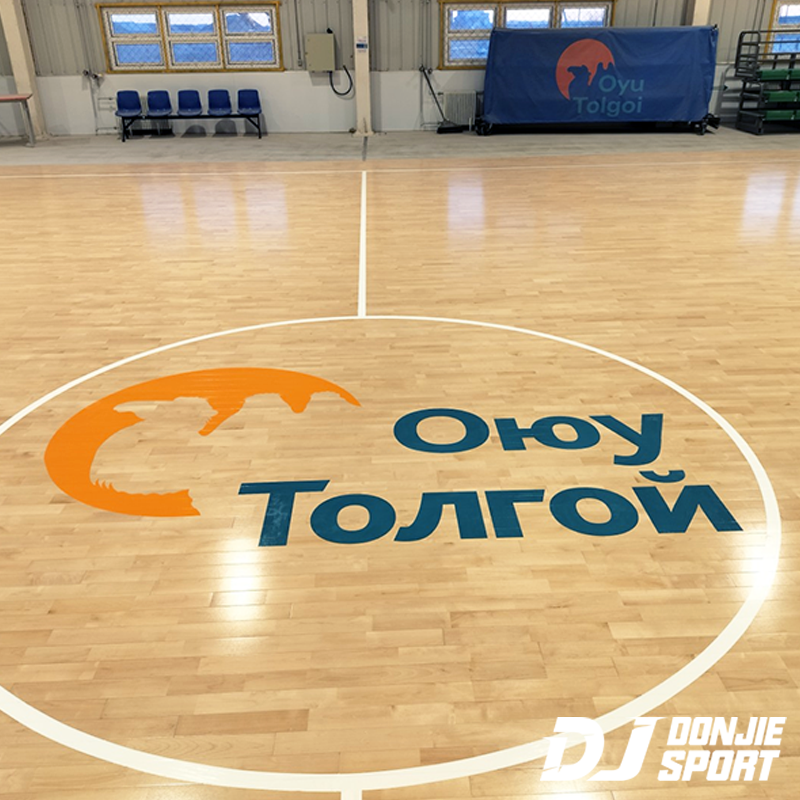
Beyond functionality, hardwood flooring also adds an undeniable visual appeal. Its rich texture, smooth finish, and warm tones make hardwood courts stand out as iconic features of basketball arenas. The polished shine of hardwood is visually stunning under arena lights, creating an electric atmosphere during live games. It also provides ample opportunities for branding, as teams often incorporate their logos or custom designs into the court layout.
The Role of Hardwood Floors in Enhancing Performance
Hardwood floors don’t just enhance the visual appeal of a court—they play a crucial role in improving the performance of basketball players. These floors are engineered to enhance the overall gameplay experience by providing optimal conditions for athletes to excel.
Traction and Grip: How Hardwood Provides Optimal Traction for Players
The right level of grip is essential for players who need to make quick cuts, jump, and pivot frequently. Hardwood floors deliver consistent traction, which allows players to maintain their footing while sprinting or executing complex movements. This traction helps prevent accidental slips and falls, which can lead to injuries. Moreover, the right amount of grip makes it easier for players to perform skillful maneuvers, like sharp turns or fast direction changes, giving them an edge over opponents.
Consistency in Bounces: Why Hardwood Ensures Predictable Ball Bounces
Unlike synthetic surfaces that may alter the bounce due to varying textures, hardwood provides a consistent and predictable bounce, which is essential for both players and coaches. With a uniform playing surface, players can anticipate the trajectory of the ball, improving their ability to catch and control passes. The consistency in bounce is crucial during fast-paced transitions and shooting drills, where precision and timing are key.
Injury Prevention: Hardwood’s Ability to Absorb Shock and Reduce Injuries
Professional basketball players put their bodies through intense physical stress, so reducing the risk of injury is a top priority. Hardwood floors help absorb some of the shock generated by high-impact activities like jumping and landing. This is essential in minimizing the stress on players’ joints, particularly their knees and ankles. Additionally, hardwood floors are less likely to develop uneven surfaces over time, which could lead to tripping or twisting injuries.
Why Hardwood is the Preferred Choice for Professional Leagues
The use of hardwood basketball floors in professional leagues like the NBA and NCAA is no coincidence. These floors are regarded as the best choice due to their unmatched quality, performance benefits, and long-term value.
NBA and NCAA Standards: The Widespread Use of Hardwood in Top Leagues
It’s no secret that the NBA, NCAA, and other top-tier basketball leagues prioritize hardwood flooring for their arenas. The reason is simple—hardwood floors deliver a superior playing experience. In fact, every NBA team plays on hardwood floors, making them a staple of professional basketball culture. The uniformity, safety, and performance advantages of hardwood are fundamental to ensuring the high standard of play that these leagues demand.
Longevity and Cost-Effectiveness: A Long-Term Investment for Professional Facilities
While the initial cost of installing hardwood flooring can be higher than synthetic alternatives, the longevity of hardwood floors offers significant long-term savings. Due to their durability, hardwood floors require fewer repairs and replacements, making them a more cost-effective option in the long run. Professional basketball courts that choose hardwood flooring are making a wise investment that will serve them well for years.
Maintenance Benefits: Easy to Clean and Maintain Compared to Other Flooring Types
Hardwood floors are relatively easy to maintain compared to other types of flooring. A well-maintained hardwood court only needs periodic sanding, refinishing, and cleaning to keep it looking pristine. This is far less labor-intensive than maintaining synthetic floors, which may require more frequent repairs or replacements due to wear and tear. Hardwood floors can also withstand heavy cleaning without degrading, ensuring that the court remains in playable condition.
The Science Behind Hardwood Basketball Flooring
Hardwood floors are not just aesthetically pleasing—they are carefully engineered to provide the best performance. Understanding the science behind these floors reveals why they are the preferred choice for professional basketball courts.
Material Composition: Types of Hardwood Used in Professional Basketball Courts
The type of wood used in basketball flooring is crucial for its durability and performance. Maple is the most commonly used wood for hardwood basketball floors due to its dense, tight grain and uniform texture. This wood is strong enough to withstand high-impact play while also providing a smooth, predictable surface. Other hardwoods may also be used, but maple’s ability to handle extreme pressure and frequent use makes it the ideal material for basketball courts.
Construction and Installation: How Hardwood Floors Are Installed to Ensure Top-Notch Performance
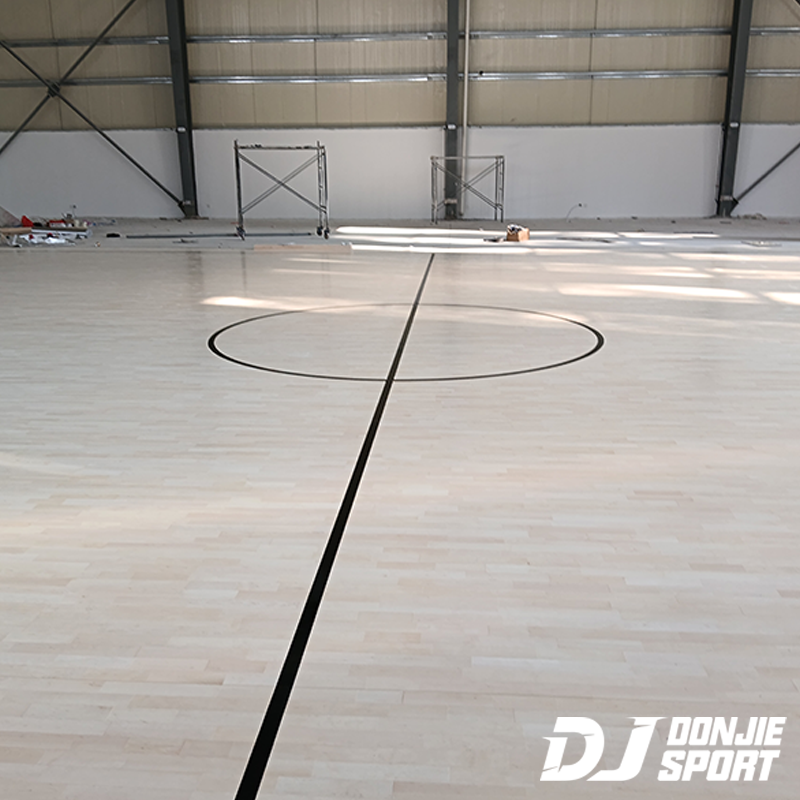
Installing hardwood basketball floors requires precision and expertise. The floors are constructed in interlocking panels that are secured tightly to prevent shifting during play. Additionally, the subfloor is often equipped with shock-absorbing features to further reduce the impact on players. Proper installation ensures that the court will provide a consistent and safe playing surface for years.
Environmental Factors: How Hardwood Flooring Withstands Varying Temperature and Humidity
Hardwood floors are designed to handle the challenges posed by temperature and humidity. They expand and contract with changes in the environment, but this is accounted for during installation. Climate-controlled arenas can minimize these shifts, but hardwood floors are still more resilient to temperature fluctuations than many synthetic options, making them a reliable choice for high-level competition.
The Aesthetic Value of Hardwood Basketball Floors
Hardwood flooring is not just functional; it also serves an aesthetic purpose in professional basketball arenas. The visual impact of a hardwood court cannot be overstated, as it significantly contributes to the overall experience of watching the game.
Enhancing Court Design: The Role of Hardwood in Creating Visually Stunning Courts
Hardwood courts provide a timeless and classic look that enhances the overall design of the arena. The rich, natural colors and smooth finish of hardwood add a layer of sophistication to the court. Whether in a large arena or a smaller gymnasium, hardwood floors elevate the space, making it feel professional and inviting.
Branding Opportunities: Custom Designs and Team Logos on Hardwood Surfaces
One of the most notable features of hardwood floors is the opportunity for customization. Teams often incorporate their logos, names, and other branding elements into the floor design. This not only makes the court uniquely theirs but also adds a level of prestige to the team’s home arena.
Iconic Basketball Arenas: Famous Courts with Hardwood Flooring
Some of the most iconic basketball arenas around the world are known for their hardwood floors. Courts like the Boston Celtics’ TD Garden and the Los Angeles Lakers’ Crypto.com Arena have become legendary due to the hardwood floors that have hosted countless historic moments in the sport.
Challenges and Considerations with Hardwood Floors
While hardwood basketball floors offer numerous benefits, they also come with some challenges that must be considered before installation.
Initial Cost vs. Long-Term Value
The upfront cost of installing hardwood floors can be significant compared to other types of flooring. However, given the durability and longevity of hardwood, the initial investment pays off over time, making it a cost-effective choice for professional courts.
The Need for Regular Maintenance
Hardwood floors require regular maintenance, including periodic refinishing and cleaning. Over time, the floor can show signs of wear in high-traffic areas, requiring professional attention to restore its quality. However, the maintenance required is relatively low compared to other flooring types.
Potential for Wear and Tear in High-Traffic Areas
In areas of the court where players frequently pivot or stop suddenly, the hardwood may experience wear and tear. It’s essential to regularly inspect and maintain these areas to ensure the floor remains safe and functional.
Conclusion
Hardwood floors have long been the cornerstone of professional basketball courts due to their durability, performance benefits, and aesthetic appeal. Their ability to provide the ideal surface for high-level play—offering consistent bounces, excellent traction, and injury prevention—makes them the clear choice for top-tier arenas. Despite the higher initial costs and maintenance requirements, hardwood floors provide long-term value that synthetic alternatives simply cannot match. Ultimately, hardwood basketball floors are not just a surface—they are a critical component of the game, contributing to both player performance and the overall experience for fans.