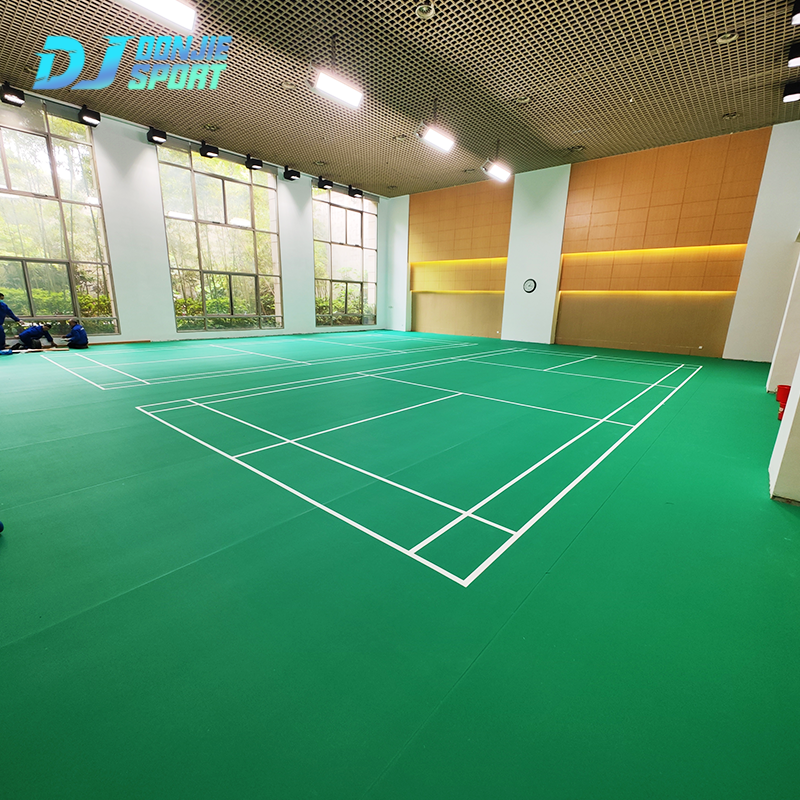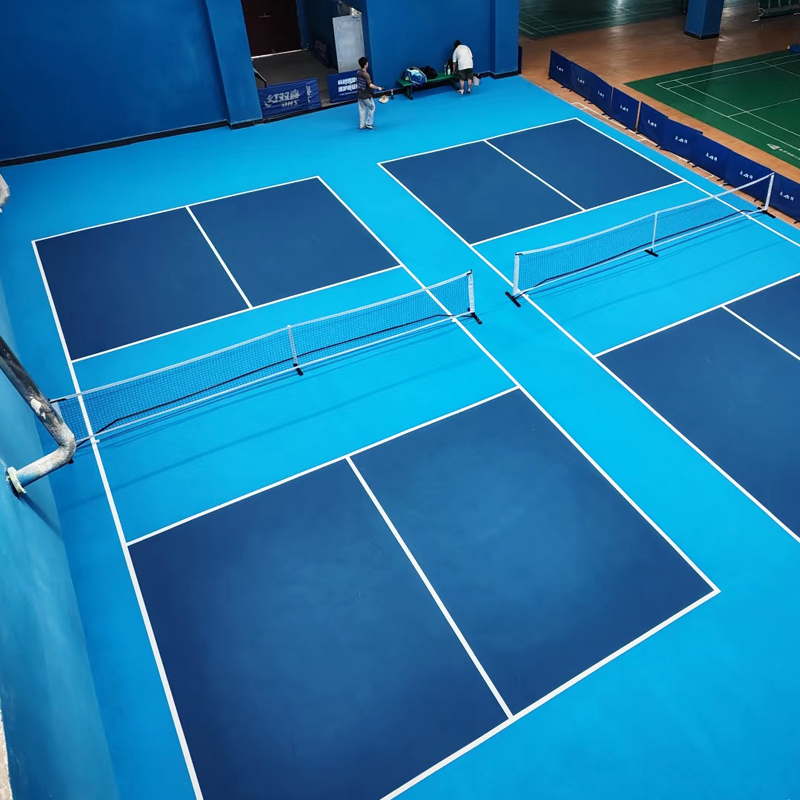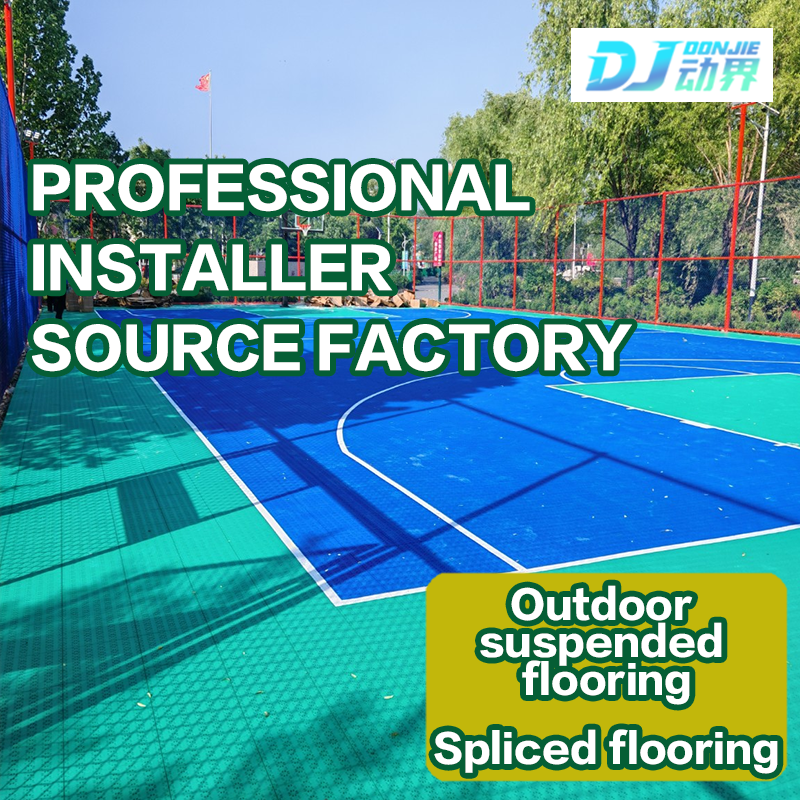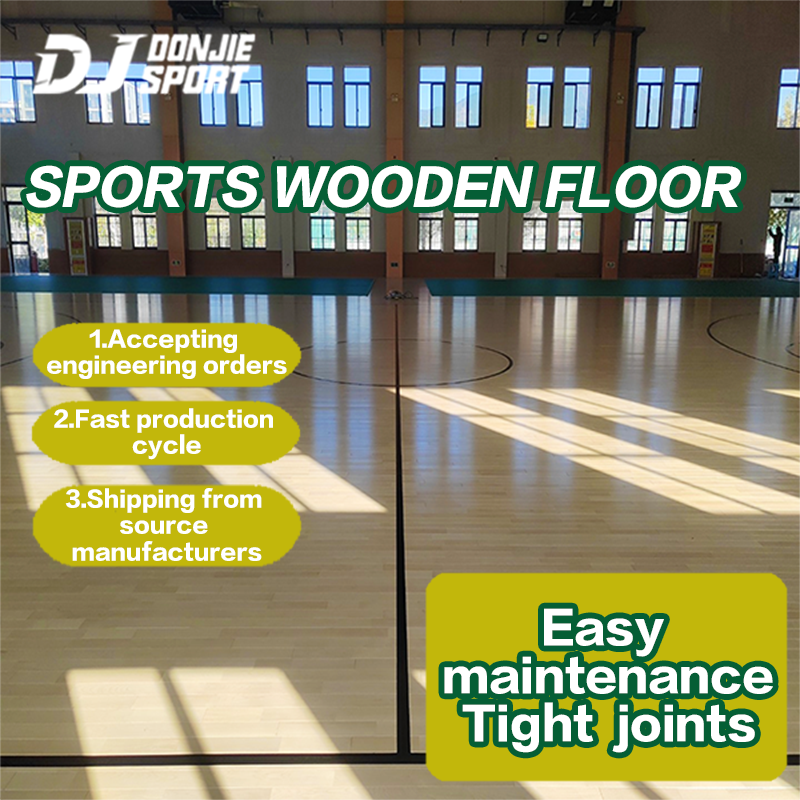
When designing an indoor sports facility, one of the most critical decisions to make is choosing the right flooring. The choice between PVC (Polyvinyl Chloride) and PP (Polypropylene) flooring plays a pivotal role in the functionality, safety, and overall performance of the court. While both materials are commonly used for sports courts, PVC flooring has become the preferred choice for many indoor sports venues due to its superior durability, shock absorption, comfort, and low maintenance. In this article, we will explore why PVC flooring outperforms PP flooring in various essential areas and why it’s the best option for indoor sports courts.
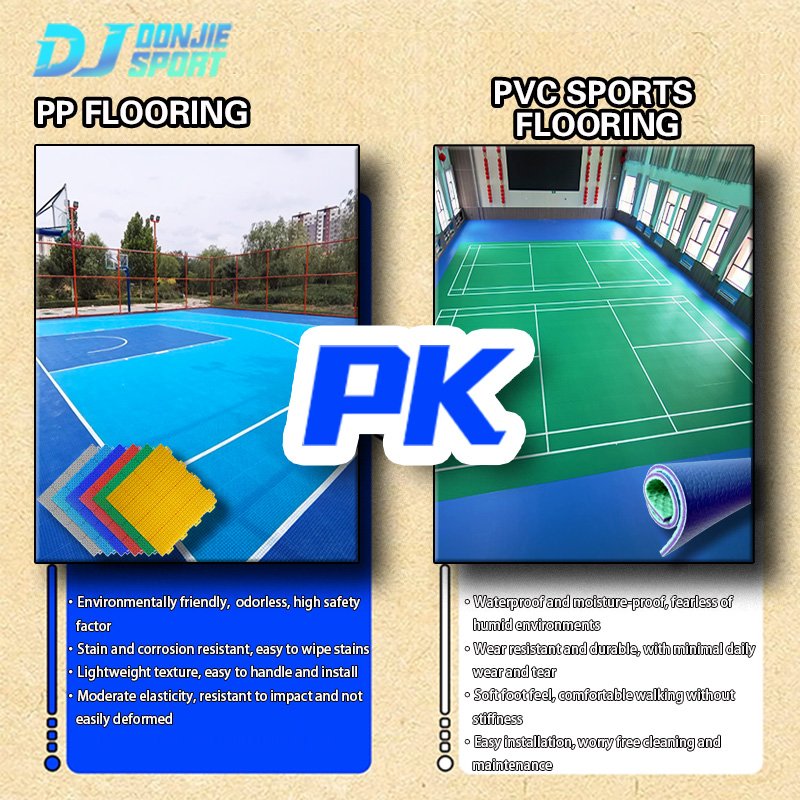
Durability and Longevity: PVC vs. PP Flooring
Durability is a crucial factor when selecting flooring for high-traffic areas like sports courts. PVC flooring stands out due to its exceptional resistance to wear and tear. It can withstand heavy foot traffic, intense sporting activities, and the constant movement of players without showing signs of damage or degradation. This resilience is largely due to the structure of PVC, which is more robust and resistant to abrasions than PP flooring.
In contrast, PP flooring, while durable to some extent, tends to wear down faster under the same conditions. It can be more susceptible to scratching, scuffing, and fading over time, especially when exposed to high levels of foot traffic or abrasive cleaning methods. PVC flooring, on the other hand, retains its quality for a much longer period, making it a more cost-effective long-term investment.
Shock Absorption and Safety
One of the most important considerations for any indoor sports court is the safety of its players. Flooring that can absorb shock and reduce the impact on joints and muscles is essential for minimizing injuries during play. PVC flooring excels in this aspect, as it is engineered with high-performance cushioning properties that provide optimal shock absorption. This helps reduce the risk of strain and stress on the body, ensuring a safer environment for athletes.
While PP flooring does offer some degree of shock absorption, it does not match the level of comfort and protection that PVC flooring provides. PP flooring is generally stiffer and does not offer the same level of cushioning, which can lead to higher stress on athletes’ bodies over time. For sports that require quick movements, such as basketball or volleyball, the enhanced shock absorption of PVC flooring makes it the superior choice for preventing injuries and enhancing player performance.
Comfort and Player Performance
The comfort of the playing surface directly impacts athlete performance. PVC flooring offers a balanced combination of comfort and resilience, providing athletes with a firm yet cushioned surface that supports their movements. This is particularly beneficial for sports that involve sudden changes in direction, jumping, and sprinting. The ability of PVC flooring to maintain a comfortable level of firmness while still offering enough cushioning improves overall athletic performance by reducing fatigue and discomfort.
PP flooring, while it can provide a relatively smooth surface, often lacks the level of comfort that PVC flooring delivers. Its hardness can create a less forgiving surface, which may affect player agility and endurance, especially during prolonged sessions of intense play. With PVC flooring, athletes can perform at their best with less risk of discomfort or injury due to the ideal balance of support and cushion.
Maintenance and Cost-Efficiency
In any sports facility, the ease of maintenance is a key consideration for long-term success. PVC flooring is incredibly low maintenance, requiring only routine cleaning to keep it in excellent condition. Its resistance to stains, moisture, and dirt means that it doesn’t require frequent replacements or refinishing. This contributes to its cost-effectiveness over time, as facility owners can save on cleaning materials, labor, and any potential repairs.
On the other hand, PP flooring can be more challenging to maintain, especially when it starts to show signs of wear or discoloration. Cleaning PP flooring may also be more difficult, and over time, its ability to resist moisture and stains diminishes, leading to higher maintenance costs. The long-term durability of PVC flooring reduces the need for repairs and replacements, making it the more economical option in the long run.
Aesthetic Appeal and Design Flexibility
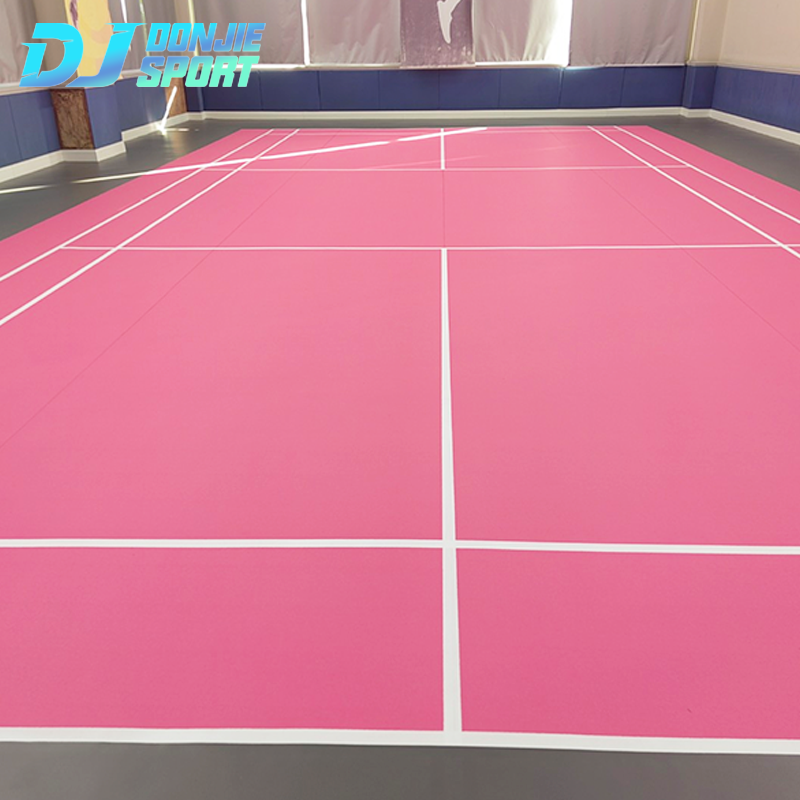
PVC flooring offers a significant advantage when it comes to design flexibility. Available in a wide range of colors, textures, and finishes, PVC flooring can be customized to match the branding, aesthetic, and functional needs of any indoor sports facility. Whether you’re creating a basketball court, a volleyball court, or a multi-purpose sports hall, PVC flooring can be tailored to enhance the visual appeal of the space.
In contrast, PP flooring has more limited design options and may not offer the same level of customization. The aesthetic flexibility of PVC flooring allows facility owners to create an engaging and professional atmosphere that enhances the overall experience for athletes and spectators alike. Additionally, the ability to integrate logos, patterns, and markings directly into the surface of PVC flooring ensures that the court can meet both functional and branding requirements.
Environmental Considerations
As sustainability becomes an increasingly important concern, PVC flooring stands out as the more environmentally friendly option compared to PP flooring. PVC flooring is recyclable and can be repurposed at the end of its life cycle, reducing its environmental impact. Manufacturers are also focusing on eco-friendly production methods, ensuring that PVC flooring is made with minimal waste and energy usage.
While PP flooring is also recyclable, its production processes and end-of-life disposal can be less efficient in comparison. Additionally, PVC’s ability to withstand long-term use without degradation means fewer resources are needed for repairs or replacements, making it a more sustainable choice over time. As more sports facilities prioritize eco-friendly solutions, PVC flooring offers a responsible option without compromising on performance or quality.
Conclusion
In conclusion, PVC flooring offers a wide range of benefits that make it the superior choice for indoor sports courts compared to PP flooring. Its exceptional durability, superior shock absorption, comfort, low maintenance requirements, aesthetic flexibility, and environmental advantages make it the ideal solution for any sports facility. Whether you’re upgrading an existing court or building a new one, investing in PVC flooring ensures long-term performance, safety, and cost-effectiveness.
By choosing PVC sport flooring for your indoor sports court, you can create a safer, more comfortable, and high-performing environment for athletes while also benefiting from lower maintenance costs and a sustainable flooring option.