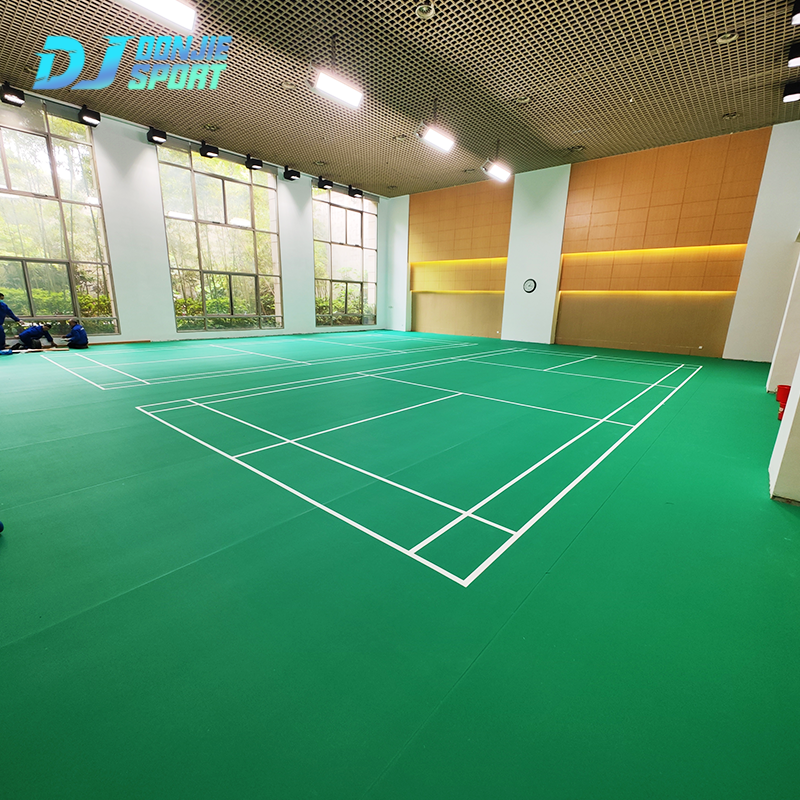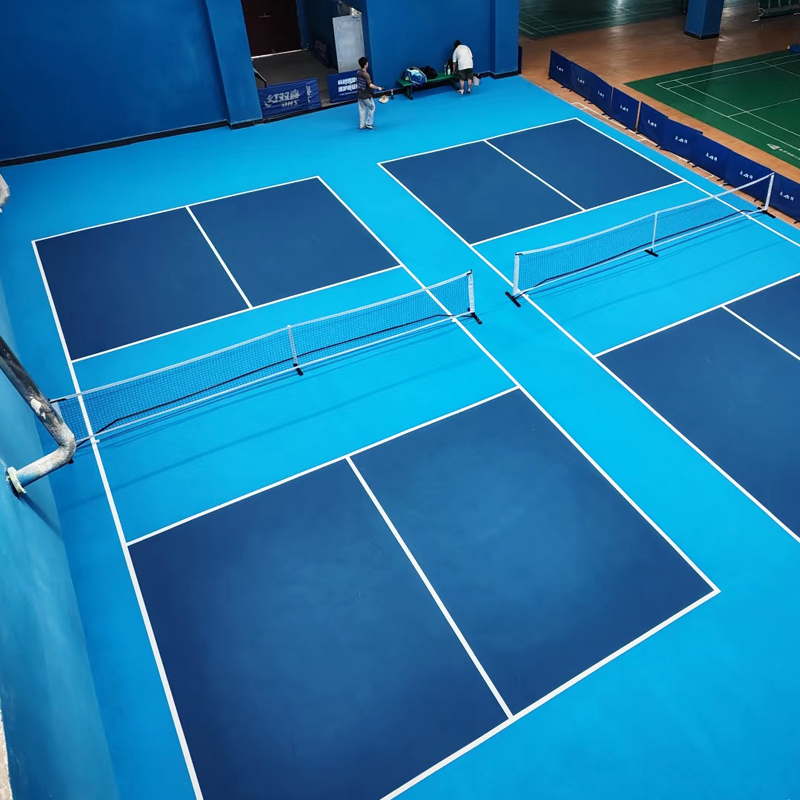
In the ever-evolving world of indoor sports facilities, the need for high-performance flooring has never been more critical. Whether it’s a basketball court, a volleyball arena, or a multi-purpose training facility, choosing the right flooring can make a significant difference in both the performance of athletes and the longevity of the court itself. Among the many options available, PVC sport flooring has emerged as the ultimate choice for modern indoor courts. With its superior durability, safety features, aesthetic appeal, and low maintenance requirements, PVC flooring meets the demanding needs of both sports professionals and facility owners alike.
What is PVC Sport Flooring?
PVC sport flooring is a type of resilient flooring specifically designed for use in indoor sports facilities. Made from polyvinyl chloride (PVC), this flooring material is engineered to deliver superior performance while maintaining a balance of comfort and safety. Unlike other types of flooring, PVC sport floors are often produced with advanced multi-layer construction, which provides added support and protection against wear and tear.
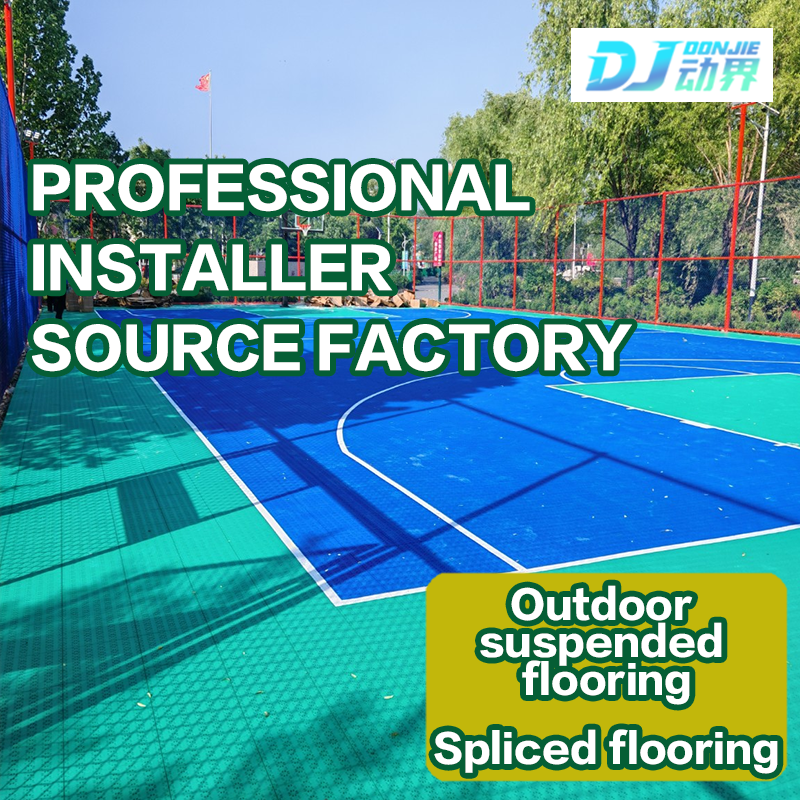
PVC flooring comes in various forms, including rolls and interlocking tiles, offering a range of customization options depending on the sports activity and facility layout. This flexibility makes PVC a versatile choice for basketball courts, volleyball arenas, multi-purpose training spaces, and even dance studios. With its ability to be tailored for specific needs, PVC flooring has become the preferred choice for modern indoor courts.
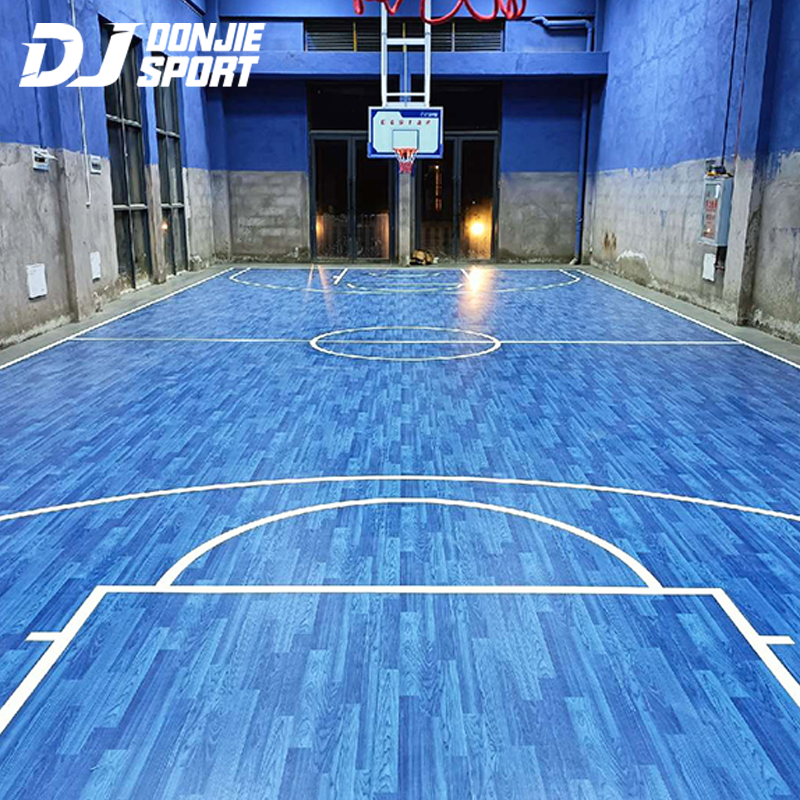
Durability and Longevity of PVC Sport Flooring
One of the standout benefits of PVC sport flooring is its exceptional durability. Designed to withstand the rigors of constant foot traffic, intense sports activity, and heavy equipment usage, PVC flooring is engineered to last for years without showing signs of significant wear.
Compared to other materials such as hardwood or rubber, PVC offers superior resistance to scratches, scuffs, and dents. This makes it an ideal option for high-traffic areas like sports courts that experience frequent use. The robust structure of PVC flooring is particularly advantageous in venues where games, tournaments, and practices take place daily.
Additionally, PVC’s resilience against moisture and humidity ensures that it can endure in environments like gyms, recreation centers, and sports halls where weather and indoor conditions can fluctuate. This makes PVC an excellent long-term investment for any indoor sports venue.
Safety Features of PVC Sport Flooring
Safety is a top priority when choosing flooring for indoor sports facilities, and PVC sport flooring excels in this aspect. With its anti-slip surface, PVC flooring reduces the risk of accidents caused by sudden stops or sharp movements, offering athletes greater stability during play.
PVC floors are also designed with impact absorption in mind. The material’s cushioning properties reduce the severity of falls, helping to prevent injuries, such as sprains, fractures, or joint strain. This feature is particularly important in sports like basketball, volleyball, and gymnastics, where athletes frequently jump or make fast directional changes.
Furthermore, PVC sport flooring meets various safety standards, including ASTM specifications, ensuring that it adheres to industry regulations for indoor sports surfaces. This makes PVC a reliable choice for any venue where athlete safety is paramount.
Aesthetic Appeal and Customization
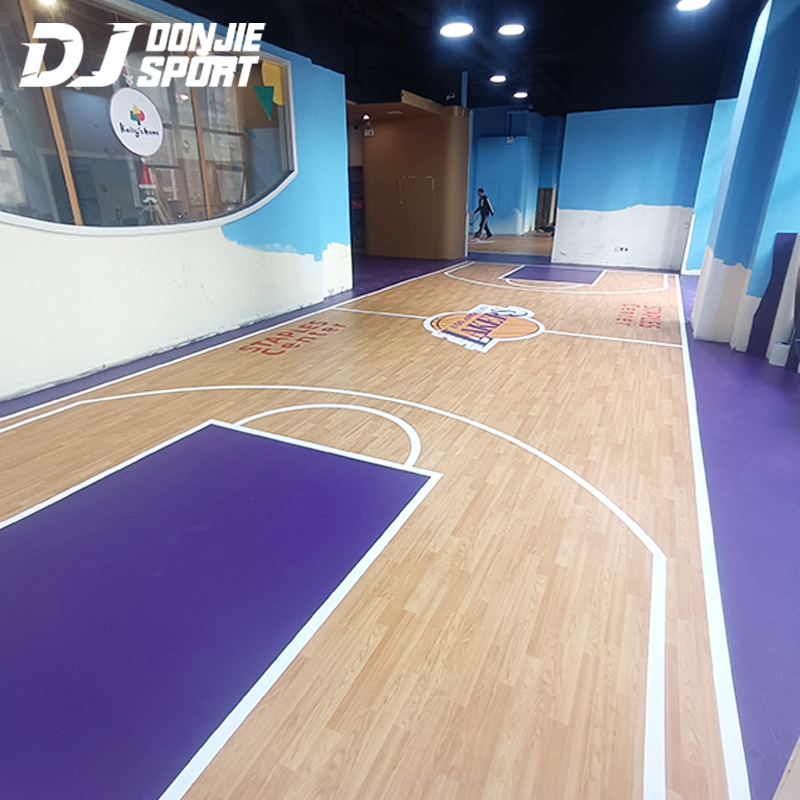
In addition to its functional benefits, PVC sport flooring is also highly customizable in terms of aesthetics. Available in a wide range of colors, patterns, and textures, PVC flooring can be designed to suit the branding or visual identity of a sports venue. Whether you’re looking to match school colors or create visually striking court markings, PVC flooring allows for complete flexibility in design.
Additionally, PVC flooring is versatile enough to accommodate specific markings for various sports. For instance, basketball courts, volleyball courts, and badminton courts can all be customized with precisely measured lines that meet professional standards. This flexibility not only enhances the functionality of the court but also adds to the overall visual appeal of the facility.
Maintenance and Cleanliness
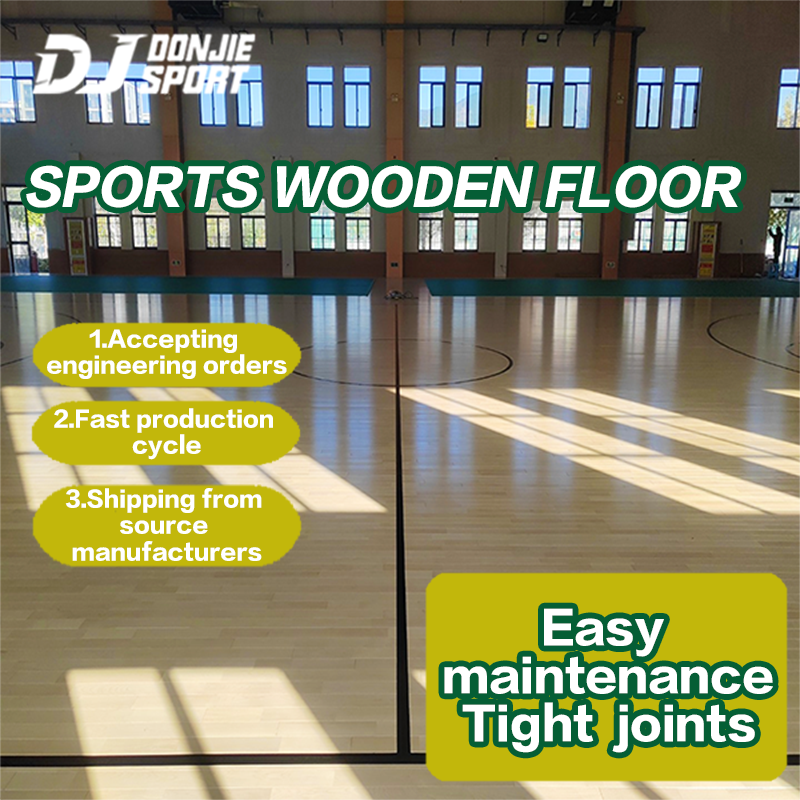
One of the key advantages of PVC sport flooring is its low maintenance requirements. Unlike hardwood floors, which require regular polishing and refinishing, PVC flooring is relatively easy to clean and maintain. The smooth, non-porous surface of PVC prevents dust, dirt, and moisture from seeping into the floor, making it resistant to stains and odors.
Routine cleaning of PVC flooring involves simple sweeping and mopping, ensuring that courts remain hygienic and visually appealing without the need for expensive upkeep. This makes PVC flooring an ideal solution for busy facilities where constant maintenance could disrupt activities. Over time, the ease of maintenance results in significant cost savings for facility owners, as they can avoid the high costs associated with refinishing or replacing worn-out floors.
Cost-Effectiveness of PVC Sport Flooring
When it comes to balancing performance with budget, PVC sport flooring provides an excellent return on investment. Although the initial cost of PVC flooring may vary depending on the specific product and installation requirements, it offers significant cost savings over the life of the floor.
One of the main reasons for this is the durability of PVC flooring, which requires less frequent replacement compared to other types of flooring materials. In addition to this, the low maintenance needs of PVC floors further reduce ongoing costs. Over time, PVC flooring proves to be a more cost-effective option for sports venues, providing both high performance and long-lasting value.
In comparison to hardwood flooring, which is often expensive to install and maintain, PVC flooring offers a much more affordable solution without compromising on quality or safety. This cost-effectiveness makes it an ideal choice for schools, community centers, and other facilities that require a high-performance surface on a budget.
Sustainability of PVC Sport Flooring
As sustainability becomes an increasingly important consideration in construction and renovation, PVC sport flooring stands out as an environmentally friendly option. Many PVC flooring products are made from recycled materials, and the production process is designed to minimize waste and energy consumption.
Moreover, PVC flooring is fully recyclable at the end of its life cycle, meaning that it can be repurposed into new products rather than ending up in landfills. This eco-conscious design makes PVC a sustainable choice for sports venues that aim to reduce their environmental impact while still meeting the needs of modern athletes.
Quick and Easy Installation
Another key benefit of PVC sport flooring is its quick and easy installation. Whether you choose rolled PVC or interlocking tiles, the installation process is straightforward and efficient, allowing for minimal downtime in sports facilities.
Interlocking PVC tiles, in particular, offer the added advantage of being easy to install without the need for specialized tools or professional help. This makes them a popular option for DIY projects or facilities looking to reduce installation costs. The flexibility of PVC flooring installation ensures that courts can be up and running in no time, making it an ideal solution for busy sports venues that need to maintain operations.
Conclusion
In conclusion, PVC sport flooring is the ultimate choice for modern indoor courts. With its exceptional durability, safety features, aesthetic appeal, low maintenance requirements, and cost-effectiveness, PVC flooring provides an all-in-one solution for sports venues. Whether you’re outfitting a school gym, a community recreation center, or a professional sports arena, PVC sport flooring meets the needs of both athletes and facility owners. With its ability to withstand the rigors of daily use, its safety benefits, and its environmental credentials, PVC flooring is the smart investment for any modern sports facility.