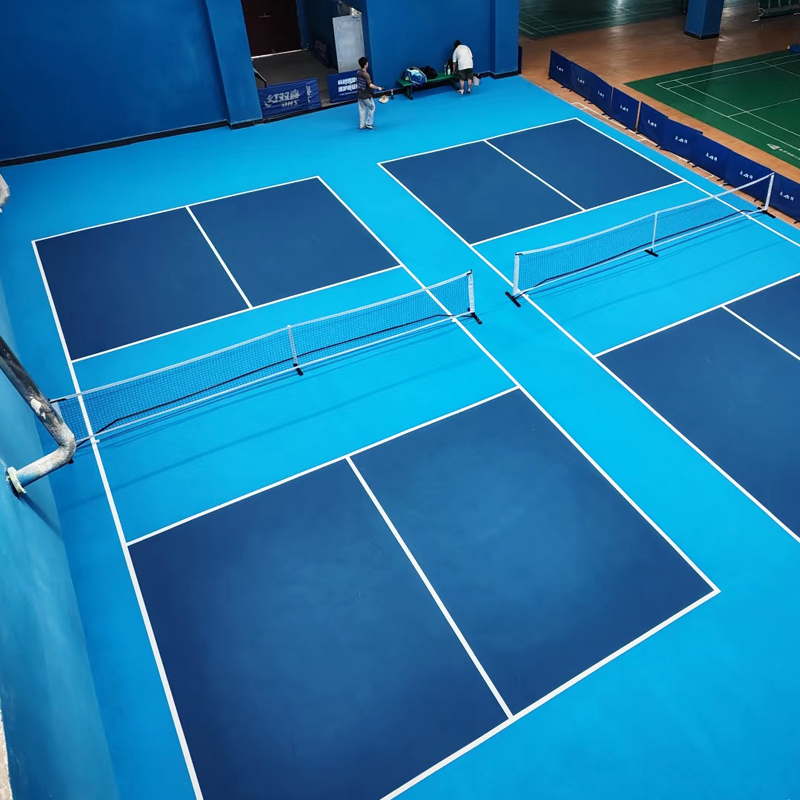
Outdoor pickleball courts require flooring that not only withstands frequent use but also offers safety, performance, and long-lasting durability. With outdoor conditions that vary from high heat to heavy rain, selecting the right type of flooring is essential to ensure both the players’ safety and the longevity of the court. Rubber flooring has increasingly become the go-to solution for outdoor pickleball courts, offering numerous advantages that enhance both the game and the facility. In this article, we will explore why rubber flooring is ideal for outdoor pickleball courts and how it can benefit both players and facility owners.
The Benefits of Rubber Flooring for Outdoor Pickleball Courts
Rubber flooring offers several benefits that make it particularly suitable for outdoor pickleball courts.
-
Superior Durability and Weather Resistance: Unlike wood or synthetic surfaces, rubber flooring is highly resistant to extreme weather conditions. It can handle the harsh UV rays of the sun, rain, and fluctuating temperatures without deteriorating. This makes rubber flooring a long-term investment for outdoor courts.
-
Enhanced Safety and Injury Prevention: The cushioned surface of rubber flooring provides better shock absorption, reducing the risk of injury for players. The surface helps prevent joint strain, especially for players who spend long hours on the court. This protective feature is particularly important for outdoor courts where uneven ground can also contribute to injury risk.
-
Easy Maintenance and Longevity: Rubber flooring requires minimal upkeep compared to other flooring options. It resists staining, fading, and wear and tear, which significantly reduces maintenance time and costs. Additionally, its long lifespan ensures that outdoor pickleball courts remain in great condition for years.
How Rubber Flooring Improves Playability
Rubber flooring not only enhances safety but also improves the overall playability of the court. Here’s how:
-
Optimal Traction for Better Movement: One of the key features of rubber flooring is its excellent traction, which allows players to move quickly and confidently without slipping. The surface provides just the right balance between grip and slide, enabling smooth lateral movement and sudden stops. This level of control is essential for the fast-paced nature of pickleball, where quick reactions can make all the difference in gameplay.
-
Consistency of Bounce and Ball Control: Rubber flooring offers a consistent bounce for the ball, which is vital for maintaining fair play. Unlike asphalt or other rough surfaces, rubber ensures that the ball responds predictably, providing players with more accurate shots. This consistency is crucial for both beginners and advanced players who require reliable ball behavior during rallies.
-
Impact Absorption for Player Comfort: The shock-absorbing properties of rubber flooring reduce the strain on a player’s joints and muscles, especially when moving or jumping. Outdoor courts often subject players to harder surfaces, but rubber flooring’s cushioned effect minimizes impact, making it ideal for athletes who may play for extended periods. This enhances comfort and reduces the likelihood of injuries, contributing to better performance over time.
Environmental and Cost-Effectiveness of Rubber Flooring
In addition to the performance advantages, rubber flooring for outdoor pickleball courts offers both environmental and economic benefits:
-
Sustainability and Eco-Friendliness of Rubber Materials: Many rubber flooring options are made from recycled materials, such as used tires. This eco-friendly choice not only helps reduce waste but also promotes sustainability, making it a great option for those looking to minimize their environmental footprint. By choosing rubber, you contribute to a more sustainable sports infrastructure while maintaining a high-performance surface.
-
Cost-Effectiveness in Long-Term Use and Maintenance: Rubber flooring is an investment that pays off in the long run. While the initial installation cost may be higher than other materials like asphalt or concrete, its durability and low maintenance needs significantly lower overall costs. Rubber flooring does not require frequent repairs or replacements, making it a more cost-effective option over the lifespan of the court. Additionally, its easy-to-clean surface reduces the need for expensive maintenance services.
-
Comparison to Other Flooring Materials: When compared to traditional outdoor surfaces like concrete, asphalt, or grass, rubber flooring is a clear winner in terms of performance and upkeep. Concrete and asphalt can crack, become slippery, or wear down quickly under the harsh outdoor conditions. Rubber, on the other hand, maintains its integrity and visual appeal longer, with minimal care required.
Installation Process for Outdoor Pickleball Court Rubber Flooring
Installing rubber flooring for outdoor pickleball courts is a relatively straightforward process, but it requires careful preparation to ensure optimal results.
-
Step-by-Step Guide to Installing Rubber Flooring: The installation begins with preparing the surface. Any debris, dirt, or old flooring must be cleared, and the ground should be leveled. Afterward, rubber tiles or rolls are placed on the court, ensuring they are fitted snugly without gaps. For larger courts, rubber rolls are often preferred, as they provide a seamless surface with fewer joints. Once the tiles or rolls are laid, they are secured with adhesive or interlocking mechanisms, depending on the system used. The final step involves ensuring proper curing and inspection of the entire area for uniformity and safety.
-
Professional Installation vs. DIY Options: While professional installation ensures that the rubber flooring is perfectly installed, DIY installation is an option for those with experience in floor laying. However, it’s essential to follow all manufacturer guidelines to prevent common installation mistakes, such as improper alignment or insufficient bonding. For larger courts or complex installations, professional help might be the best option.
-
Key Considerations for Proper Installation: It’s essential to ensure that the base layer is solid and level. Any unevenness in the ground can lead to issues like water pooling or improper adhesion. Weather conditions also play a role—installation should ideally take place during dry weather to ensure the adhesive bonds well, and the rubber surface cures correctly.
Rubber Flooring Aesthetic Options for Pickleball Courts
While functionality is essential, the aesthetic appeal of a pickleball court also matters. Rubber flooring offers a wide range of design possibilities to enhance the court’s appearance.
-
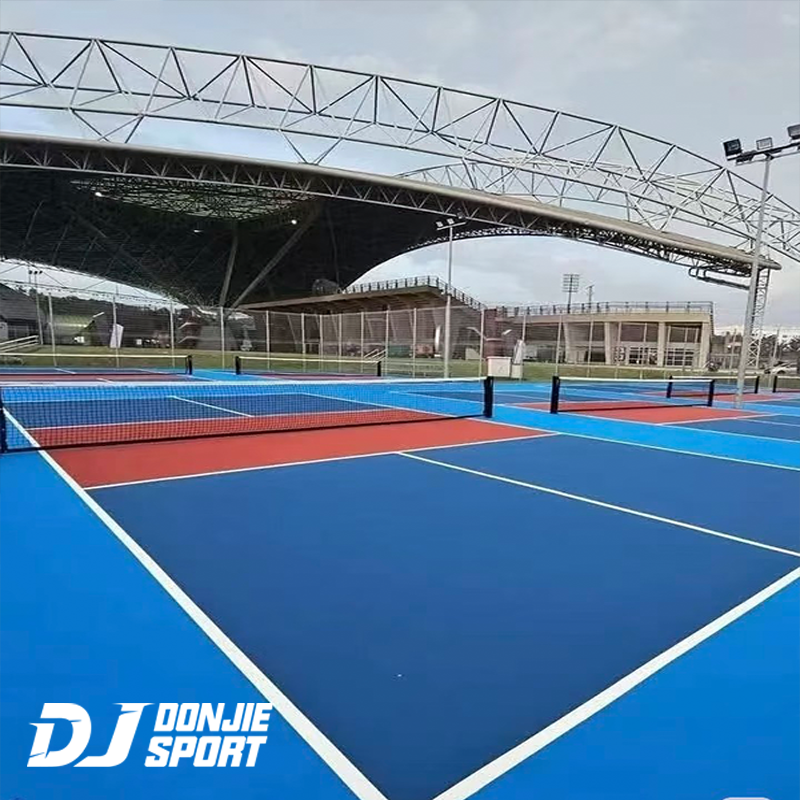
Available Colors and Designs: Rubber flooring comes in various colors, from traditional greens and blues to more vibrant hues. The flexibility in color allows you to customize the look of the court to match your facility’s branding, the community’s colors, or personal preferences. You can even create patterns or multi-color designs to make the court stand out and give it a professional, modern appearance.
-
Customization Options for Branding or Court Identification: For commercial or public facilities, rubber flooring can be customized with logos, court numbers, or other identifying features. This adds a unique touch to your court while serving a practical purpose, such as marking boundaries or highlighting specific areas of the court.
-
How Aesthetic Choices Enhance the Court Experience: A visually appealing court enhances the overall experience for players and spectators alike. The vibrant colors and designs can make the game feel more professional and exciting, contributing to a better overall atmosphere for both competitive play and casual matches.
Common Challenges and How to Overcome Them
Despite its many advantages, rubber flooring does come with a few challenges, but they can be managed with proper care and maintenance.
-
Potential Issues with Rubber Flooring and Solutions: One of the common challenges with rubber flooring is the accumulation of dirt and debris, especially in outdoor environments. Regular cleaning is essential to maintain the surface’s grip and appearance. Additionally, rubber flooring may expand or contract with temperature changes, which can lead to gaps if not properly installed. Choosing high-quality rubber materials and ensuring the flooring is installed correctly will help mitigate these issues.
-
How to Prevent Surface Damage: Rubber flooring is durable, but sharp objects or heavy equipment can damage it over time. Installing protective mats in high-traffic areas or under heavy equipment can help preserve the flooring’s integrity. It’s also important to remove any debris or sharp objects from the surface to avoid unnecessary damage.
-
Dealing with Weather-Related Effects: Outdoor courts face the challenge of extreme weather conditions, which can affect the rubber surface. UV rays can cause fading, and heavy rain can lead to water damage. Choosing rubber flooring with UV-resistant properties and ensuring proper drainage during installation can help minimize these weather-related challenges.
Why Rubber Flooring is the Top Choice for Outdoor Pickleball Courts
Rubber flooring offers numerous benefits that make it the ideal choice for outdoor pickleball courts. From its durability and safety features to its environmental benefits and aesthetic flexibility, rubber provides a high-performance surface that enhances the playing experience. Whether you’re a recreational player or a professional facility owner, choosing rubber flooring for your outdoor pickleball court ensures long-term savings, consistent playability, and a visually appealing environment. Investing in rubber flooring is a smart decision for those looking to create a safe, comfortable, and sustainable playing surface.